Usuba
Usuba
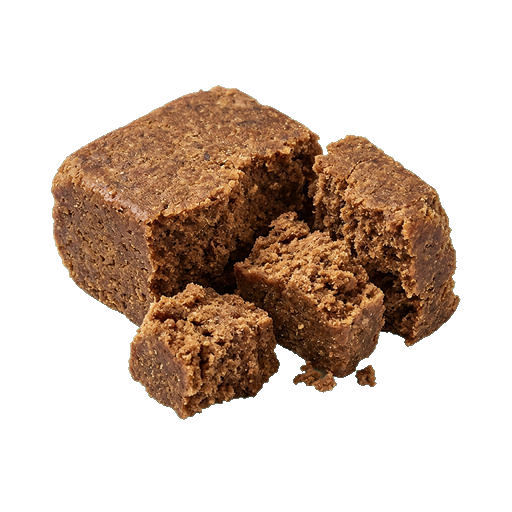
Beef Bouillon Cube
A concentrated cube made from dried beef meat, fats, salt, and spices that dissolves in hot water to create a rich broth. Used for quick preparation of soups, sauces, and stews, as well as to enhance the flavor of side dishes and braised meals. When choosing, pay attention to the composition — a quality cube should contain minimal additives and preservatives. As a substitute, you can use fresh or frozen broth, though the taste will be less concentrated.
Micronutrients
per 100 g
Minerals
About
Beef bouillon cube — a helper that saves the day when you need rich flavor, but don't have time to simmer a full broth. It's a concentrated embodiment of beefy aroma and saltiness in a compact form. The cube dissolves in hot water in a minute or two, providing a base for soup, sauce, or side dish.
Taste and Aroma
The cube imparts a deep, meaty flavor with a characteristic saltiness. The aroma is intense and distinctly beefy, though not quite identical to homemade broth — you can sense the product's industrial nature. A good quality cube reveals notes of vegetables (typically carrots and celery), and sometimes onion and spices.
When and how to use
- Soups and broths — one cube per liter of water provides a decent base that can be supplemented with vegetables, meat or noodles.
- Sauces and gravies — dissolved cube thickens the dish and adds meaty depth to meat and vegetable side dishes.
- Stewing — cube is added directly to the pot with meat or vegetables to enhance the flavor.
- Rice and porridges — cooked in dissolved broth instead of water, turns out more aromatic and satisfying.
The main rule is not to overdo it with salt. The cube already contains a decent amount, so taste the dish before adding extra salt. If you're cooking for children or people watching their salt intake, use half a cube or dilute the broth with a large amount of water.
Selection and Storage
When shopping, check the ingredients: a good cube should contain meat or meat extracts, vegetables, salt, and spices. Avoid options with a long list of unclear additives. The cube should be dense, without cracks or wet stains on the packaging.
Store the cube in a dry place at room temperature, in a closed package or airtight container. Moisture is the enemy: if the cube starts to soften or a coating appears, it is better not to use it. With proper storage, the cube remains usable for months.
Pairings
Beef bouillon cube works well with root vegetables (carrots, beets, potatoes), onions, garlic, and herbs like parsley or thyme. It pairs with tomatoes in soups, suits pasta and rice. It doesn't conflict with black pepper, bay leaf, and cloves.
A bouillon cube is not a substitute for homemade broth, but an honest kitchen helper when you need speed and reliability.
Nutrition
per 100 g
- Calories
- 250 kcal
- Protein
- 10 g
- Fat
- 15 g
- Carbs
- 18 g
Micronutrients
per 100 g
Macronutrients
- Fiber
- 0 g
- Sugars
- 14.51 g
- Saturated fat
- 1.99 g
- Monounsaturated fat
- 1.67 g
- Polyunsaturated fat
- 0.16 g
- Omega-3 (EPA + DHA)
- 0 g
- Cholesterol
- 4 mg
- Water
- 3.3 g
Minerals
- Sodium
- 24000 mg
- Potassium
- 403 mg
- Calcium
- 60 mg
- Magnesium
- 50 mg
- Phosphorus
- 225 mg
- Iron
- 2.23 mg
- Zinc
- 0.21 mg
- Copper
- 0 mg
- Manganese
- 0.39 mg
- Selenium
- 27.6 mcg
Vitamins
- Vitamin A (RAE)
- 0 mcg
- Vitamin D
- 0 mcg
- Vitamin E
- 0 mg
- Vitamin K
- 0 mcg
- Vitamin C
- 0 mg
- Vitamin B1 (thiamin)
- 0.2 mg
- Vitamin B2 (riboflavin)
- 0.24 mg
- Vitamin B3 (niacin)
- 3.3 mg
- Vitamin B5 (pantothenic acid)
- 0.3 mg
- Vitamin B6
- 0.2 mg
- Vitamin B9 (folate, DFE)
- 32 mcg
- Vitamin B12
- 1 mcg
Measures and weight
- 1 tbsp
- 12 g
- 1 tsp
- 4 g
- 1 cup
- 200 g
- 1 pcs
- 10 g
Measure calculator
- Weight
- 100 g
- Calories
- 250 kcal