Usuba
Usuba
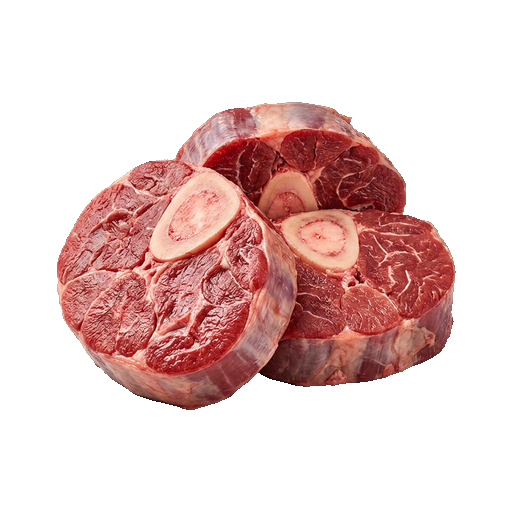
Beef Shanks
Beef shanks are cuts of beef shin with bone, rich in collagen and bone marrow, which release gelatin during prolonged cooking and give broth a rich flavor and thick consistency. Used mainly for preparing broths, soups, and stews, they require a minimum of 2–3 hours of heat treatment to soften the meat and fully develop the flavor. When choosing, prefer shanks with a thick layer of meat and light-colored bone, and before cooking it is useful to blanch them with boiling water and clean from impurities.
Micronutrients
per 100 g
Minerals
About
Beef shanks are a cut of shin with bone that, when cooked properly, transforms into tender, melt-in-your-mouth meat. The bone is permeated with bone marrow and surrounded by connective tissue that converts into gelatin during prolonged heating. This is exactly what makes shanks an ideal choice for those who appreciate deep flavor and the right consistency in a finished dish.
Taste and texture
Shank has a rich, meaty flavor with a slight sweetness that develops during prolonged simmering. Bone marrow adds richness and unctuous quality. The meat texture is fibrous and dense in its raw state, but after 2–3 hours of boiling it becomes tender and easily separates from the bone. The skin and cartilage also soften, creating a pleasant stickiness in the broth.
How to cook and what to pair with
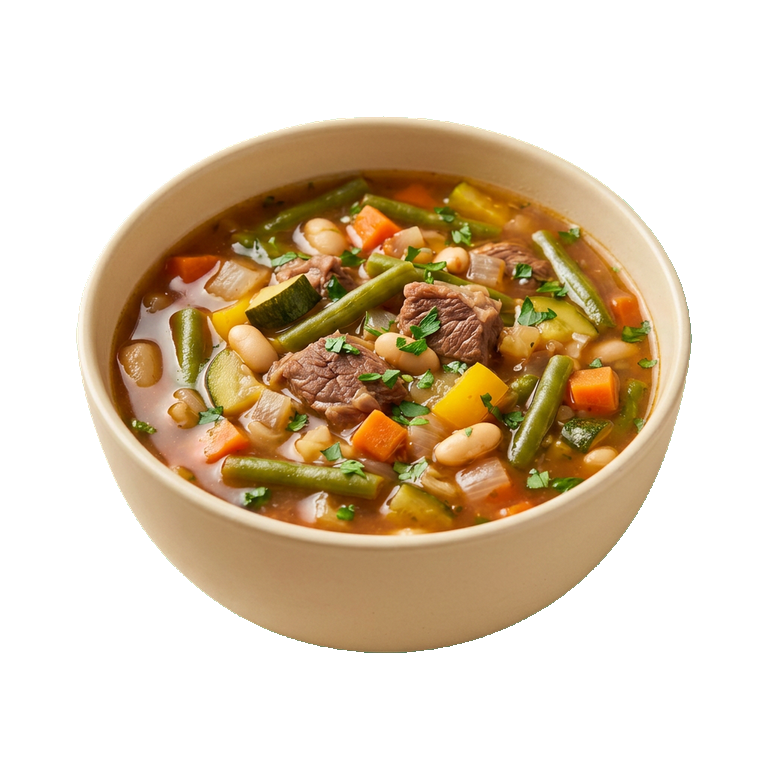
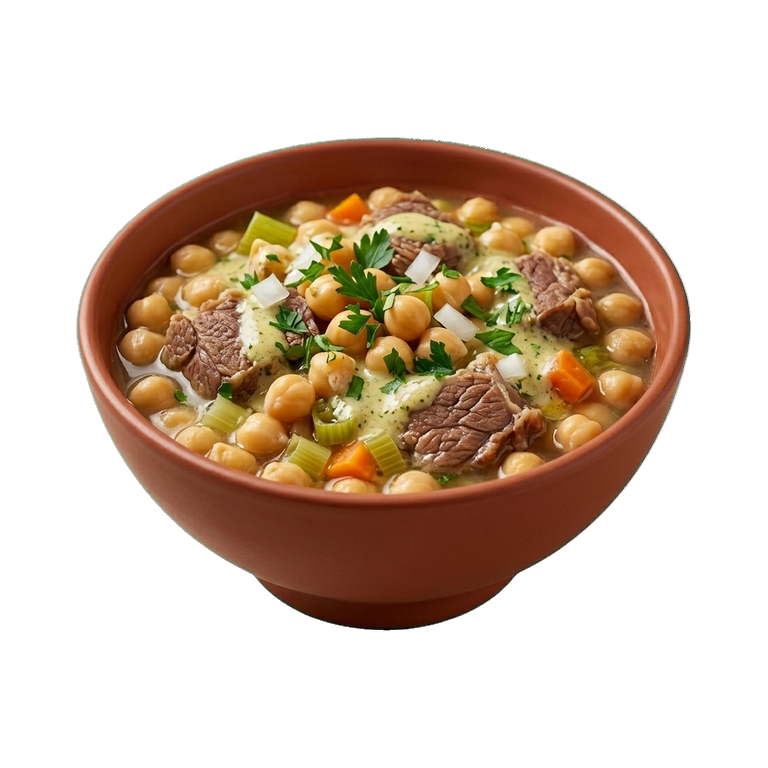
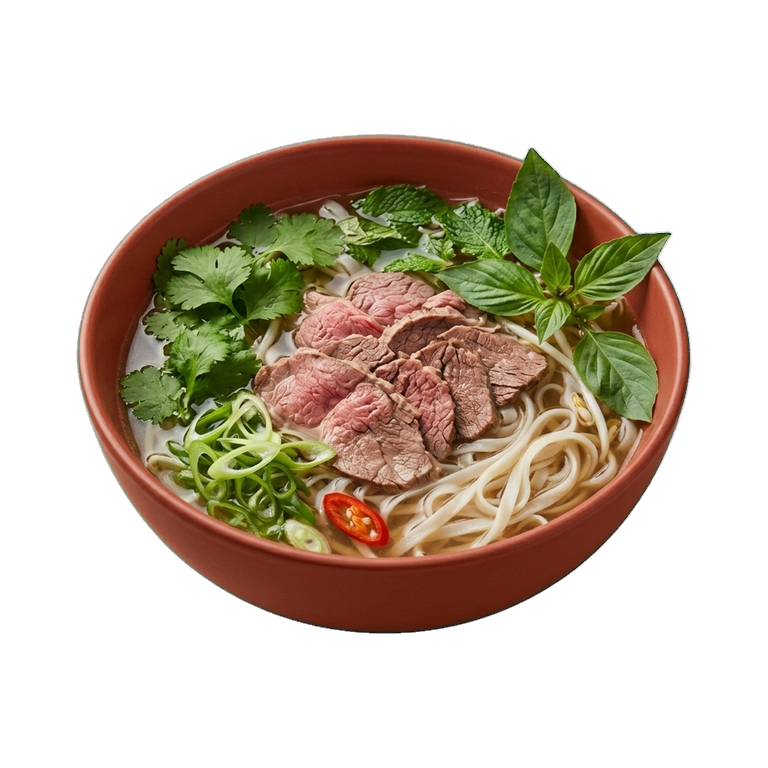
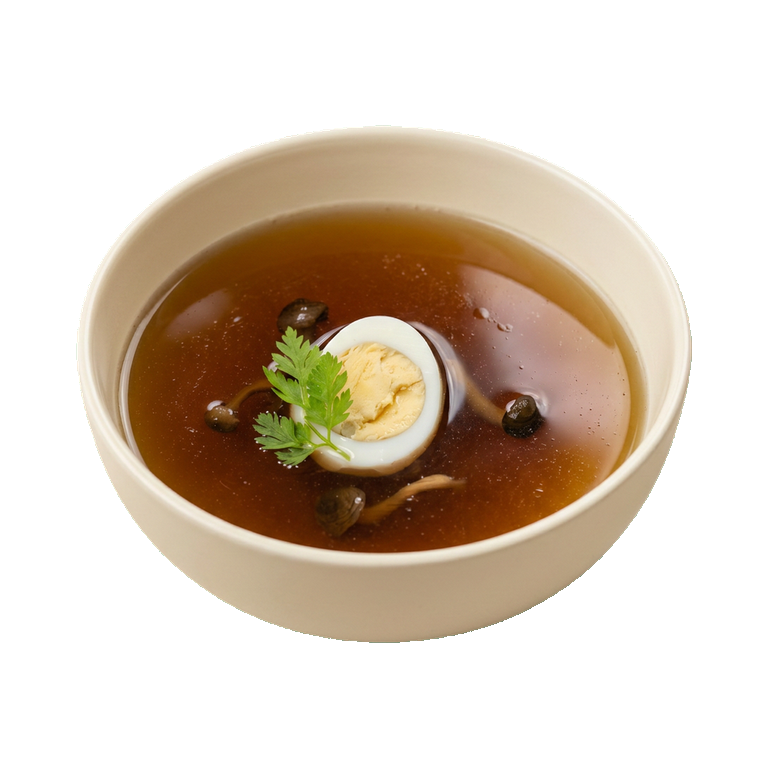
Knuckle requires low temperature and time. The classic approach is braising in the oven or on the stovetop: the meat is seared until browned, then simmered with vegetables in broth for 2–3 hours. The result is tender meat and a rich, gelatinous sauce. Knuckle works well in soups, stews, and autumn pot roasts. It loves acidity: red wine, vinegar, and tomatoes bring out its flavor. Carrots, celery, and onions are classic companions. Spices like bay leaf, thyme, and pepper emphasize the meat's character.
Selection and Preparation
When buying, look for pieces 4–5 cm thick with visible bone marrow in the center. The meat color should be bright red, without gray spots. The bone should not be darkened or have a strange smell. Before cooking, you can soak the shanks in cold water for an hour to remove excess blood and get a clearer broth. If the meat is frozen, thaw it in the refrigerator overnight.
Storage
Keep fresh knuckle meat on the lower shelf of the refrigerator for 2–3 days in an airtight container. It can be frozen for up to 3–4 months. A finished knuckle dish keeps in the refrigerator for 3–4 days and freezes well — the gelatinous sauce protects the meat from drying out.
Nutrition
per 100 g
- Calories
- 109 kcal
- Protein
- 19.3 g
- Fat
- 3.1 g
- Carbs
- 0 g
Micronutrients
per 100 g
Macronutrients
- Fiber
- 0 g
- Saturated fat
- 1.28 g
- Monounsaturated fat
- 1.76 g
- Polyunsaturated fat
- 0.15 g
- Omega-3 (EPA + DHA)
- 0 g
- Cholesterol
- 39 mg
- Water
- 73.03 g
Minerals
- Sodium
- 63 mg
- Potassium
- 387 mg
- Calcium
- 20 mg
- Magnesium
- 14 mg
- Phosphorus
- 204 mg
- Iron
- 2.32 mg
- Zinc
- 6.94 mg
- Copper
- 0.07 mg
- Manganese
- 0.01 mg
- Selenium
- 17.7 mcg
Vitamins
- Vitamin A (RAE)
- 0 mcg
- Vitamin C
- 0 mg
- Vitamin B1 (thiamin)
- 0.1 mg
- Vitamin B2 (riboflavin)
- 0.22 mg
- Vitamin B3 (niacin)
- 5.74 mg
- Vitamin B5 (pantothenic acid)
- 0.35 mg
- Vitamin B6
- 0.47 mg
- Vitamin B9 (folate, DFE)
- 8 mcg
- Vitamin B12
- 3.3 mcg
Measures and weight
- 1 pcs
- 400 g
Measure calculator
- Weight
- 100 g
- Calories
- 109 kcal