Usuba
Usuba
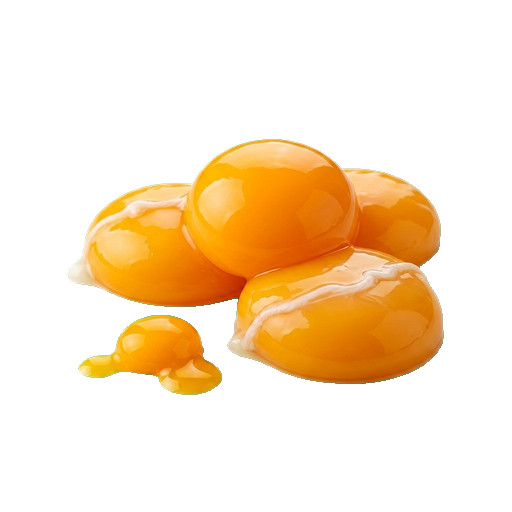
Egg yolk
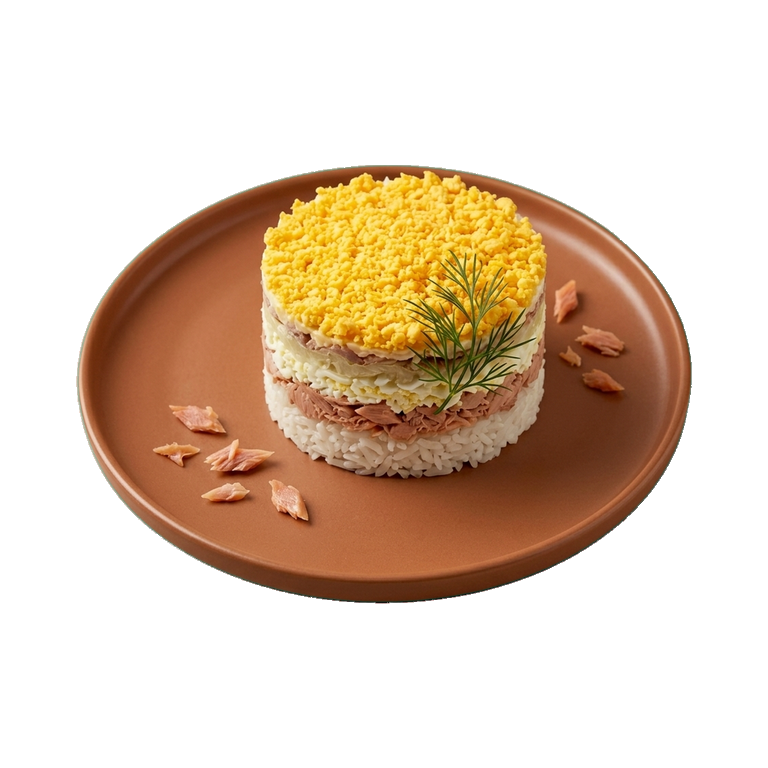
Egg yolk is the nutrient-rich part of an egg, abundant in fat, proteins, and lecithin, which make it essential for emulsifying sauces and creams. It has a mild, buttery flavor and is used in baking to add fluffiness and golden color, as well as in mayonnaise, hollandaise sauce, and creams. When selecting, pay attention to the yolk color — a more saturated orange hue indicates better poultry nutrition, and freshness is determined by the yolk's firmness and the absence of any unpleasant odor.
About
Egg yolk is one of the most versatile ingredients in the kitchen. It's not just a nutritious part of an egg, but a complete tool that makes dishes richer, more tender, and more delicious. Yolk works everywhere: in sweet desserts, in sauces, in bread, and even in meat pâtés. Its role changes depending on the cooking method and combination with other products.
Taste and Texture
The yolk has a soft, slightly creamy taste with a barely noticeable bitterness. The color and intensity of flavor depend on the bird's diet — the brighter the orange hue, the richer the flavor profile. The yolk's consistency is its main advantage: it is simultaneously dense and tender, mixes easily, but maintains its structure.
Egg yolk contains lecithin — a natural emulsifier that allows you to mix immiscible liquids. Because of this, it is indispensable in mayonnaise, hollandaise sauce, and other emulsion sauces. Even a small amount of egg yolk can turn a liquid mixture into a creamy texture.
How egg yolk changes when heated
- At 65°C the yolk begins to thicken but remains soft — ideal for delicate creams and custards
- At 75°C the yolk fully coagulates and becomes firm — like in a boiled egg
- When whipped, the yolk increases in volume and becomes fluffy — the base for sponge cakes and soufflés
- In a pan, the yolk sets quickly and can become rubbery if overcooked
Where and how to use
- Sauces: mayonnaise, hollandaise sauce, bearnaise — egg yolk creates a creamy structure
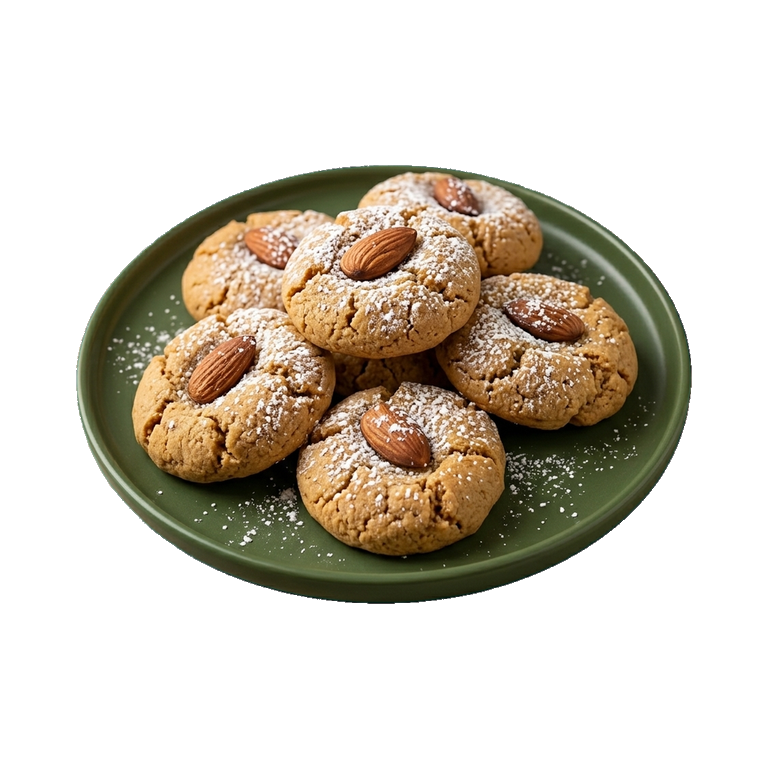
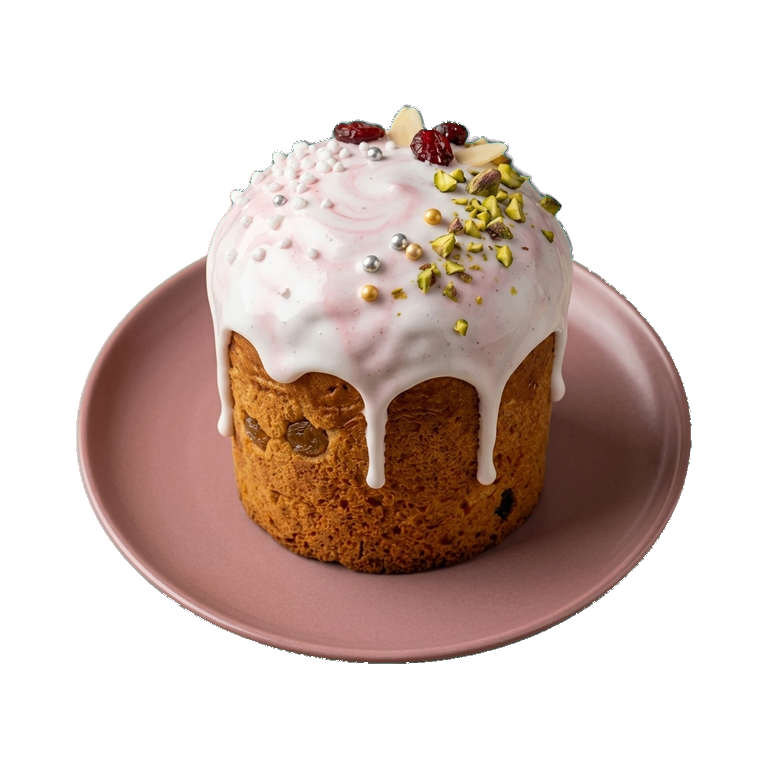
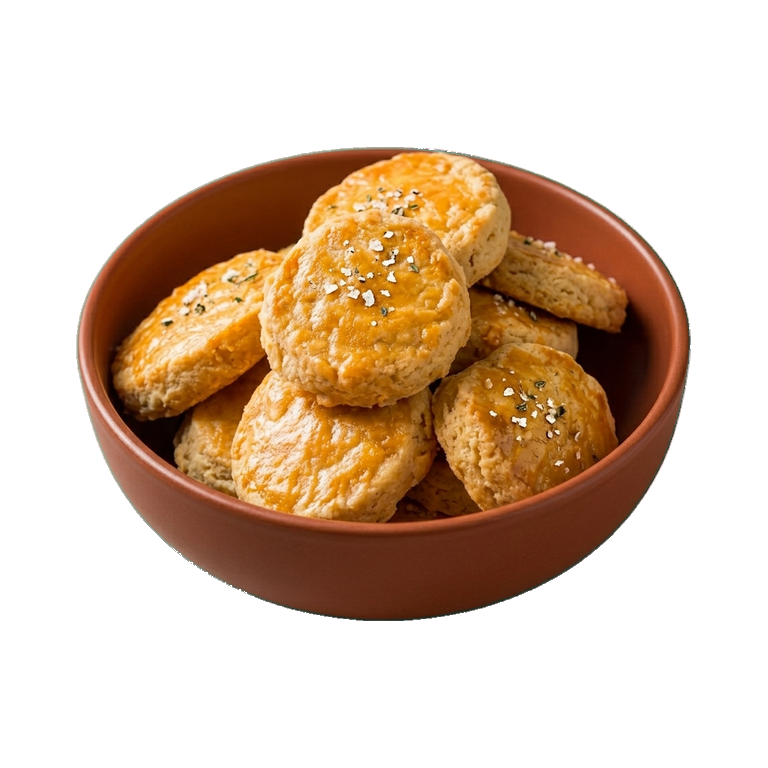
- Baked goods: biscuits, cupcakes, pastries — egg yolk provides fluffiness and golden color
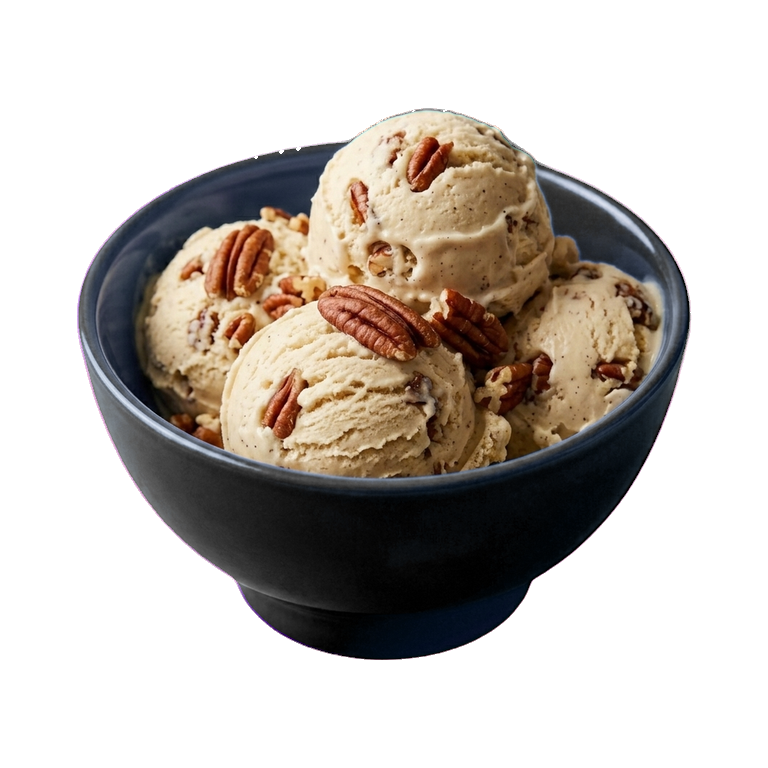
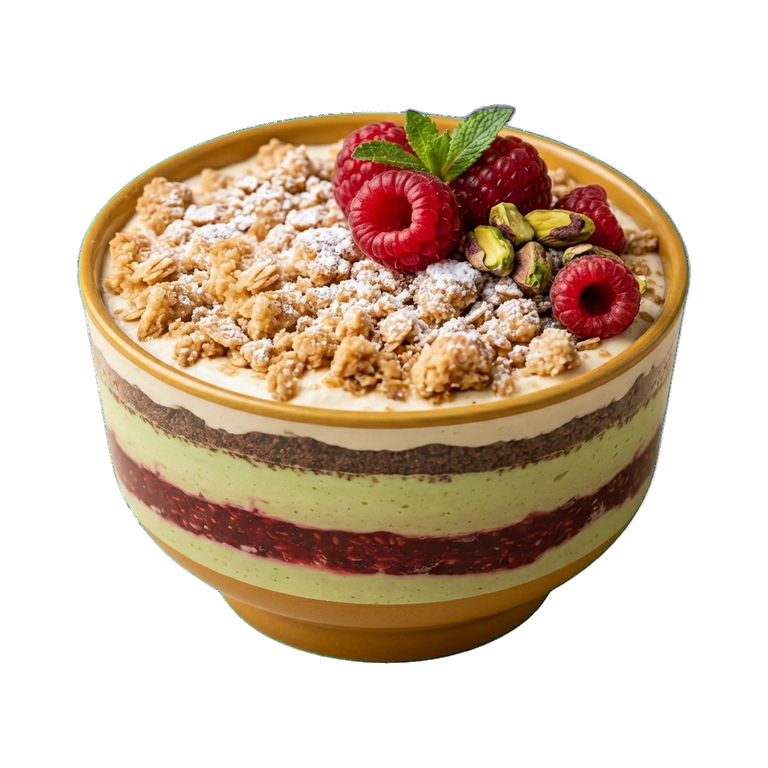
- Creams and crème brûlée: custard cream, pastry cream, mousse — egg yolk enriches and thickens
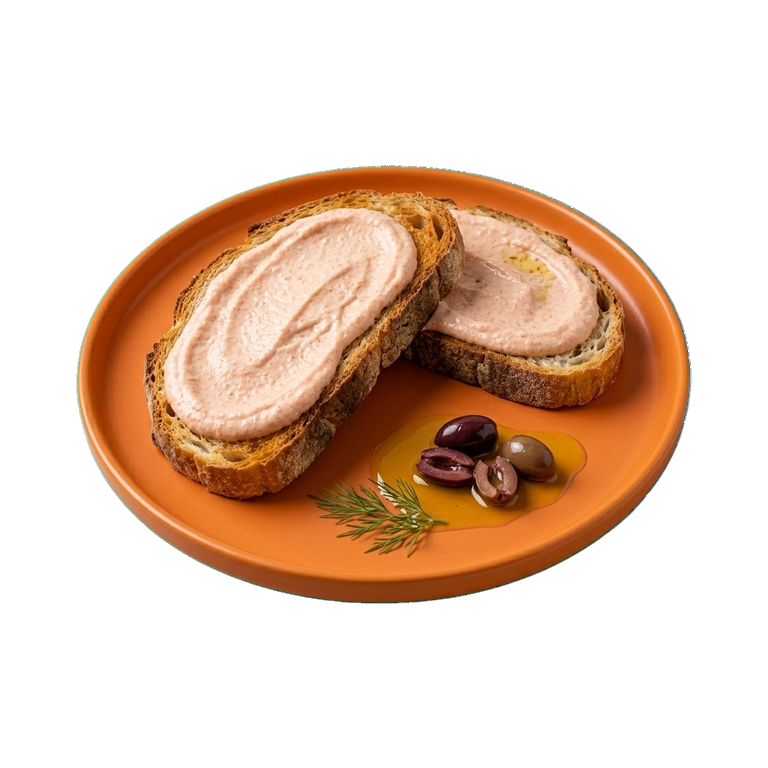
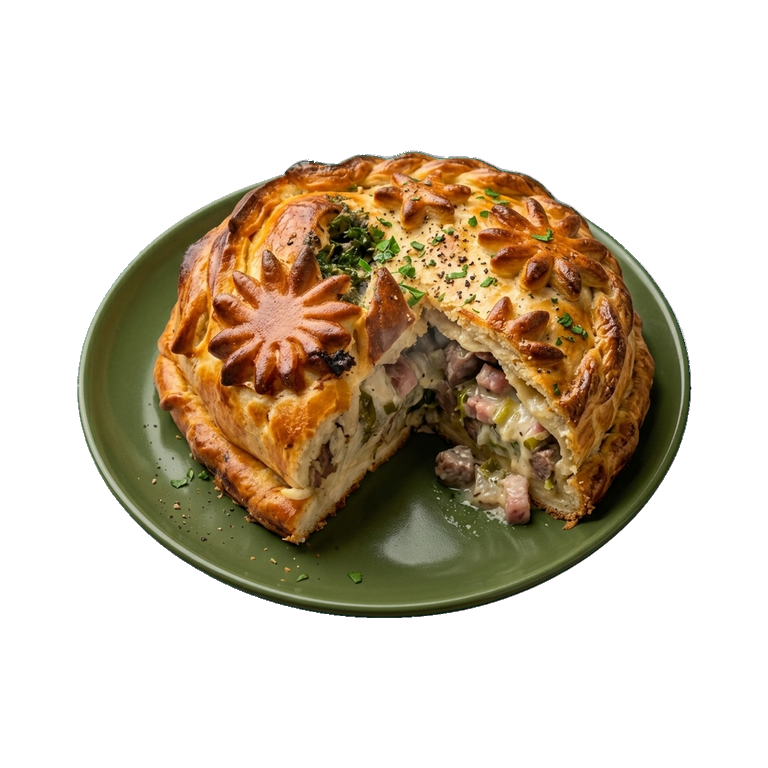
- Pâtés and terrines: egg yolk binds ingredients and improves texture
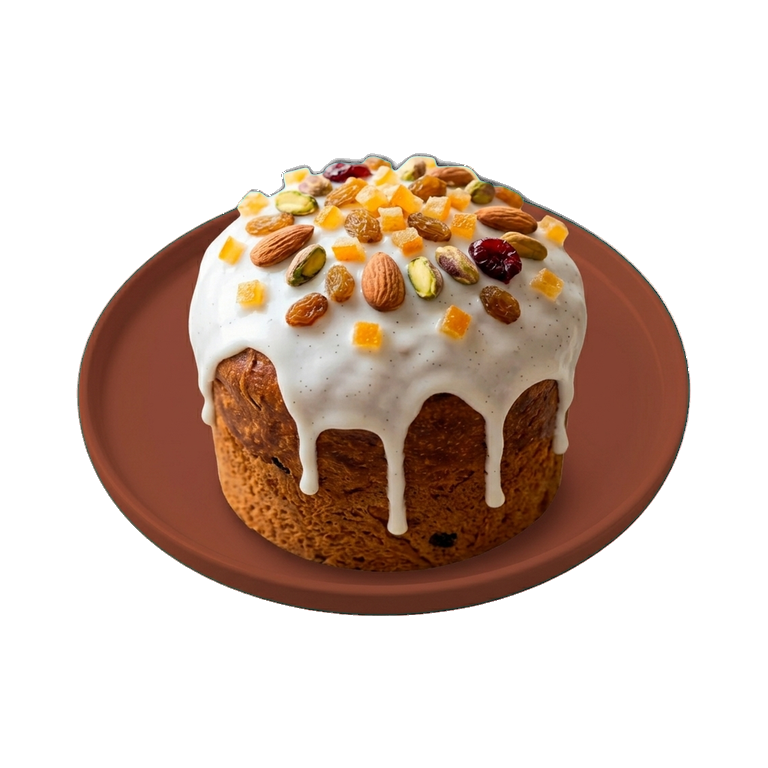
- Glazing: egg yolk is mixed with water or milk for shine on bread and buns
Egg yolk pairs well with acidic ingredients — lemon, vinegar, white wine. Acid helps the emulsion hold longer and prevents sauce separation. With butter, cream, and milk, egg yolk creates a rich texture. With spices and herbs, it doesn't compete but rather enhances their aroma.
Selection and Storage
Choose eggs with a bright, uniform yolk without spots or cloudiness. The freshness of an egg affects the strength of the yolk — the fresher it is, the better it holds its shape. For emulsion sauces, freshness is especially important: the yolk should be firm and not watery.
- A whole egg is stored in the refrigerator for 3–4 weeks in a separate container
- Keep separated yolk in a tightly closed container for no more than 2 days — it quickly absorbs odors
- The yolk can be frozen in ice cube trays, but the texture will change slightly
- Before using in sauces, remove the yolk from the refrigerator 15–20 minutes before to let it warm up to room temperature
Remember: when preparing emulsion sauces, egg yolks require care. If you add oil too quickly or if the temperature of the ingredients differs greatly, the sauce may break. There is no need to rush — add the oil drop by drop and stir constantly.
Nutrition
per 100 g
- Calories
- 322 kcal
- Protein
- 16 g
- Fat
- 26.5 g
- Carbs
- 0.3 g
Measures and weight
- 1 tbsp
- 15.5 g
- 1 tsp
- 5.2 g
- 1 cup
- 257.5 g
- 1 pcs
- 20 g
Measure calculator
- Weight
- 100 g
- Calories
- 322 kcal