Usuba
Usuba
Fenugreek
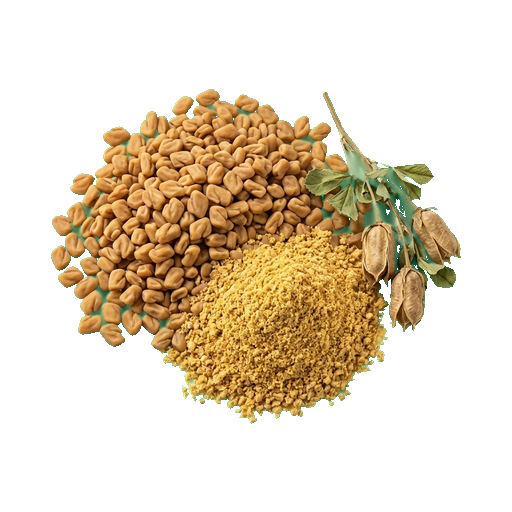
Fenugreek is a plant seed with a rich sweet-bitter flavor and aroma reminiscent of caramel with spicy notes. In cooking, it is used as a spice in ground form or as whole seeds, and is especially popular in Indian, Middle Eastern, and North African cuisines. When added to dishes, fenugreek reveals its character more fully if the seeds are lightly toasted before use, and its bitterness is well balanced with spicy and sour components.
Micronutrients
per 100 g
Minerals
About
Fenugreek is the seeds of a small plant with a bitter taste and sweet aroma. In cooking, it is precisely the seeds that are used, which look like small yellow-brown grains. They are easily recognized by their characteristic smell, which intensifies when heated. This is one of those ingredients that work in small quantities but leave a noticeable mark on the dish.
Aroma and Taste
Raw fenugreek seeds smell sweet, almost like maple syrup, with a slight bitterness. When you roast the seeds in a dry pan, the aroma becomes more intense and acquires spicy, slightly nutty notes. The taste of fenugreek is bitter, but this bitterness is not aggressive — rather noble, adding depth and complexity to the dish. That's why it should be used with respect.
Role in Dishes
Fenugreek is a key component of Indian masala blends, featured in curry, chutney, and marinades. It is added to bread, especially wheat flatbreads, where it imparts a subtle sweetness. In North African cuisine, fenugreek is used in soups and stews. A few seeds added to a marinade for vegetables or meat will enhance the flavor and give the dish a spicy character.
Ways to use
- Roast the seeds in a dry pan a few minutes before use — this will reveal the aroma and make the taste more pronounced
- Add to spice mixes gradually: fenugreek can easily overpower other flavors
- Use whole seeds in marinades and when pickling vegetables
- Ground fenugreek is suitable for thick sauces and pastes, where it's easier to distribute evenly
- Add to bread and bun dough 5–10 minutes before the end of kneading
Successful Combinations
Fenugreek pairs well with turmeric, coriander, and black pepper — this trio creates a classic Indian base. Its spiciness suits hot peppers, ginger, and garlic. Fenugreek works especially well with vegetables: tomatoes, onions, and eggplants. Meat — chicken, lamb, beef — becomes more interesting with the addition of fenugreek in a marinade or sauce.
Selection and Storage
Choose seeds with a rich yellow-brown color, free from signs of mold or foreign odors. Whole seeds last longer than ground fenugreek. Place them in an airtight container in a dark, cool place — this way they will retain their aroma for months. Ground fenugreek loses its scent faster, so it's better to grind the seeds directly before use in a coffee grinder or mortar.
Start with a small amount: a quarter teaspoon of whole seeds per four servings. Fenugreek is a spice that unfolds gradually, and it's better to add a bit more later than to overdo it the first time.
Nutrition
per 100 g
- Calories
- 323 kcal
- Protein
- 23 g
- Fat
- 6.4 g
- Carbs
- 58.4 g
Micronutrients
per 100 g
Macronutrients
- Fiber
- 24.6 g
- Saturated fat
- 1.46 g
- Cholesterol
- 0 mg
- Water
- 8.84 g
Minerals
- Sodium
- 67 mg
- Potassium
- 770 mg
- Calcium
- 176 mg
- Magnesium
- 191 mg
- Phosphorus
- 296 mg
- Iron
- 33.53 mg
- Zinc
- 2.5 mg
- Copper
- 1.11 mg
- Manganese
- 1.23 mg
- Selenium
- 6.3 mcg
Vitamins
- Vitamin A (RAE)
- 3 mcg
- Vitamin D
- 0 mcg
- Vitamin C
- 3 mg
- Vitamin B1 (thiamin)
- 0.32 mg
- Vitamin B2 (riboflavin)
- 0.37 mg
- Vitamin B3 (niacin)
- 1.64 mg
- Vitamin B6
- 0.6 mg
- Vitamin B9 (folate, DFE)
- 57 mcg
- Vitamin B12
- 0 mcg
Measures and weight
- 1 tbsp
- 12 g
- 1 tsp
- 4 g
- 1 cup
- 200 g
Measure calculator
- Weight
- 100 g
- Calories
- 323 kcal