Usuba
Usuba
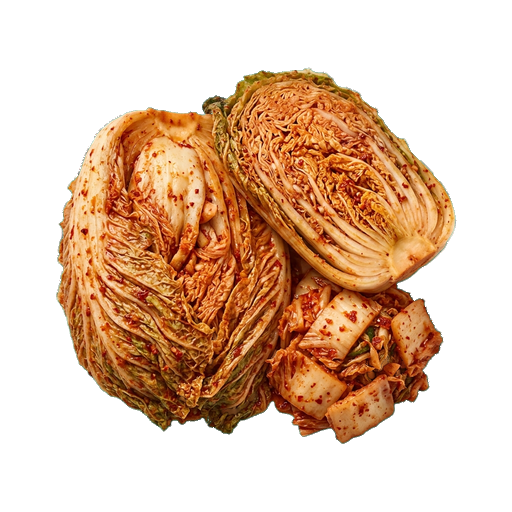
Kimchi Cabbage
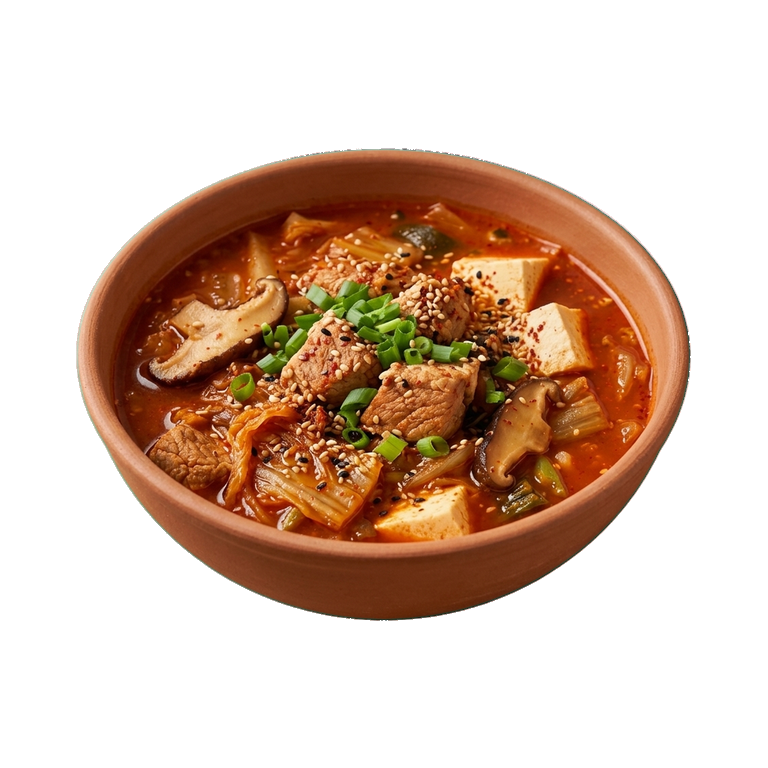
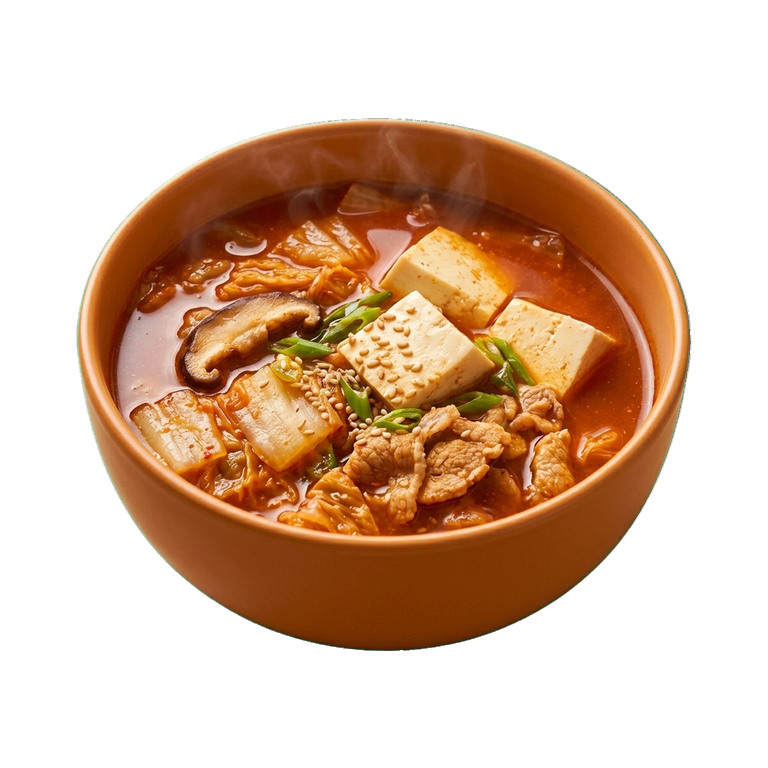
Fermented cabbage with a spicy and pungent flavor, prepared according to Korean traditions with the addition of chili pepper, garlic, and other spices. It has a characteristic sour smell and crispy texture, which is preserved through the fermentation process. Kimchi is used as a standalone dish, side dish, or ingredient in soups, rice dishes, and other culinary compositions, while taking into account its spicy taste and acidity when combining with other components.
Micronutrients
per 100 g
Minerals
About
Kimchi is not just fermented cabbage, but an entire world of spicy, aromatic, and umami-rich flavors. Fermented cabbage with garlic, pepper, and sea salt becomes a versatile ingredient in the kitchen: it is eaten as a standalone dish, added to soups, rice, noodles, or used as a side dish for meat and fish. Every bite crunches between your teeth and infuses the dish with a deep, multi-layered taste.
Aroma and Taste
Kimchi smells of garlic, hot pepper, and sea salt — a smell so distinctive that it can be detected from afar. The taste begins with a spicy but not sharp pepper, transitions into saltiness, and ends with a slight acidity from fermentation. The longer kimchi sits in the refrigerator, the more pronounced the acidity becomes and the deeper the garlic undertone reveals itself. Crunchiness is a mandatory characteristic of good kimchi: the cabbage should be firm, not softened.
Role in dishes
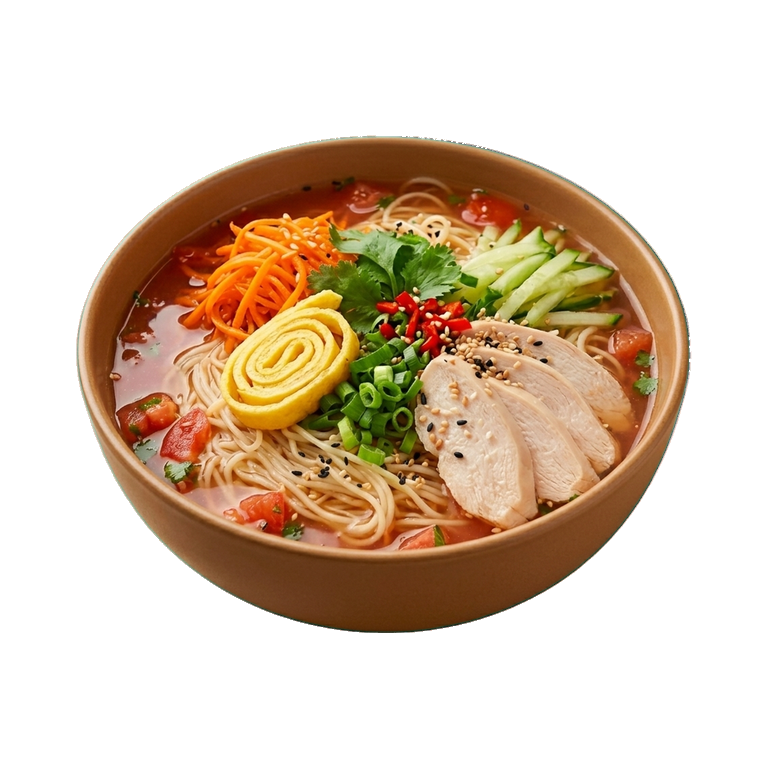
Kimchi works as a flavor anchor: it awakens the appetite, adds contrast to soft and neutral dishes, cuts through the richness of meat and fish. Its spiciness activates taste receptors, making the dish more vibrant and memorable. Kimchi pairs well with rice, udon noodles, in miso soups, with fried meat, or as a filling for dumplings and buns.
- Garnish for rice and noodles
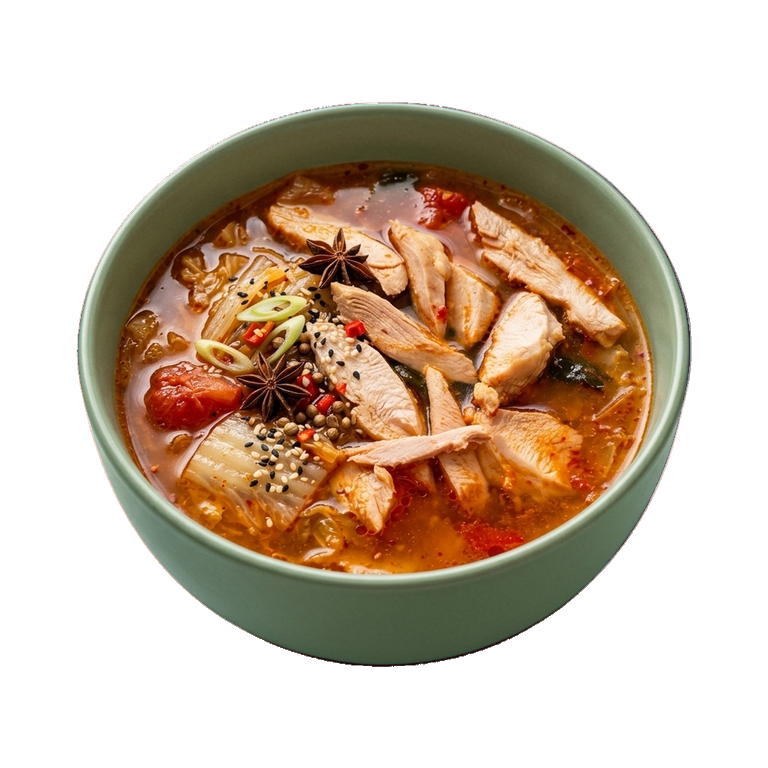
- Ingredient for soups and broths
- Filling for buns and pies
- Complement to fried meat and fish
- Component of salads and appetizers
Selection and Storage
When shopping, pay attention to the color: kimchi should be red or dark red, without white mold coating. The cabbage should be firm, not softened, with a bright aroma of garlic and pepper. Check the production date — the fresher the kimchi, the crunchier it is, but the acidity is less pronounced. If you prefer a more sour taste, choose kimchi with an older production date.
Kimchi is stored in the refrigerator at a temperature between 2 and 8 degrees Celsius. In an airtight container or in its original packaging, it retains its properties for several months. Over time, the taste becomes more sour and spicy — this is a normal fermentation process. If you notice mold, an unpleasant odor, or slime — it's better not to use such kimchi.
Practical Tips
- If kimchi is too spicy, mix it with rice or add it to soup — the heat will distribute more evenly
- The liquid in which kimchi is stored is a valuable ingredient. Use it for marinades, dressings, and soups
- Chopped kimchi works well in omelets, rice bowls, and as a filling for sandwiches
- Serve kimchi chilled — the cold enhances the crunch and refreshes the taste
Kimchi is an ingredient that transforms a dish. It doesn't just add spice, but reveals new layers of flavor in familiar products. Start with a small portion to understand how it works in your kitchen, and gradually discover your favorite combinations.
Nutrition
per 100 g
- Calories
- 28 kcal
- Protein
- 2 g
- Fat
- 0.5 g
- Carbs
- 4 g
Micronutrients
per 100 g
Macronutrients
- Fiber
- 1.6 g
- Sugars
- 1.06 g
- Saturated fat
- 0.067 g
- Monounsaturated fat
- 0.037 g
- Polyunsaturated fat
- 0.241 g
- Omega-3 (EPA + DHA)
- 0 g
- Cholesterol
- 0 mg
- Water
- 94.3 g
Minerals
- Sodium
- 498 mg
- Potassium
- 151 mg
- Calcium
- 33 mg
- Magnesium
- 14 mg
- Phosphorus
- 24 mg
- Iron
- 2.5 mg
- Zinc
- 0.22 mg
- Copper
- 0.02 mg
- Selenium
- 0.5 mcg
Vitamins
- Vitamin A (RAE)
- 5 mcg
- Vitamin D
- 0 mcg
- Vitamin E
- 0.11 mg
- Vitamin K
- 43.6 mcg
- Vitamin C
- 0 mg
- Vitamin B1 (thiamin)
- 0.01 mg
- Vitamin B2 (riboflavin)
- 0.21 mg
- Vitamin B3 (niacin)
- 1.1 mg
- Vitamin B6
- 0.21 mg
- Vitamin B9 (folate, DFE)
- 52 mcg
- Vitamin B12
- 0 mcg
Measures and weight
- 1 tbsp
- 13.5 g
- 1 tsp
- 4.5 g
- 1 cup
- 225 g
Measure calculator
- Weight
- 100 g
- Calories
- 28 kcal