Usuba
Usuba
Red Beans
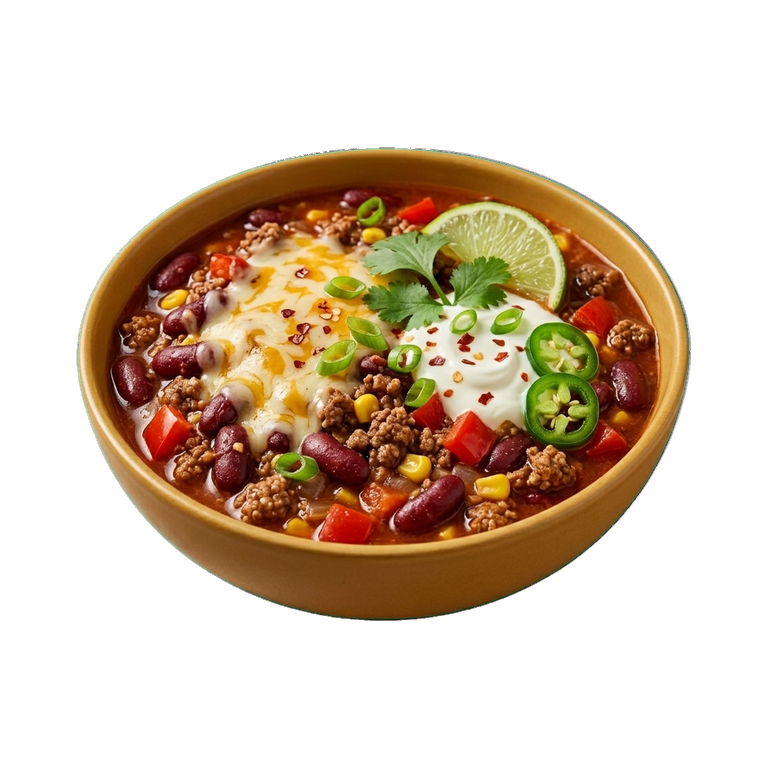
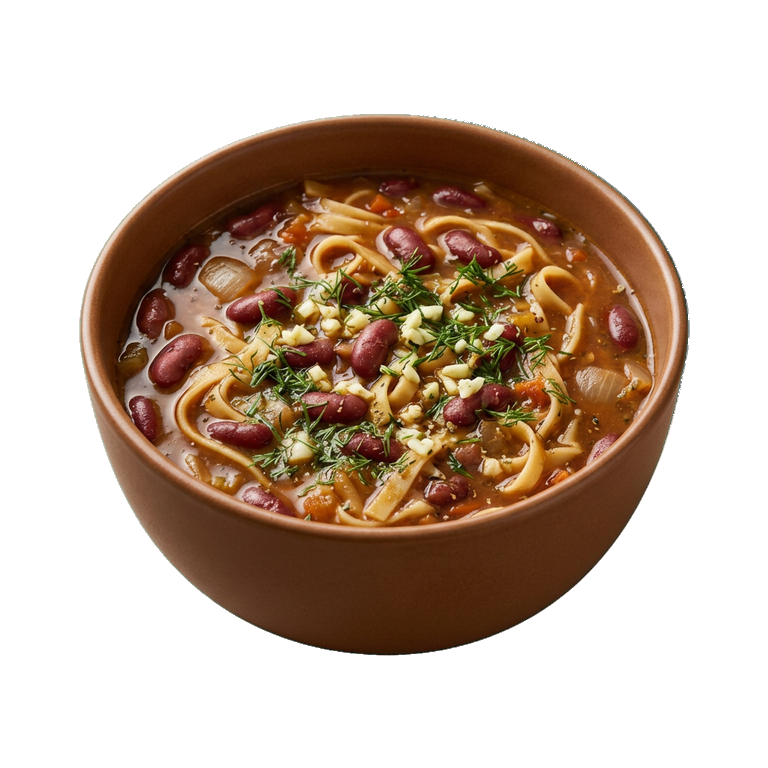
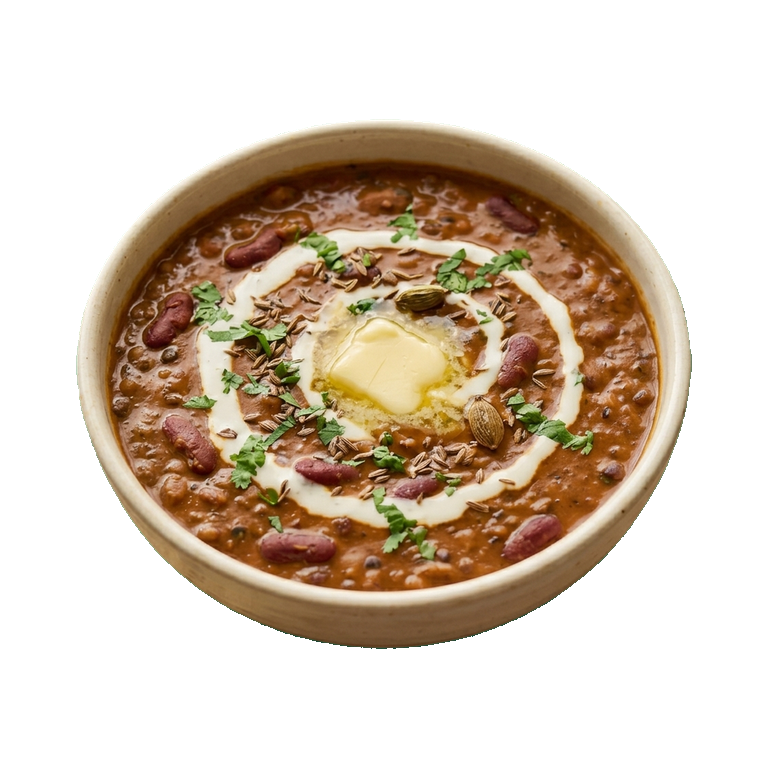
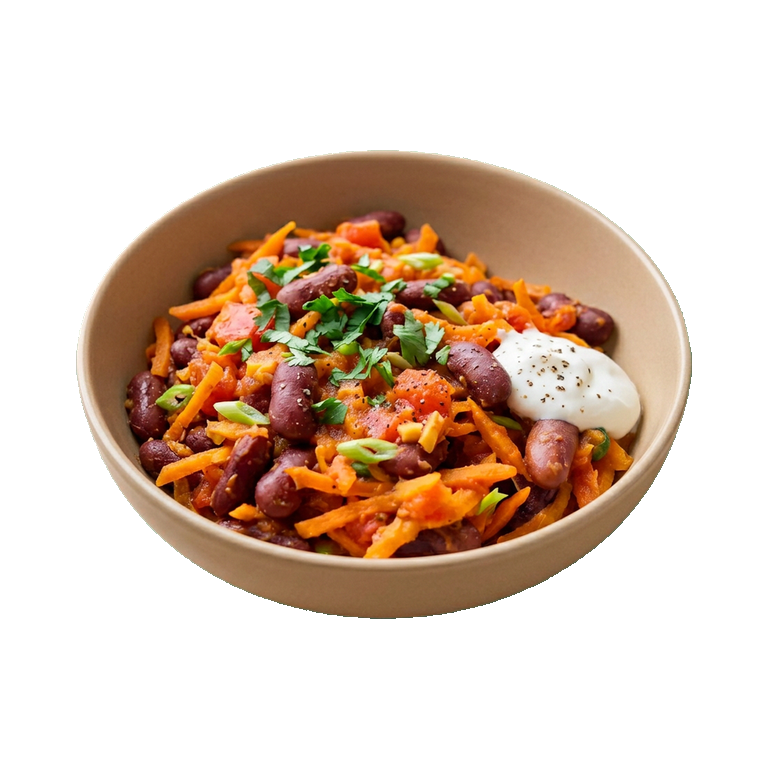
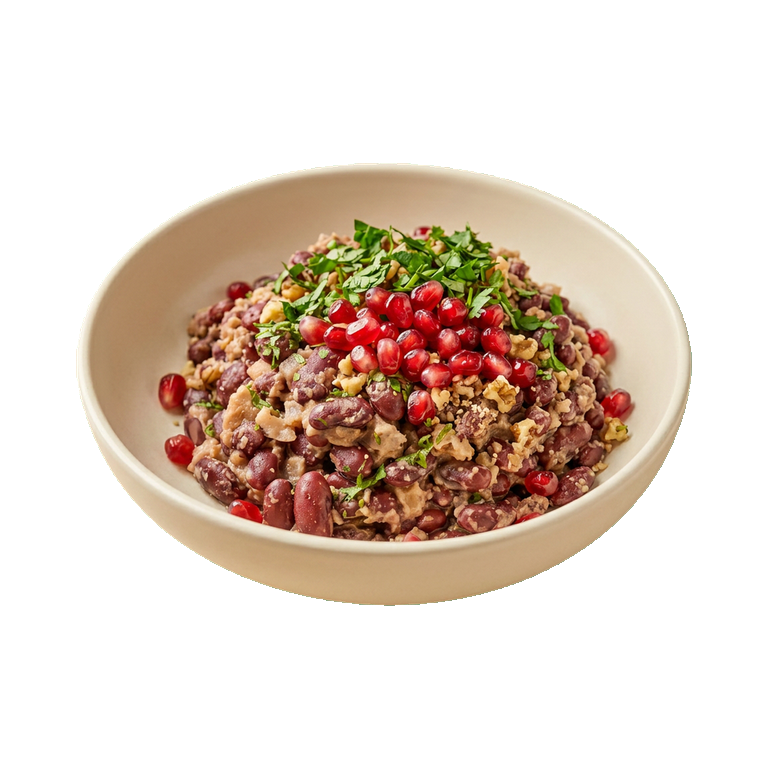
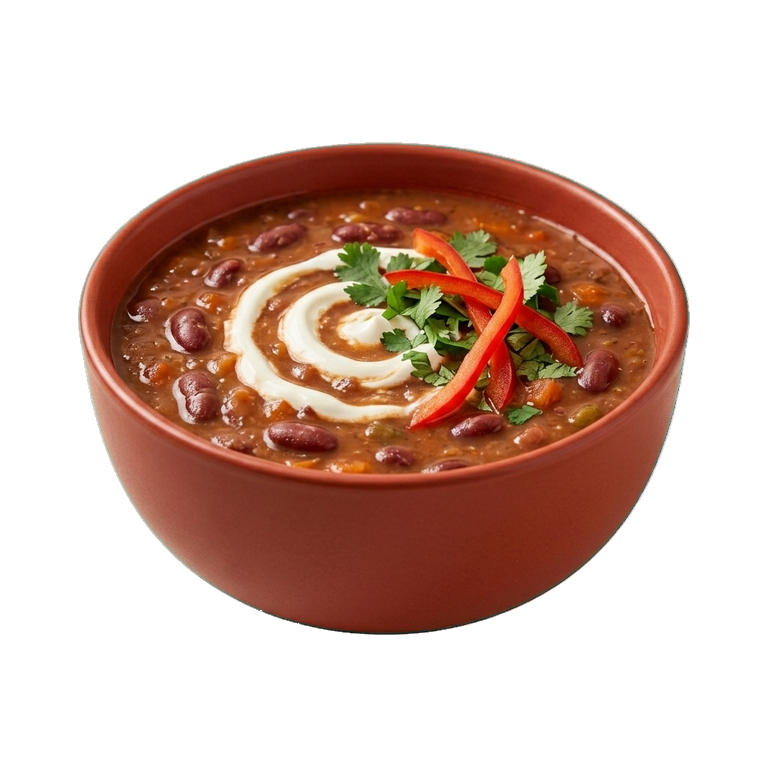
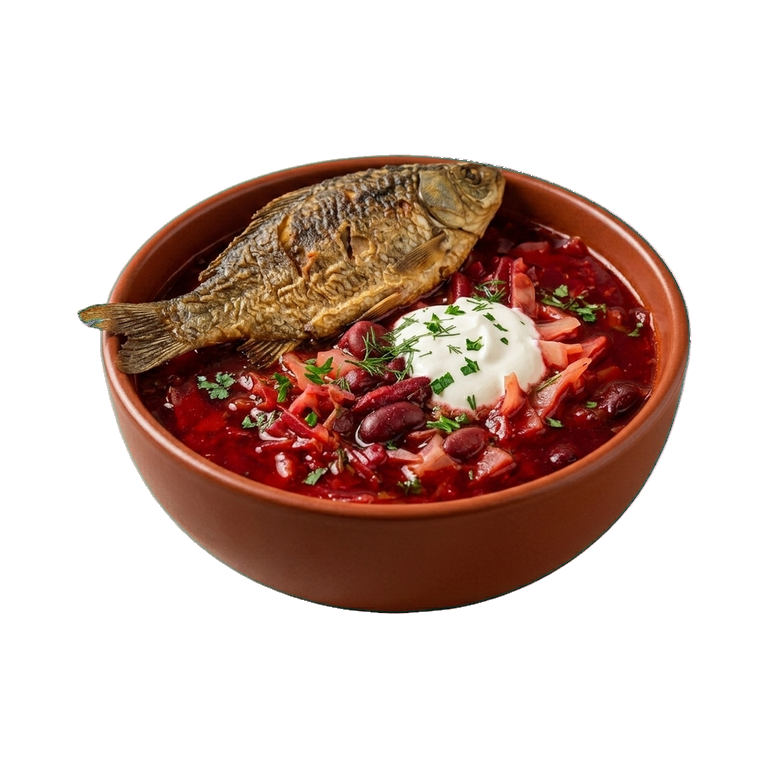
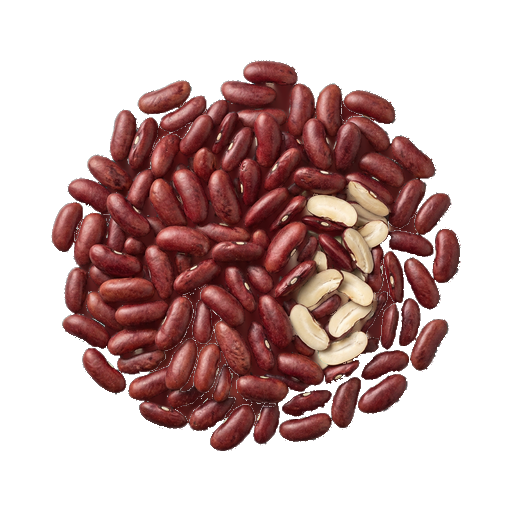
Red beans are a nutritious legume product with a soft texture and slightly sweet, earthy flavor. They absorb the aromas of spices and broth well, making them ideal for soups, stews, chili, and salads. When selecting, prefer whole grains without cracks, and before cooking, soak them in cold water for several hours to reduce cooking time and improve digestibility.
Micronutrients
per 100 g
About
Red beans are one of the most versatile legumes in the kitchen. Their dense structure holds its shape well during cooking, the flesh becomes tender but doesn't fall apart. The taste is mild, slightly sweet, without sharp notes. This is exactly why beans are easily incorporated into different dishes: from soups to side dishes and even desserts.
Aroma and Flavor Profile
Dried beans have almost no smell, but when cooked, a subtle, slightly nutty aroma unfolds. The taste is neutral, which allows it to absorb spices and sauces. It works well both in spicy dishes with chili and garlic, and in sweet dishes — for example, in puree with cinnamon or in pâtés.
Role in dishes and pairings
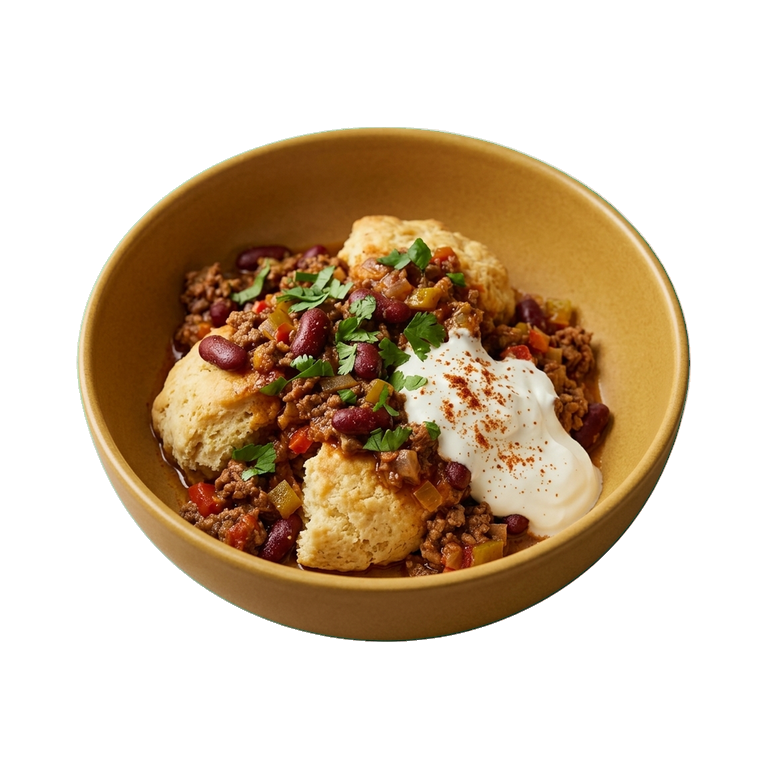
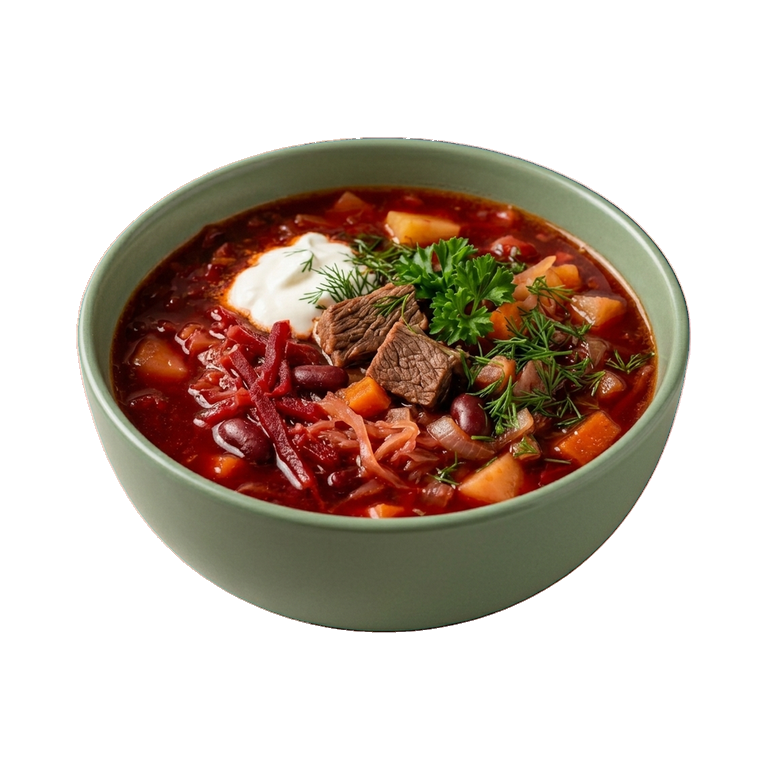
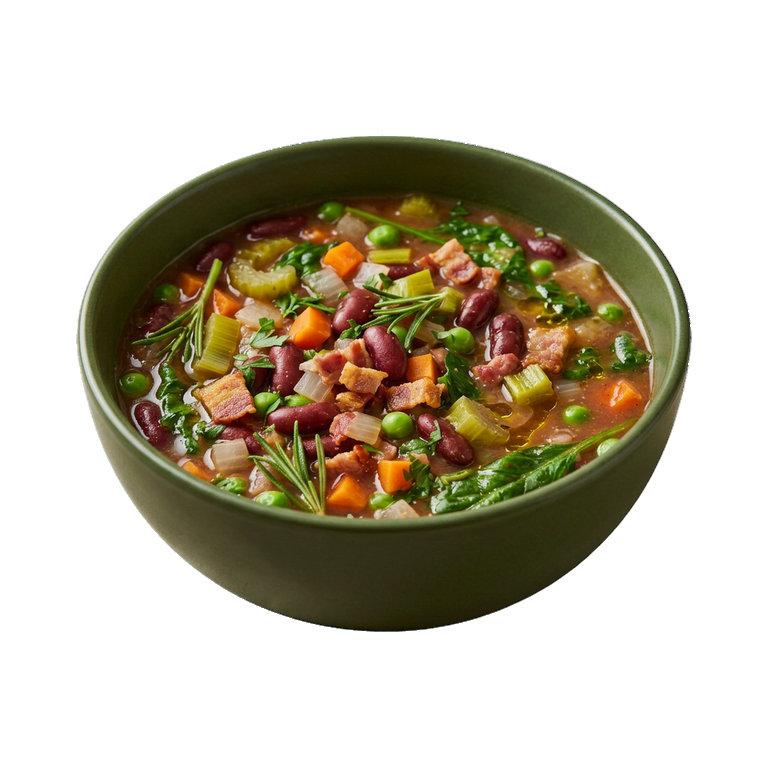
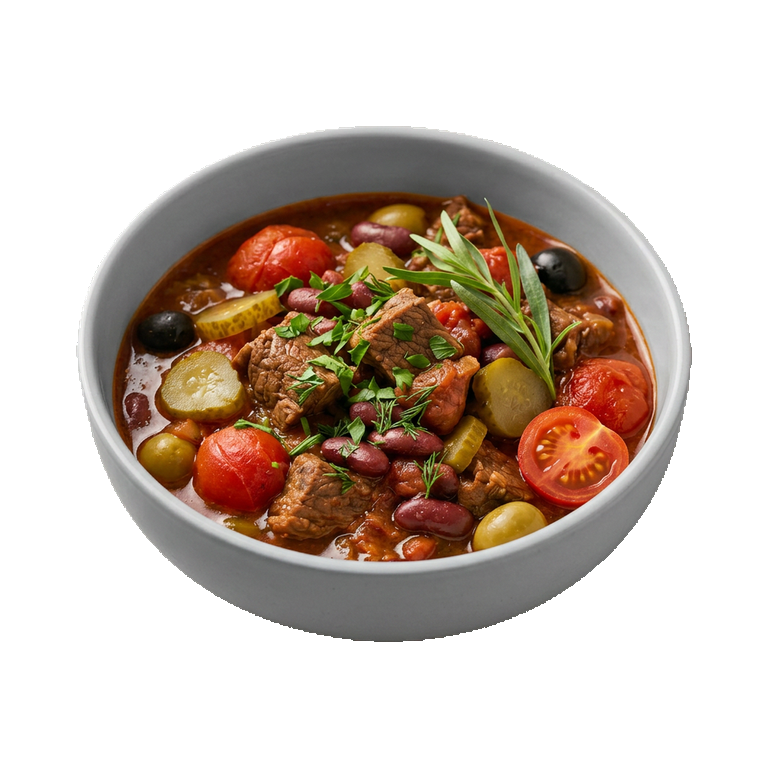
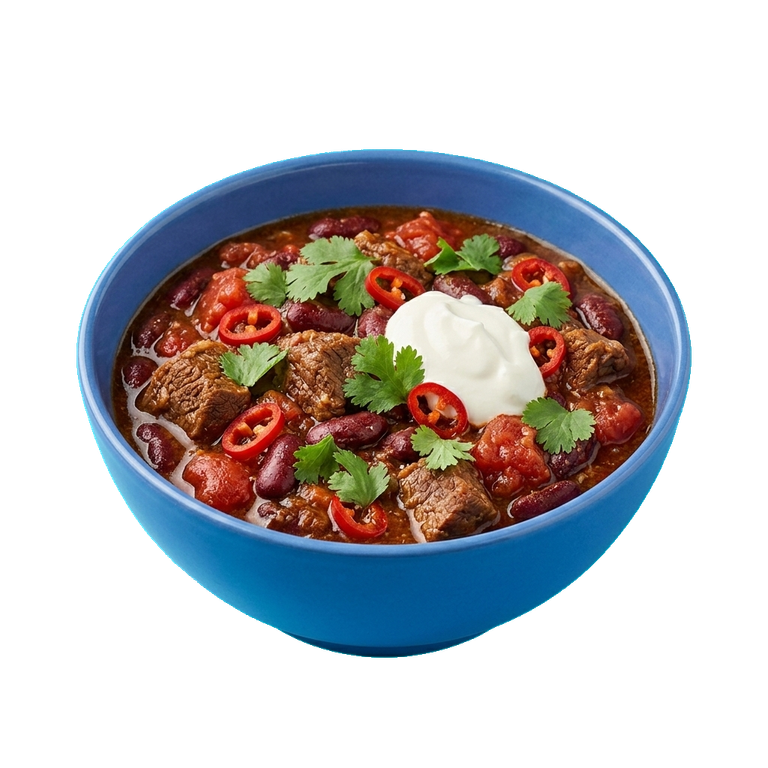
- Soups and stews — beans serve as the base, providing thickness and nutrition
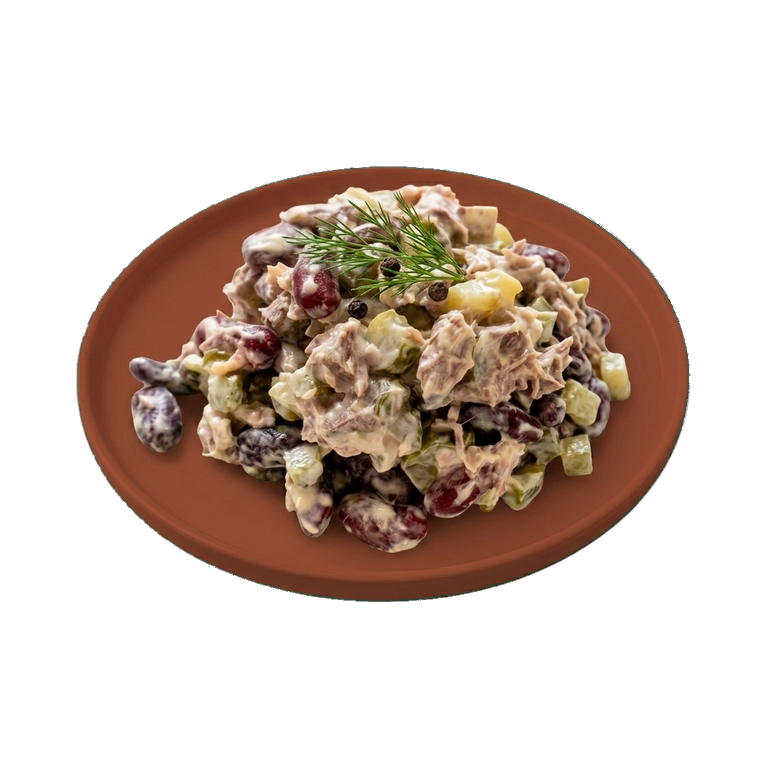
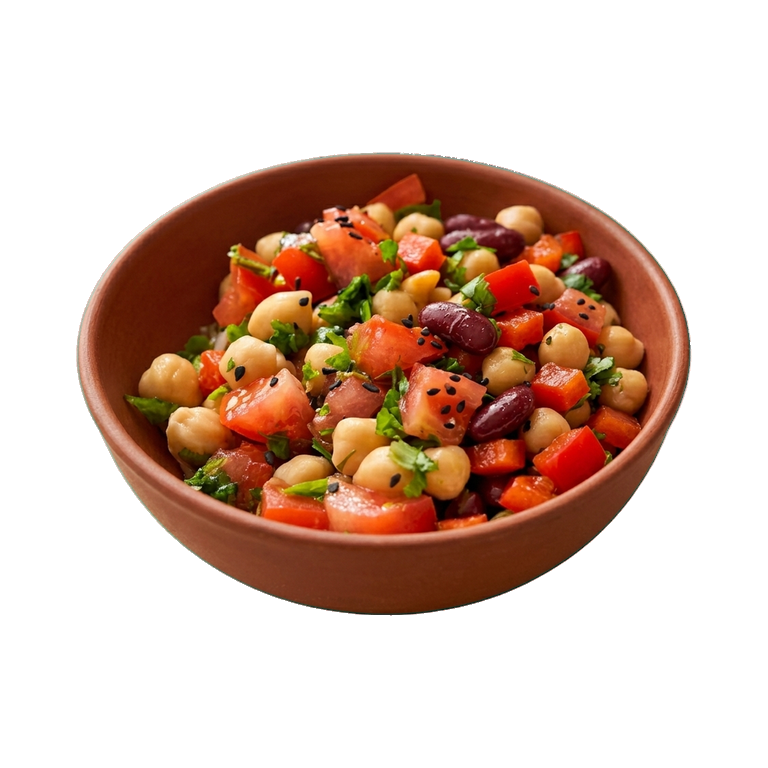
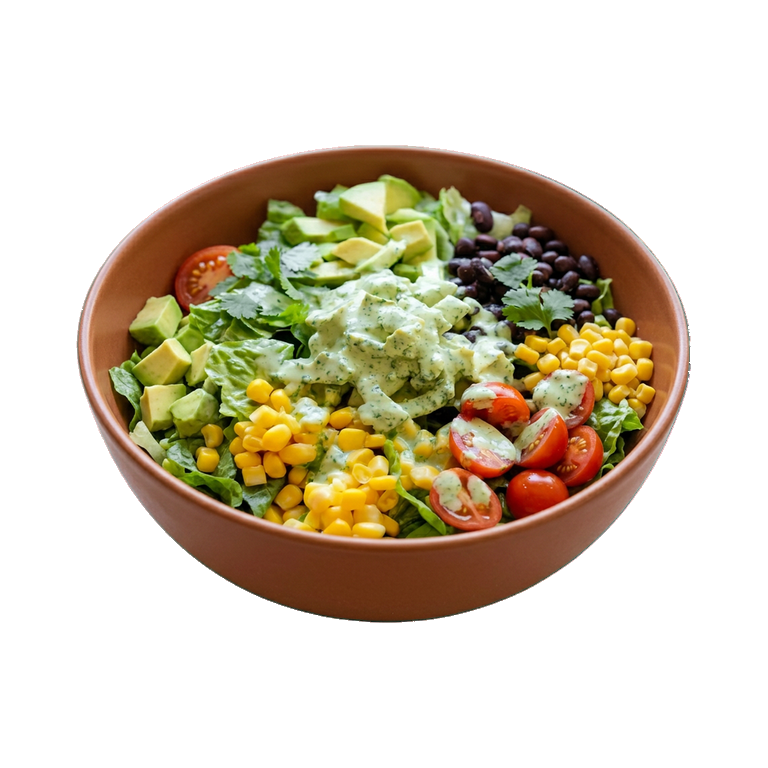
- Salads — cold red beans pair well with vegetables, olive oil, and lemon
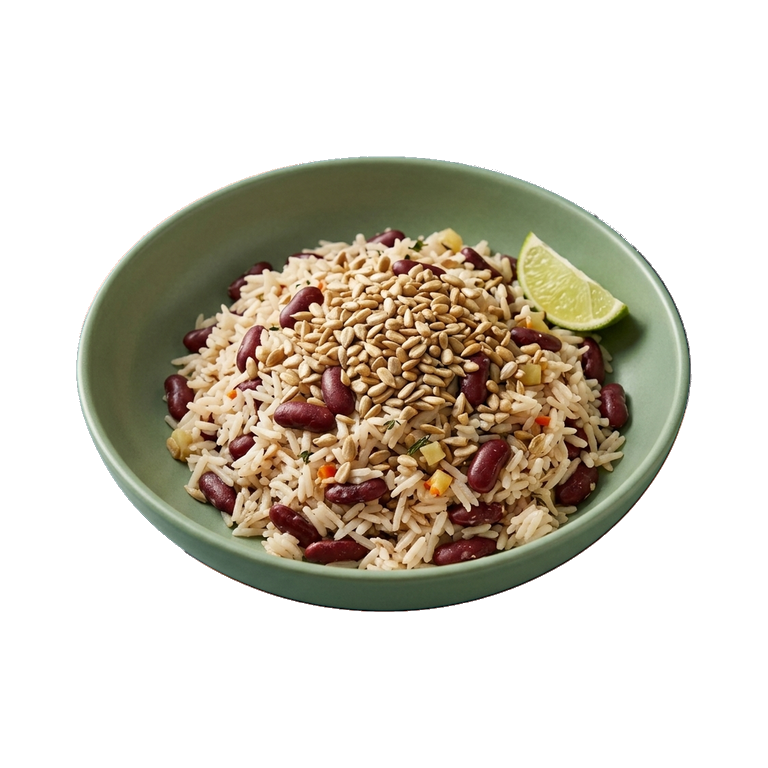
- Side dishes — cooked beans with onions and tomatoes or in a spicy sauce
- Spreads and pastes — pureed beans become the foundation for appetizers
- Baking and sweet dishes — bean flour or puree is added to bread, cakes, and candies
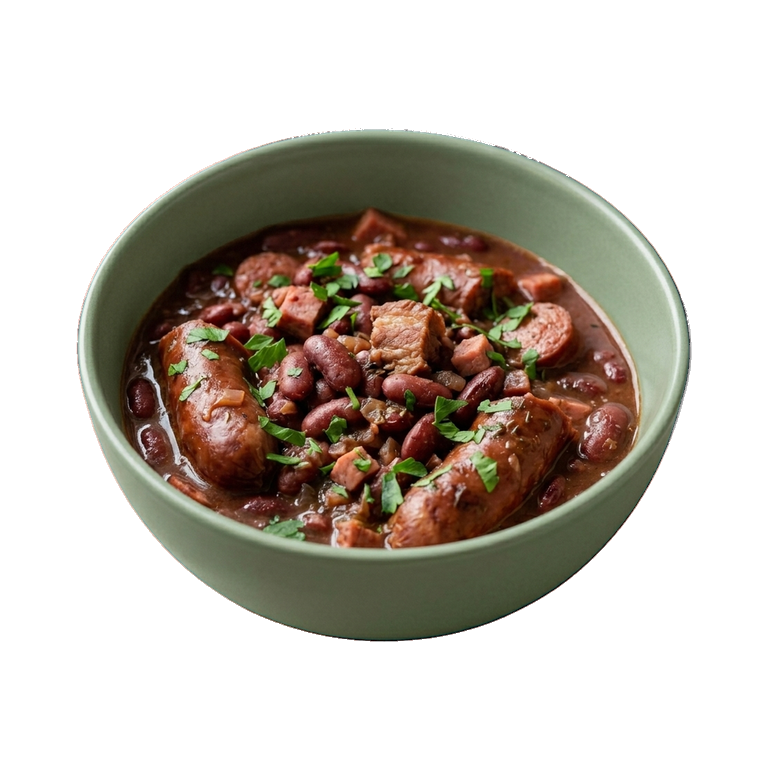
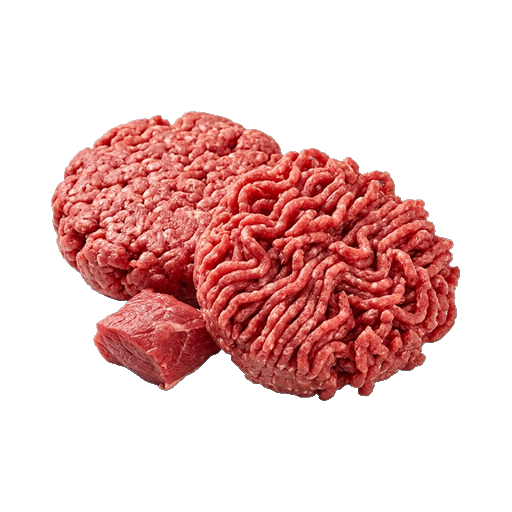
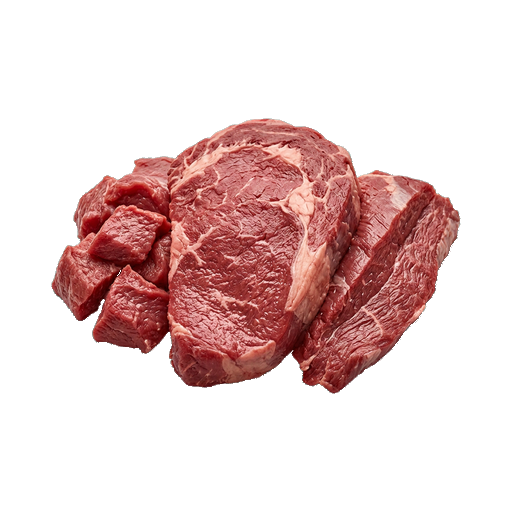
Red beans pair perfectly with tomatoes, onions, garlic, pepper, cilantro, and cumin. Works well with meat, especially beef and lamb, and goes great with other vegetables — carrots, celery, and eggplant.
Selection and Preparation
When buying, look at the color — it should be evenly red, without gray coating or spots. The beans should not be wrinkled or cracked. Before cooking, sort through the beans, remove debris, and rinse with cold water.
- Soak the beans in cold water for 6–8 hours or overnight — this reduces cooking time and improves digestion
- Drain the water, add fresh water in a 1:3 ratio
- Cook for 45–60 minutes until soft (cooking time depends on the age of the beans)
- Salt at the end of cooking — this helps preserve the texture
Storage
Store dried beans in an airtight container or glass jar in a cool, dark place. With proper storage, it retains its quality for several years. Cooked beans can be kept in the refrigerator for up to five days in an airtight container or frozen for several months.
Red beans are a source of plant-based protein, fiber, and iron. They are filling and economical, which is why they often become the foundation of budget-friendly yet nutritious lunches.
Nutrition
per 100 g
- Calories
- 127 kcal
- Protein
- 8.7 g
- Fat
- 0.3 g
- Carbs
- 23.1 g
Micronutrients
per 100 g
Macronutrients
- Fiber
- 4 g
- Water
- 0 g
Minerals
- Potassium
- 1540 mg
- Calcium
- 148 mg
- Magnesium
- 152 mg
- Phosphorus
- 380 mg
- Iron
- 5.05 mg
- Zinc
- 2.84 mg
- Copper
- 0.96 mg
- Manganese
- 1.93 mg
Measures and weight
- 1 tbsp
- 12.8 g
- 1 tsp
- 4.3 g
- 1 cup
- 212.5 g
- 1 can
- 400 g
Measure calculator
- Weight
- 100 g
- Calories
- 127 kcal