Usuba
Usuba
Lettuce
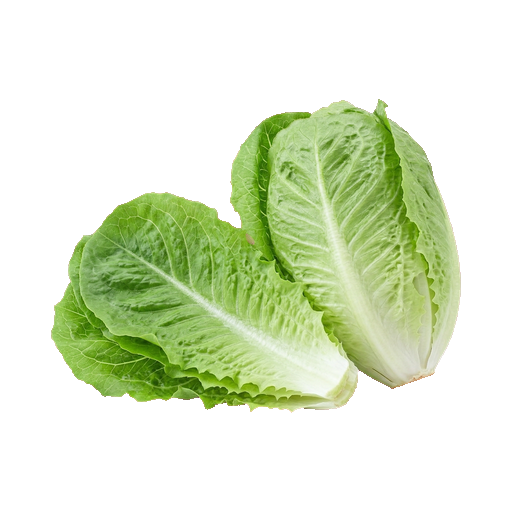
Lettuce is a leafy salad green with tender, slightly wavy leaves in light green or yellow shades. It has a mild, slightly sweet taste with no bitterness and a delicate aroma. In cooking, it is primarily used fresh for salads, sandwiches, and garnishes, as it quickly loses its texture and flavor qualities when heated. When selecting lettuce, pay attention to leaf firmness and the absence of dark spots. Store lettuce in the refrigerator in an airtight container.
Micronutrients
per 100 g
Minerals
About
What is lettuce and why is it in salads
Lactuca is a leafy salad with a delicate structure and subtle, barely noticeable flavor. The leaves are fragile, almost transparent, with wavy edges. The plant grows quickly, making it easy to find in markets year-round. Its main advantage is the ability to absorb the flavors of dressings and ingredients it accompanies in a dish without overpowering them with its own taste.
Tenderness without character
The taste of lettuce is barely perceptible — slightly sweet, with grassy notes, but not bitter. This makes it possible to use it as a base for any salad: it doesn't compete with vegetables, cheese, or meat, but serves as a neutral backdrop. The texture is crispy yet not tough, which is important when mixing with delicate ingredients.
Where lettuce unfolds
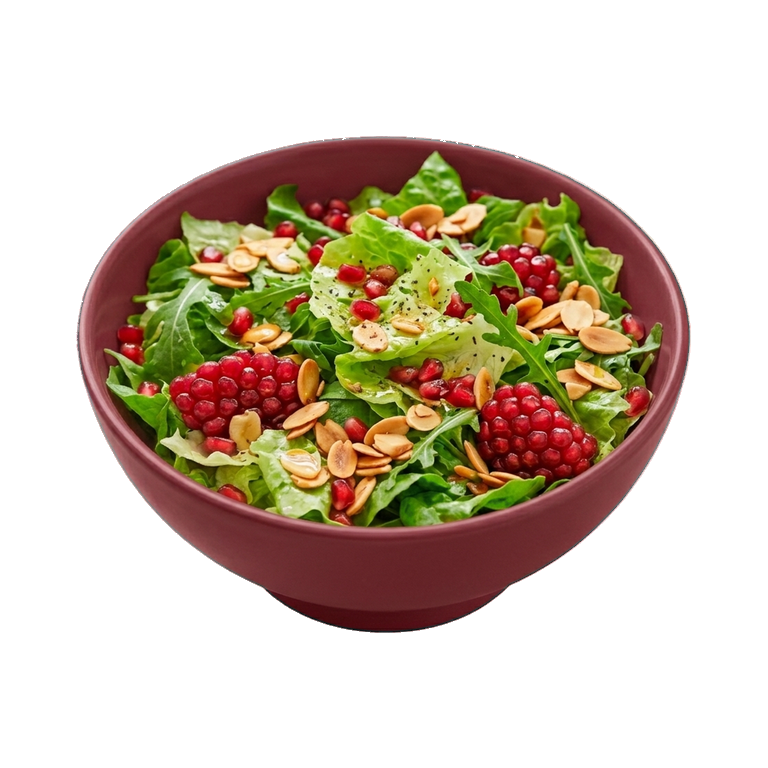
Lettuce is ideal for classic green salads with light dressings based on lemon juice or vinaigrette. It is often added to sandwiches and subs — it doesn't get soggy quickly and adds freshness. Thanks to its neutral flavor, the leaves work well in mixed salads with fruits, nuts, and soft cheeses.
Use lettuce as a base under fish or poultry — it won't compete with the main dish. You can also blanch it briefly in boiling water and use it instead of cabbage for light cabbage rolls or as a wrapper for rolls.
How to Choose and Store
Choose lettuce with firm, bright green leaves without any signs of wilting or brown spots. The head should be dense, but not hard as a rock. If the leaves are limp or yellowed — this is a sign that the plant has been lying around for a long time.
Storage
- Place lettuce in a bag or container in the refrigerator — it will keep for 5–7 days
- Before using, rinse the leaves with cold water and let them dry or pat with a paper towel
- Don't cut lettuce in advance — break it by hand right before serving to keep it crispy
- Store separately from tomatoes and avocados, which release ethylene and accelerate wilting
Lettuce is a versatile kitchen helper when you need freshness without excessive flavor. It doesn't require special skills and works in any salad where other ingredients play the leading roles.
Nutrition
per 100 g
- Calories
- 15 kcal
- Protein
- 1.2 g
- Fat
- 0.2 g
- Carbs
- 2.9 g
Micronutrients
per 100 g
Macronutrients
- Water
- 94.01 g
Minerals
- Sodium
- 28.88 mg
- Potassium
- 277.1 mg
- Calcium
- 39.84 mg
- Magnesium
- 12.77 mg
- Phosphorus
- 26.55 mg
- Iron
- 0.32 mg
- Zinc
- 0.31 mg
- Copper
- 0.04 mg
- Manganese
- 0.16 mg
Vitamins
- Vitamin K
- 118.5 mcg
- Vitamin C
- 15.15 mg
- Vitamin B1 (thiamin)
- 0.08 mg
- Vitamin B3 (niacin)
- 0.38 mg
- Vitamin B6
- 0.07 mg
Measures and weight
- 1 pcs
- 200 g
- 1 head
- 300 g
- 1 bunch
- 150 g
- 1 slice
- 20 g
Measure calculator
- Weight
- 100 g
- Calories
- 15 kcal