Usuba
Usuba
Millet
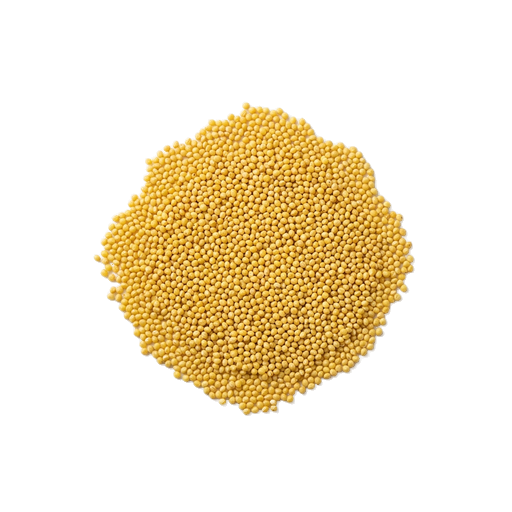
Millet is a grain made from millet seeds, distinguished by its golden color and sweet, slightly nutty flavor. When cooked, the grains remain fluffy and absorb the taste of broth or oil, making the grain work well in side dishes, porridges, and soups. Choose millet with a bright yellow hue — this is a sign of freshness, while a dull or gray color indicates oxidation and loss of beneficial properties.
Micronutrients
per 100 g
Minerals
About
Millet is a cereal made from millet grains that are cleaned of their husks and crushed. In the kitchen, it works as a universal helper: it cooks quickly, absorbs the flavors of neighboring ingredients, holds its shape, and doesn't fall apart. The yellow color and light nutty aroma make millet dishes pleasant to look at and taste.
Taste and Aroma
Millet has a soft, slightly sweet taste with barely noticeable nutty notes. When cooked, the grain becomes tender but retains a slight crumbly texture — this is the main difference from semolina or rice. The aroma is subtle and pleasant, becoming more pronounced when the grains are roasted before cooking.
How to cook and what to pair with
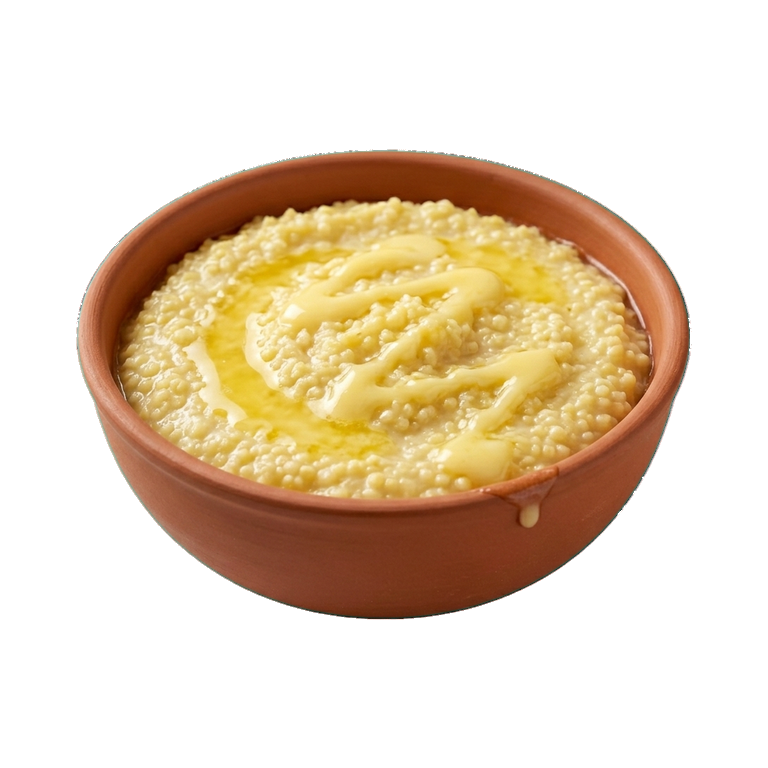
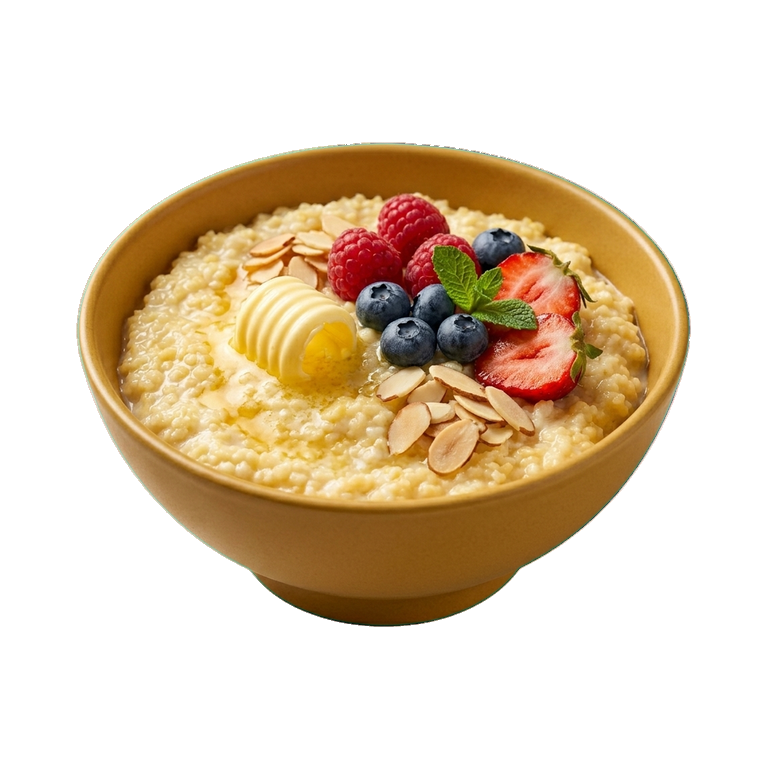
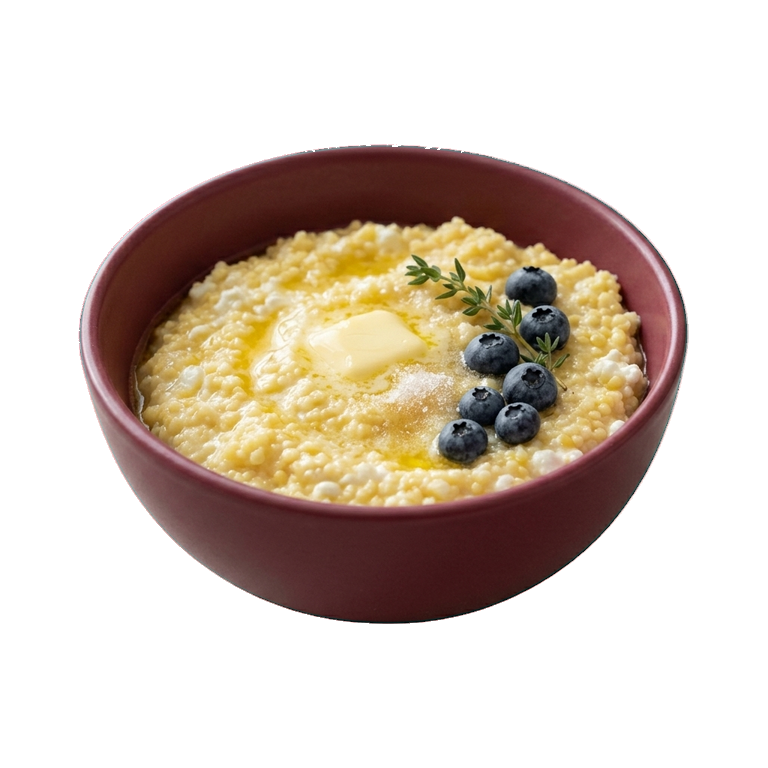
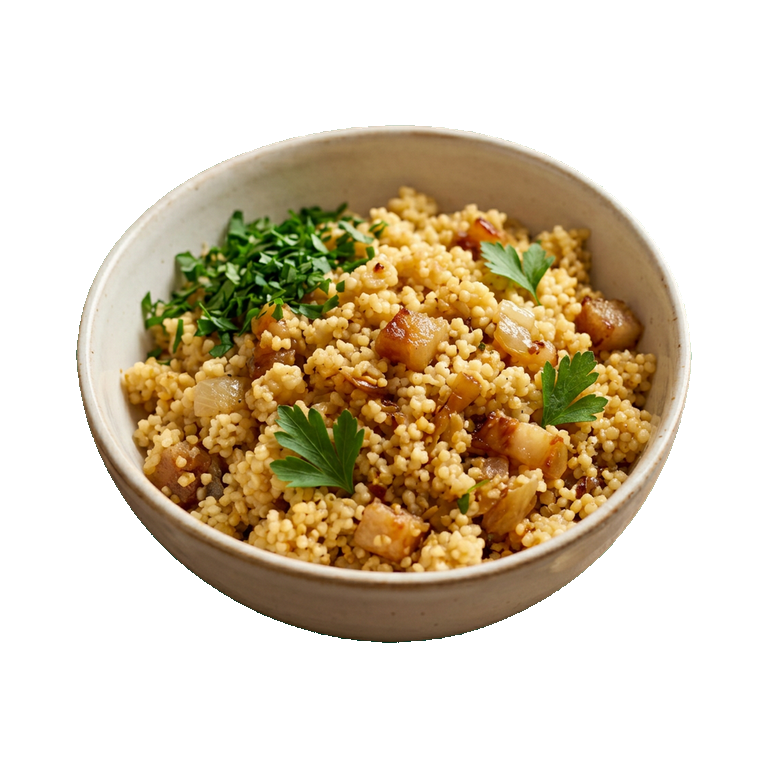
- Porridges: milk porridge for breakfast, side dish for meat or vegetables, base for casseroles
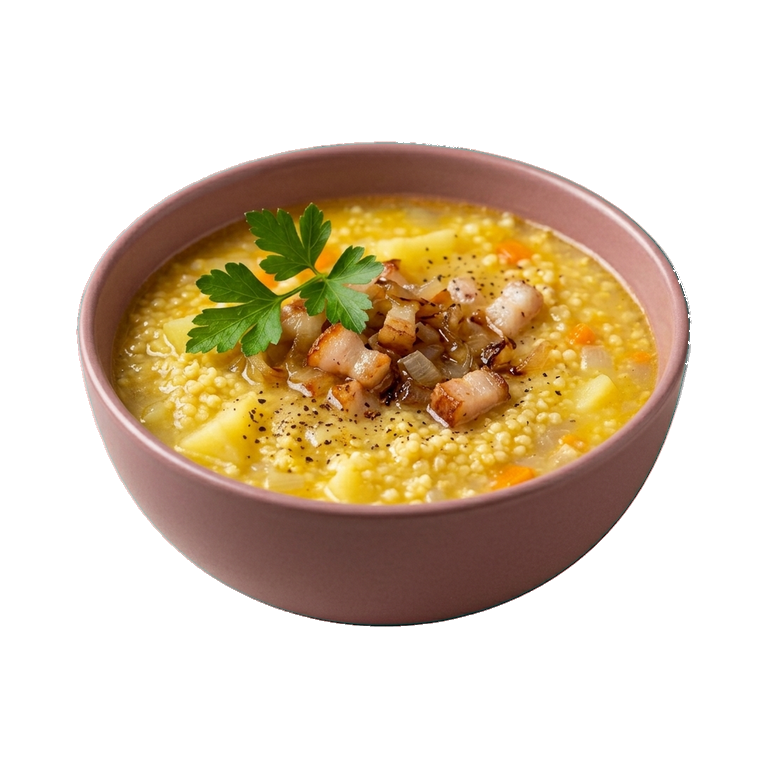
- Soups and stews: millet adds satiety and creates a creamy texture
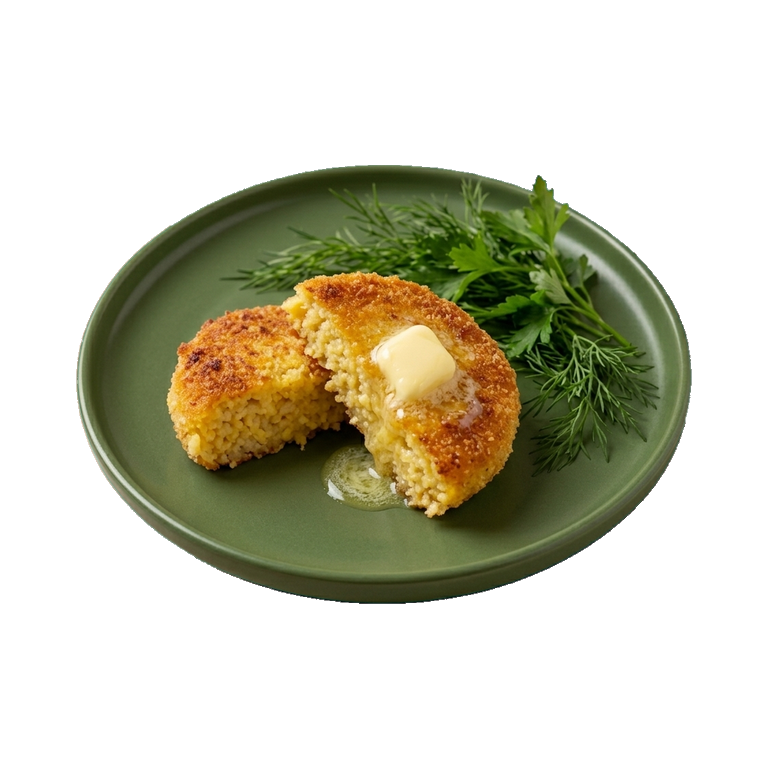
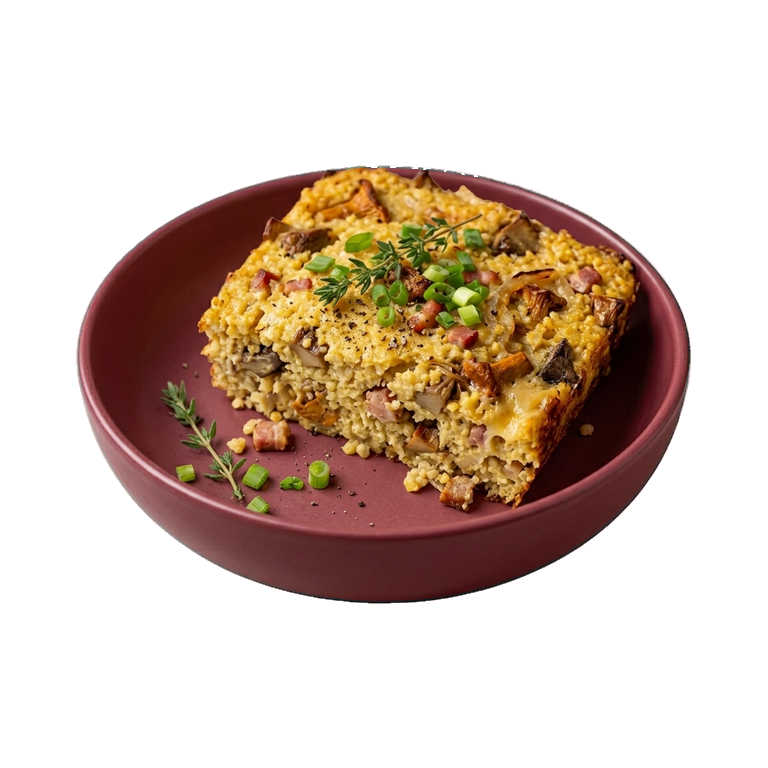
- Cutlets and patties: mix with ground meat or mushrooms
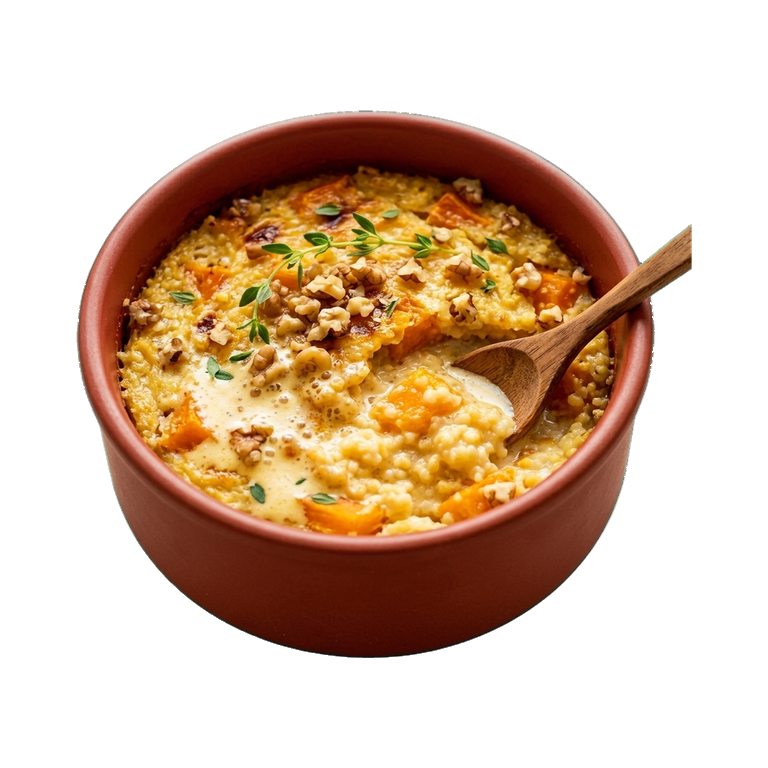
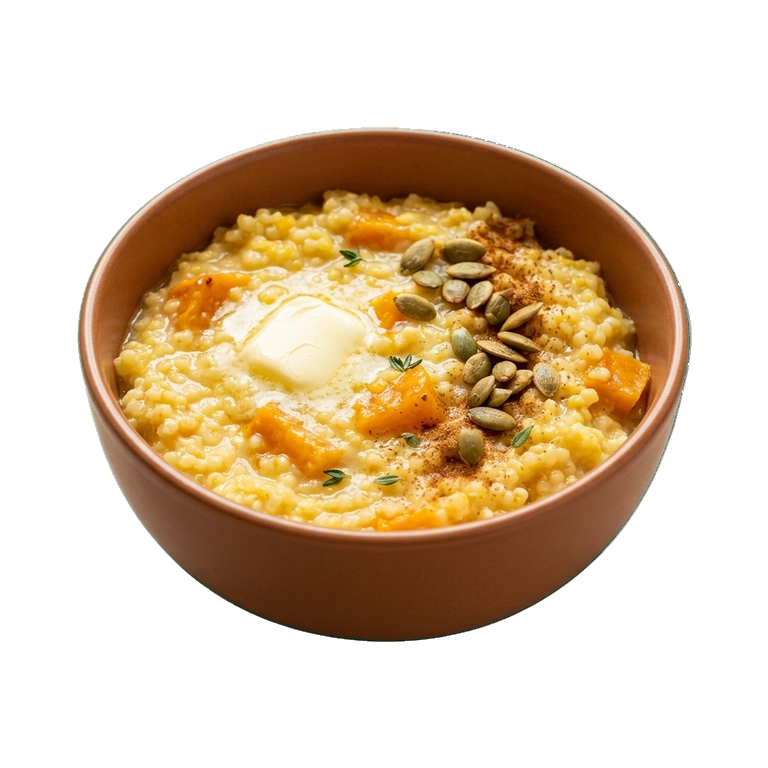
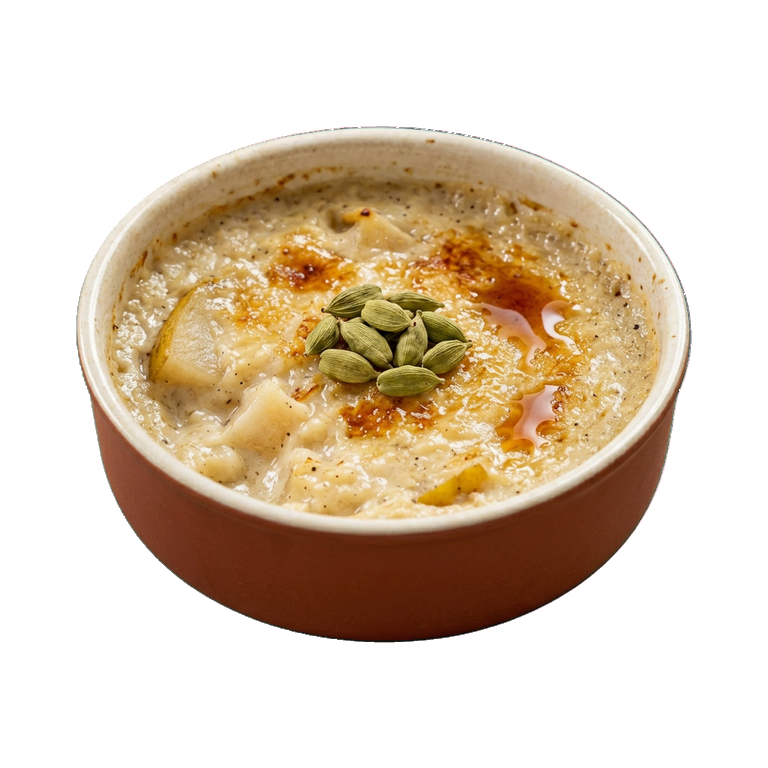
- Sweet dishes: porridge with pumpkin, fruits, honey or sugar
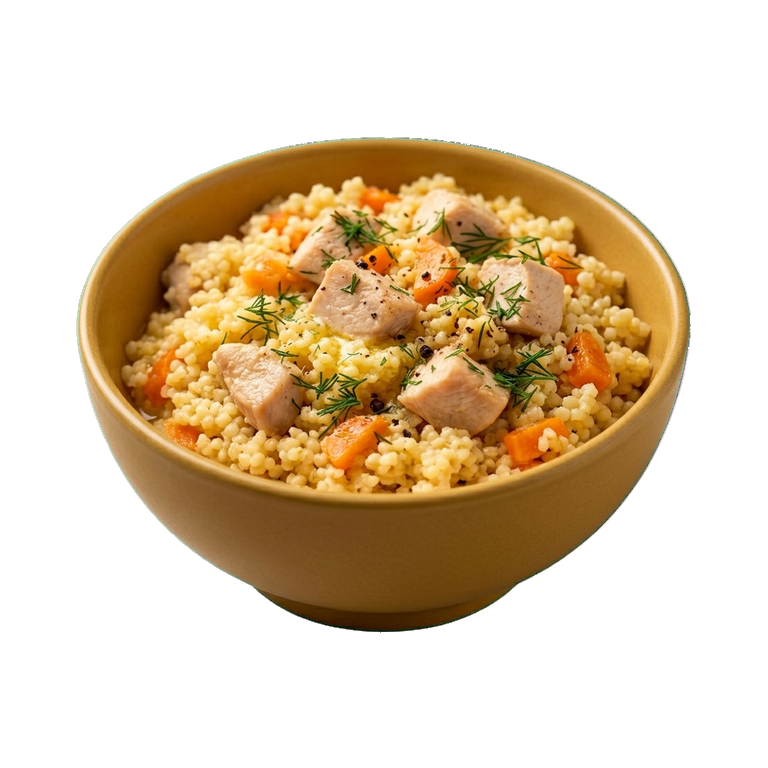
Millet pairs well with milk, butter, pumpkin, apples, carrots, onions, and chicken broth. It can be enhanced with a pinch of salt, black pepper, or cinnamon. The grain doesn't conflict with either vegetables or meat — that's its main advantage.
Selection and Storage
When buying, pay attention to the color: quality millet is bright yellow or golden. A dull gray tint indicates age or improper storage. The grains should be dry, without lumps and foreign odors. Check the packaging date — fresh millet cooks faster and tastes better.
Store millet in an airtight container in a cool, dry place — under such conditions it will last for several months. Before cooking, be sure to sort through the grain and rinse it several times in cold water: this will remove dust and film residue. The standard proportion is one part millet to two to three parts liquid, depending on the desired consistency.
If you want to get crumbly porridge, roast millet in a dry pan for 2–3 minutes before cooking. This will enhance the nutty flavor and improve the structure of the grains.
Nutrition
per 100 g
- Calories
- 342 kcal
- Protein
- 11.3 g
- Fat
- 3.3 g
- Carbs
- 69.3 g
Micronutrients
per 100 g
Macronutrients
- Fiber
- 2.619 g
- Water
- 10.21 g
Minerals
- Sodium
- 0 mg
- Potassium
- 214.1 mg
- Calcium
- 9.11 mg
- Magnesium
- 105.5 mg
- Phosphorus
- 257.9 mg
- Iron
- 2.53 mg
- Zinc
- 2.26 mg
- Copper
- 0.49 mg
- Manganese
- 0.92 mg
- Selenium
- 23.1 mcg
Vitamins
- Vitamin B1 (thiamin)
- 0.41 mg
- Vitamin B2 (riboflavin)
- 0.14 mg
- Vitamin B3 (niacin)
- 4.86 mg
- Vitamin B6
- 0.19 mg
Measures and weight
- 1 tbsp
- 11.3 g
- 1 tsp
- 3.8 g
- 1 cup
- 187.5 g
Measure calculator
- Weight
- 100 g
- Calories
- 342 kcal