Usuba
Usuba
Morels
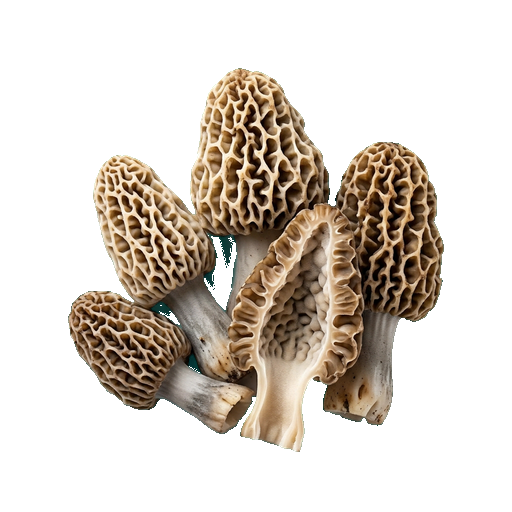
Morels are delicate spring mushrooms with a characteristic honeycomb cap and hollow stem, featuring a tender nutty aroma and mild earthy flavor. In cooking, they are prized for their ability to absorb sauces and oil, making them ideal for braising, frying, and adding to soups and risotto. When selecting, prefer young mushrooms of medium size, be sure to clean them thoroughly from sand by rinsing under running water, and boil for a few minutes before use, as raw morels contain toxins that are destroyed by heat treatment.
Micronutrients
per 100 g
Minerals
About
Morels are mushrooms that appear in early spring and immediately become a prized find for mushroom hunters. They are recognized by their characteristic honeycomb-like cap, reminiscent of a miniature brain, and hollow stem. This is a delicacy valued for its delicate nutty flavor and meaty texture. In cooking, morels require special care, but the result is worth the effort.
Taste and Aroma
Morels have a delicate, slightly nutty flavor with earthy notes. The aroma is subtle and not overpowering, which allows them to blend well into various dishes without dominating. The flesh texture is firm and elastic, and with proper preparation, the mushrooms do not fall apart and hold their shape.
Preparation and Processing
Main rule: morels cannot be eaten raw. They contain substances that are destroyed during heat treatment. Before cooking, the mushrooms need to be thoroughly rinsed under running water, as sand and debris accumulate in the honeycomb structure of the cap. Then they are boiled for 10–15 minutes in salted water, the liquid is drained, and only then are they used in recipes.
- Rinse under running water, gently separating the honeycomb structure
- Boil in salted water for 10–15 minutes
- Drain the broth and let the mushrooms cool
- Use in finished dishes or fry in oil
Role in dishes
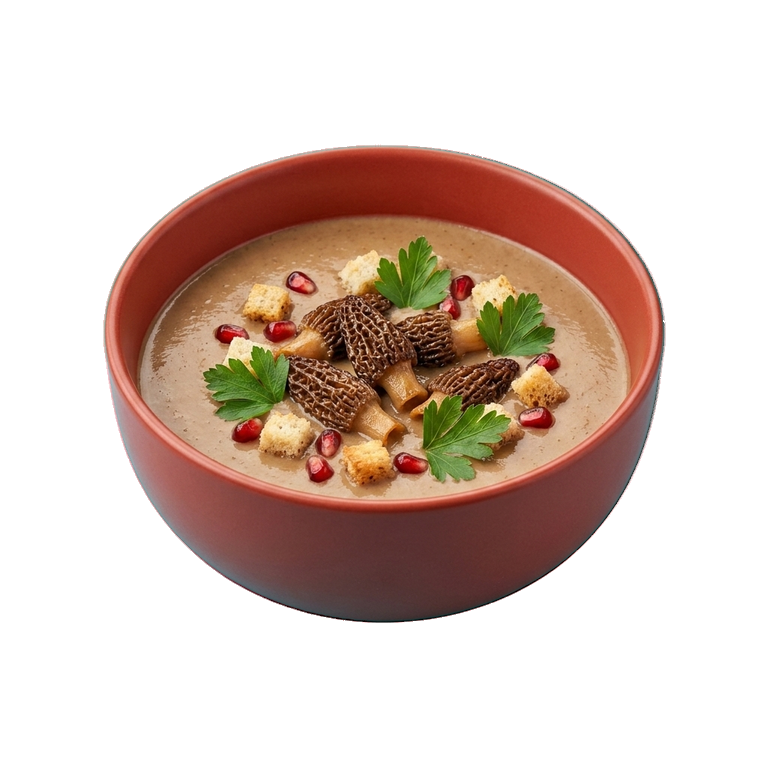
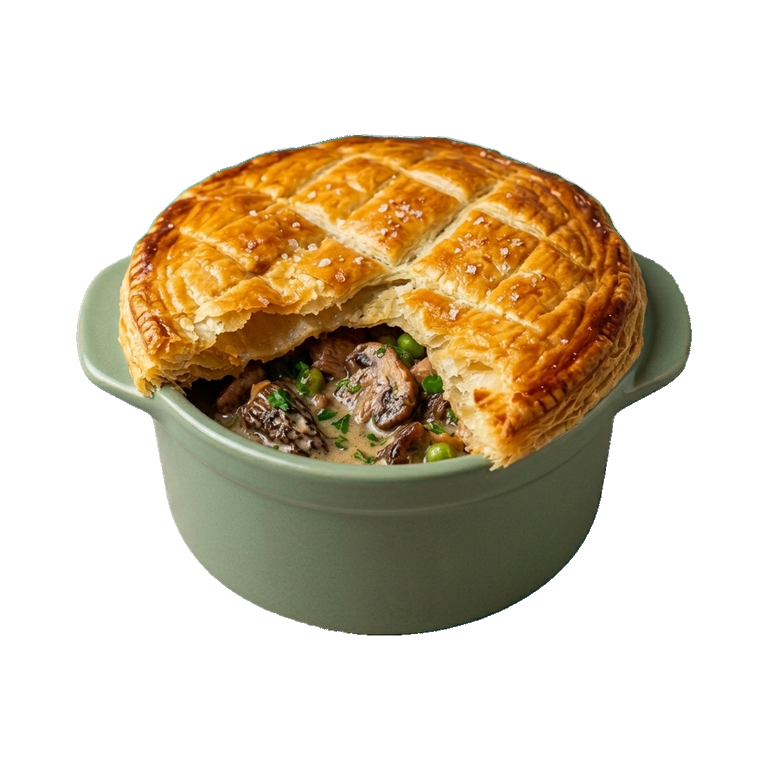
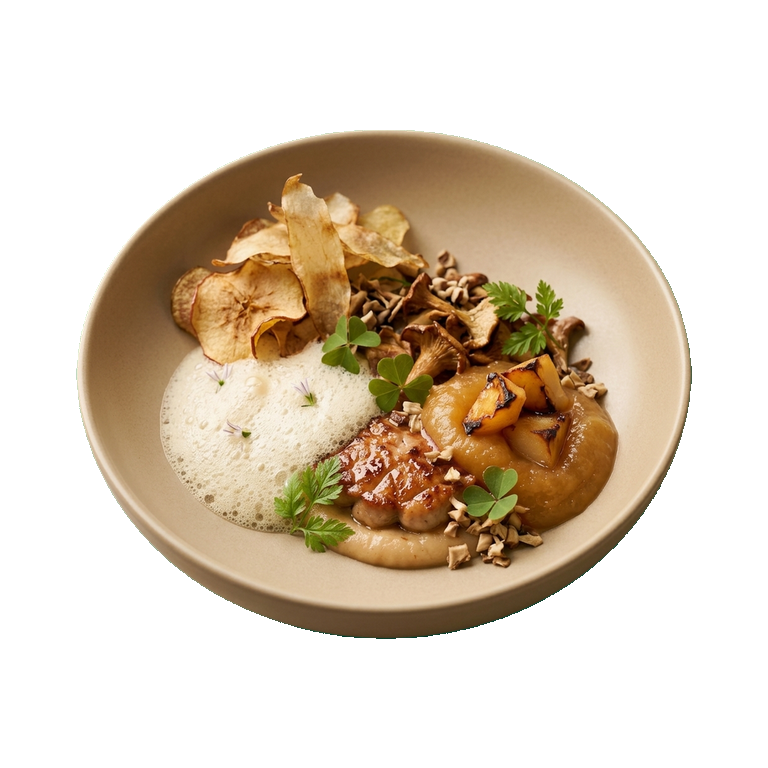
Morels are excellent in spring soups, where their delicate flavor doesn't get lost but instead enriches the broth. They work wonderfully in creamy sauces, omelets and scrambled eggs, and risotto. Thanks to their dense structure, mushrooms hold their shape when sautéed, so they can be served as a standalone dish with butter and herbs.
Pairings
- Butter and cream — a classic combination that emphasizes the delicacy of mushrooms
- Eggs — omelets and fried eggs with morels — spring classics
- White wine — adds acidity and lightness to the dish
- Shallots and garlic — delicate aromas that don't overpower the mushrooms
- Fresh herbs — dill, parsley, tarragon emphasize the spring character
Selection and Storage
Morels are a seasonal mushroom that appear in April–May. Choose young specimens with a firm cap free from damage and darkening. Fresh mushrooms are stored in the refrigerator for no more than 2–3 days in a paper bag or container to prevent condensation. If morels are boiled, they can be frozen in an airtight container for several months.
Dried morels are a convenient way to preserve this delicacy for winter. They are dried in an oven at low temperature or in a food dehydrator. Before use, dried mushrooms are soaked in warm water for 20–30 minutes, and the resulting infusion is added to the dish for depth of flavor.
Nutrition
per 100 g
- Calories
- 31 kcal
- Protein
- 3.1 g
- Fat
- 0.5 g
- Carbs
- 4.1 g
Micronutrients
per 100 g
Macronutrients
- Fiber
- 2.8 g
- Sugars
- 0.6 g
- Saturated fat
- 0.065 g
- Monounsaturated fat
- 0.052 g
- Polyunsaturated fat
- 0.433 g
- Omega-3 (EPA + DHA)
- 0 g
- Water
- 89.61 g
Minerals
- Sodium
- 21 mg
- Potassium
- 411 mg
- Calcium
- 43 mg
- Magnesium
- 19 mg
- Phosphorus
- 194 mg
- Iron
- 12.18 mg
- Zinc
- 2.03 mg
- Copper
- 0.63 mg
- Manganese
- 0.59 mg
- Selenium
- 2.2 mcg
Vitamins
- Vitamin A (RAE)
- 0 mcg
- Vitamin D
- 5.1 mcg
- Vitamin B1 (thiamin)
- 0.07 mg
- Vitamin B2 (riboflavin)
- 0.21 mg
- Vitamin B3 (niacin)
- 2.25 mg
- Vitamin B5 (pantothenic acid)
- 0.44 mg
- Vitamin B6
- 0.14 mg
- Vitamin B9 (folate, DFE)
- 9 mcg
Measures and weight
- 1 pcs
- 15 g
Measure calculator
- Weight
- 100 g
- Calories
- 31 kcal