Usuba
Usuba
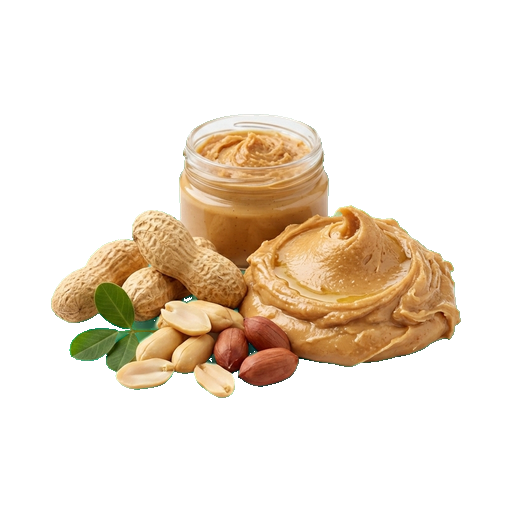
Peanut Butter
A thick paste made from ground peanuts with a characteristic nutty flavor and oily consistency. Used in both sweet and savory dishes: added to sauces, desserts, baked goods, smoothies, and snacks. When choosing, pay attention to the composition — quality paste contains only peanuts and salt, without added oil and sugar, though some manufacturers add stabilizers for convenient storage.
Micronutrients
per 100 g
Minerals
About
Peanut butter is roasted peanuts ground into a uniform mass. Its consistency varies from creamy and smooth to denser with chunks. For a chef, it's not just a spread for bread, but a versatile ingredient that works in both sweet and savory dishes, adding depth and satisfaction to them.
Taste and Aroma
A rich nutty flavor with a light sweetness and buttery texture — that's the main profile. Roasted peanuts give the paste warm, slightly caramel notes. The quality of the paste is determined by how well the raw material is processed: good paste smells like freshly roasted nuts, without bitterness and staleness.
Choose peanut butter without added sugar and vegetable oil if you're preparing serious dishes. Pure nut base integrates better into sauces, marinades, and dough without overpowering other flavors. If the ingredient list contains only peanuts and salt — that's exactly what you need.
Role in Dishes
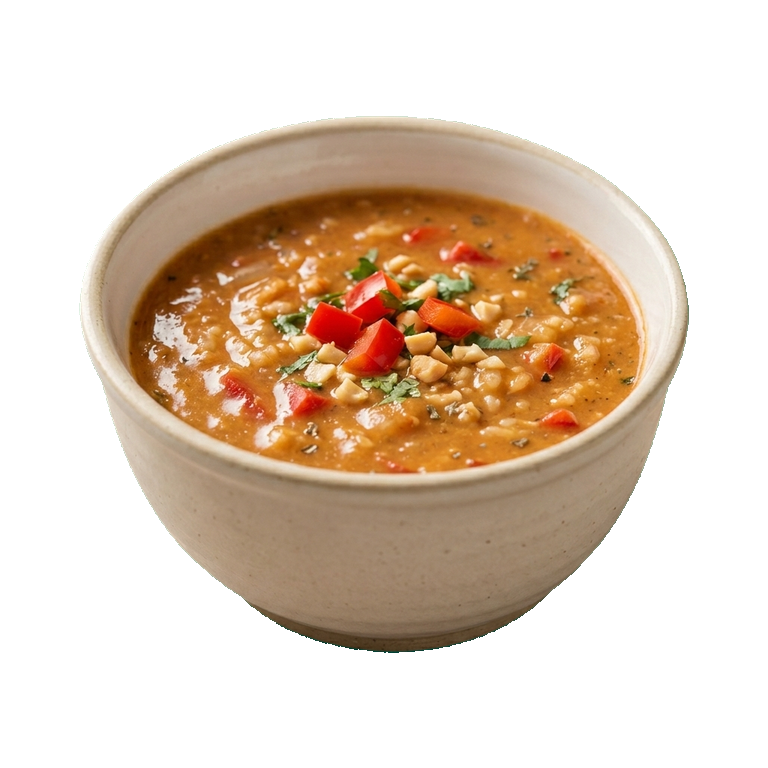
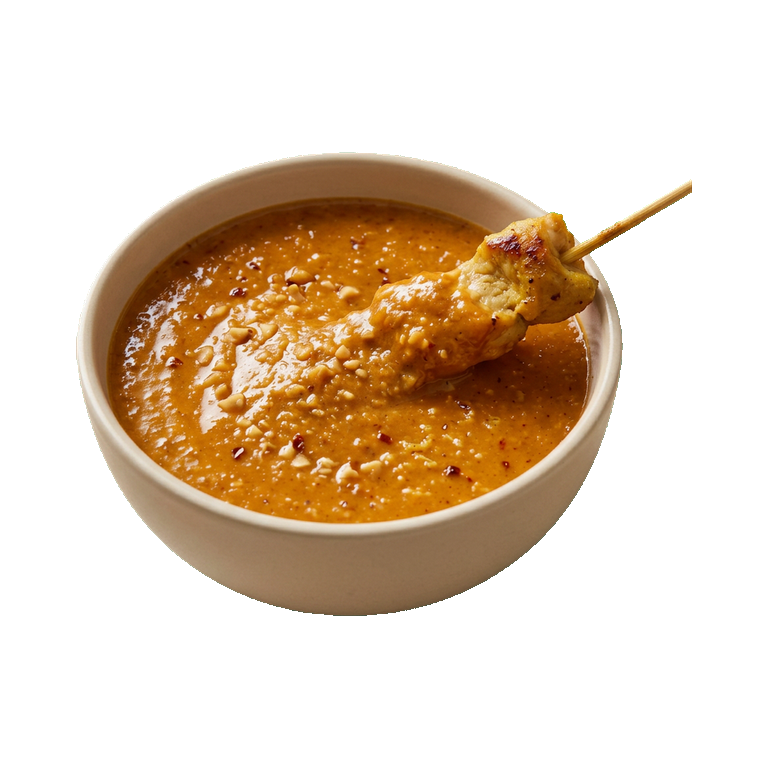
Paste works as a binding component in Asian sauces and dressings. A few tablespoons combined with soy sauce, lemon juice, and garlic create a marinade base for meat and vegetables. It thickens sauces, adds creaminess without cream, and gives body to a dish.
- Sauces for noodles and rice — paste is diluted with liquid and becomes the base
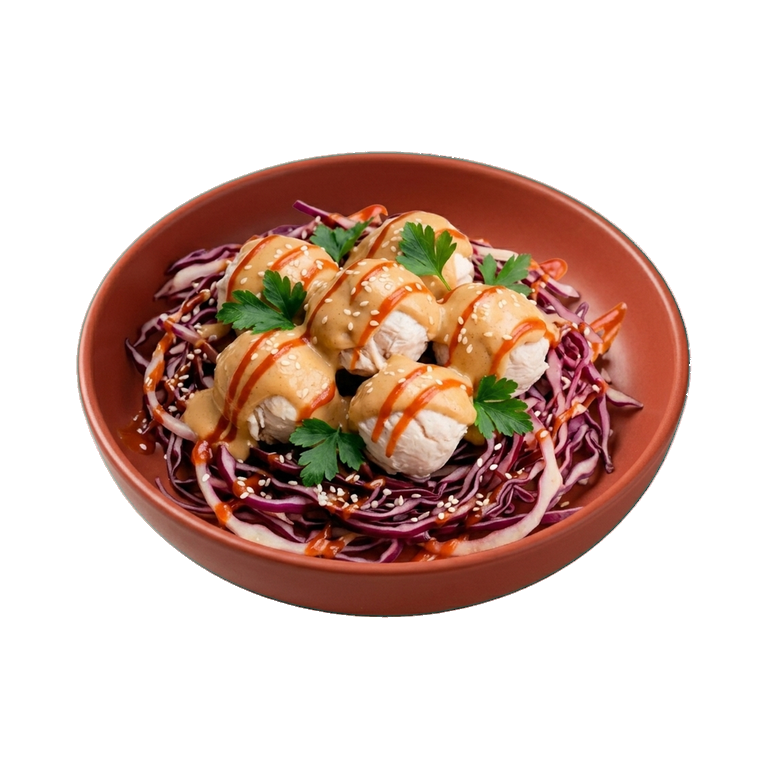
- Marinades for meat and poultry — adds depth and helps retain juiciness
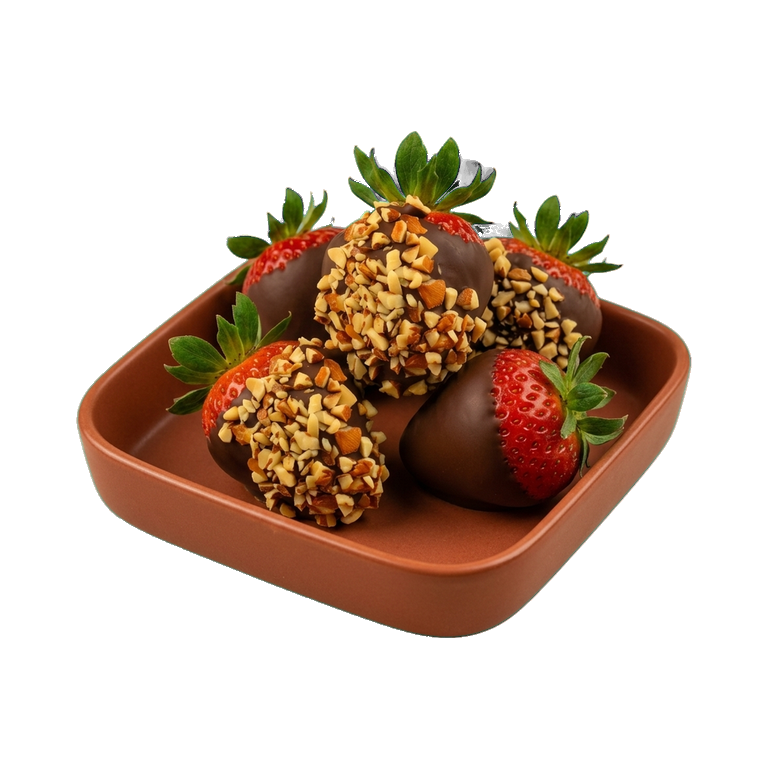
- Baking and desserts — cookies, cakes and bars get rich flavor and fluffy texture
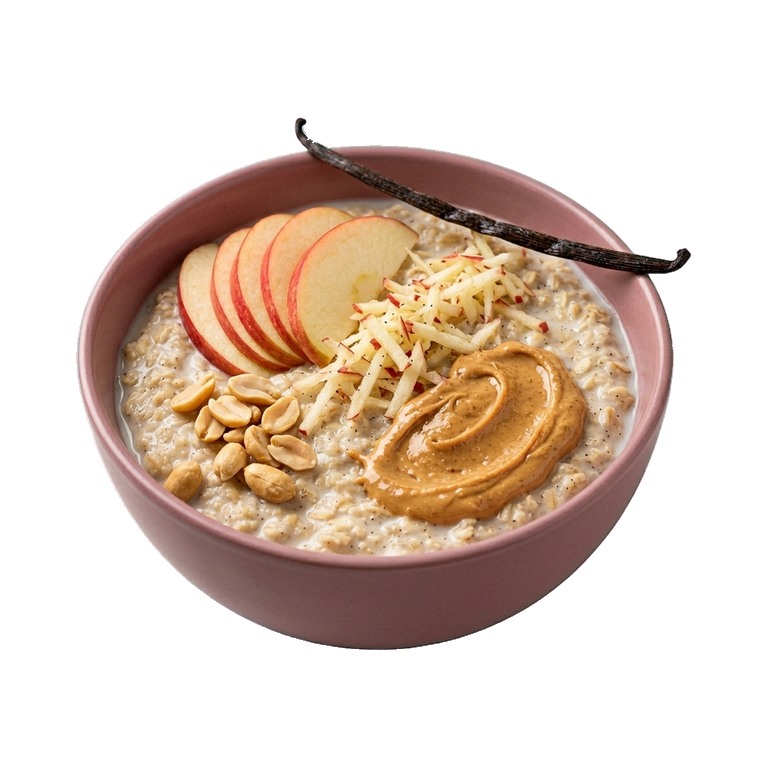
- Smoothies and drinks — adds satiety and creaminess
- Spread for bread and crackers — classic option, often with berries or honey
Successful Pairings
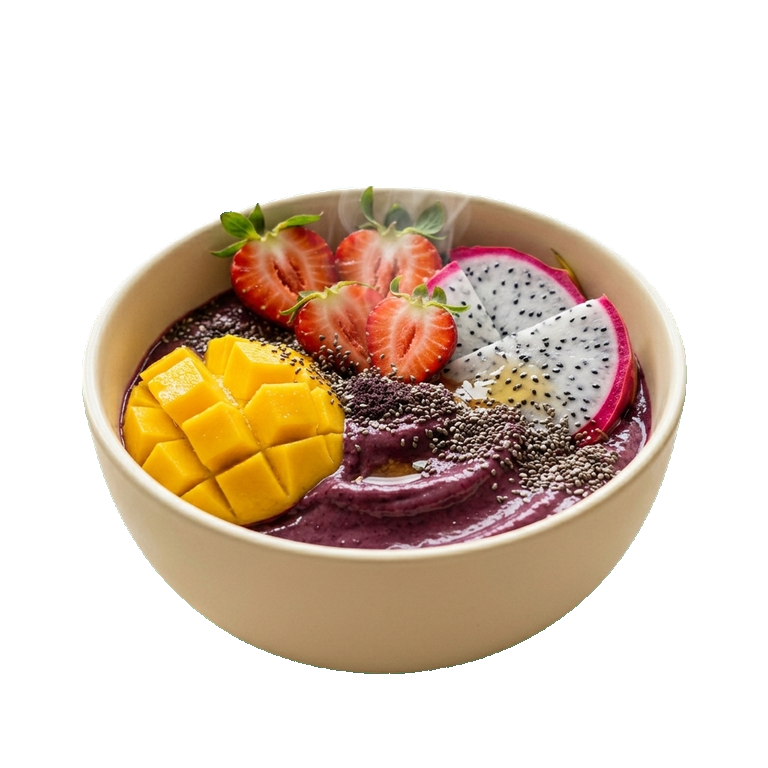
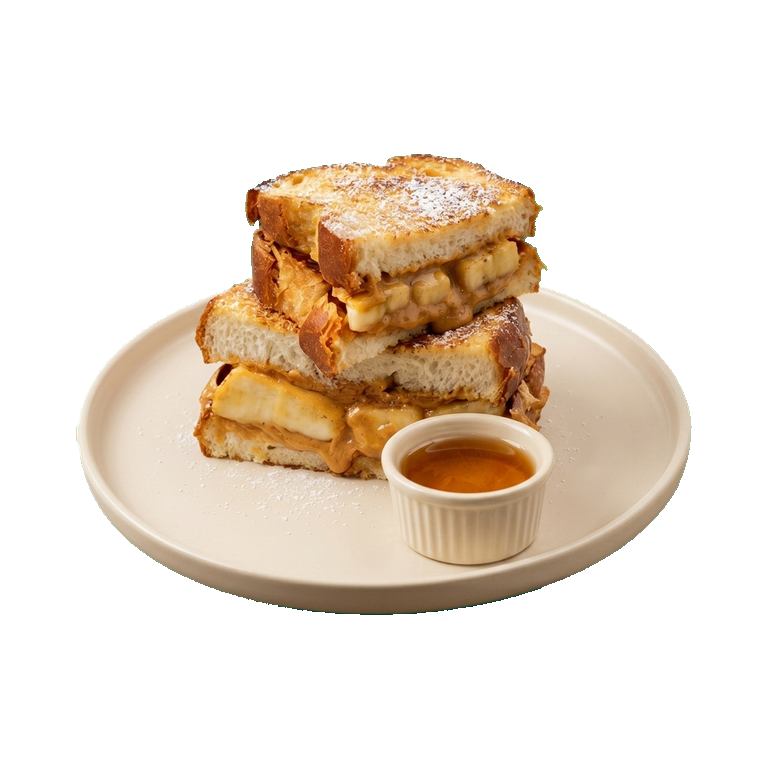
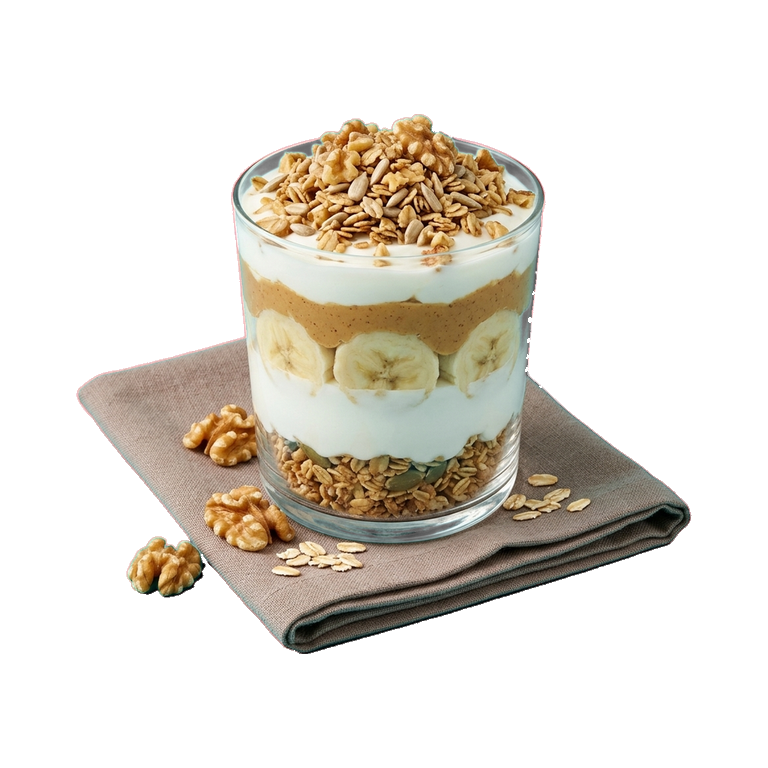
Pasta pairs well with acidic notes: lemon juice, lime, and vinegar enhance its nuttiness and cut through the richness. Spiciness also helps — chili pepper, ginger, and mustard create contrast. On the sweet side, pasta shines with chocolate, banana, berries, and honey.
Soy sauce, fish sauce, coconut milk — the paste integrates into Southeast Asian cuisine without conflicts. With avocado, tomatoes, and fresh herbs, it creates an interesting contrast of textures. Garlic and ginger — its faithful companions in any piquant recipes.
Selection and Storage
Natural nut paste often separates — the oil rises to the top. This is normal and even desirable: stir before use. The paste in the jar should smell like fresh nuts, without any moldy or musty odor. Check the production date and expiration date — freshness affects the taste.
Store the closed jar in a cool place or refrigerator. After opening, the paste remains usable for several weeks if water or foreign objects have not gotten into it. If the paste hardens in the cold — simply let it warm up to room temperature, it will regain its fluidity. For frequent use, keep a small portion in the kitchen cabinet, store the main supply in the refrigerator.
A good cook always has a jar of peanut butter in the kitchen. It saves the day in a pinch, turning simple ingredients into a complex-tasting result. Experiment with the dosage: even a teaspoon can change the character of a dish.
Nutrition
per 100 g
- Calories
- 588 kcal
- Protein
- 25.8 g
- Fat
- 50.4 g
- Carbs
- 20.5 g
Micronutrients
per 100 g
Macronutrients
- Fiber
- 6.323 g
- Saturated fat
- 8.415 g
- Monounsaturated fat
- 30.71 g
- Polyunsaturated fat
- 9.781 g
- Water
- 1.104 g
Minerals
- Sodium
- 220.7 mg
- Potassium
- 654 mg
- Calcium
- 49.85 mg
- Magnesium
- 192.6 mg
- Phosphorus
- 393.2 mg
- Iron
- 1.85 mg
- Zinc
- 3.06 mg
- Copper
- 0.54 mg
- Manganese
- 1.68 mg
- Selenium
- 20.2 mcg
Vitamins
- Vitamin E
- 5.41 mg
- Vitamin K
- 0 mcg
- Vitamin B1 (thiamin)
- 0.12 mg
- Vitamin B3 (niacin)
- 17.2 mg
- Vitamin B6
- 0.38 mg
Measures and weight
- 1 tbsp
- 15 g
- 1 tsp
- 5 g
- 1 cup
- 250 g
Measure calculator
- Weight
- 100 g
- Calories
- 588 kcal