Usuba
Usuba
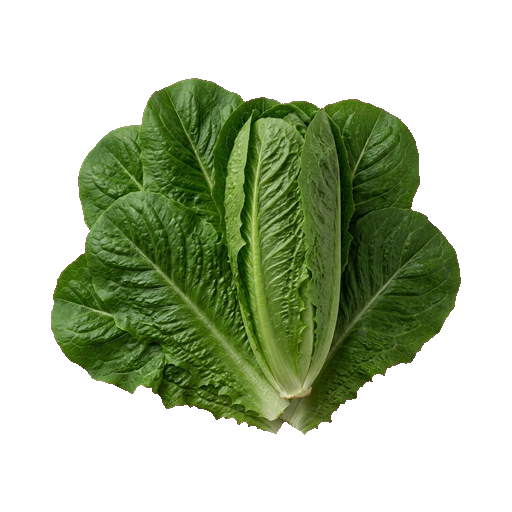
Romaine salad
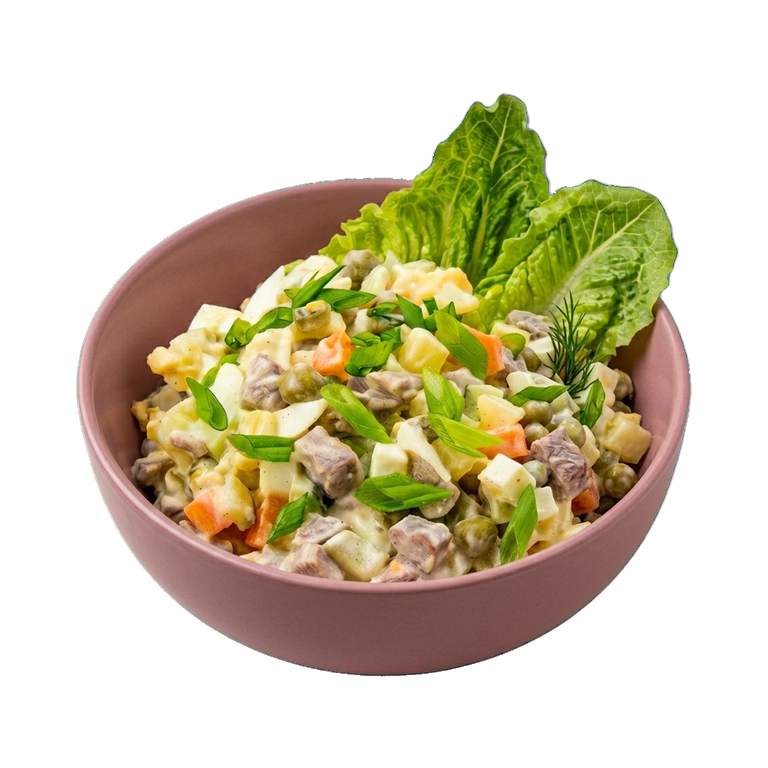
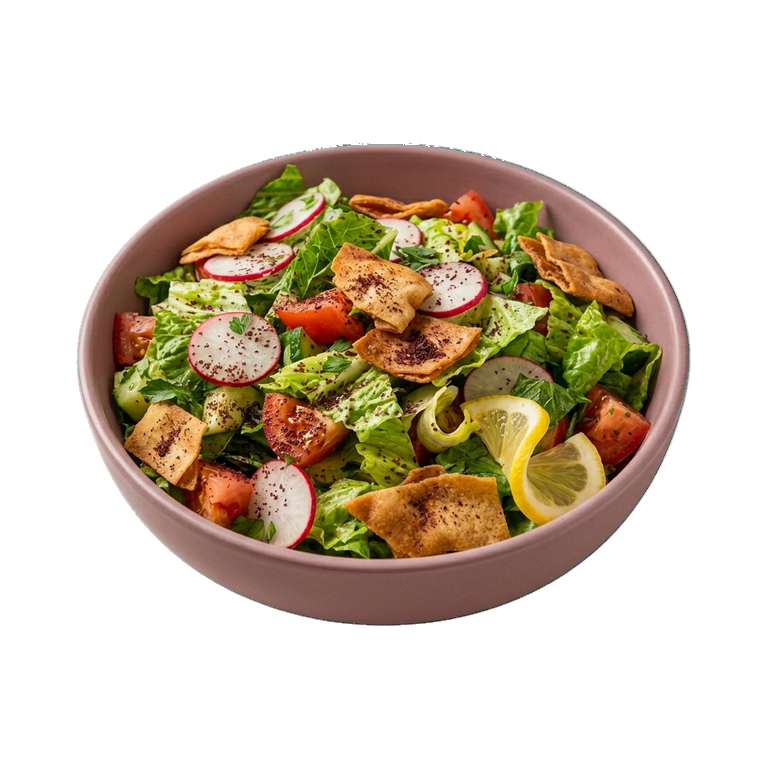
Romaine lettuce is a variety of lettuce with elongated dark green leaves and a firm structure. It has a slightly more robust flavor with a mild bitterness compared to iceberg, with crispy leaves that hold their shape well when cut. It's ideal for Caesar salad and other classic salads where you need a firm base that won't become soggy under dressing.
Micronutrients
per 100 g
Minerals
About
Romaine is a crispy lettuce with dense leaves and a pronounced, slightly bitter taste. It differs noticeably from the familiar iceberg: the leaves here are thicker, meatier, and the texture is more resilient. Thanks to this density, romaine holds its shape well in salads and doesn't become soggy under dressing, making it an ideal choice for dishes that are prepared in advance or served with heavy sauces.
Taste and Aroma
The taste of romaine is clean, with a subtle bitterness that doesn't overpower but rather adds depth. This bitterness is especially noticeable in the outer, dark green leaves; the inner, lighter leaves are softer and more tender. The aroma is fresh, herbaceous, without sharp notes. Such a flavor profile makes romaine a versatile partner for both light and rich dressings.
Where to use
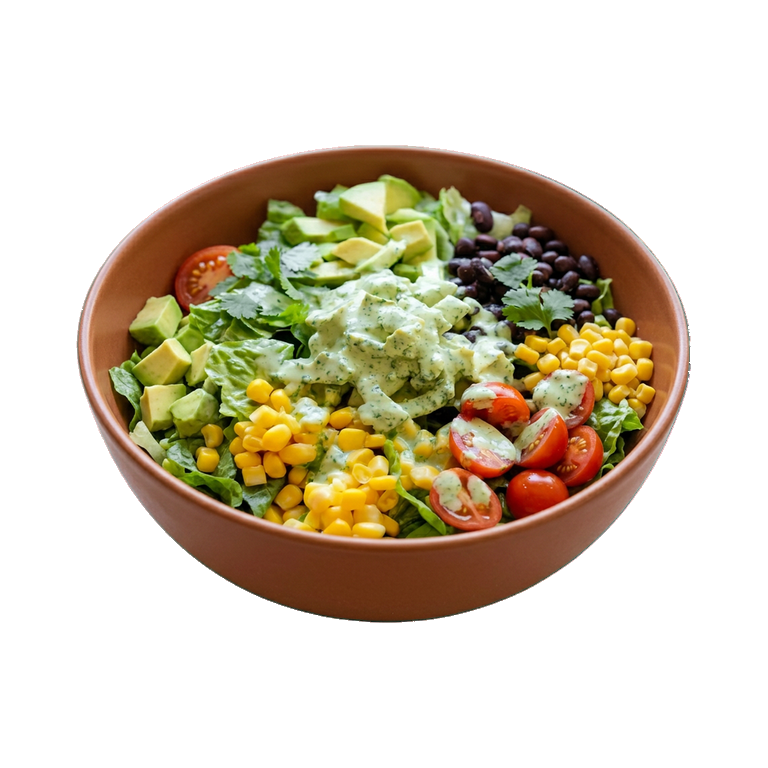
- Classic "Caesar" — romaine here is not just an ingredient, but the foundation that holds the sauce and doesn't get soggy
- Warm salads with bacon, croutons, or hot ingredients — sturdy leaves can withstand the temperature
- Salads with creamy sauces and dressings based on yogurt or sour cream
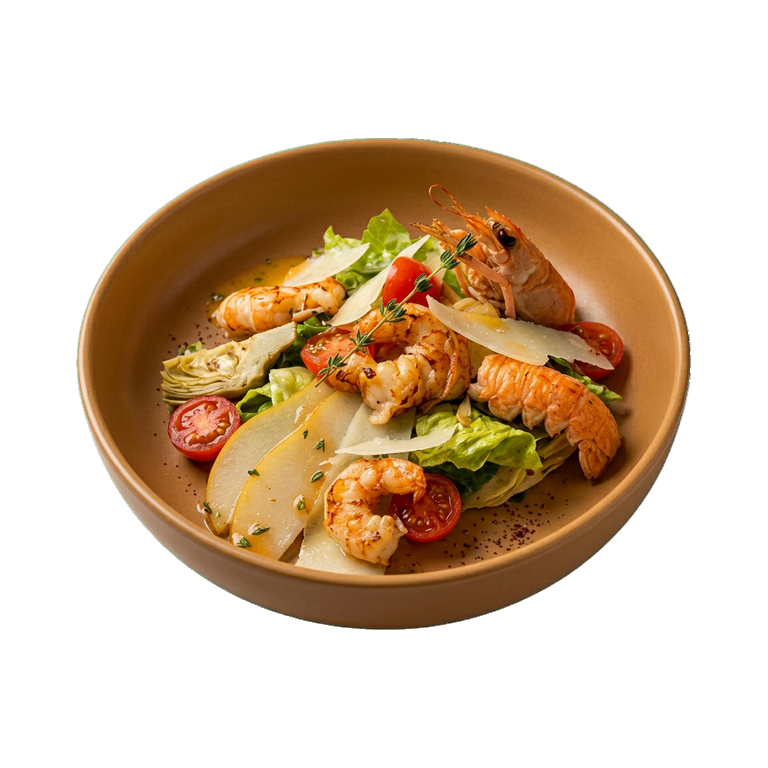
- Combined salads with seafood, chicken, or meat — the bitterness of romaine balances the richness of proteins
- A side dish for meat dishes instead of the usual bread
Successful Pairings
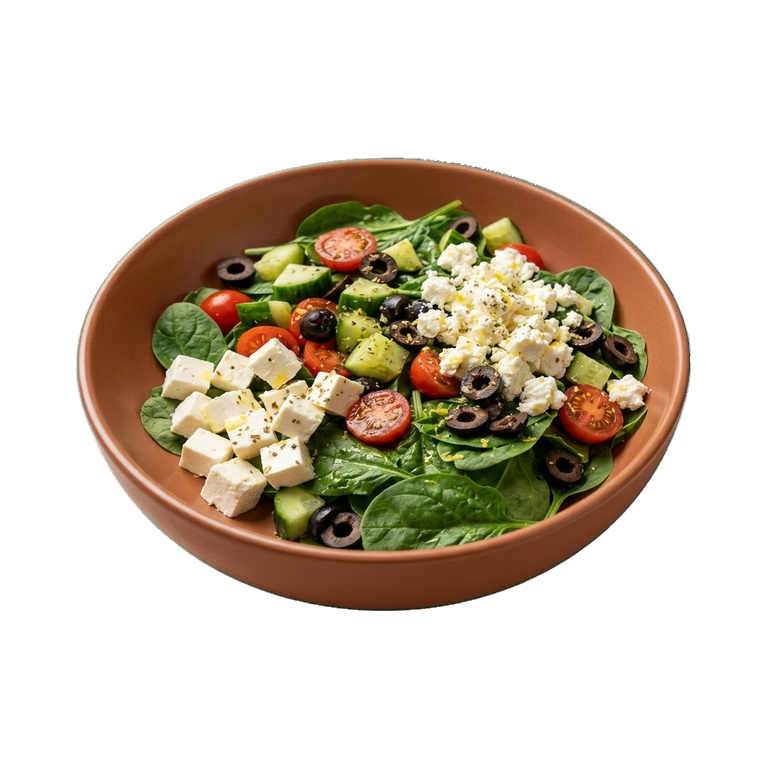
Romaine sounds great with Parmesan, anchovies, and lemon — this is a classic trio that always works. The salad also pairs well with spicy ingredients: garlic, black pepper, red chili pepper. If you want to soften the bitterness, add avocado, soft cheese, or creamy dressing. With olives, capers, and tomatoes, romaine creates a vibrant Mediterranean mix.
Selection and Storage
When purchasing, pay attention to the density of the head — it should be heavy and firm, without wilted or darkened leaves. Dark green color of the outer leaves is normal and indicates freshness. Avoid heads with brown spots or slime.
Store romaine best in the refrigerator, wrapped in paper towels or in a plastic container with air holes. This will keep it crispy for 7–10 days. Before use, rinse the leaves with cold water and dry thoroughly — moisture will accelerate wilting and dilute the dressing.
If you're preparing a romaine salad in advance, cut the leaves larger than usual and add the dressing at the last moment — the dense texture of the salad will allow it.
Nutrition
per 100 g
- Calories
- 17 kcal
- Protein
- 1.2 g
- Fat
- 0.3 g
- Carbs
- 3.2 g
Micronutrients
per 100 g
Macronutrients
- Water
- 94.29 g
Minerals
- Sodium
- 23 mg
- Potassium
- 260.4 mg
- Calcium
- 27.56 mg
- Magnesium
- 12.05 mg
- Phosphorus
- 23.41 mg
- Iron
- 0.27 mg
- Zinc
- 0.25 mg
- Copper
- 0.05 mg
- Manganese
- 0.23 mg
Vitamins
- Vitamin K
- 83.4 mcg
- Vitamin B1 (thiamin)
- 0.06 mg
- Vitamin B3 (niacin)
- 0.37 mg
- Vitamin B6
- 0.06 mg
Measures and weight
- 1 head
- 250 g
- 1 bunch
- 100 g
- 1 slice
- 20 g
Measure calculator
- Weight
- 100 g
- Calories
- 17 kcal