Usuba
Usuba
Sea salt
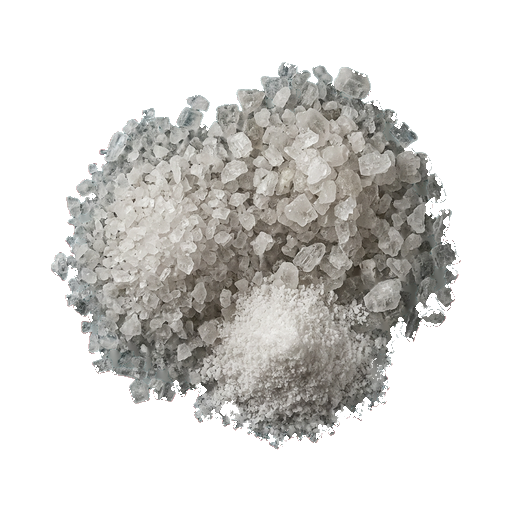
Sea salt is obtained by evaporating seawater and contains trace elements like iodine, magnesium, and potassium that are absent in regular table salt. Thanks to its large crystals, it dissolves more slowly and provides a softer, rounder flavor, making it ideal for finishing dishes and pickling. When substituting sea salt for regular salt, keep in mind that the crystals are larger and less dense, so you'll need slightly more by volume, but approximately the same amount by weight.
About
Sea salt is not just a seasoning, but a true kitchen helper that works on multiple levels. Unlike regular table salt, it contains microelements and minerals that give dishes depth and roundness of flavor. Sea salt crystals are larger and dissolve more slowly, which allows for better control of saltiness and creates interesting textural effects.
Taste and aroma
Sea salt has a pure, slightly iodine aroma that reminds of the product's origin. Its taste is milder than table salt, which means it doesn't overpower but rather emphasizes the natural notes of the ingredients. Large crystals on the finished dish create a pleasant crunch and visual contrast.
Where to use it
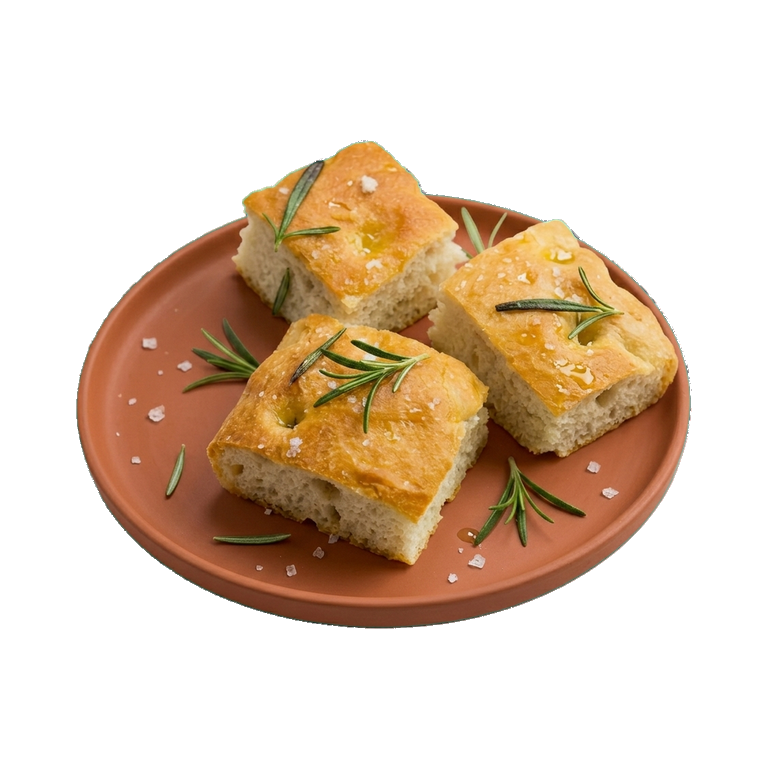
Sea salt is versatile, but reveals itself differently depending on the application. Fine grain is suitable for salting dough, marinades, and liquid dishes — it dissolves evenly. Coarse salt is ideal for finishing touches: sprinkling meat before frying, decorating caramel or salted caramel, salting fish before smoking.
- Vegetables and herbs — coarse salt will highlight freshness
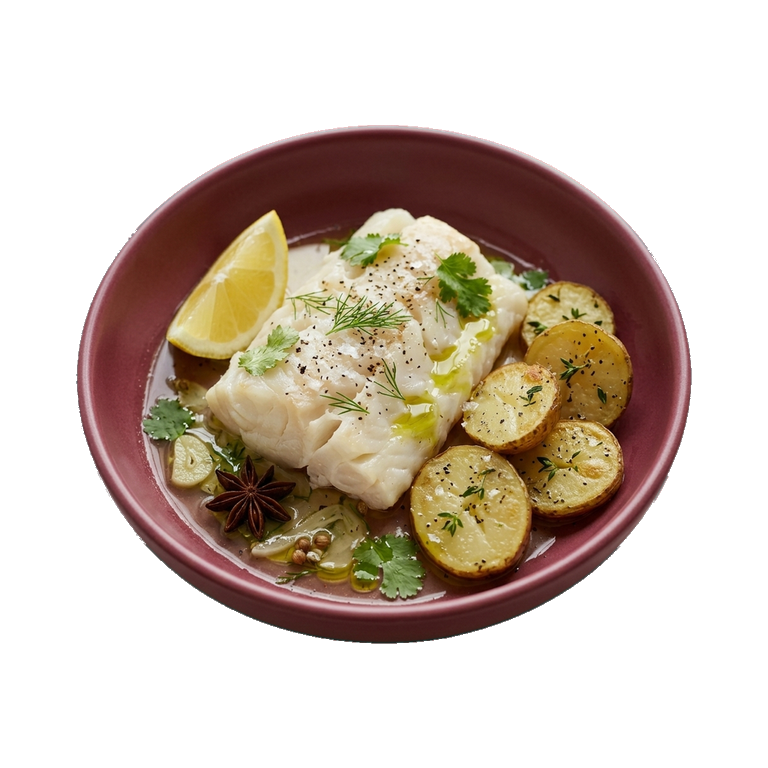
- Fish and seafood — natural combination with marine origin
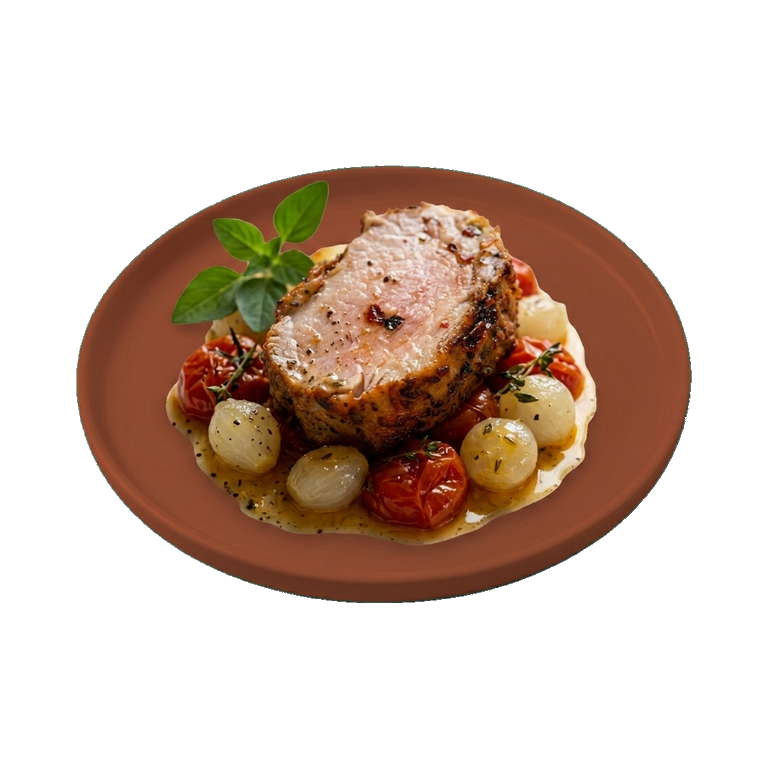
- Meat and poultry — good for rubbing before cooking
- Desserts — caramel, chocolate candies, cookies
- Marinades and brines — fine fraction for even dissolution
Selection and Storage
When purchasing, pay attention to the color — quality sea salt can be white, gray, or even with a slight pinkish tint, depending on the source. The crystals should be dry and crumbly, without lumps or moisture. Avoid products with anti-caking additives unless specifically indicated.
Sea salt should be stored in a tightly sealed container in a dry place at room temperature. Humidity is the main enemy, so make sure the packaging is airtight. The shelf life is practically unlimited, but it is best to use it within a year to preserve all mineral properties and aroma.
Practical tip
Sea salt is slightly less concentrated than table salt, so when substituting one for the other, add a bit more of it. Large crystals take up more volume but weigh less — go by weight rather than volume. For finishing a dish, use coarse salt — it looks beautiful and provides a fresh sensation with each crystal.
Nutrition
per 100 g
- Calories
- 0 kcal
- Protein
- 0 g
- Fat
- 0 g
- Carbs
- 0 g
Measures and weight
- 1 tbsp
- 18 g
- 1 tsp
- 6 g
- 1 cup
- 300 g
Measure calculator
- Weight
- 100 g
- Calories
- 0 kcal