Usuba
Usuba
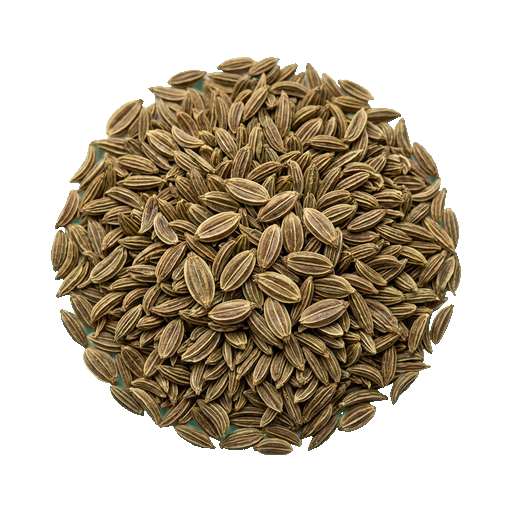
Dill seeds
Dill seeds are dried fruits of the plant with a warm, slightly sweet taste and spicy aroma, more intense than fresh dill greens. They are used in marinades, pickles, fish dishes, and bread, adding a pleasant sharpness to vegetable side dishes and meat. When choosing, pay attention to rich color and fresh smell — old seeds lose their aroma, so it's better to store them in an airtight container in a cool place and add them at the end of cooking or use them whole to reveal their full flavor.
Micronutrients
per 100 g
Minerals
About
Dill seeds are not just a spice, but a full-fledged ingredient with its own character. Unlike fresh herbs, seeds provide a more concentrated, slightly sweet flavor with a piquant sharpness. They work where depth is needed, not lightness: in marinades, pickles, bread, and dishes with prolonged heat treatment.
Aroma and Taste
Dill seeds smell warm and slightly sweet — they have hints of lemon and a subtle anise note. The taste is milder than one might expect: first a pleasant sweetness, then a barely noticeable sharpness. If you slightly crush the seeds before using them, the aroma will open up more brightly and release its oils into the dish faster.
Where and how to use
- Marinades and pickles — dill seeds are a classic here: they preserve, add aroma, and give character to cucumbers, tomatoes, and cabbage
- Bread and buns — add to the dough or sprinkle on top for a piquant note
- Fish and seafood — dill seeds highlight the delicate flavor of fish, work well in pâtés and on the grill
- Soups and broths — add at the end of cooking or 10–15 minutes before serving to preserve the aroma
- Vegetable dishes — perfect in potato salads, stewed cabbage, marinated beets
- Sauces and dressings — add a few seeds to sour cream sauces, yogurt dips, bread butter
Selection and Storage
Choose seeds with a bright brownish-green color — they should be dry, free of lumps and foreign odors. Fresh seeds smell pleasant and aromatic; if the smell is weak or musty, this is a sign of age or improper storage.
- Store in an airtight glass jar or container
- Keep in a cool, dry place, away from light
- Shelf life — up to a year under proper conditions, but best used within 6 months
- Do not refrigerate — they will absorb moisture and lose their aroma
Dosage
Dill seeds are economical to use. For a marinade, one teaspoon of seeds is enough per liter of liquid. Add half a teaspoon per serving to soup or sauce and taste — the aroma may be stronger than you expect. For bread, add one tablespoon per medium-sized loaf. Start small and adjust to your taste.
Practical Tips
- Lightly heat the seeds in a dry pan a minute before use — the aroma will become more pronounced
- Add seeds to cold dishes (salads, yogurt sauces) 20–30 minutes before serving so they have time to release their aroma
- Don't confuse with fresh dill — these are different things with different purposes. Seeds for depth, greens for freshness
Nutrition
per 100 g
- Calories
- 305 kcal
- Protein
- 15.9 g
- Fat
- 15.3 g
- Carbs
- 55.2 g
Micronutrients
per 100 g
Macronutrients
- Fiber
- 21.1 g
- Saturated fat
- 0.73 g
- Monounsaturated fat
- 9.41 g
- Polyunsaturated fat
- 1.01 g
- Omega-3 (EPA + DHA)
- 0 g
- Cholesterol
- 0 mg
- Water
- 7.7 g
Minerals
- Sodium
- 20 mg
- Potassium
- 1186 mg
- Calcium
- 1516 mg
- Magnesium
- 256 mg
- Phosphorus
- 277 mg
- Iron
- 16.33 mg
- Zinc
- 5.2 mg
- Copper
- 0.78 mg
- Manganese
- 1.83 mg
- Selenium
- 12.1 mcg
Vitamins
- Vitamin A (RAE)
- 3 mcg
- Vitamin D
- 0 mcg
- Vitamin C
- 21 mg
- Vitamin B1 (thiamin)
- 0.42 mg
- Vitamin B2 (riboflavin)
- 0.28 mg
- Vitamin B3 (niacin)
- 2.81 mg
- Vitamin B6
- 0.25 mg
- Vitamin B9 (folate, DFE)
- 10 mcg
- Vitamin B12
- 0 mcg
Measure calculator
- Weight
- 100 g
- Calories
- 305 kcal