Usuba
Usuba
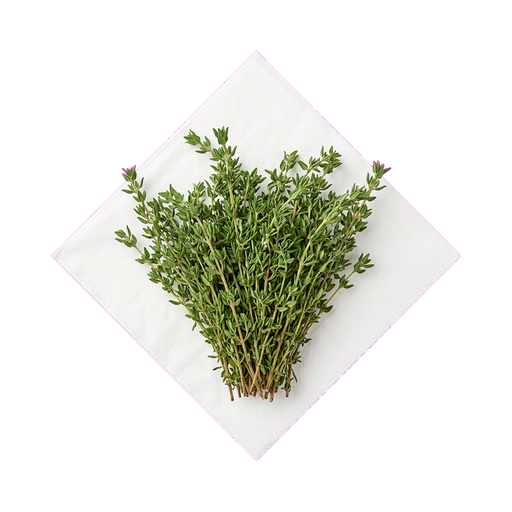
Thyme
This is a spicy herb with small leaves and a subtle, slightly peppery aroma with hints of lemon and earth. Thyme withstands heat well and is often used in marinades, soups, stews, and when roasting meat and vegetables. When choosing fresh thyme, look for firm leaves without darkening, while dried thyme retains its aroma longer and is suitable for dishes that require extended cooking time.
About
Thyme is one of those herbs that works everywhere. Small leaves on thin stems hold a concentrated aroma: sharp, slightly peppery, with hints of lemon and earth. When you take a sprig in your hands, the smell immediately reveals the power of this plant. In cooking, thyme is valued not for its boldness, but for its ability to harmonize with almost any ingredient — from meat to vegetables, from oil to wine.
Aroma and Taste
Fresh thyme smells brighter and more aromatic, with more pronounced floral notes. Dried thyme becomes more concentrated and astringent — its flavor deepens and becomes slightly more bitter. If you dry the herb yourself, the leaves retain their intensity longer than most other herbs. Even when dried, thyme remains an active ingredient, so it should be dosed more carefully.
Where and how to use it
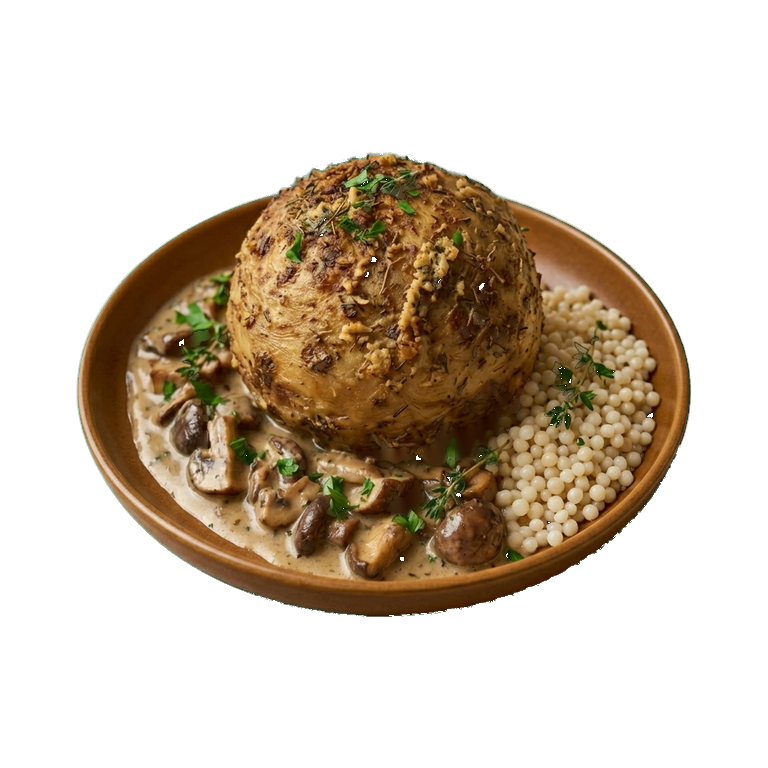
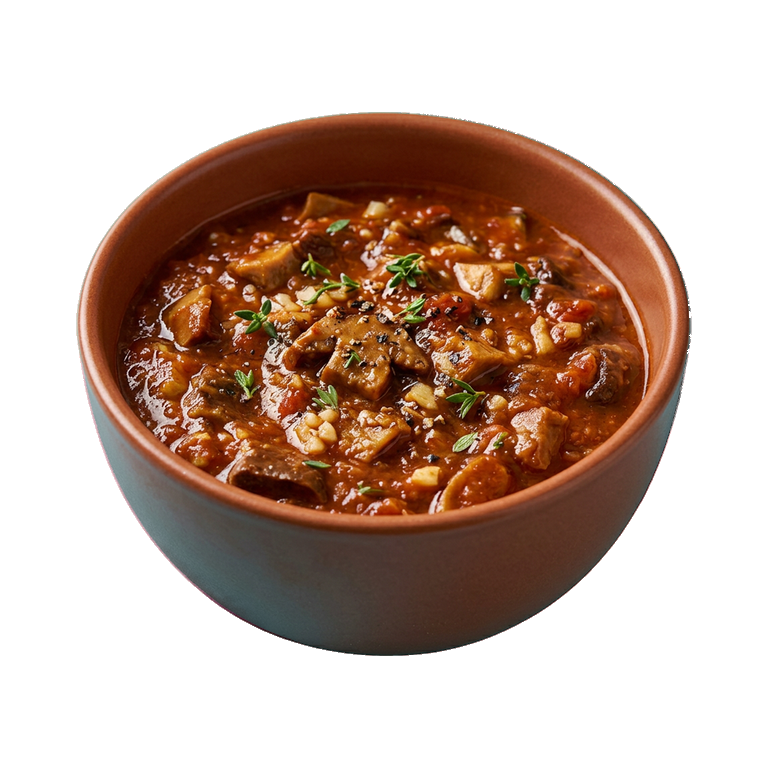
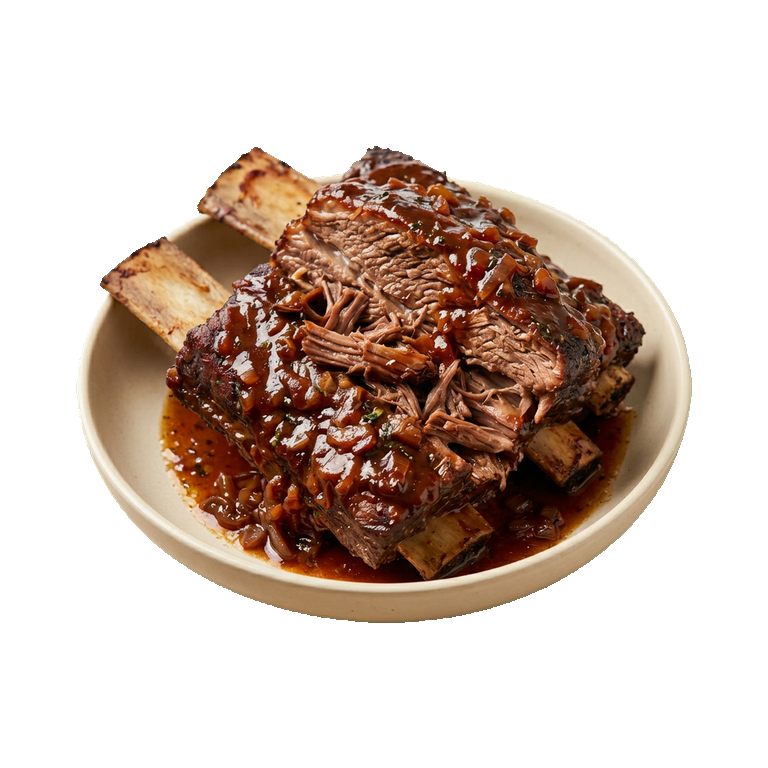
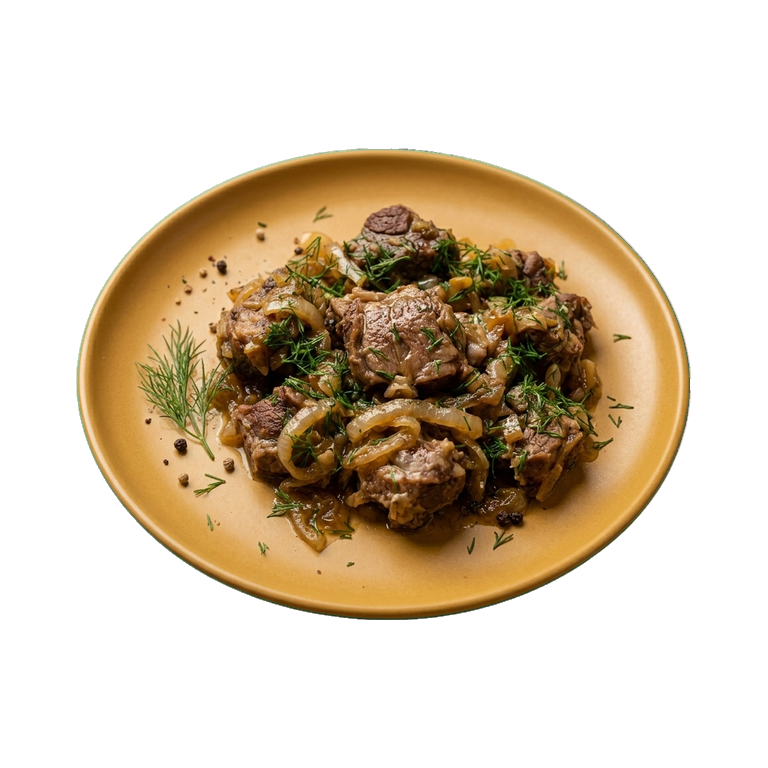
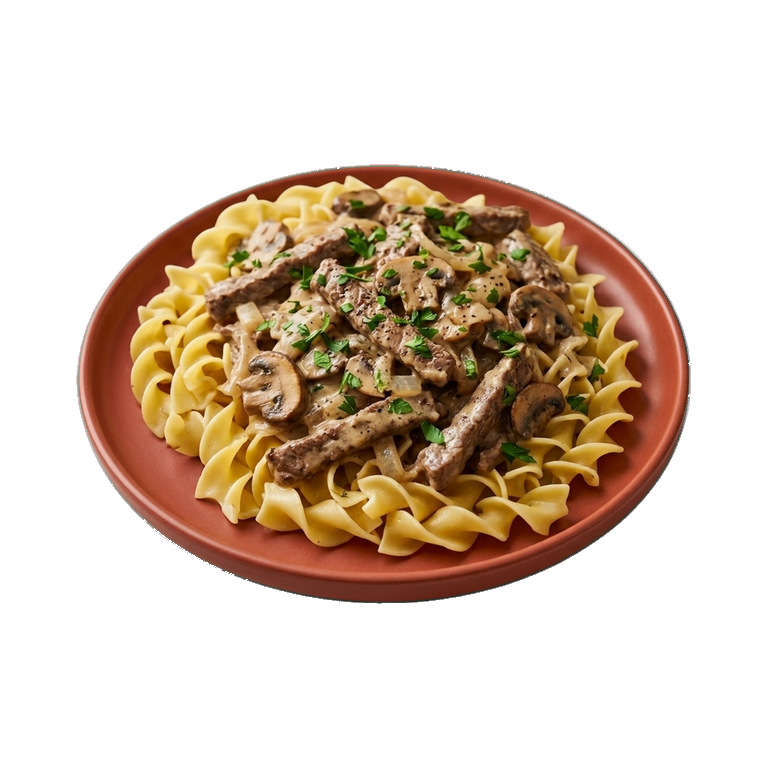
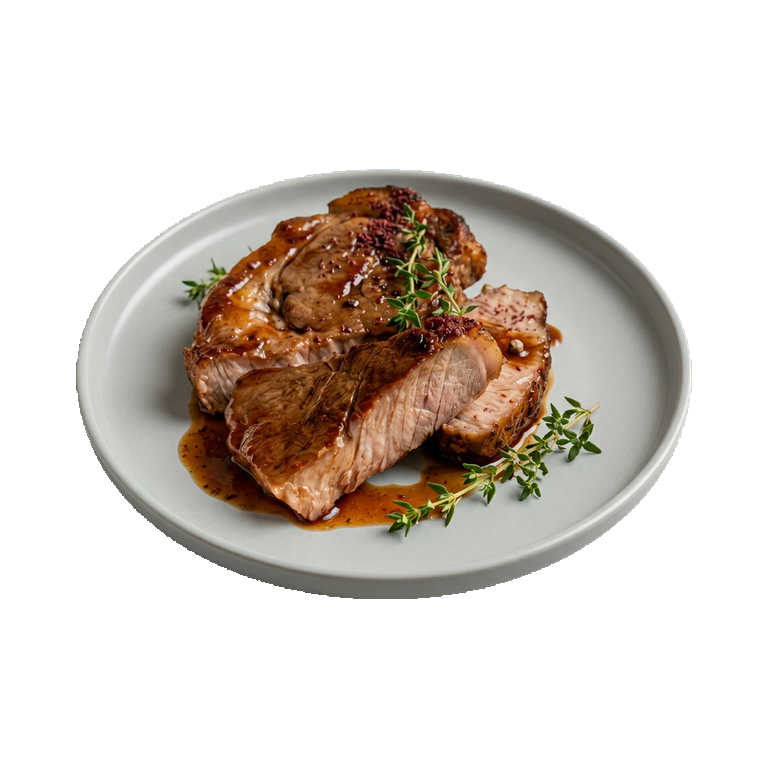
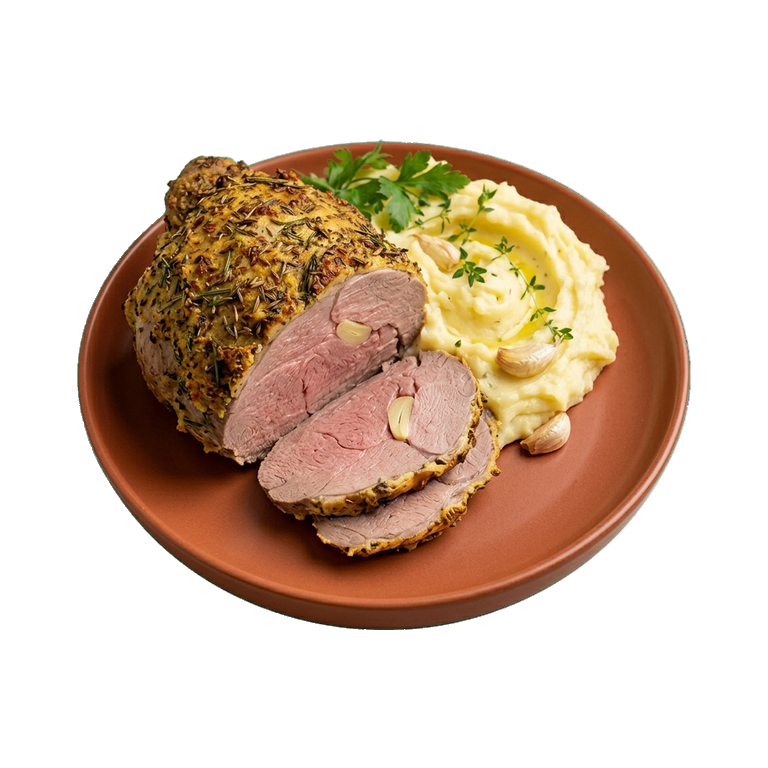
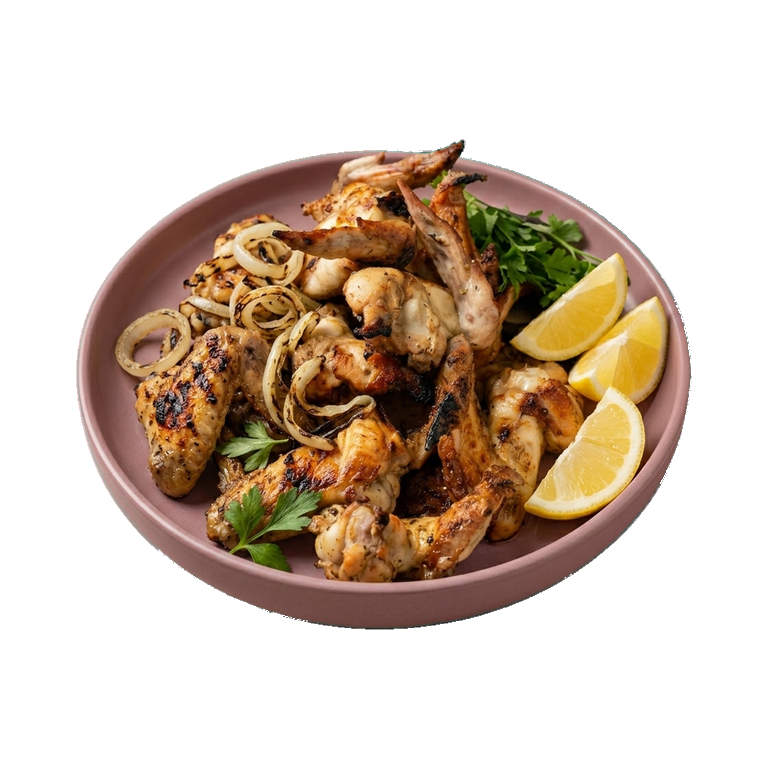
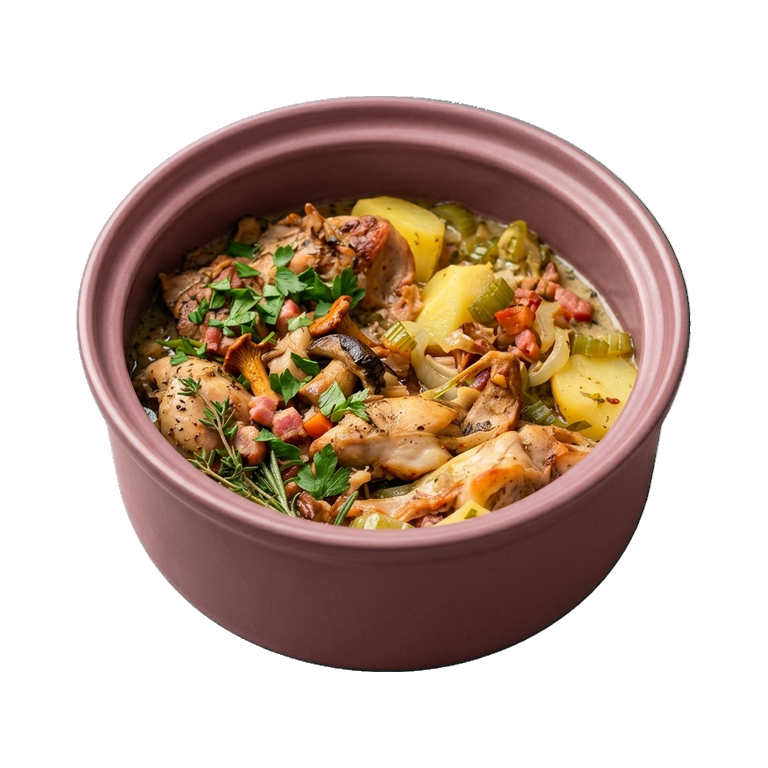
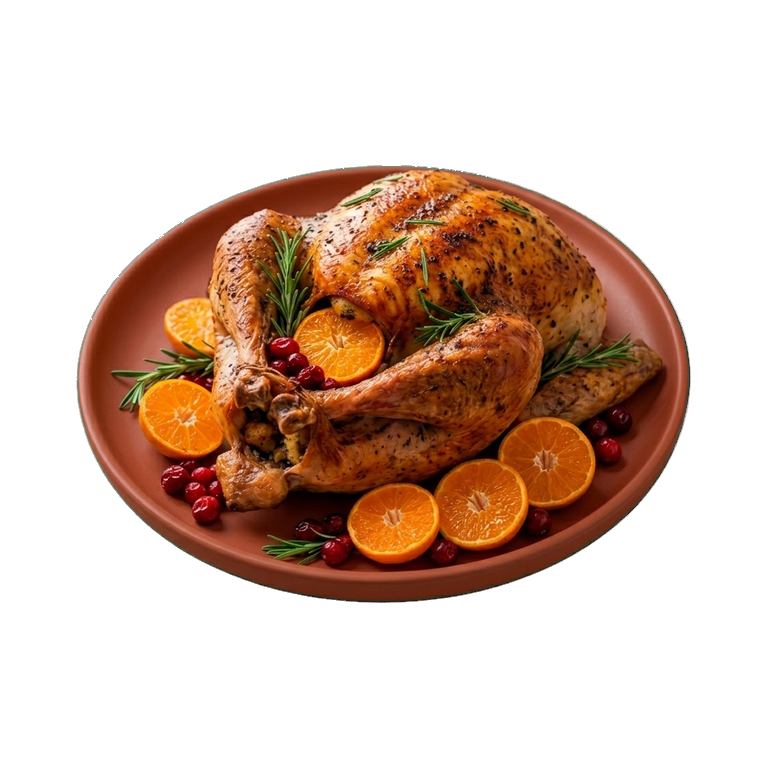
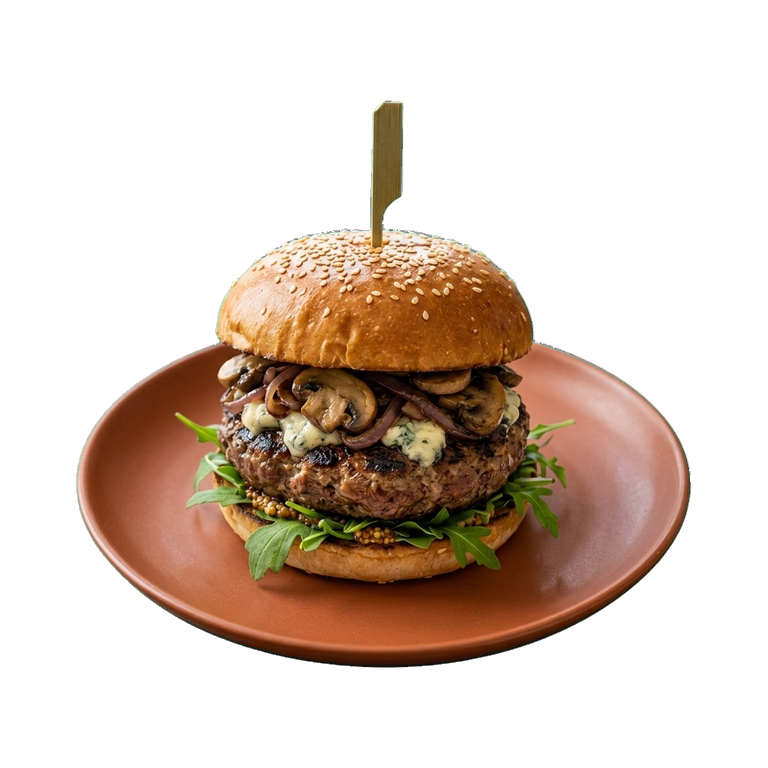
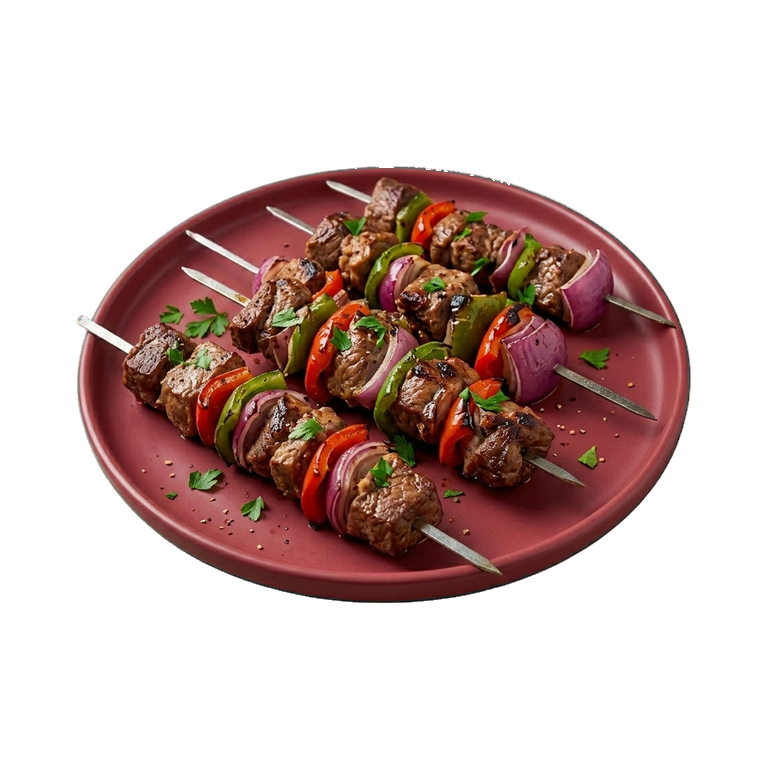
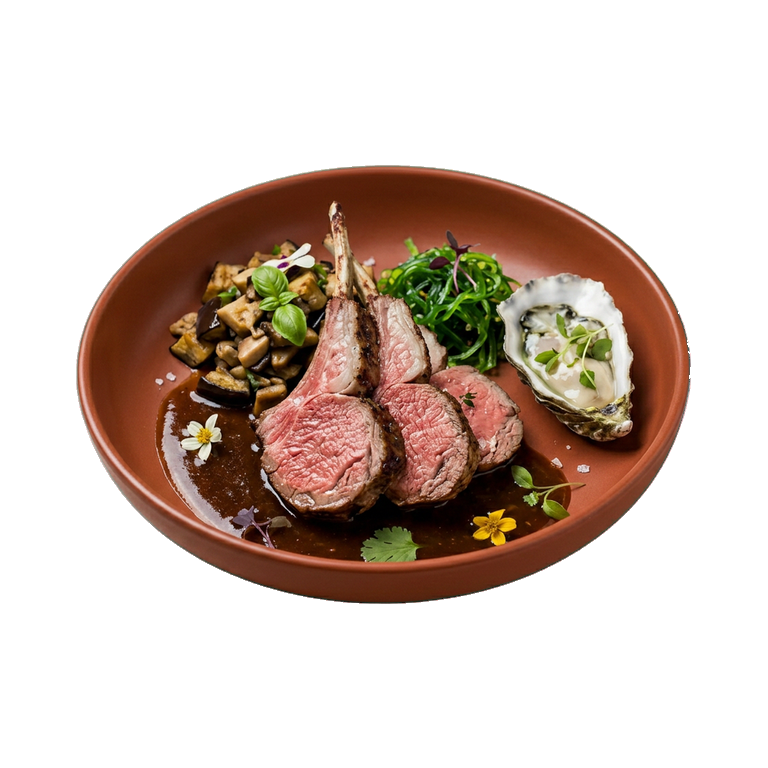
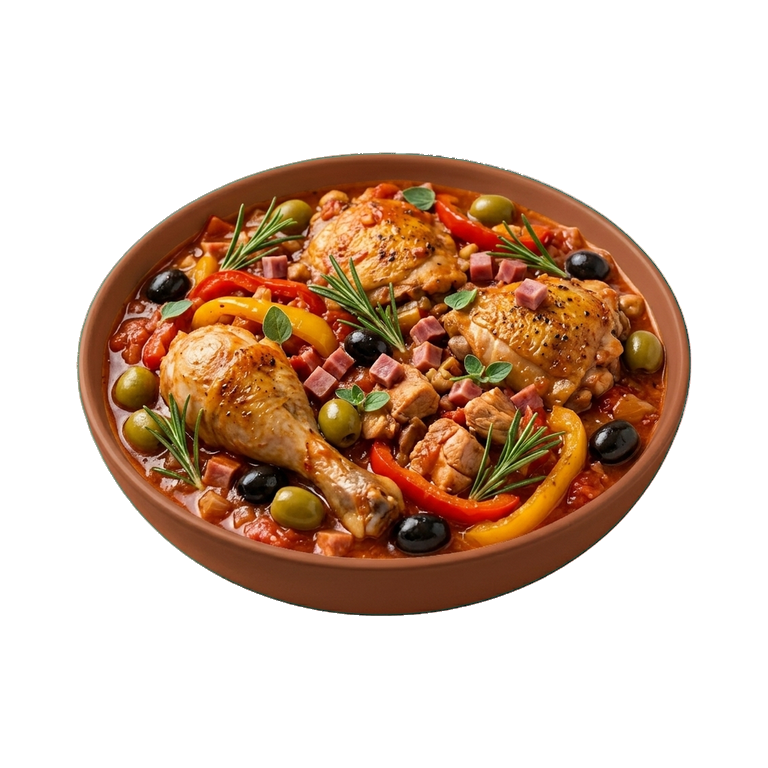
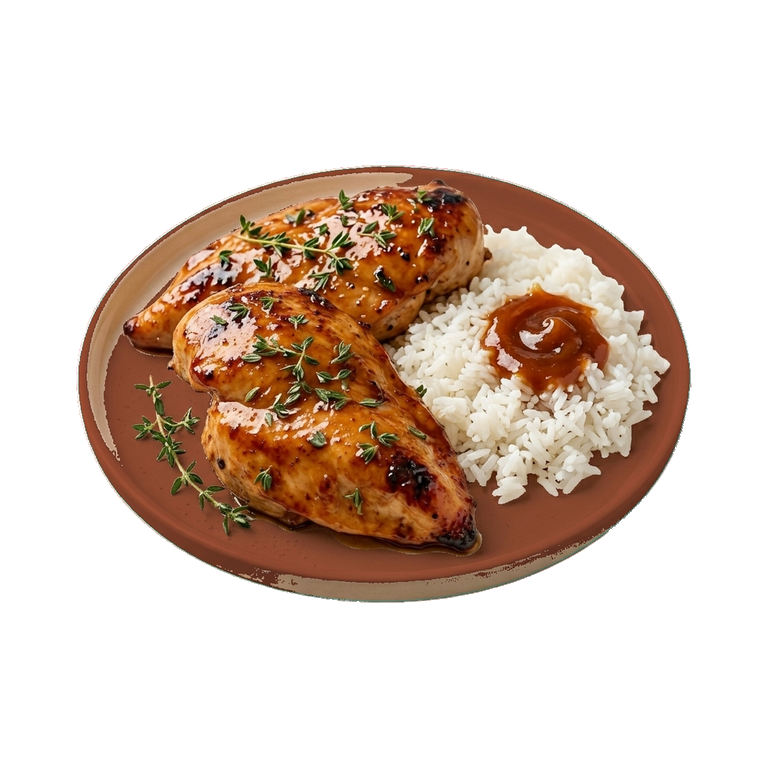
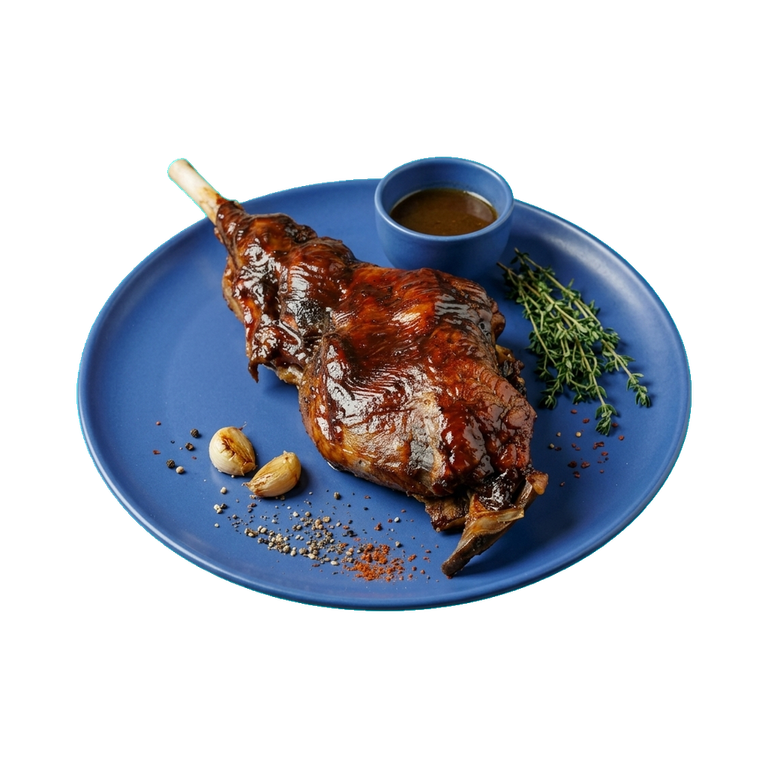
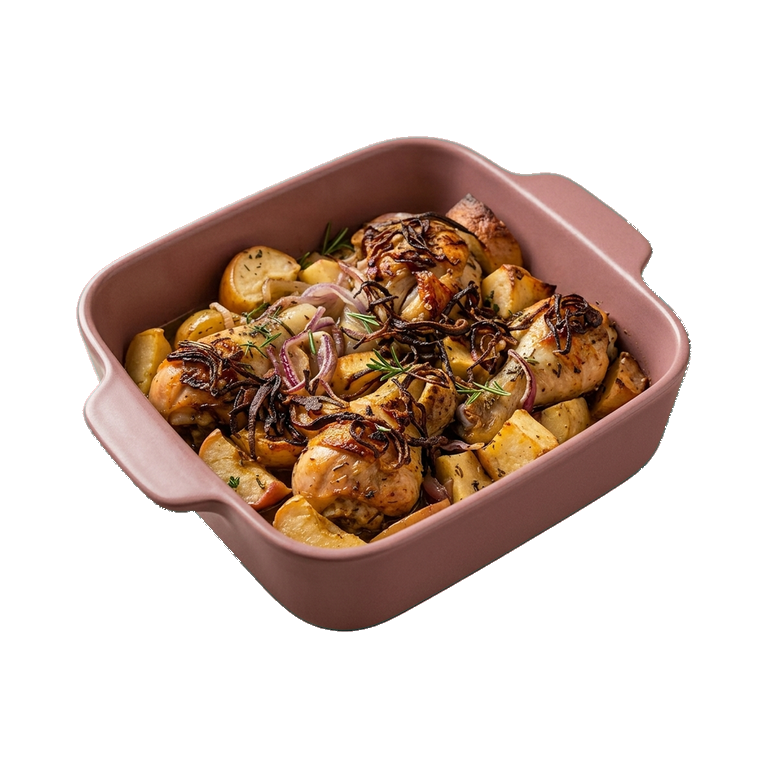
- Meat dishes — thyme is ideal for marinades and stews, especially with beef, lamb, and poultry
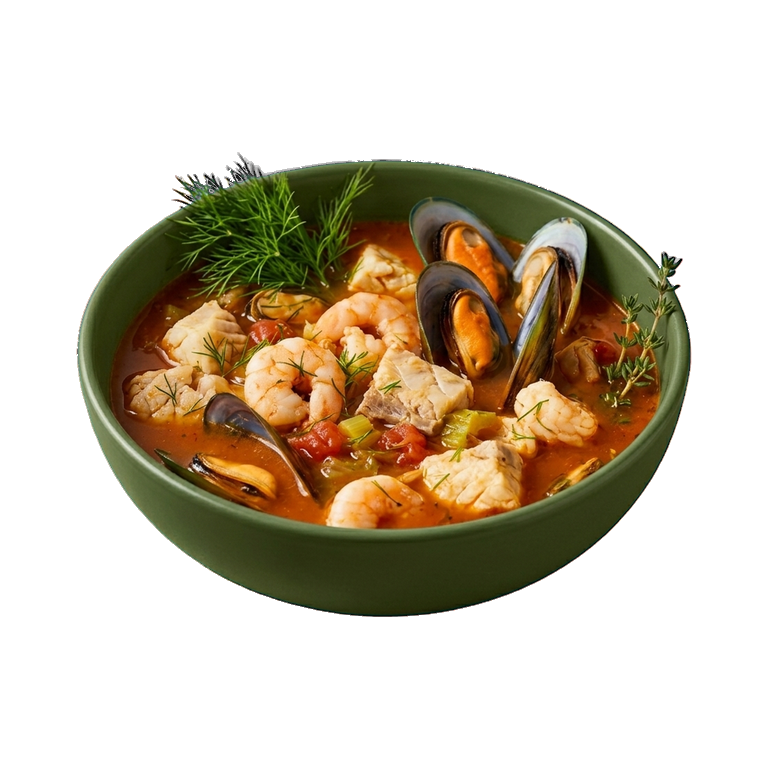
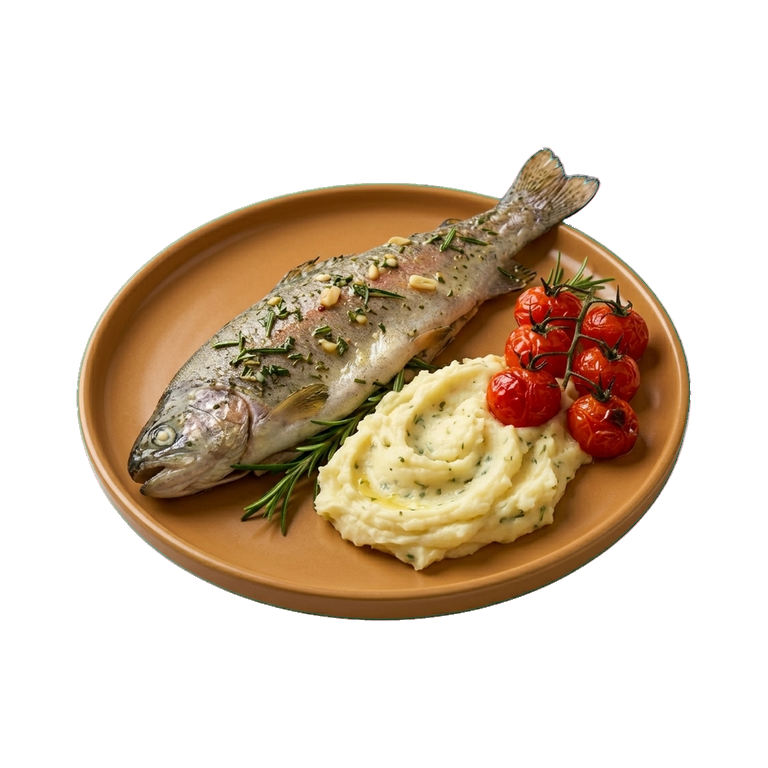
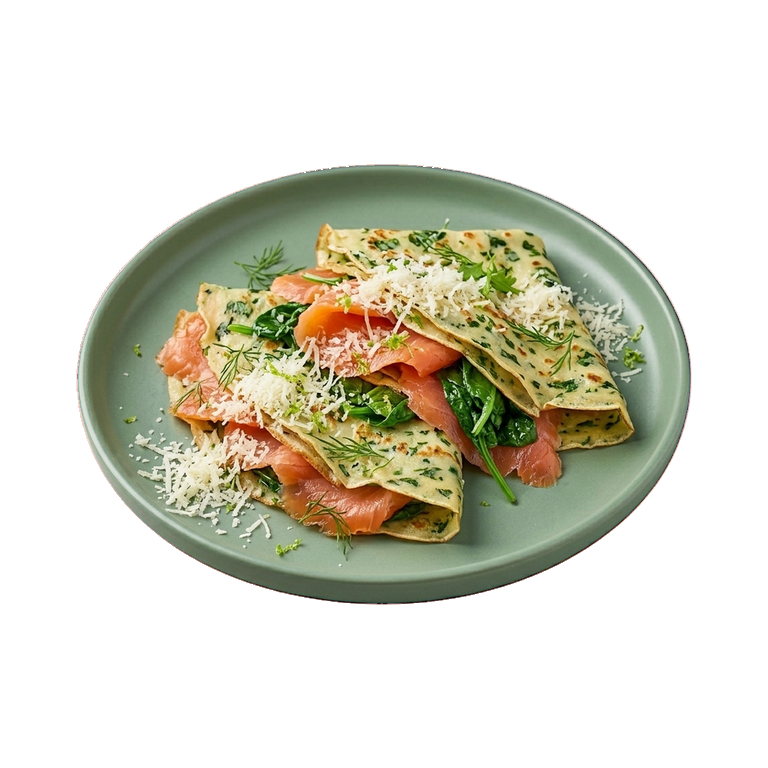
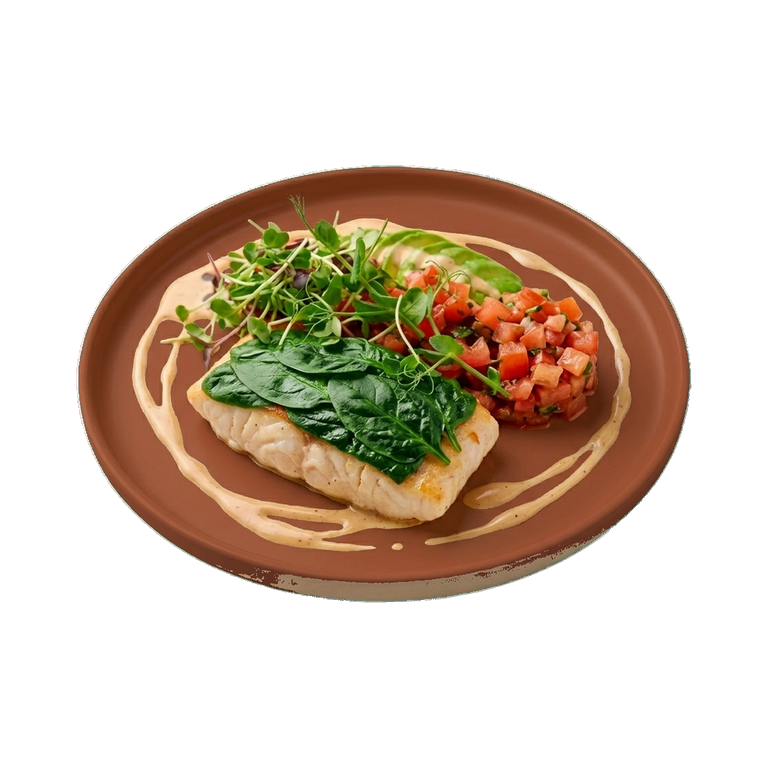
- Fish and seafood — adds depth without harshness, works well with lemon
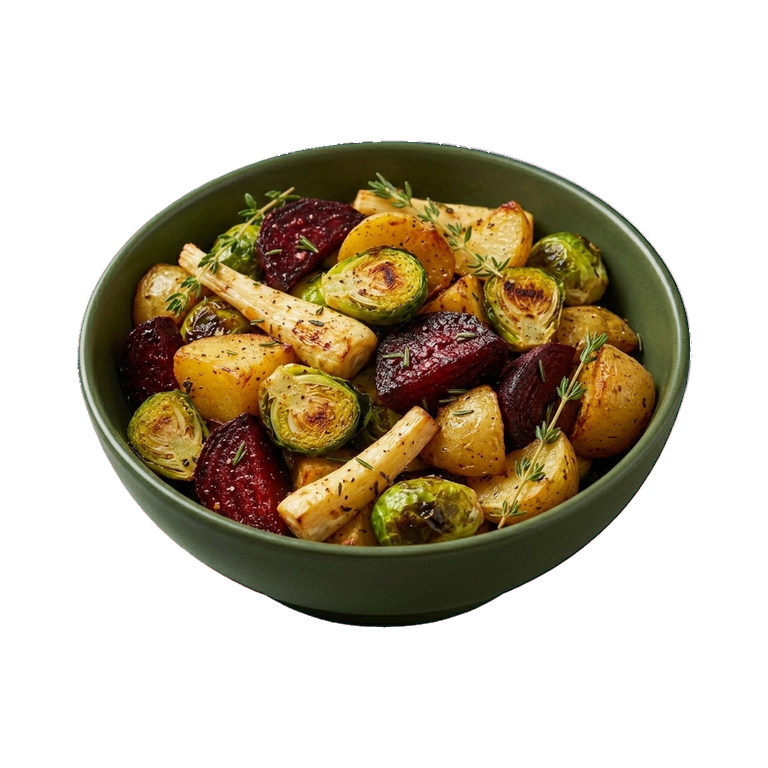
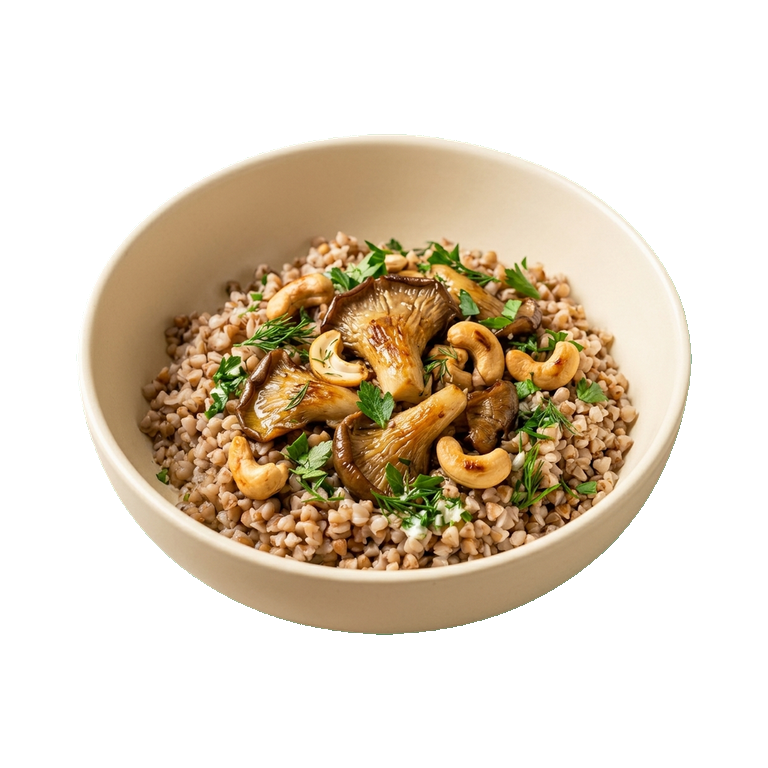
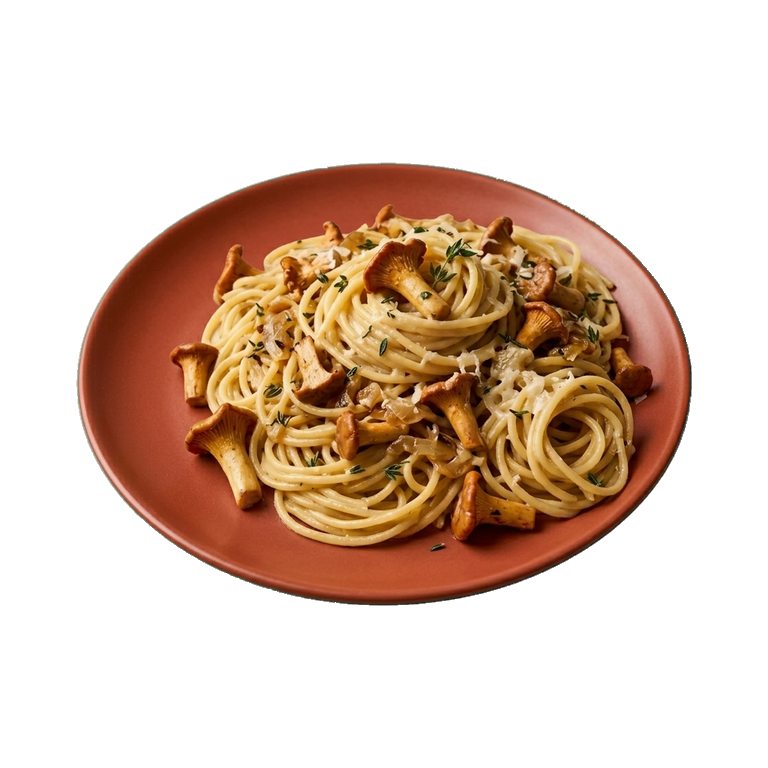
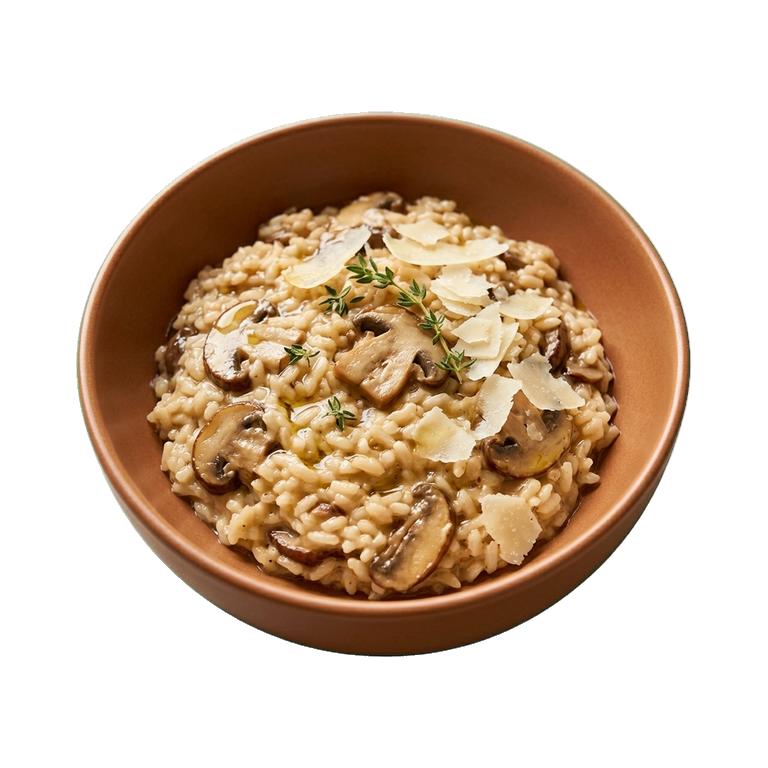
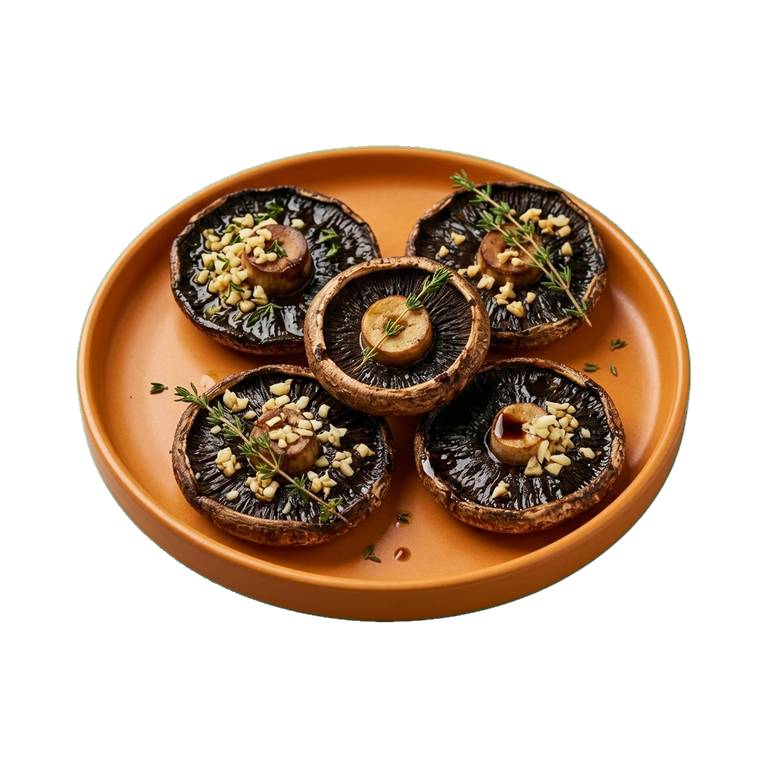
- Vegetables — roasted tomatoes, potatoes, eggplants, mushrooms appreciate its presence
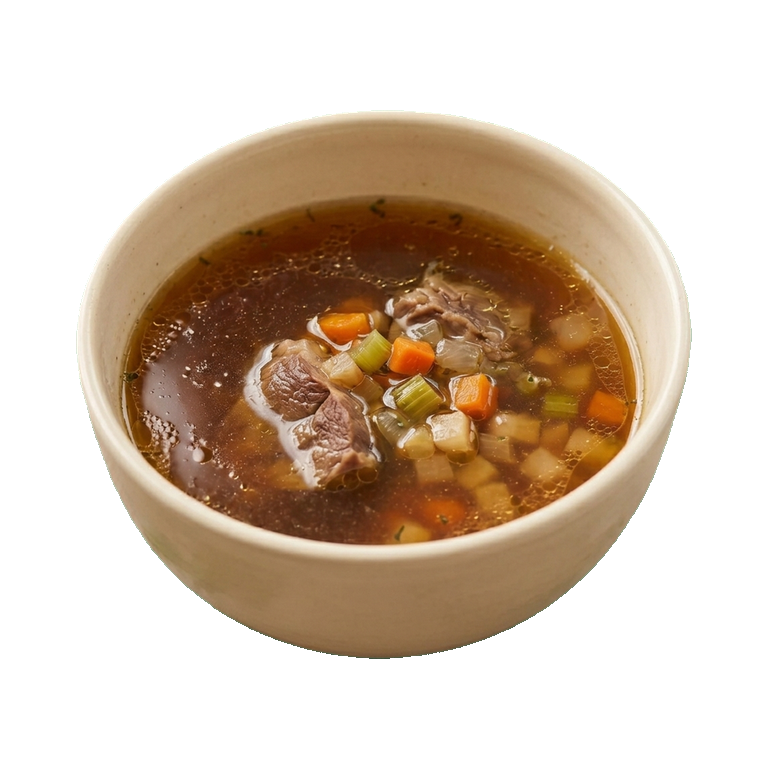
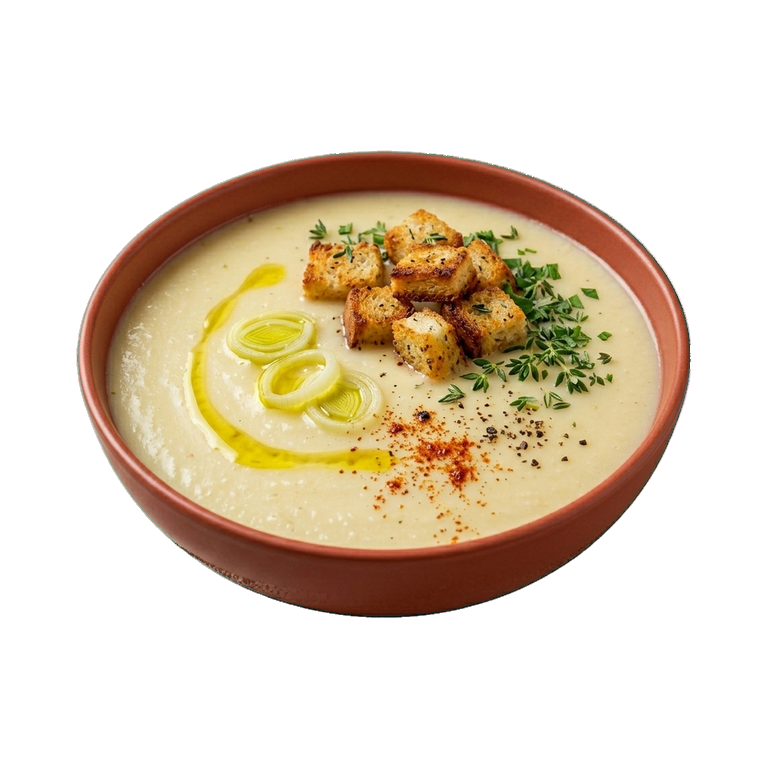
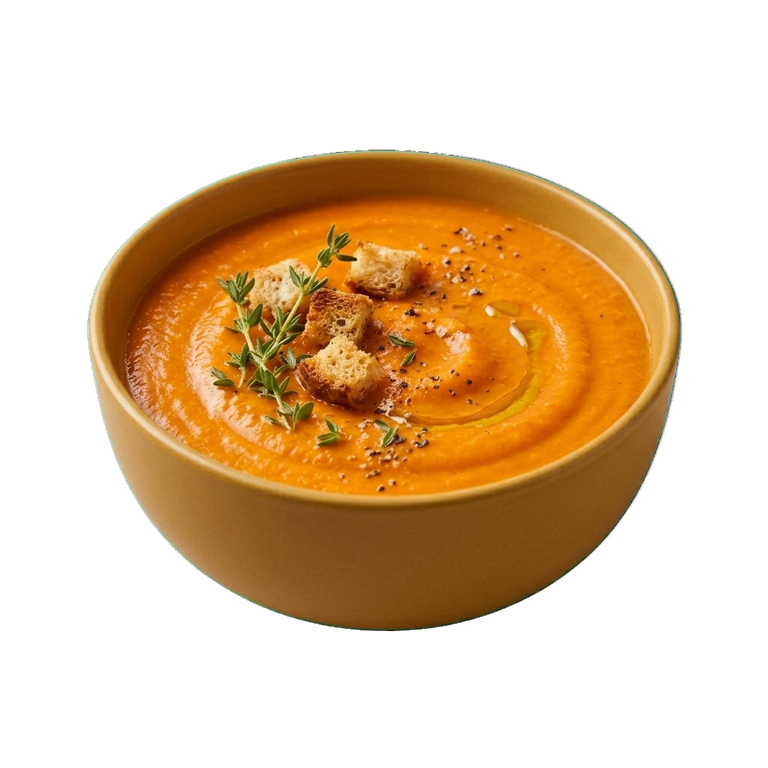
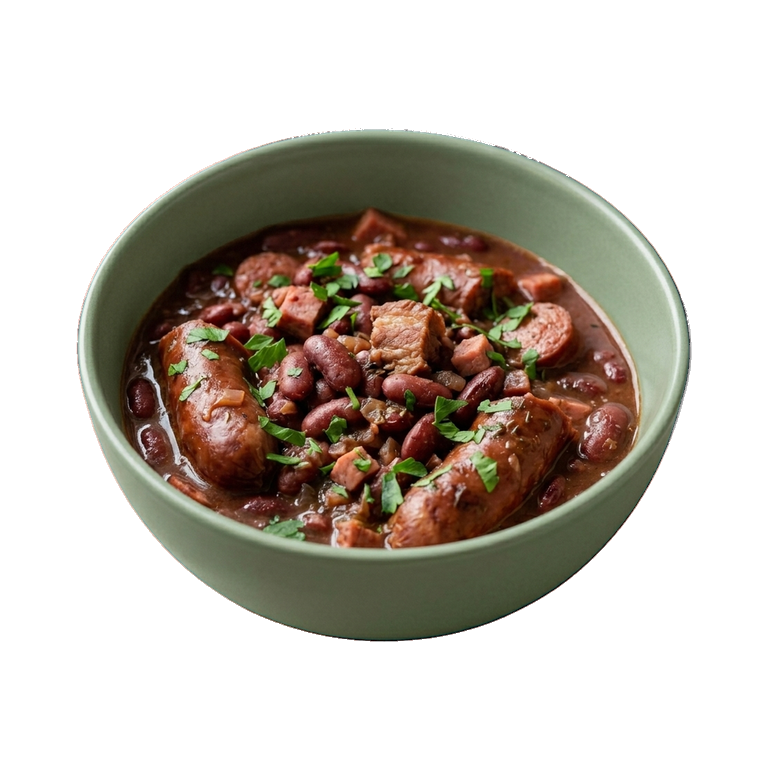
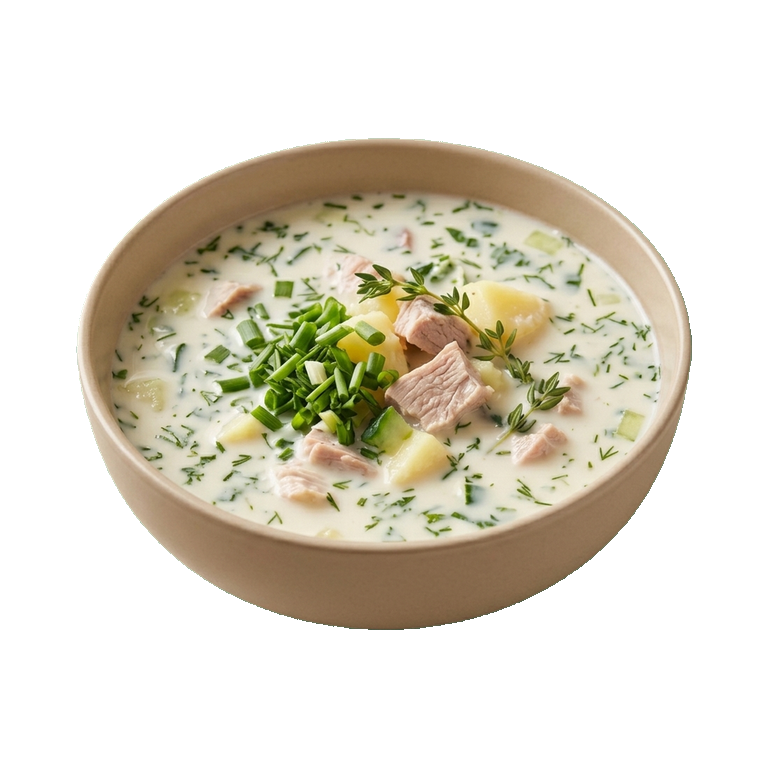
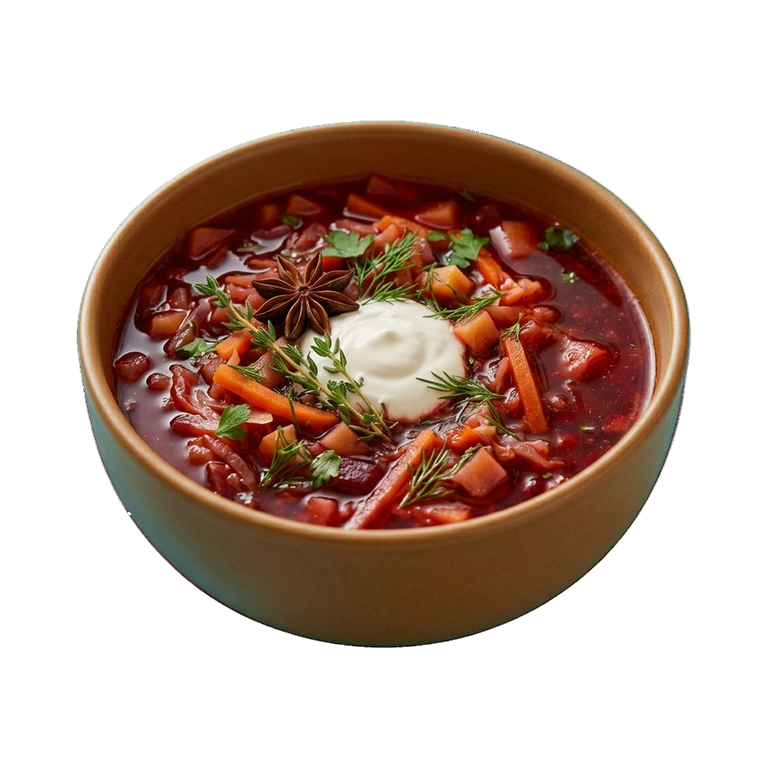
- Soups and broths — thyme is part of the classic bouquet garni and holds up well during long cooking
- Oils and vinegars — a sprig in a bottle creates an aromatic base for dressings
- Bread and focaccia — a pinch in the dough gives an unexpected flavor twist
Combinations with other ingredients
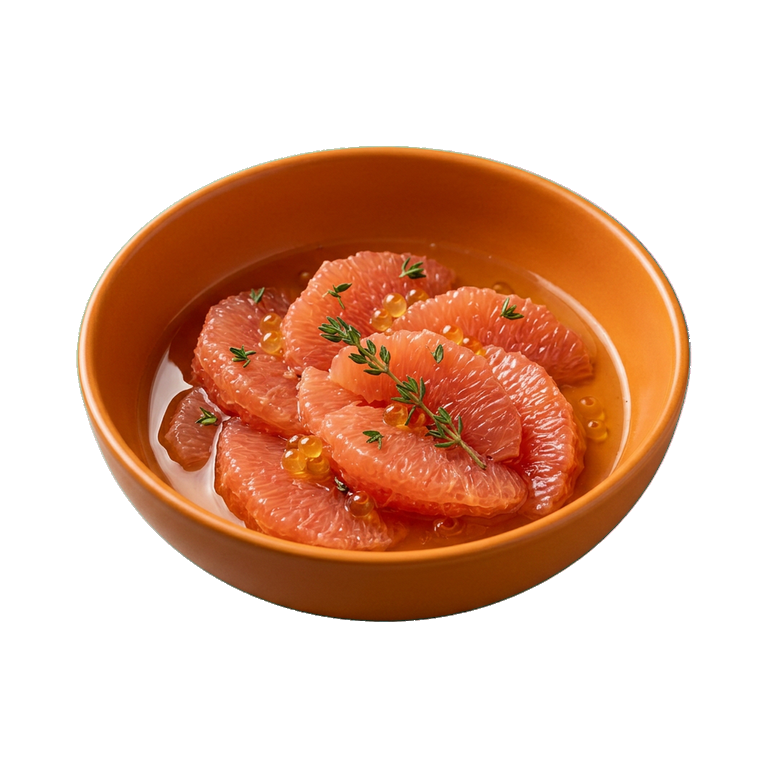
Thyme easily finds common ground with rosemary, oregano, and basil. Together they create Mediterranean harmony. With lemon and garlic, it forms a classic triad for marinades. It pairs well with olive oil, white wine, juniper, and bay leaf. If the dish already contains strong spices — pepper, coriander, cumin — thyme should be added more cautiously so it doesn't get lost.
Selection and Storage
Fresh thyme should be bright green with firm leaves without darkening. The sprigs should not be wilted or brown. If you buy dried thyme, look for whole leaves rather than crumbles — this makes it easier to control the amount and the aroma is better preserved.
- Fresh thyme — in the refrigerator in a plastic bag or container for up to two weeks; can be wrapped in a damp towel
- Dried — in an airtight jar in a dark place for up to a year; loses potency more slowly than other herbs
- Freezing — sprigs in the freezer retain aroma for several months, can be used directly from the freezer
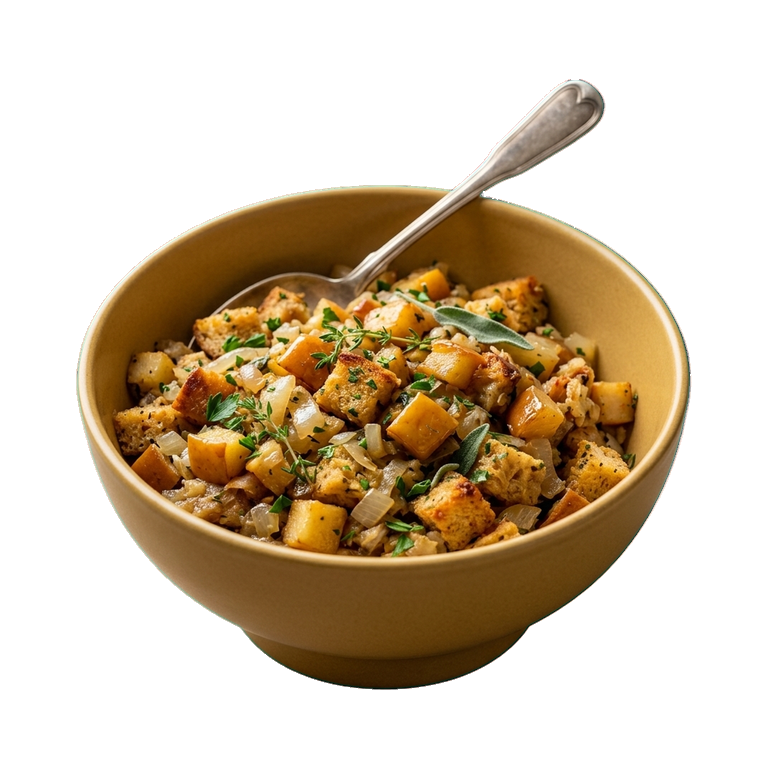
When replacing fresh thyme with dried, use approximately one-third of the amount — dried thyme is much more concentrated. If adding to a dish that will simmer for a long time, place a whole sprig so it's easier to remove later. For cold dishes and dressings, it's better to add thyme several hours before serving so the aroma can fully develop.
Thyme is an herb that becomes a reliable helper in the kitchen. It doesn't dominate, doesn't require special conditions, it simply makes a dish fuller and deeper. Try it once in several dishes, and you'll find a permanent place for it in your kitchen.
Nutrition
per 100 g
- Calories
- 101 kcal
- Protein
- 5.6 g
- Fat
- 1.7 g
- Carbs
- 24.5 g
Measures and weight
- 1 tbsp
- 5.3 g
- 1 tsp
- 1.8 g
- 1 cup
- 87.5 g
- 1 bunch
- 20 g
- 1 sprig
- 1.5 g
- 1 stalk
- 1.5 g
Measure calculator
- Weight
- 100 g
- Calories
- 101 kcal