Usuba
Usuba
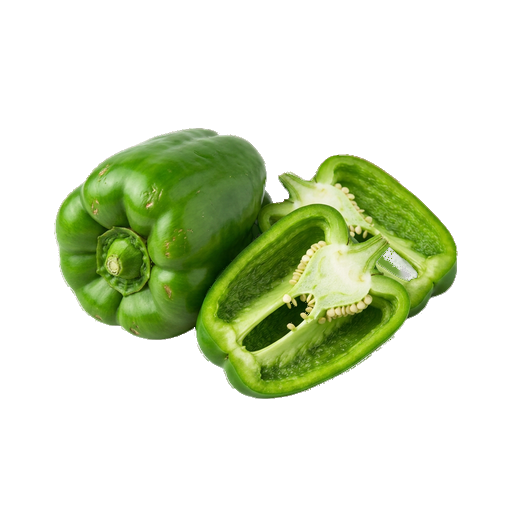
Green pepper
Green pepper is an unripe sweet pepper with firm flesh and a fresh, slightly herbaceous flavor with a mild bitterness. It is less sweet than red or yellow pepper, but more crisp and juicy, and maintains its shape well during cooking. Green pepper is versatile in cooking: it is used in salads, stewed, fried, stuffed, and added to sauces; when choosing, pay attention to smooth skin without dents or soft spots.
Micronutrients
per 100 g
Minerals
About
Green pepper is an unripe bell pepper harvested before the fruit acquires red, yellow, or orange color. It is picked at the stage of technical ripeness, when the flesh is already firm, but the chemical composition differs from ripe counterparts. In cooking, green pepper is valued for its bright, slightly bitter taste and dense structure, which maintains its shape well during heat treatment.
Aroma and Taste
Green pepper has a more pronounced, slightly sharp taste than ripe sweet varieties. It contains a light bitterness that is especially noticeable in its raw form. The aroma is fresh, herbaceous, with peppery notes. When heated, the bitterness softens, and the taste becomes more rounded and less aggressive. The flesh is dense, crispy, with pronounced juiciness.
Role in dishes
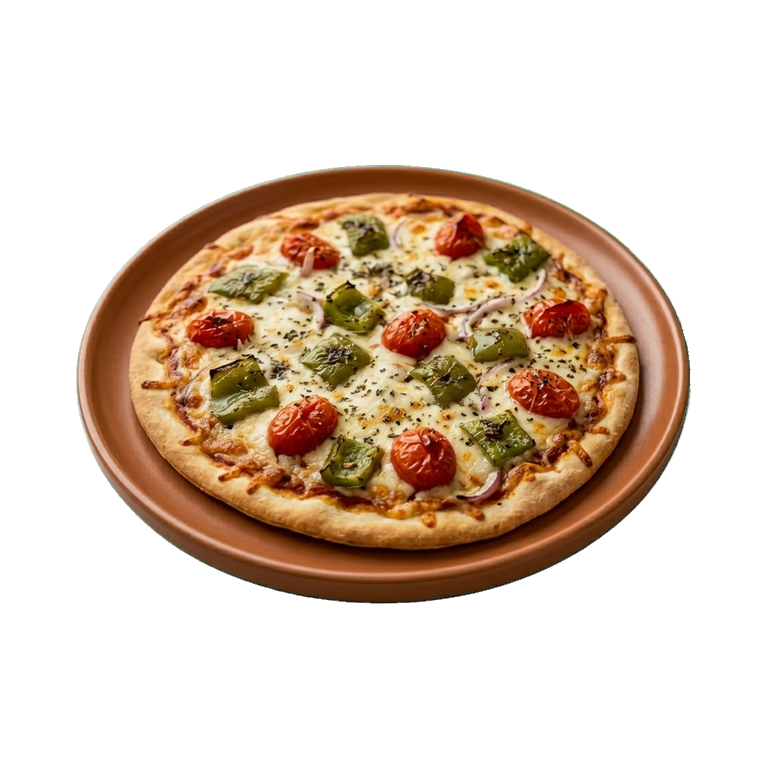
- In fresh salads, green pepper adds piquancy and crunch, pairs well with tomatoes, cucumbers, and spicy dressings
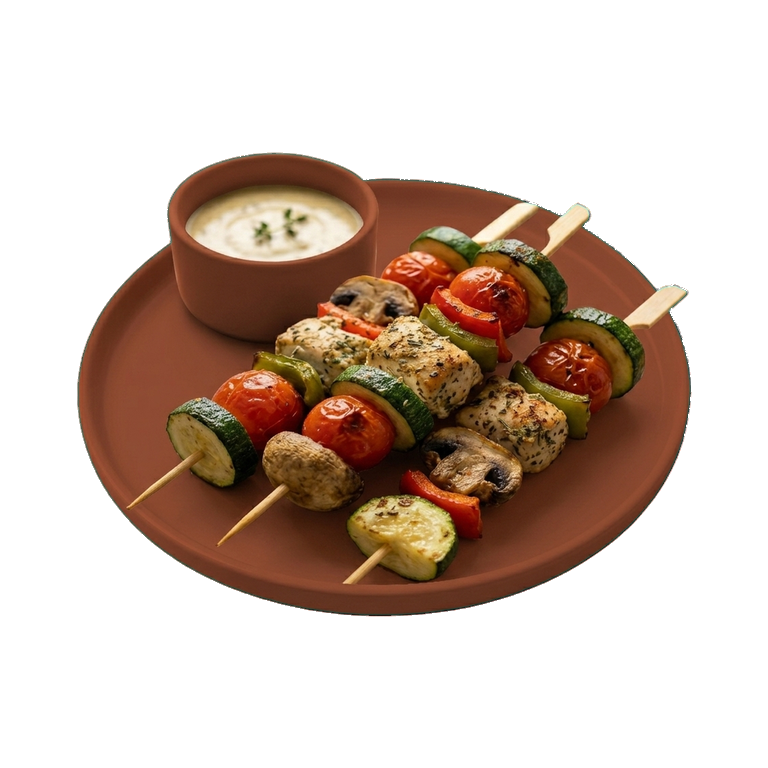
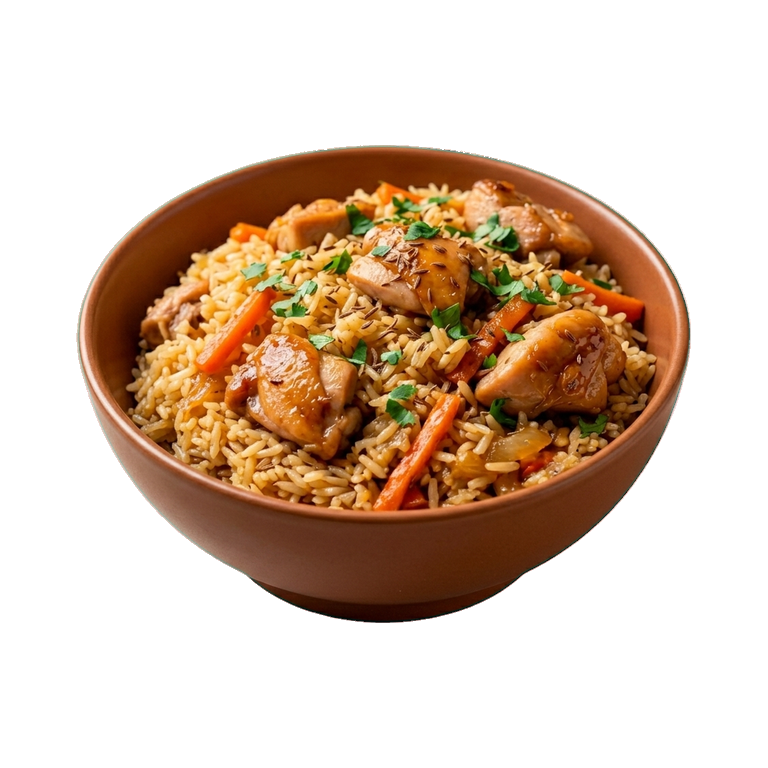
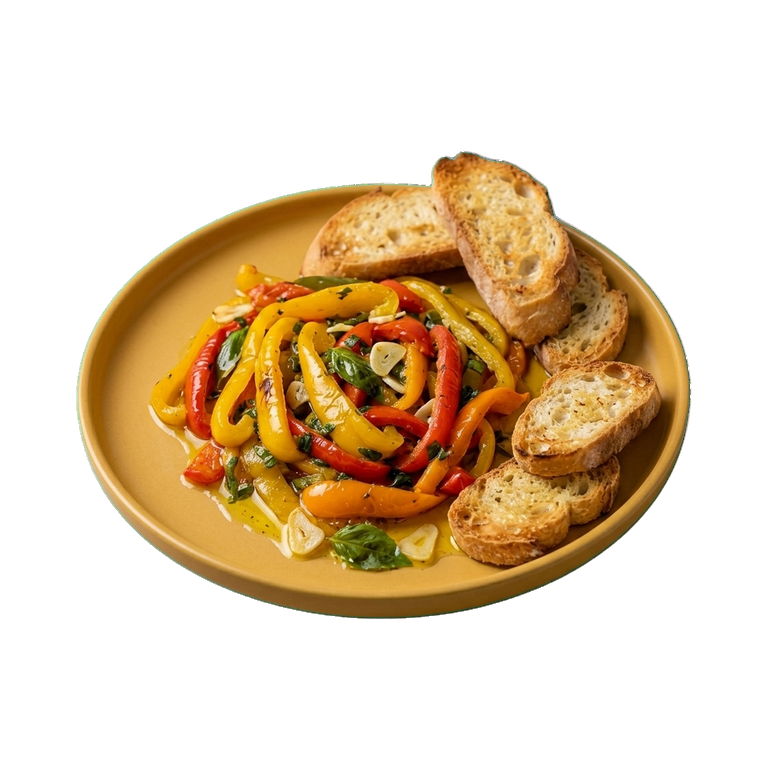
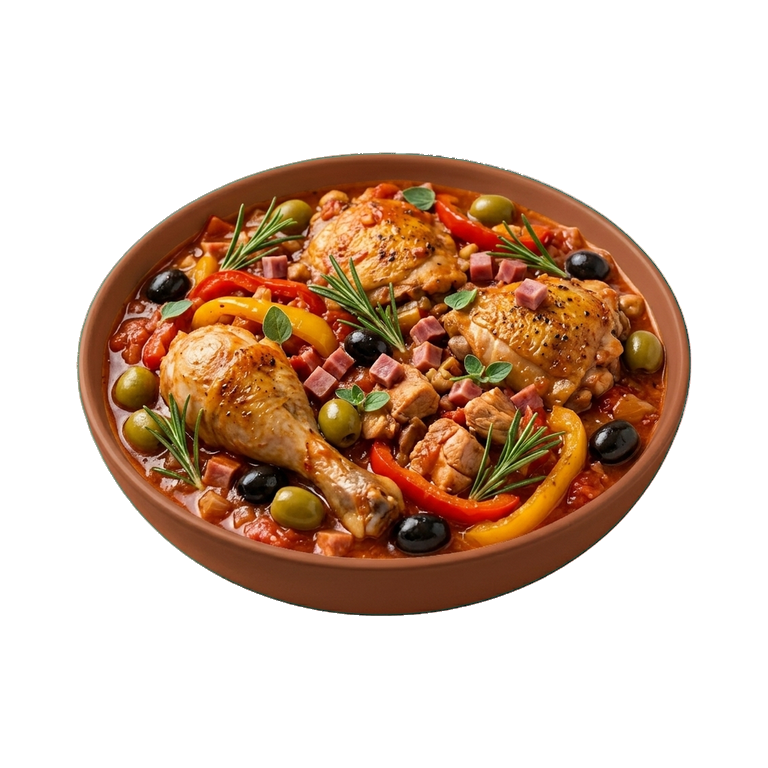
- When frying and stewing, it is used as the main ingredient or component of vegetable mix — in fajitas, stews, paella
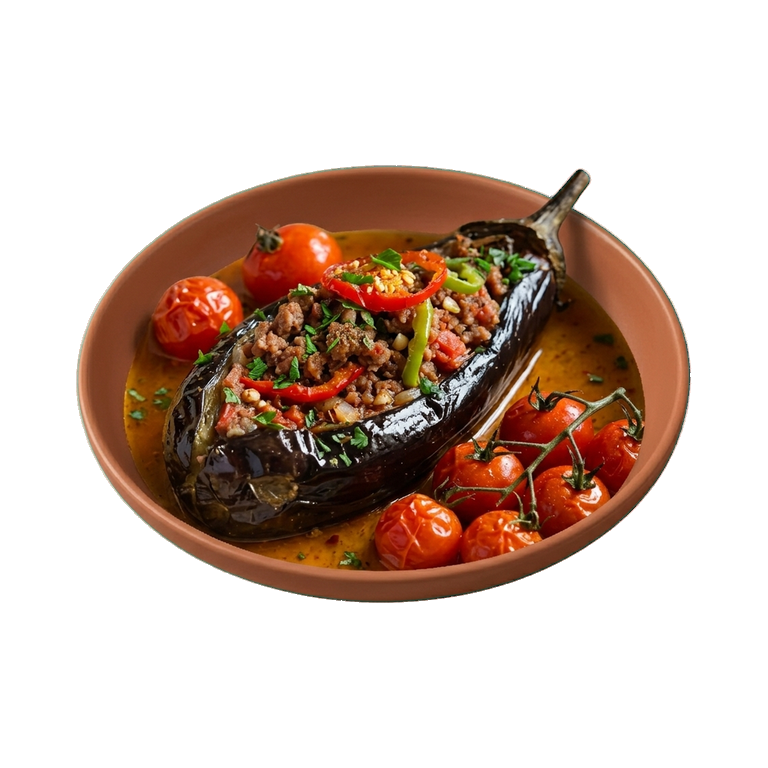
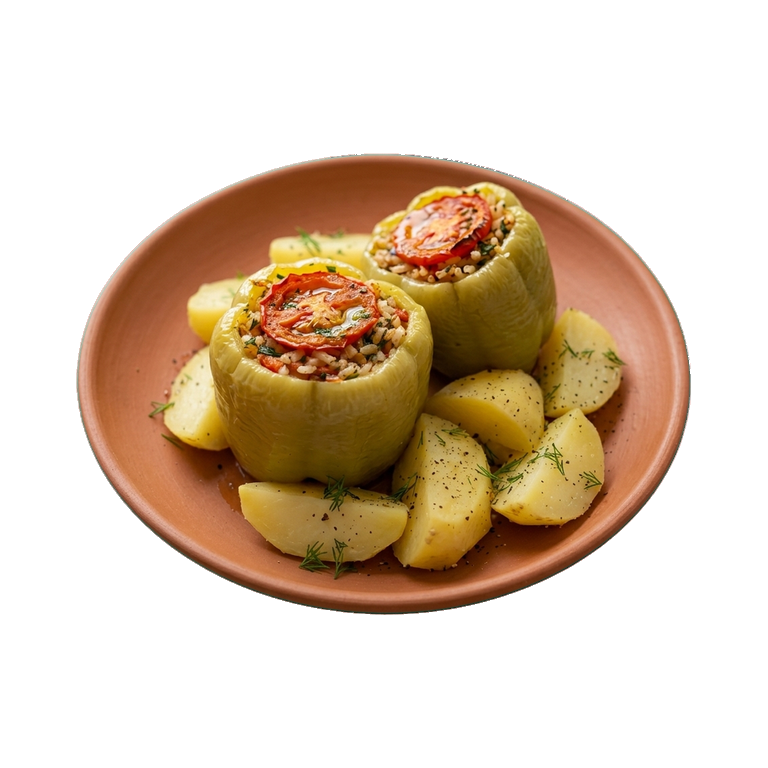
- Stuffed pepper is prepared specifically from green fruits, as they hold their shape better and don't fall apart during prolonged cooking
- In canning and pickling, green pepper retains its firmness and adds piquancy to dishes
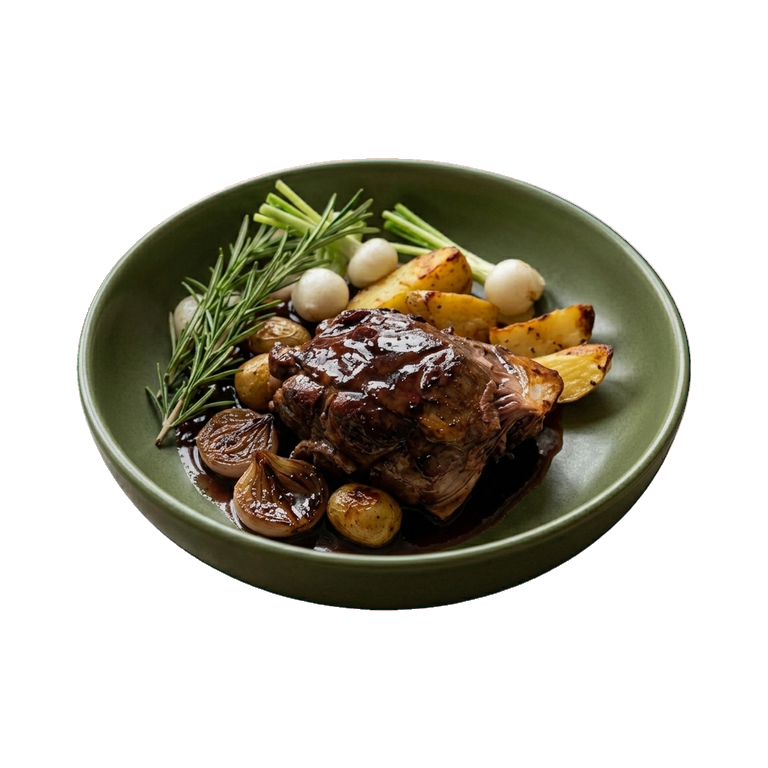
- For garnishes, vegetable stews, and meat dishes — a versatile component that doesn't overshadow the main flavor
Successful Pairings
Green pepper works well with onions, garlic, and tomatoes — this is the classic base for many dishes. Its sharpness complements meat (especially beef and chicken), fish, and seafood. Pepper pairs nicely with spices like cumin, paprika, oregano, and basil. The acidic notes of vinegar or lemon juice highlight its freshness, which is why green pepper is often found in marinades and hot sauces.
Selection and Storage
When purchasing, pay attention to the density of the fruit — the skin should be smooth, without soft spots or wrinkles. The pepper should be heavy for its size, which indicates good juiciness. Avoid peppers with dark damage or mold.
- Green pepper in the refrigerator vegetable compartment is stored for 1–2 weeks
- At room temperature it ripens and turns yellow within a few days
- You can freeze it sliced or whole — after thawing the texture will soften, but the taste will remain, so frozen pepper is suitable for stewing and cooking
- For long-term storage, pepper is marinated or preserved in oil
If green pepper seems too bitter to you in its raw form, pour hot water over it or stew it briefly — the bitterness will soften, and the taste will become more pleasant and mild.
Nutrition
per 100 g
- Calories
- 20 kcal
- Protein
- 0.9 g
- Fat
- 0.2 g
- Carbs
- 4.6 g
Micronutrients
per 100 g
Macronutrients
- Fiber
- 0.942 g
- Water
- 94.12 g
Minerals
- Sodium
- 0 mg
- Potassium
- 163.1 mg
- Calcium
- 7.5 mg
- Magnesium
- 9 mg
- Phosphorus
- 16.75 mg
- Iron
- 0.19 mg
- Zinc
- 0.13 mg
- Copper
- 0.06 mg
- Manganese
- 0.1 mg
- Selenium
- 0 mcg
Vitamins
- Vitamin C
- 99.51 mg
- Vitamin B1 (thiamin)
- 0.04 mg
- Vitamin B2 (riboflavin)
- 0.09 mg
- Vitamin B3 (niacin)
- 0.64 mg
- Vitamin B6
- 0.25 mg
Measures and weight
- 1 pcs
- 150 g
Measure calculator
- Weight
- 100 g
- Calories
- 20 kcal