Usuba
Usuba
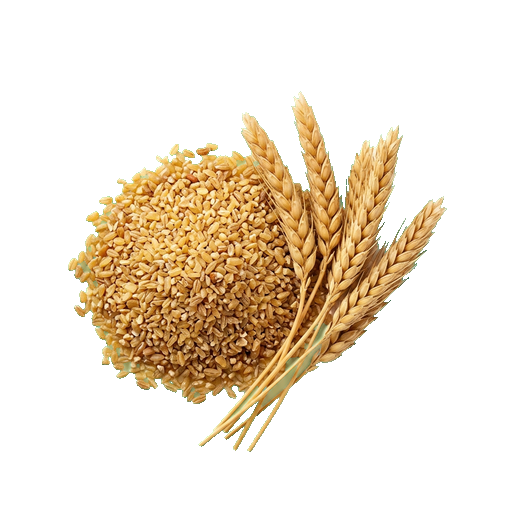
Bulgur
Bulgur is a cereal made from wheat that has been pre-boiled, dried, and cracked. The grains have a nutty flavor and quickly absorb liquid, making bulgur convenient to prepare — it cooks in 10–15 minutes without prior soaking. The cereal is traditionally used in Middle Eastern cuisine for pilafs, salads, and soups. When choosing bulgur, pay attention to the grind size: fine grind is suitable for salads and ground meat dishes, while coarse grind is better for side dishes and pilafs.
Micronutrients
per 100 g
About
Bulgur is a cracked cereal made from wheat that has undergone special processing: the grains were boiled, dried, and crushed. The result is dry, with a nutty aroma and unique texture. Unlike regular flour or whole grain, bulgur is already ready for quick cooking, making it an indispensable helper in the kitchen.
Taste and Aroma
Bulgur has a mild, slightly sweet flavor with pronounced nutty notes. The aroma is warm and grainy, reminiscent of roasted wheat. The grain absorbs the flavors of other ingredients well, making it equally suitable for neutral side dishes and rich spiced dishes.
Role in dishes
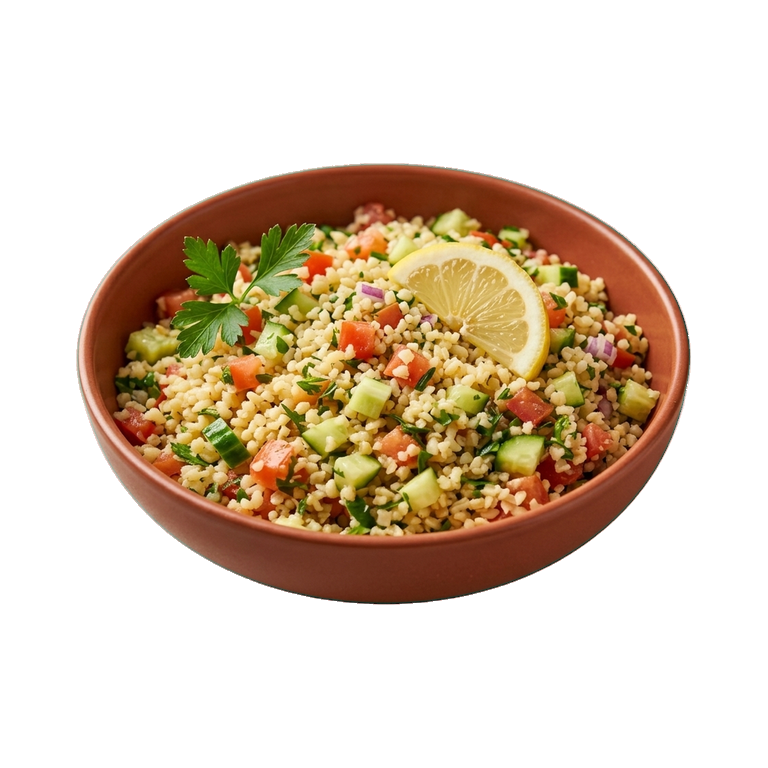
- Base for tabbouleh — a classic salad with parsley, tomatoes and lemon juice
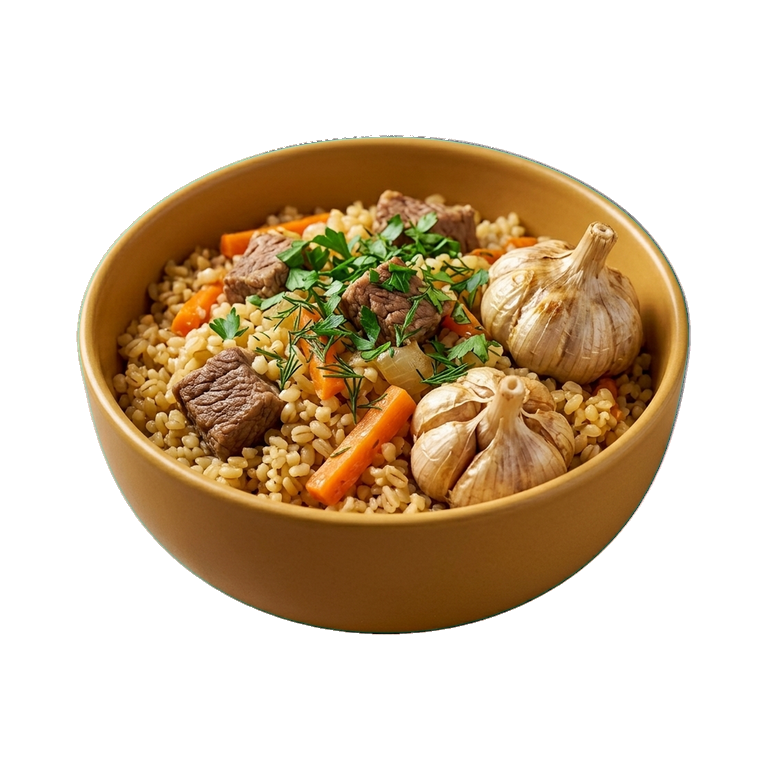
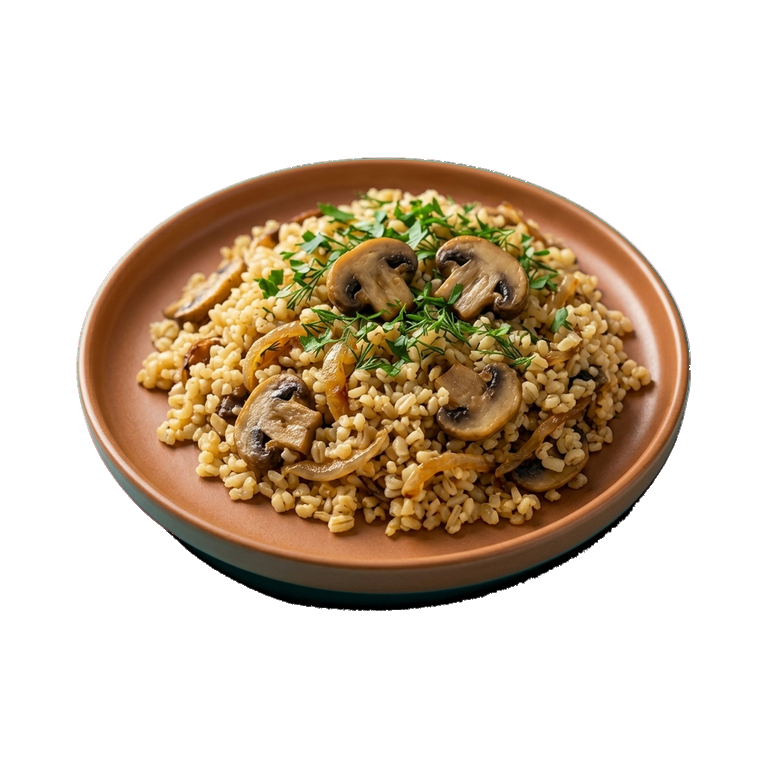
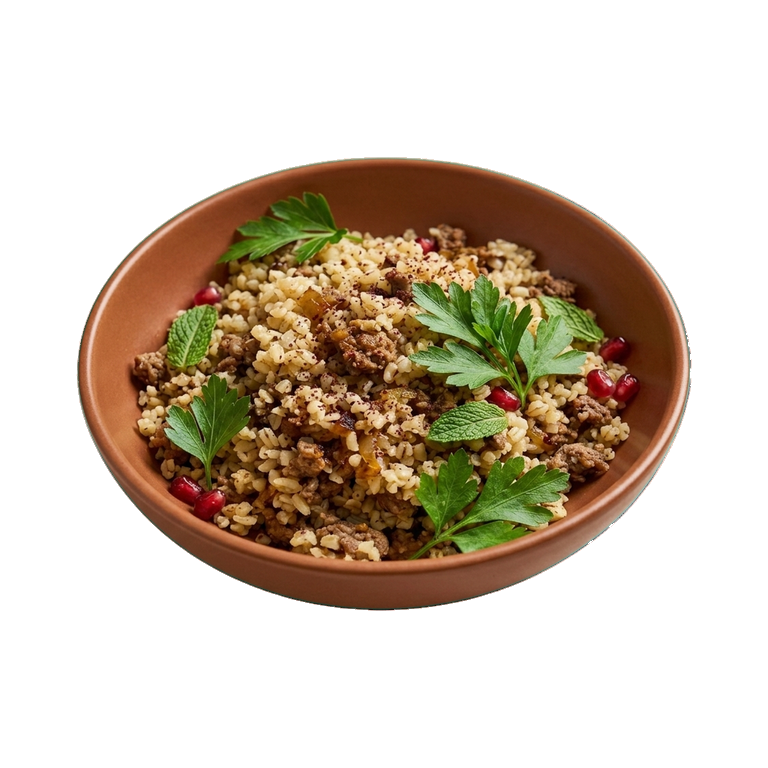
- Garnish for meat, fish and vegetables instead of rice or pasta
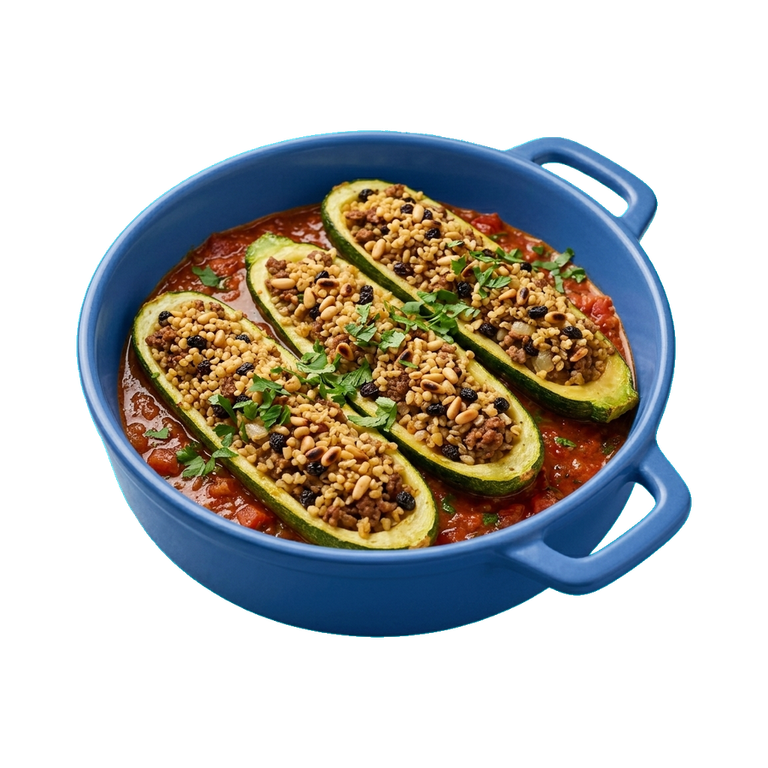
- Filler for minced meat when cooking cutlets and meatballs
- Component in soups and pilaf to add texture
- Base for hot porridges with vegetables and spices
Cooking
Bulgur cooks very quickly. The simplest way is to pour boiling water in a 1:2 ratio (one part grain to two parts liquid), cover with a lid, and let it sit for 10–15 minutes. The water will be completely absorbed, and the bulgur will be ready. If you want a more pronounced flavor, first fry the grain in oil for 2–3 minutes, then pour hot broth over it.
Selection and Storage
Bulgur comes in three main grain sizes: fine (for salads and porridges), medium (universal option), and coarse (for pilaf and side dishes). Choose bulgur without foreign odors, lumps, or moisture. Store bulgur in an airtight container or glass jar in a cool, dry place — with proper storage, it will keep for six months or longer.
Successful Combinations
- Fresh herbs: parsley, mint, cilantro
- Citrus: lemon and lime for acidity
- Vegetables: tomatoes, cucumbers, bell pepper
- Spices: cumin, paprika, black pepper, cinnamon
- Proteins: chickpeas, lentils, meat, fish
- Oils: olive oil, sesame oil
Bulgur is not just an economical and nutritious ingredient, it is a tool that allows you to quickly prepare a complete dish. Its neutral character and cooking speed make it an ideal choice for everyday cooking, and its rich flavor is sufficient for a festive table.
Nutrition
per 100 g
- Calories
- 342 kcal
- Protein
- 12.3 g
- Fat
- 1.3 g
- Carbs
- 75.9 g
Micronutrients
per 100 g
Macronutrients
- Fiber
- 11.72 g
- Water
- 8.485 g
Minerals
- Sodium
- 2.18 mg
- Potassium
- 358.3 mg
- Calcium
- 34.11 mg
- Magnesium
- 118.9 mg
- Phosphorus
- 312.1 mg
- Iron
- 2.63 mg
- Zinc
- 2.15 mg
- Copper
- 0.38 mg
- Manganese
- 2.64 mg
Vitamins
- Vitamin B1 (thiamin)
- 0.23 mg
- Vitamin B3 (niacin)
- 5.18 mg
- Vitamin B6
- 0.22 mg
Measures and weight
- 1 tbsp
- 11.3 g
- 1 tsp
- 3.8 g
- 1 cup
- 187.5 g
Measure calculator
- Weight
- 100 g
- Calories
- 342 kcal