Usuba
Usuba
Daikon
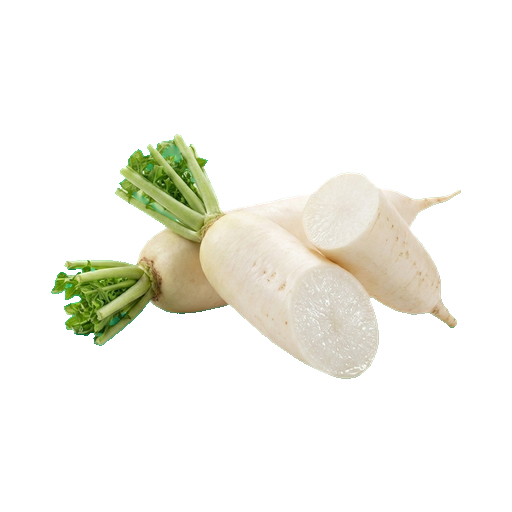
Daikon is a Japanese variety of radish with a mild, slightly sweet taste and tender, juicy flesh. The root vegetable has a white color, an elongated shape, and contains almost no bitterness characteristic of regular radishes. In cooking, it is used both raw for salads and in stewed, boiled, and pickled dishes, as well as in soups and side dishes. When selecting, pay attention to density and the absence of soft spots. Regular radish can be used as a substitute, although the taste will be more sharp and pungent.
Micronutrients
per 100 g
Minerals
About
Daikon is a white radish, often called a Japanese radish. It differs from the familiar radish in size, tenderness, and delicate flavor. The root vegetable can grow up to 30 centimeters in length, yet remains tender and juicy. In cooking, daikon is valued for its versatility: it is eaten raw, boiled, fried, pickled, and even dried.
Taste and Aroma
The taste of daikon is milder than regular radish — there is a pungency, but it is not aggressive. Young daikon is almost slightly sweet, with a pleasant crispy texture. Over time during storage, the pungency may intensify. The aroma is fresh, vegetable-like, without sharp notes.
Role in dishes
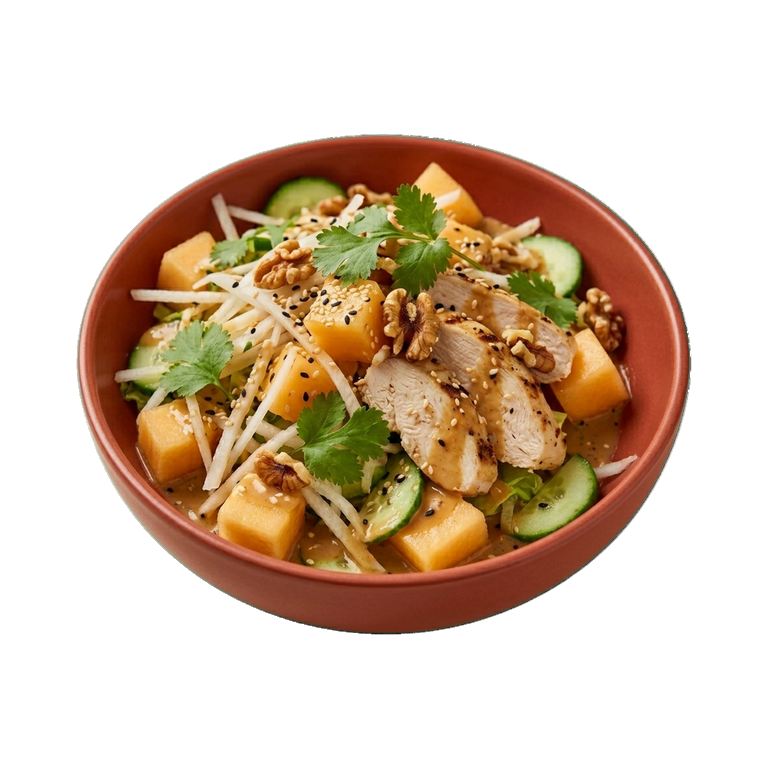
Raw daikon is the foundation of Asian salads. It is cut into thin strips, added to sushi and rolls, and placed in light vegetable mixes. The crispy texture is preserved even in dressing, which makes daikon an excellent contrasting component to soft ingredients.
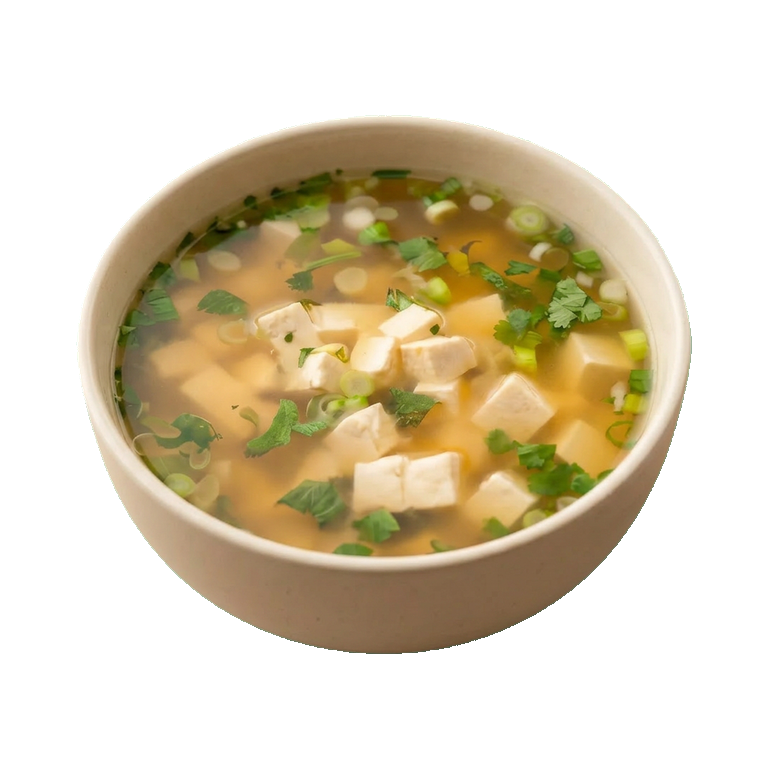
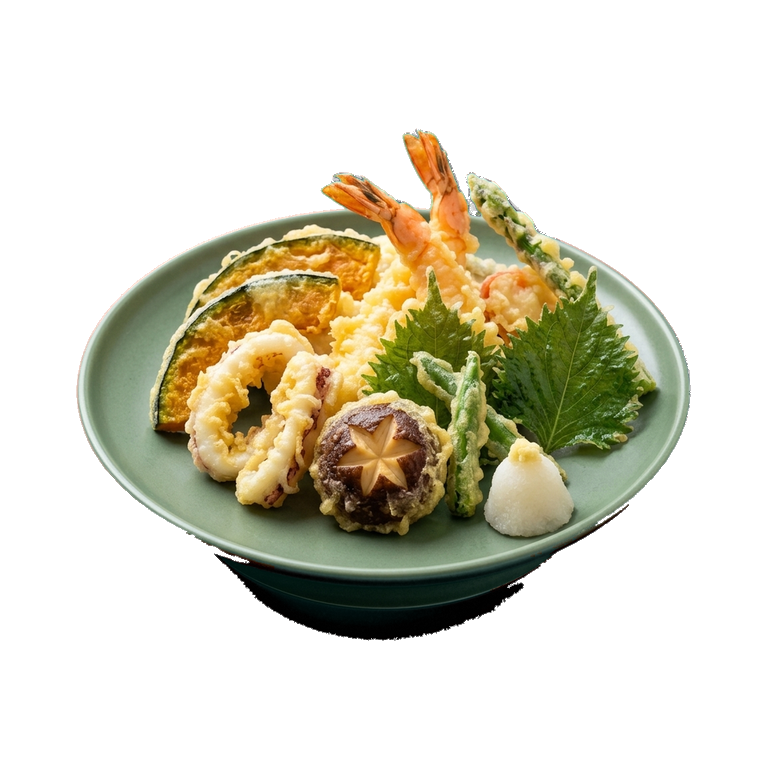
During heat treatment, daikon loses its pungency and becomes almost neutral, absorbing the flavors of neighboring ingredients. It is added to soups, stewed with meat and vegetables, and deep-fried. In Japanese cuisine, daikon is often found in miso soups and as part of vegetable side dishes.
Pickling and Canning
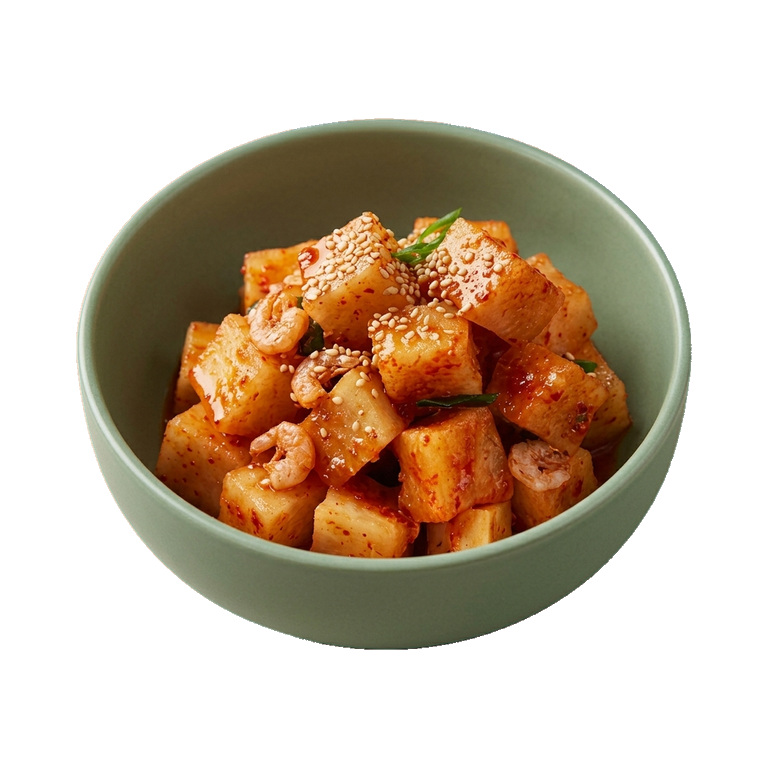
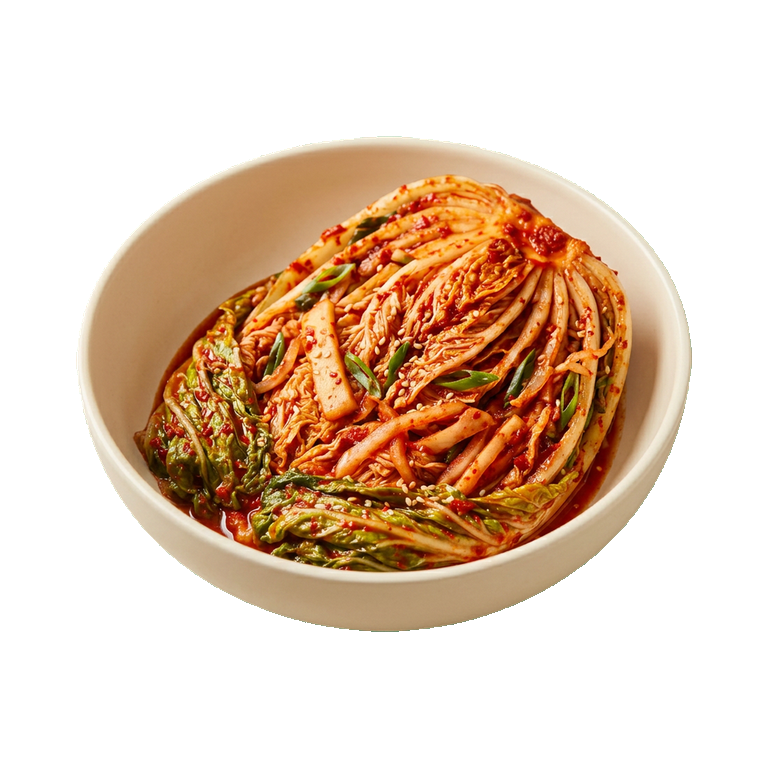
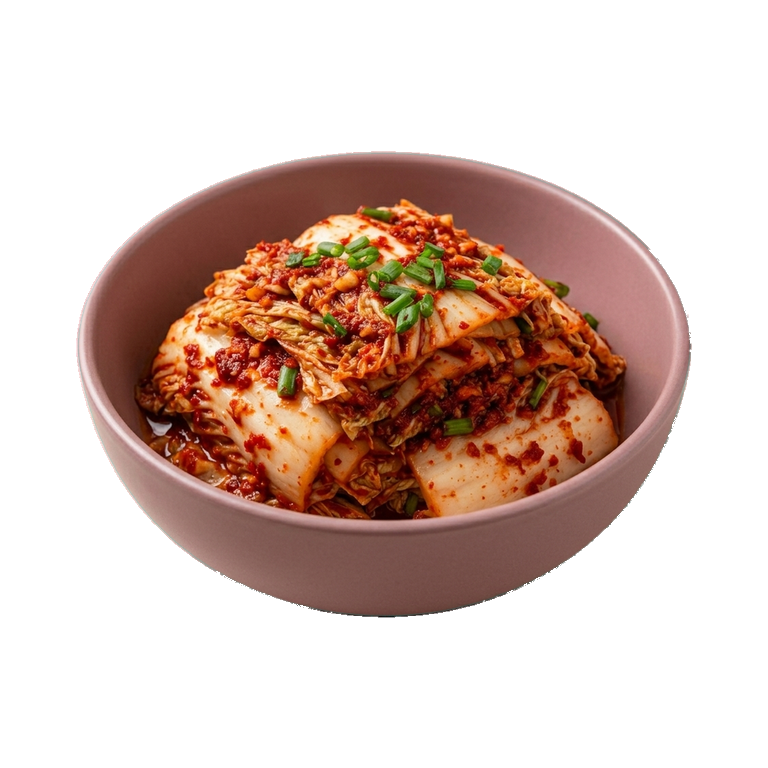
Pickled daikon is a popular appetizer and side dish. It is cut into cubes or sticks, then poured with rice vinegar, sugar, and salt. This preparation stores for a long time and becomes softer, but retains a pleasant crunch. Pickled daikon is often served with sushi and Asian dishes as a refreshing element.
Selection and Storage
Choose daikon that is firm, without soft spots or damage. The root vegetable should be heavy for its size — this is a sign of juiciness. Young daikon is more tender, but a mature specimen, when stored properly, remains delicious. The skin should be smooth, white or with a barely noticeable yellow tint.
Store daikon in the refrigerator in a bag or container — this keeps it moist and crispy for up to two weeks. If daikon wilts, place it in cold water for an hour, and it will regain its firmness. Sliced daikon should be used within a few hours so it doesn't lose its texture.
Combinations and ideas
- With soy sauce and sesame oil — a classic Asian combination
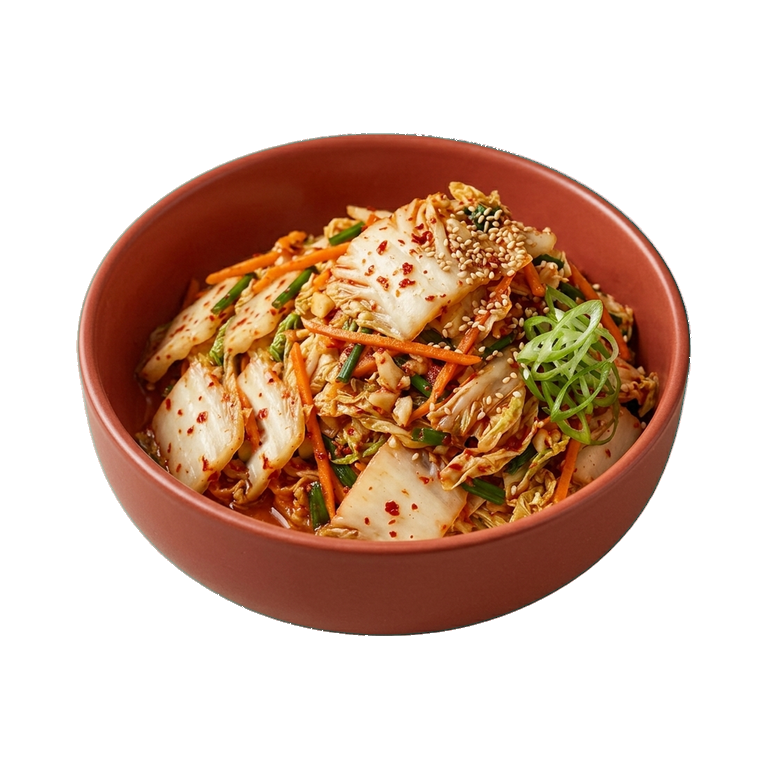
- In salads with carrots, cucumbers and light ginger dressing
- In soups with broth, seafood and vegetables
- Deep fried as a crispy side dish
- Marinated as an appetizer to pair with hearty meat dishes
Daikon is a grateful ingredient that easily adapts to different cooking styles. Its mild flavor doesn't compete with other components, and the texture always remains relevant — crispy in raw form or tender in a cooked dish. Try adding daikon to your usual salads or soups, and you'll notice how it enriches the dish with freshness and lightness.
Nutrition
per 100 g
- Calories
- 18 kcal
- Protein
- 1.2 g
- Fat
- 0.1 g
- Carbs
- 3.9 g
Micronutrients
per 100 g
Macronutrients
- Fiber
- 1.6 g
- Sugars
- 2.5 g
- Saturated fat
- 0.03 g
- Monounsaturated fat
- 0.017 g
- Polyunsaturated fat
- 0.045 g
- Omega-3 (EPA + DHA)
- 0 g
- Cholesterol
- 0 mg
- Water
- 94.62 g
Minerals
- Sodium
- 21 mg
- Potassium
- 227 mg
- Calcium
- 27 mg
- Magnesium
- 16 mg
- Phosphorus
- 23 mg
- Iron
- 0.4 mg
- Zinc
- 0.15 mg
- Copper
- 0.12 mg
- Manganese
- 0.04 mg
- Selenium
- 0.7 mcg
Vitamins
- Vitamin A (RAE)
- 0 mcg
- Vitamin D
- 0 mcg
- Vitamin E
- 0 mg
- Vitamin K
- 0.3 mcg
- Vitamin C
- 22 mg
- Vitamin B1 (thiamin)
- 0.02 mg
- Vitamin B2 (riboflavin)
- 0.02 mg
- Vitamin B3 (niacin)
- 0.2 mg
- Vitamin B5 (pantothenic acid)
- 0.14 mg
- Vitamin B6
- 0.05 mg
- Vitamin B9 (folate, DFE)
- 28 mcg
- Vitamin B12
- 0 mcg
Measures and weight
- 1 pcs
- 300 g
- 1 slice
- 50 g
Measure calculator
- Weight
- 100 g
- Calories
- 18 kcal