Usuba
Usuba
Fennel seeds
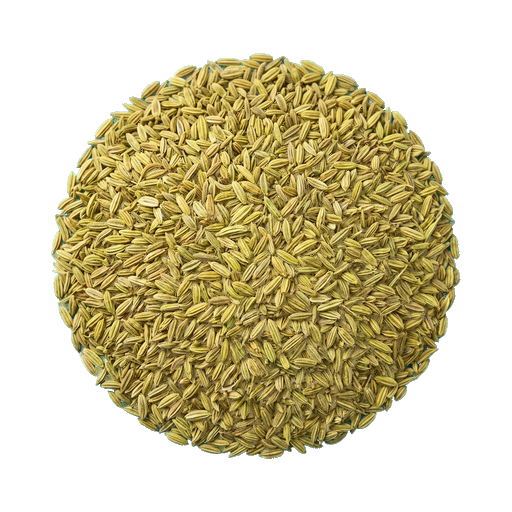
Fennel seeds are small, slightly elongated seeds with a yellow-green hue, characterized by a sweet anise aroma and mild spicy flavor with a subtle bitterness. They are used in Indian, Italian, and Asian cuisines to flavor bread, sausages, marinades, and fish dishes, as well as added to tea and beverages. When purchasing, choose seeds with bright color and strong aroma, and store them in an airtight container in a cool place, as they quickly lose their fragrance.
Micronutrients
per 100 g
Minerals
About
Fennel seeds are small, oblong grains with a yellow-green tint that smell like anise, but sound bolder and warmer. They bring a sweet, slightly sharp taste with a subtle bitterness and spicy notes to the kitchen. It's not just a seasoning — it's a working tool that changes the character of a dish and aids digestion.
Aroma and Taste
Fresh fennel seeds emit a spicy, slightly sweet aroma that becomes even more intense if you lightly warm the seeds in a dry pan. The flavor unfolds gradually: first you sense sweetness, then warmth and a light piquancy follow. No harshness whatsoever — only harmonious spice that doesn't overpower the main ingredients but rather enhances them.
Where and how to use
Fennel seeds work everywhere a delicate spice is needed. They are great in marinades for fish and seafood, add depth to meat stews and curries. Try them in bread, cookies, or even in milk with honey before bed. Indian cuisine is incomplete without them as part of garam masala and in the preparation of vegetable dishes.
- Heat on a dry pan before use to unlock the full aroma
- Add at the beginning of cooking to hot oil or oil with onions — this way the spice will fully develop in the dish
- For a delicate flavor, sprinkle seeds at the end of cooking or use them whole in marinades
- Grind in a mortar if you want a more intense effect
What pairs well with
Fennel pairs well with turmeric, coriander, cumin, and black pepper — together they create classic spice blends. In the kitchen, it works well with fish, carrots, onions, tomatoes, and cream sauces. A combination with lemon or orange adds freshness, with honey — softness and roundness of flavor.
Selection and Storage
Choose seeds with a bright yellow-green color, free from dust and signs of moisture. Smell them before buying — the aroma should be clean and pleasant, without any staleness. Fresh seeds smell stronger and taste better than those that have been sitting on the shelf for a long time.
- Store in a sealed glass jar in a cool, dark place away from sunlight
- Whole seeds keep for 3–4 months, ground seeds lose their aroma faster, use them within a month
- Don't keep near strongly scented products — fennel absorbs foreign odors
Fennel seeds are the kind of spice that doesn't shout about itself, but makes a dish better. Start with small amounts, feel how they work in your favorite recipes, and gradually find your own way to use them.
Nutrition
per 100 g
- Calories
- 345 kcal
- Protein
- 15.8 g
- Fat
- 14.9 g
- Carbs
- 52.3 g
Micronutrients
per 100 g
Macronutrients
- Fiber
- 39.8 g
- Saturated fat
- 0.48 g
- Monounsaturated fat
- 9.91 g
- Polyunsaturated fat
- 1.69 g
- Cholesterol
- 0 mg
- Water
- 8.81 g
Minerals
- Sodium
- 88 mg
- Potassium
- 1694 mg
- Calcium
- 1196 mg
- Magnesium
- 385 mg
- Phosphorus
- 487 mg
- Iron
- 18.54 mg
- Zinc
- 3.7 mg
- Copper
- 1.07 mg
- Manganese
- 6.53 mg
Vitamins
- Vitamin A (RAE)
- 7 mcg
- Vitamin D
- 0 mcg
- Vitamin C
- 21 mg
- Vitamin B1 (thiamin)
- 0.41 mg
- Vitamin B2 (riboflavin)
- 0.35 mg
- Vitamin B3 (niacin)
- 6.05 mg
- Vitamin B6
- 0.47 mg
- Vitamin B12
- 0 mcg
Measures and weight
- 1 tbsp
- 10.5 g
- 1 tsp
- 3.5 g
- 1 cup
- 175 g
Measure calculator
- Weight
- 100 g
- Calories
- 345 kcal