Usuba
Usuba
Flaxseed flour
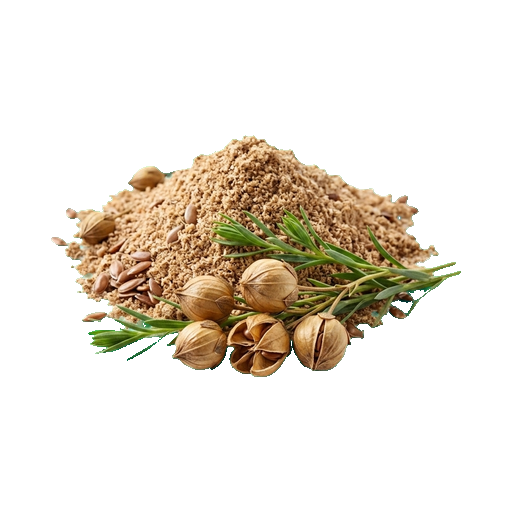
Flaxseed flour is made from ground flax seeds and contains plenty of plant-based protein, fiber, and healthy fats. It is used in baking, smoothies, and porridge, often mixed with wheat flour, since on its own it produces a dense texture and a slightly nutty flavor. When substituting regular flour with flaxseed flour, you need to add more liquid to the dough, as flaxseed flour absorbs moisture more actively.
Micronutrients
per 100 g
Minerals
About
Flax flour is ground flaxseeds that are added to baked goods, cereals, and smoothies for nutrition and a subtle nutty flavor. It contains no gluten, holds moisture well in dough, and makes the finished product denser and more filling. If you're looking for a way to enrich your everyday dishes with omega-3 and fiber, this is one of the simplest options.
Taste and Aroma
Flaxseed flour has a mild nutty flavor with a barely noticeable bitterness that becomes apparent if the flour was stored improperly or has been sitting for a long time. The aroma is delicate, earthy, and unobtrusive — it doesn't overpower other ingredients in the dish, but rather emphasizes them. When heated, the smell becomes slightly more pronounced, but remains pleasant and subtle.
How to use in cooking
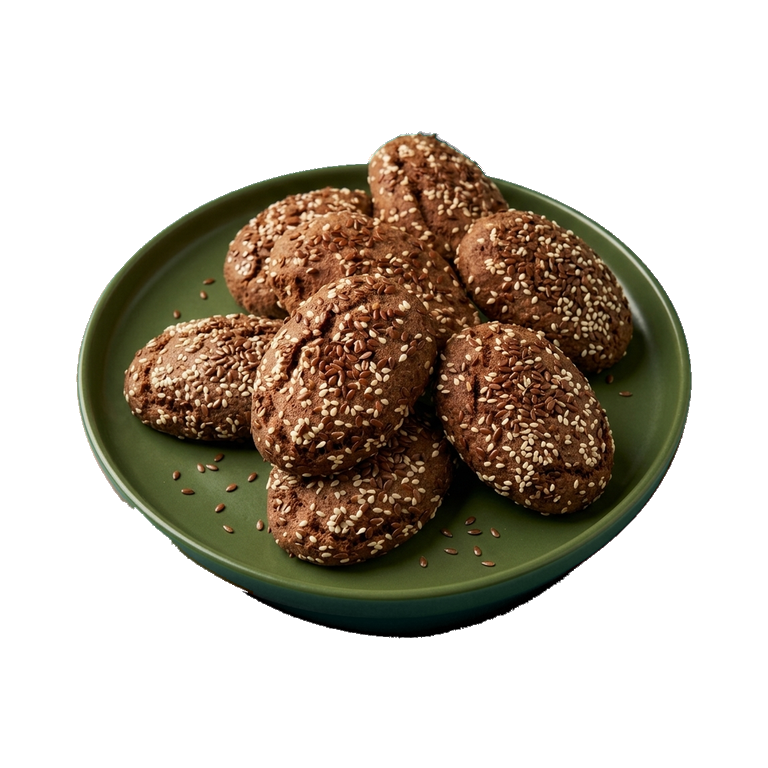
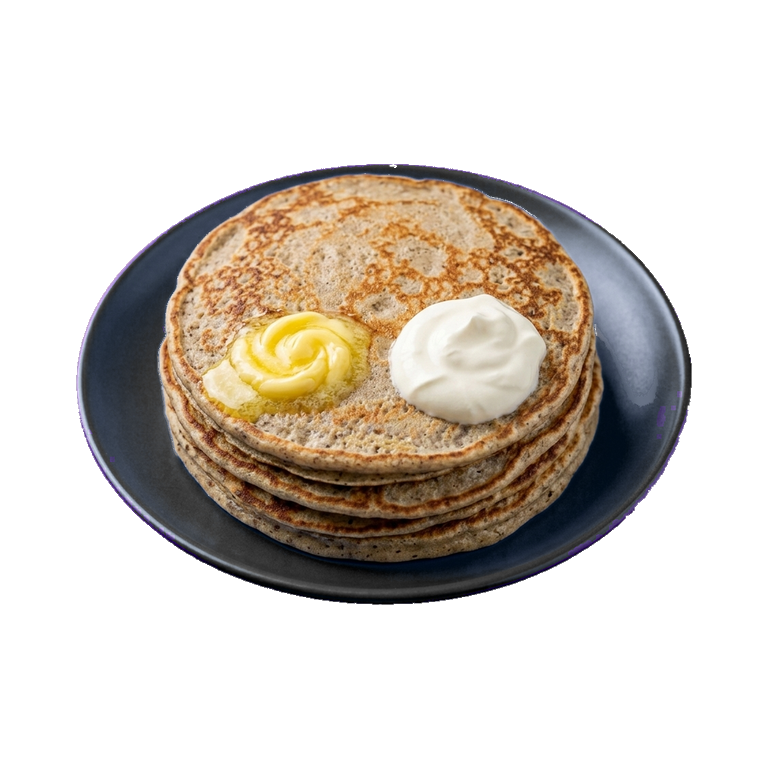
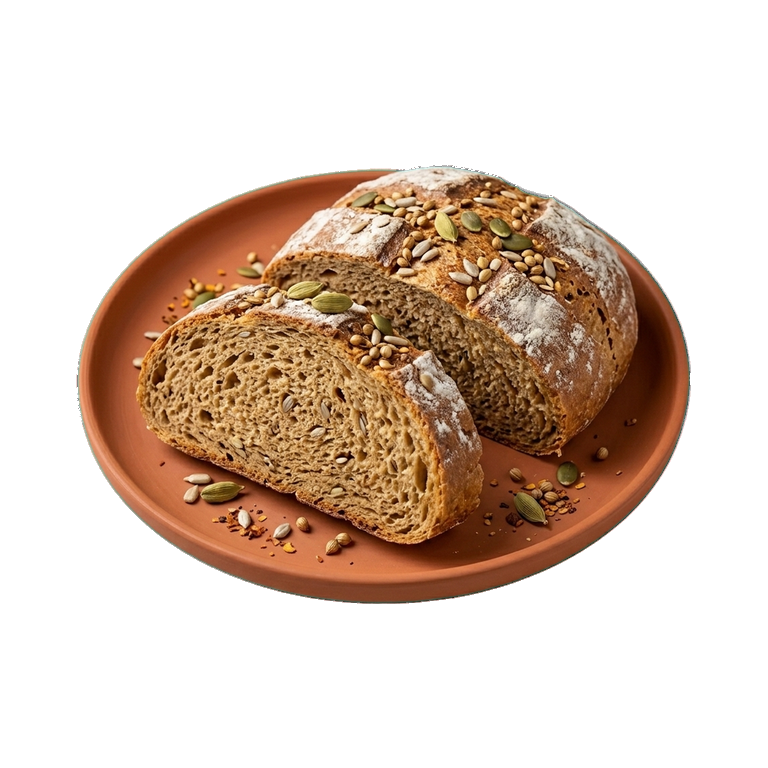
In baking, flaxseed flour is usually added no more than 15–20% of the total flour volume, otherwise the dough will become too dense and crumbly. It works well in bread, cookies, muffins, and pancakes. You can mix it with wheat flour or other types of flour, or use it pure for low-carb baking.
- Cereals and muesli — add a spoonful of flour directly to a bowl of oatmeal or yogurt
- Smoothies and drinks — stir into milk or plant-based drink for greater satiety
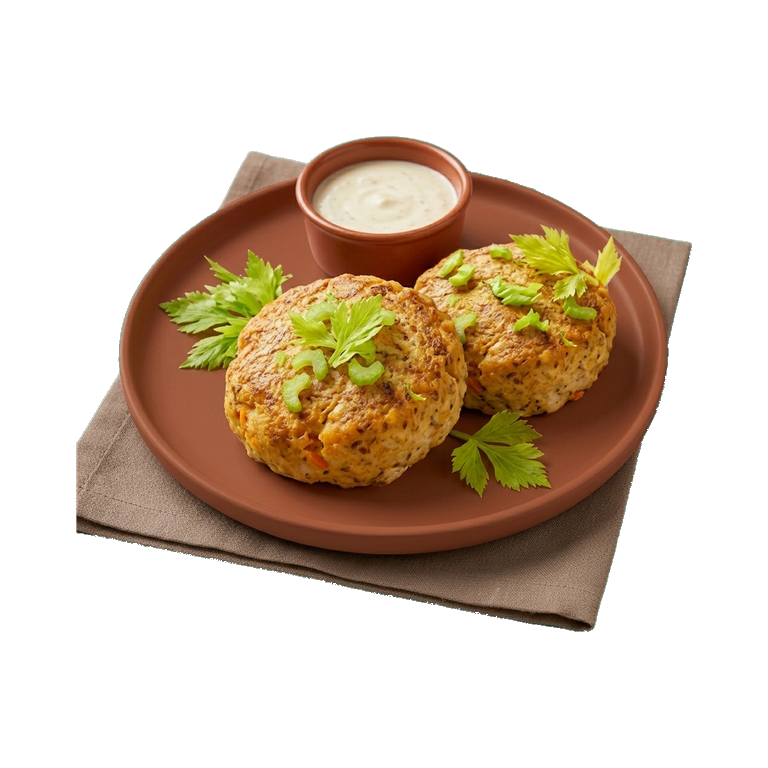
- Breading — mix with breadcrumbs or other flour for breading meat or fish
- Sauce thickener — a small amount helps thicken thin gravies
Selection and Storage
Choose flour with a uniform color — from light brown to brown. If the flour is too dark or smells like rancid oil, this is a sign of oxidation. Flaxseed flour contains a lot of fat, so it spoils quickly. Store it in an airtight container in the refrigerator or freezer — this way it will keep fresh for several months. At room temperature, the shelf life is reduced to 2–3 weeks.
What pairs well
- Wheat, rye, and cornmeal — for balanced flavor and texture
- Honey and brown sugar — for soft sweetness in baking
- Spices: cinnamon, ginger, cardamom — highlight nuttiness
- Nuts and seeds — walnuts, sunflower seeds, sesame
- Berries and fruits — add freshness to dense texture
Flaxseed flour is a practical ingredient for those who want to make their favorite dishes more nutritious without complicated manipulations. It requires minimal preparation and integrates well into various recipes. The main thing is to remember its tendency to oxidize and not overcomplicate the recipe with too much of it.
Nutrition
per 100 g
- Calories
- 534 kcal
- Protein
- 20.3 g
- Fat
- 42.2 g
- Carbs
- 28.9 g
Micronutrients
per 100 g
Macronutrients
- Fiber
- 23.13 g
- Saturated fat
- 3.281 g
- Monounsaturated fat
- 5.944 g
- Polyunsaturated fat
- 24.73 g
- Water
- 6.804 g
Minerals
- Sodium
- 36.74 mg
- Potassium
- 793.4 mg
- Calcium
- 229.9 mg
- Magnesium
- 372.1 mg
- Phosphorus
- 556.4 mg
- Iron
- 5.78 mg
- Zinc
- 4.74 mg
- Copper
- 1.34 mg
- Manganese
- 2.4 mg
- Selenium
- 135.9 mcg
Vitamins
- Vitamin E
- 0 mg
- Vitamin K
- 3.7 mcg
- Vitamin B1 (thiamin)
- 0.54 mg
- Vitamin B3 (niacin)
- 3.76 mg
- Vitamin B6
- 0.39 mg
Measures and weight
- 1 tbsp
- 9.8 g
- 1 tsp
- 3.3 g
- 1 cup
- 162.5 g
Measure calculator
- Weight
- 100 g
- Calories
- 534 kcal