Usuba
Usuba
Garlic
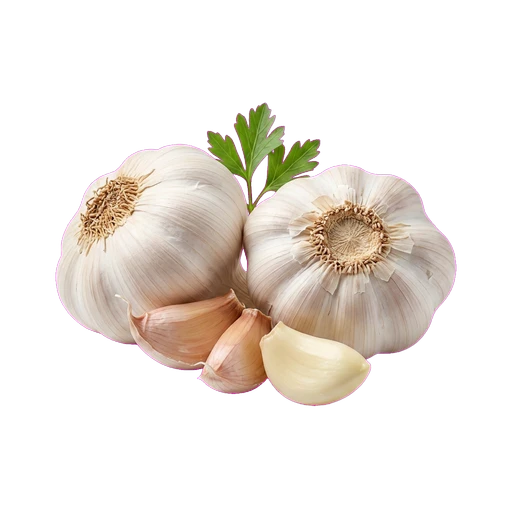
Garlic — a pungent bulb with a sharp, burning flavor and strong aroma that mellows with heat. Used as a base flavoring in soups, sauces, marinades, and meat dishes, as well as raw in dressings and appetizers. When selecting, prefer firm bulbs with intact skin, and when substituting with other ingredients, keep in mind that fresh garlic provides a more pronounced flavor than dried or granulated garlic.
Micronutrients
per 100 g
Minerals
Vitamins
About
Aroma and taste
Garlic is not just a seasoning, but a full-fledged ingredient that transforms a dish depending on how it's processed. Raw garlic is sharp and pungent, with a strong smell that lingers on your hands and breath. Once you stew or bake it, it becomes soft, slightly sweet, almost creamy. This quality makes it versatile: from a sharp accent in a salad to a delicate base for sauces and pastes.
Role in dishes
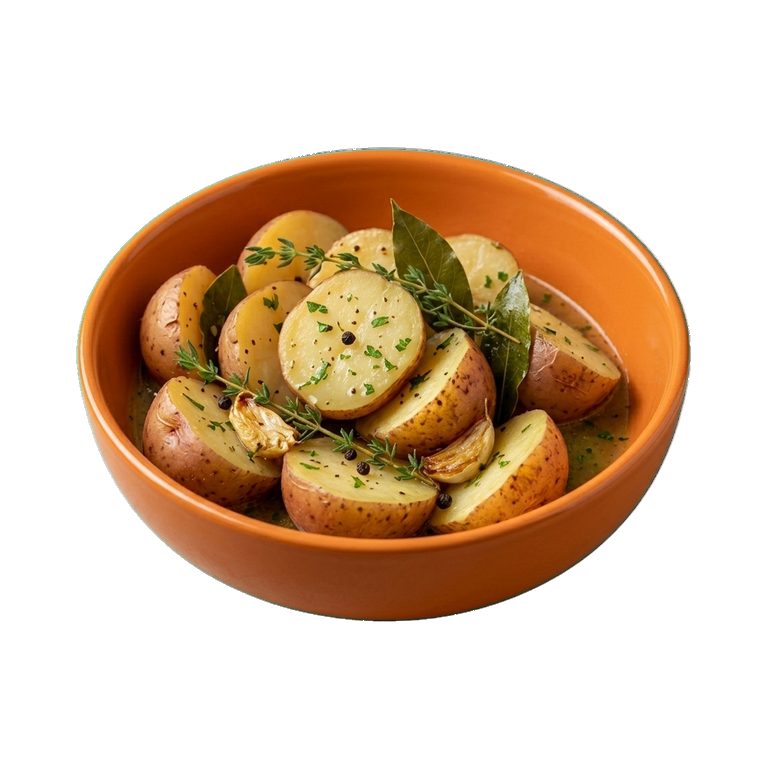
In the kitchen, garlic works on different levels. It can be a background, enhancing other flavors — add a clove to hot oil at the beginning of cooking, and the entire base will acquire depth. Or it can become a hero — a whole head baked in the oven transforms into a tender side dish. Finely chopped raw garlic in dressings and marinades gives a piercing sharpness, while pressed or grated garlic distributes evenly and penetrates into every pore of the dish.
Combinations and Techniques
- With herbs: parsley, basil, rosemary, thyme — garlic emphasizes their aroma
- With acidity: lemon juice, vinegar, tomatoes — contrast with the heat and soften it
- With oil: olive, butter — create smooth, coating sauces
- With spice: chili pepper, mustard — intensify the burn or create layered heat
Technique matters. Whole cloves in boiling oil release their aroma without falling apart. Minced garlic cooks faster and distributes more evenly. If you overheat it — it becomes bitter, so add it at the last moment or cook over medium heat. For puree, use pressed or crushed garlic with salt — it becomes almost buttery.
Selection and Storage
Good garlic is firm, without soft spots and sprouts. The bulb should be heavy for its size — this is a sign of juiciness. White and purple garlic are roughly similar in taste, the difference is more in shelf life. Store in a cool, dry place — at room temperature it will last for months. In the refrigerator it sprouts faster. Peeled cloves in oil or vinegar are stored in a glass jar, but use them within a week and watch for signs of mold.
Remember: the amount of garlic depends on whether you want to feel it or just hint at it. Start with less — it's always easier to add than to remove.
Nutrition
per 100 g
- Calories
- 149 kcal
- Protein
- 6.6 g
- Fat
- 0.5 g
- Carbs
- 33.1 g
Micronutrients
per 100 g
Macronutrients
- Fiber
- 2.7 g
- Water
- 63.1 g
Minerals
- Selenium
- 9.8 mcg
Vitamins
- Vitamin C
- 10 mg
Measures and weight
- 1 pcs
- 40 g
- 1 clove
- 3 g
- 1 head
- 45 g
Measure calculator
- Weight
- 100 g
- Calories
- 149 kcal