Usuba
Usuba
Hemp seeds
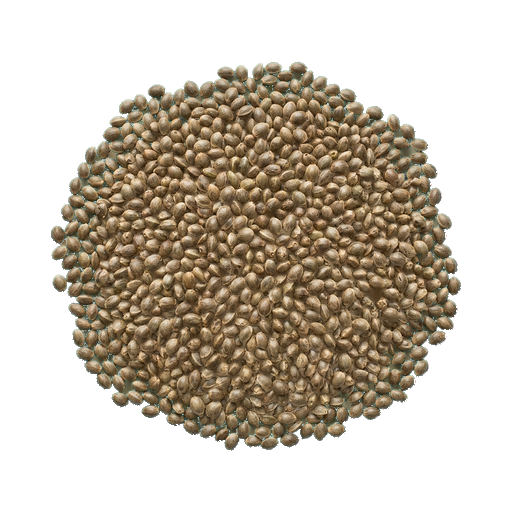
Hemp seeds are small nut-like grains with a nutty, slightly sweet flavor and pleasant aroma. They are rich in plant-based protein, beneficial fats, and minerals, making them a popular addition to a healthy diet as a topping for salads, cereals, yogurts, and smoothies. When selecting, pay attention to the integrity of the shell and the absence of a rancid smell — quality seeds are stored in a cool place and remain fresh for several months.
Micronutrients
per 100 g
Minerals
About
Hemp seeds are one of those ingredients that have been undeservedly overlooked in the kitchen for a long time. Today, they have made a comeback in culinary use as a source of complete plant-based protein and valuable fats. Contrary to popular belief, culinary hemp varieties do not contain psychoactive substances — they are simply a nutritious product with a nutty flavor and pleasant texture.
Taste and Aroma
Hemp seeds have a mild nutty taste with a subtle sweetness. The aroma is delicate, earthy, reminiscent of sunflower seeds, but more refined. The texture is crispy; the seeds hold their shape well when added to dishes, do not become mushy, and do not lose their flavor during heat treatment.
Where to use them
Hemp seeds are versatile. They work great in salads — adding crunch and nutrition. Sprinkle them over side dishes, cereals, yogurt, or cottage cheese. They are excellent in baking: in cookies, bread, and bars. You can add them to smoothies and beverages, soups and side dishes. Ground seeds are used to make plant-based milk, which turns out creamy and satisfying.
- In salads and bowls as a protein source
- In porridge or muesli for crunch and nutrition
- In baking and bars
- For making milk and creams
- In smoothies and beverages
Pairings
Hemp seeds pair well with other seeds and nuts — flax, sesame, sunflower, and walnuts. They go well with herbs, especially fresh parsley and dill. Their neutral flavor doesn't conflict with bold spices, so they work well in dishes with garlic, ginger, and chili. They complement dairy products, avocado, and fresh vegetables beautifully.
Selection and Storage
Choose hemp seeds with a light, uniform color — from light brown to gray-green. They should be whole, free of dust and foreign odors. Pay attention to the packaging date: freshness affects the taste and nutritional value. Seeds with a rancid smell are a sign of fat oxidation; it's best not to buy such a product.
Hemp seeds contain oils, so they are sensitive to heat and light. Store them in an airtight container in a cool, dark place — ideally in the refrigerator or freezer. With proper storage, they retain freshness for several months. Ground seeds spoil faster, so grind them immediately before use or store in the freezer.
Hemp seeds are not a passing trend, but a practical ingredient for everyday cooking. They easily fit into any diet, enrich dishes with protein and healthy fats, add texture and a subtle nutty accent. Start small — add a handful to your breakfast or salad — and you'll understand why this humble product deserves a permanent place in your kitchen.
Nutrition
per 100 g
- Calories
- 553 kcal
- Protein
- 31.6 g
- Fat
- 48.8 g
- Carbs
- 8.7 g
Micronutrients
per 100 g
Macronutrients
- Fiber
- 4 g
- Sugars
- 1.5 g
- Saturated fat
- 4.6 g
- Monounsaturated fat
- 5.4 g
- Polyunsaturated fat
- 38.1 g
- Cholesterol
- 0 mg
- Water
- 4.96 g
Minerals
- Sodium
- 5 mg
- Potassium
- 1200 mg
- Calcium
- 70 mg
- Magnesium
- 700 mg
- Phosphorus
- 1650 mg
- Iron
- 7.95 mg
- Zinc
- 9.9 mg
- Copper
- 1.6 mg
- Manganese
- 7.6 mg
Vitamins
- Vitamin A (RAE)
- 1 mcg
- Vitamin E
- 0.8 mg
- Vitamin C
- 0.5 mg
- Vitamin B1 (thiamin)
- 1.27 mg
- Vitamin B2 (riboflavin)
- 0.28 mg
- Vitamin B3 (niacin)
- 9.2 mg
- Vitamin B6
- 0.6 mg
- Vitamin B9 (folate, DFE)
- 110 mcg
Measures and weight
- 1 tbsp
- 9.8 g
- 1 tsp
- 3.3 g
- 1 cup
- 162.5 g
Measure calculator
- Weight
- 100 g
- Calories
- 553 kcal