Usuba
Usuba
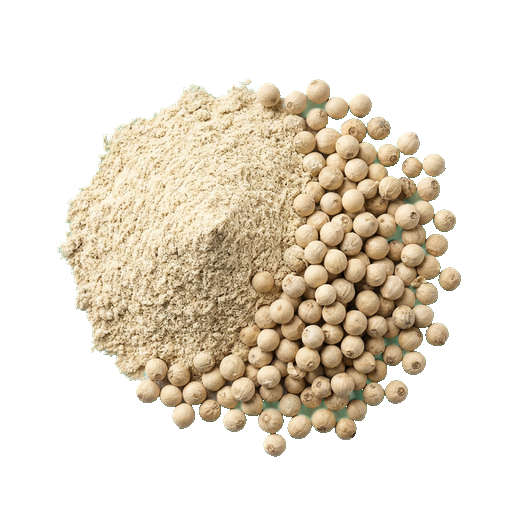
Ground white pepper
Ground white pepper is made from ripe peppercorns that are dried, stripped of their outer skin, and then ground into powder. It has a milder, less pungent flavor than black pepper, with subtle earthy and slightly mushroom-like notes, without heat. Used in light sauces, soups, and potato and fish dishes where black specks are undesirable; when substituting for black pepper, increase the amount due to its milder flavor.
About
Ground white pepper is a sharp spice that often remains in the shadow of its black counterpart, though it deserves greater attention in the kitchen. Unlike black pepper, white pepper is obtained from fully ripened berries that have been stripped of their outer hull. The result is a milder but deep flavor with a subtle earthiness and delicate heat that develops slowly and lingers longer.
Aroma and Taste
White pepper smells more complex than it first appears. In ground form, it reveals warm, slightly woody notes with a hint of musk. On the tongue, you first feel a mild burning sensation that gradually intensifies, leaving a long aftertaste. This delicacy makes it ideal for dishes where you need heat without aggression.
Where to use
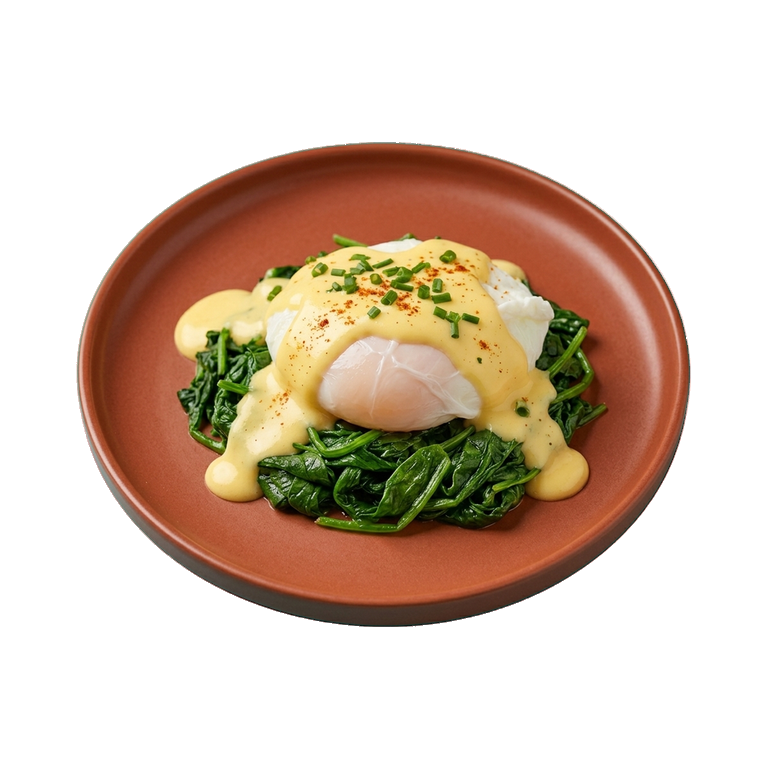
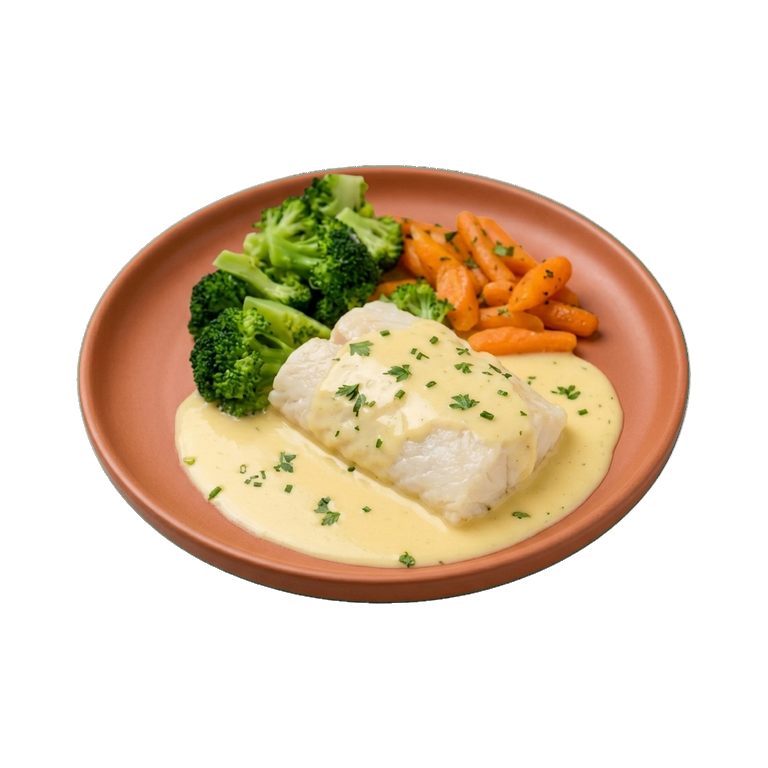
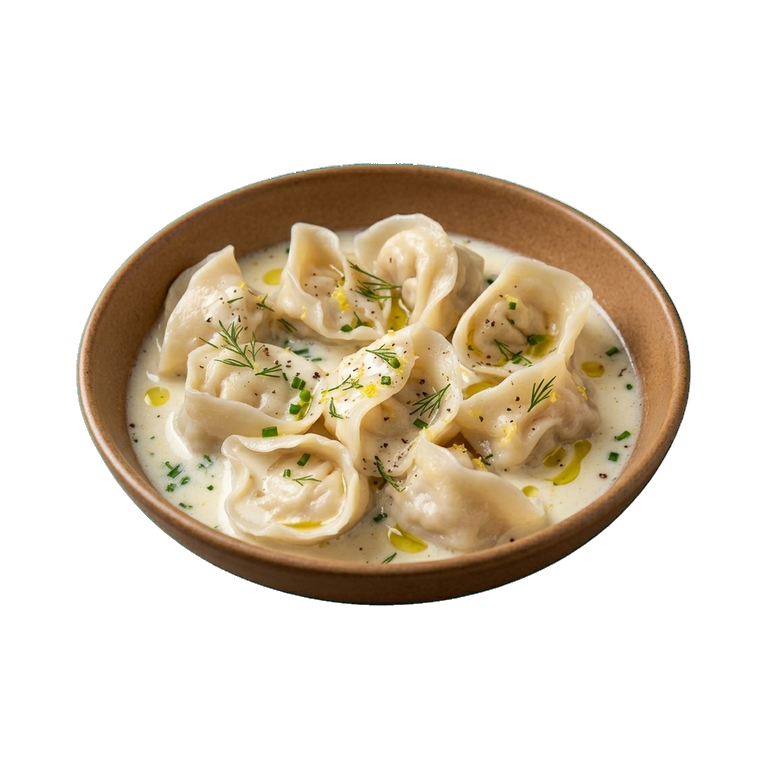
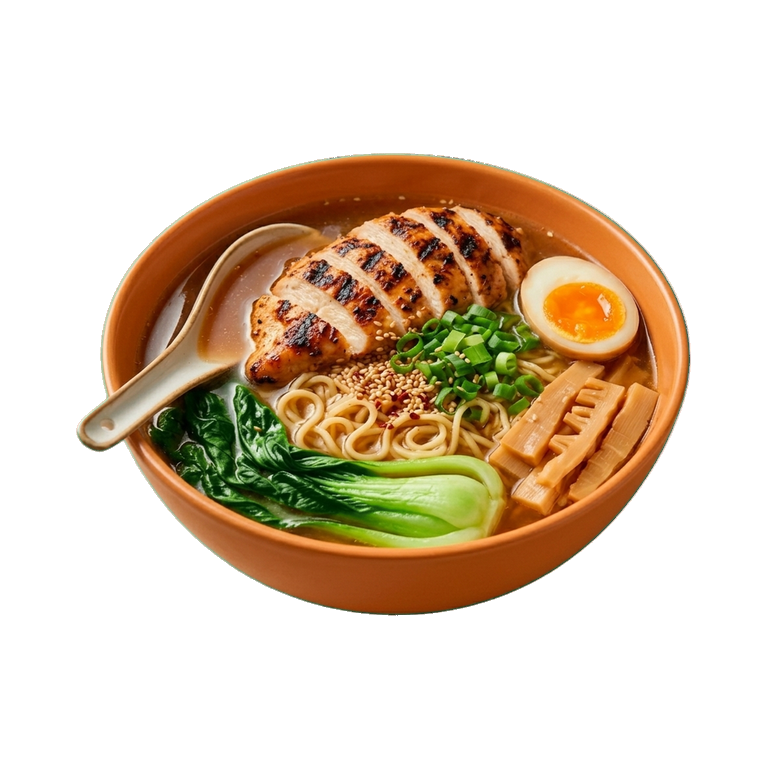
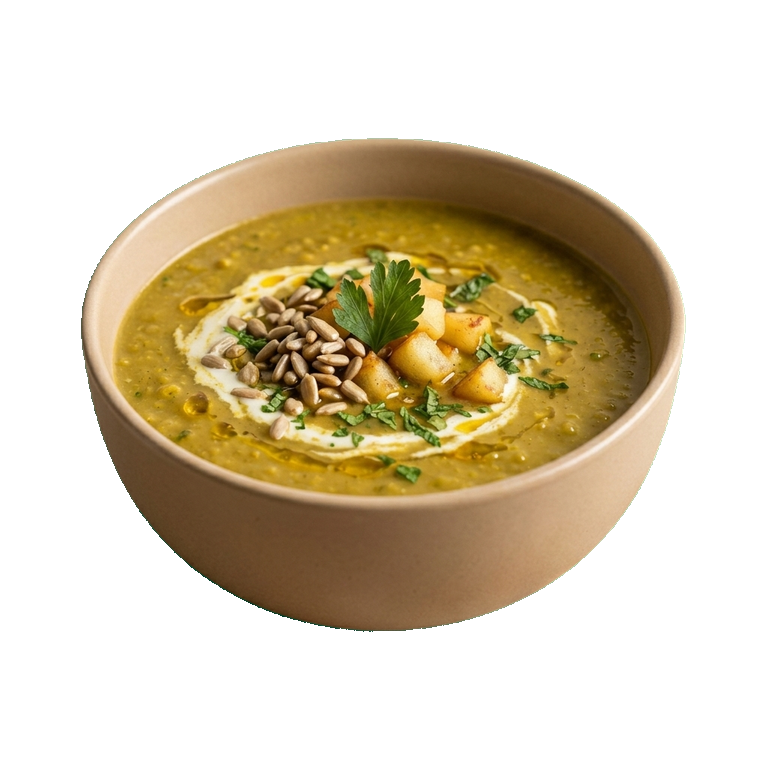
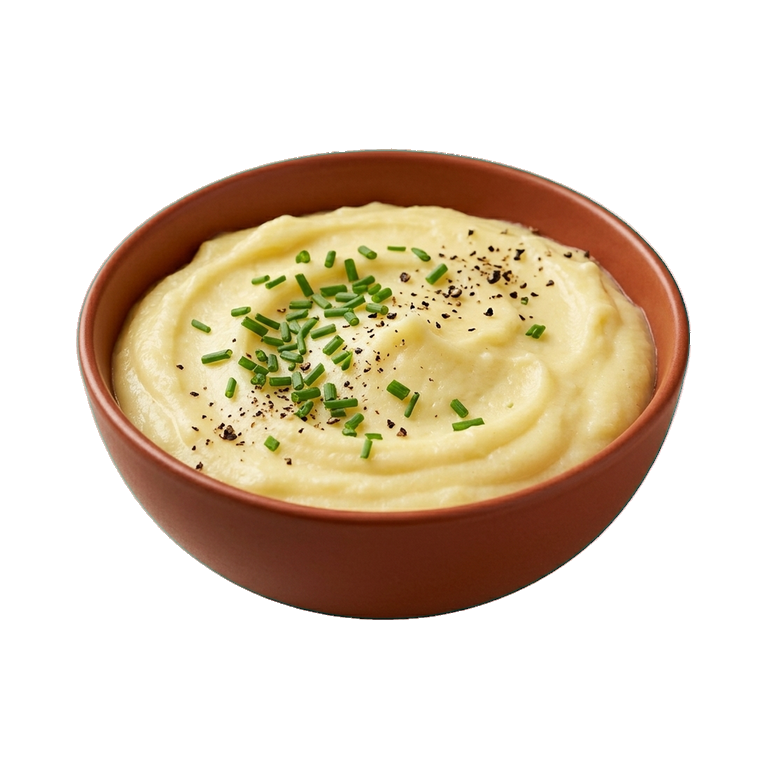
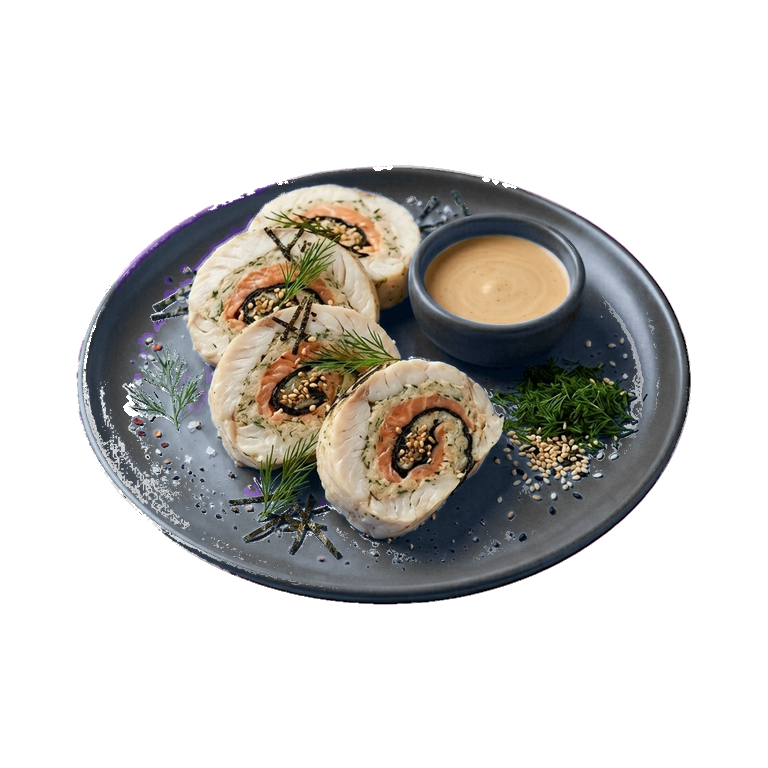
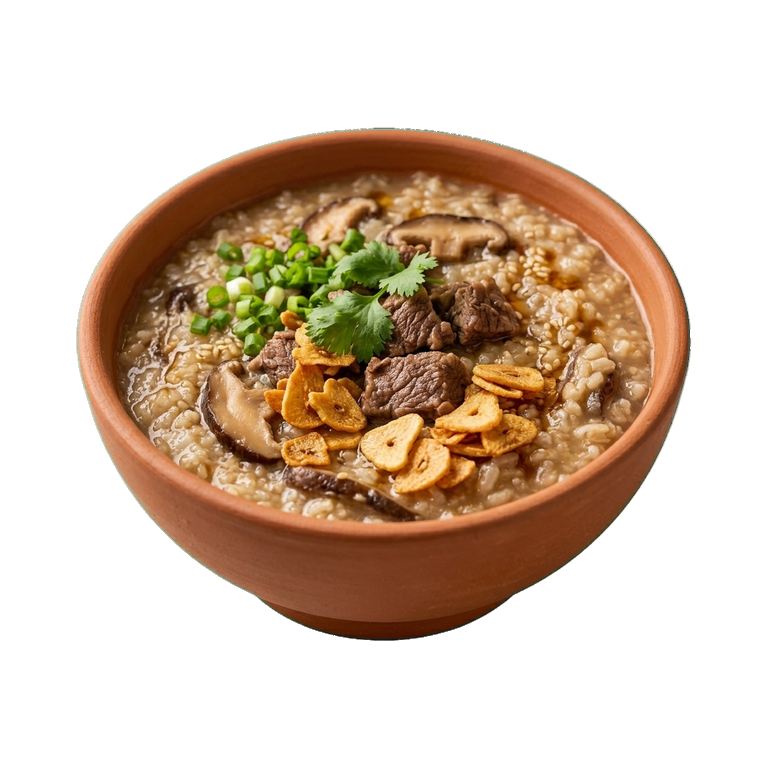
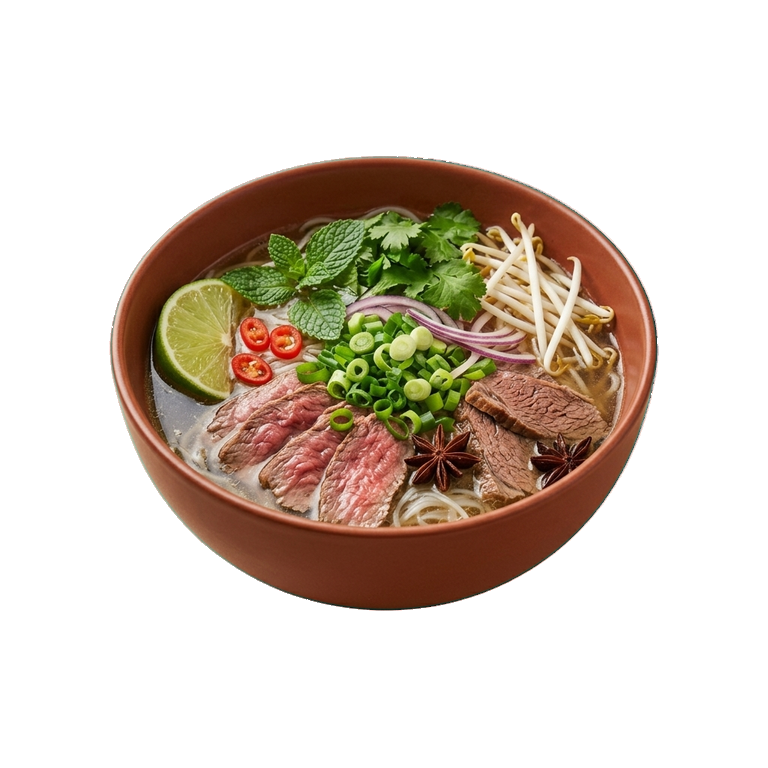
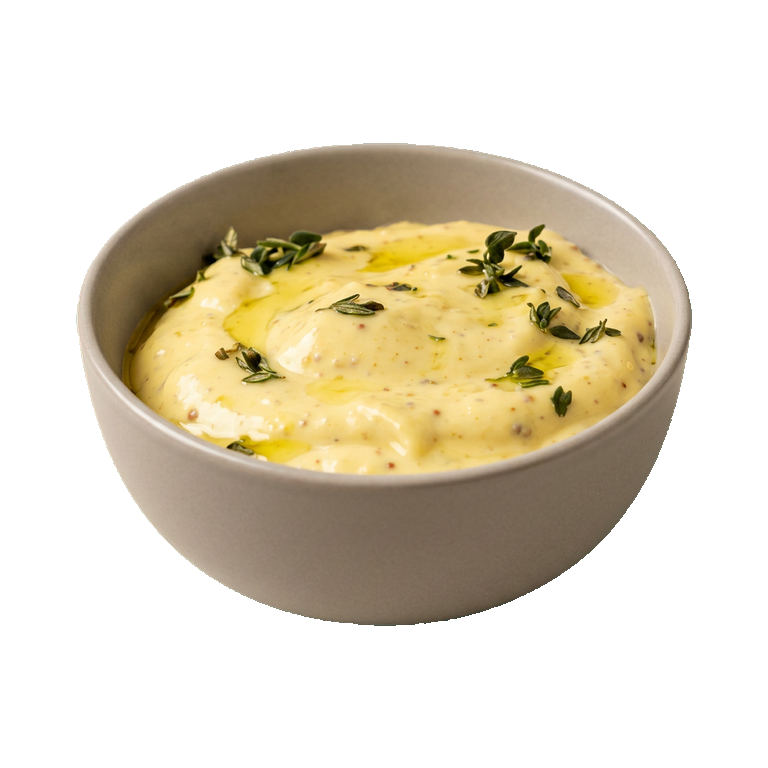
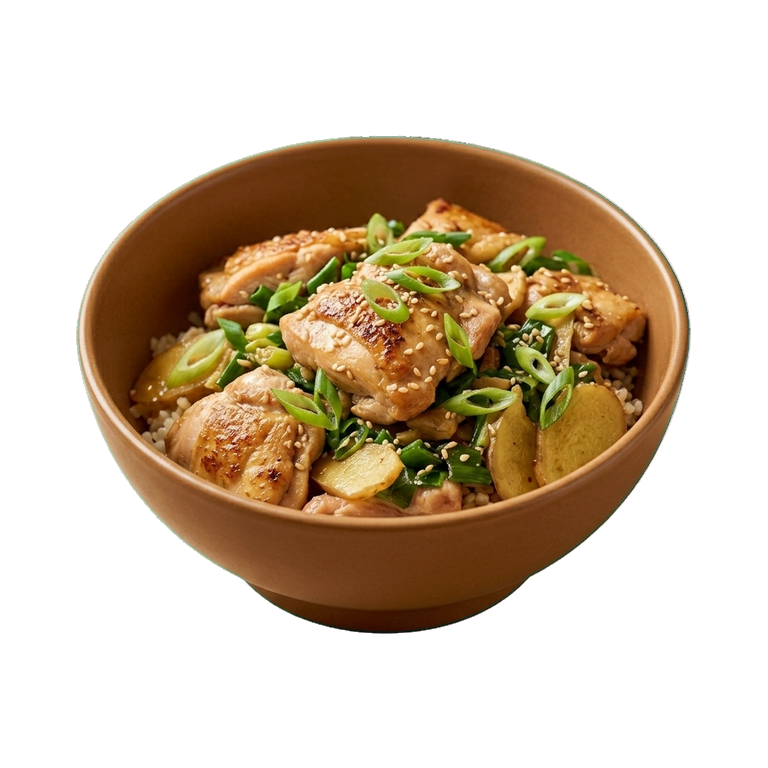
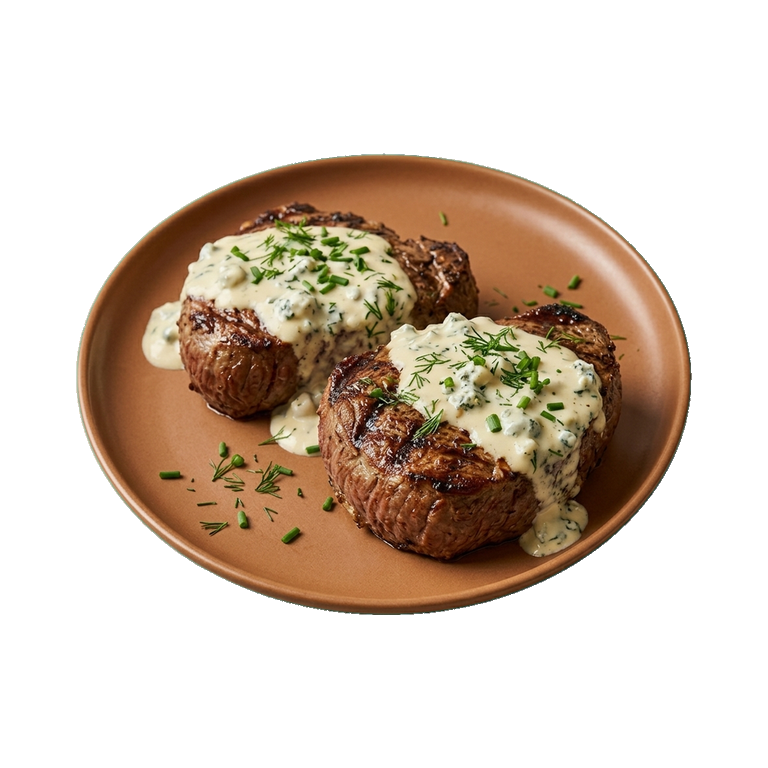
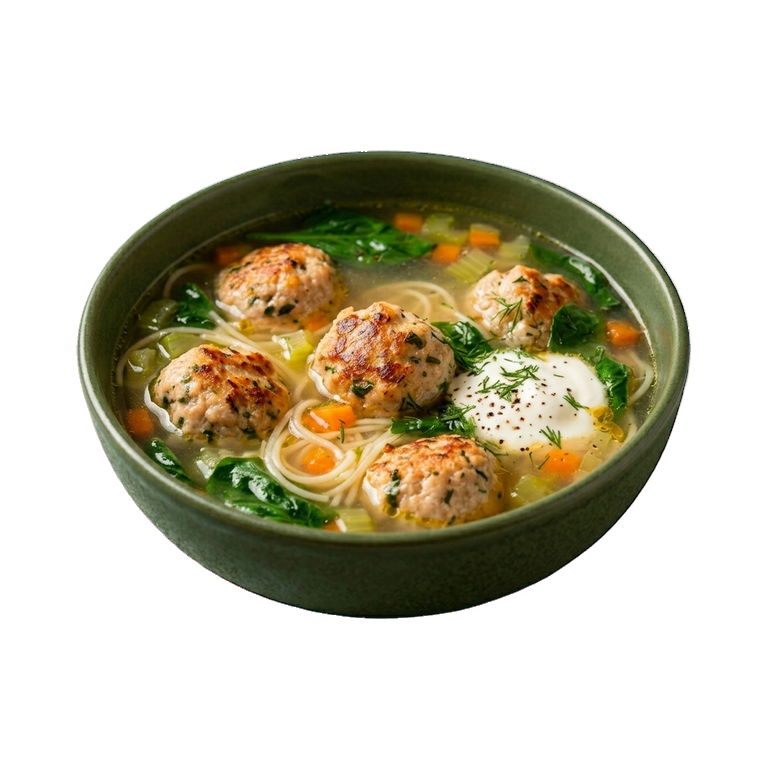
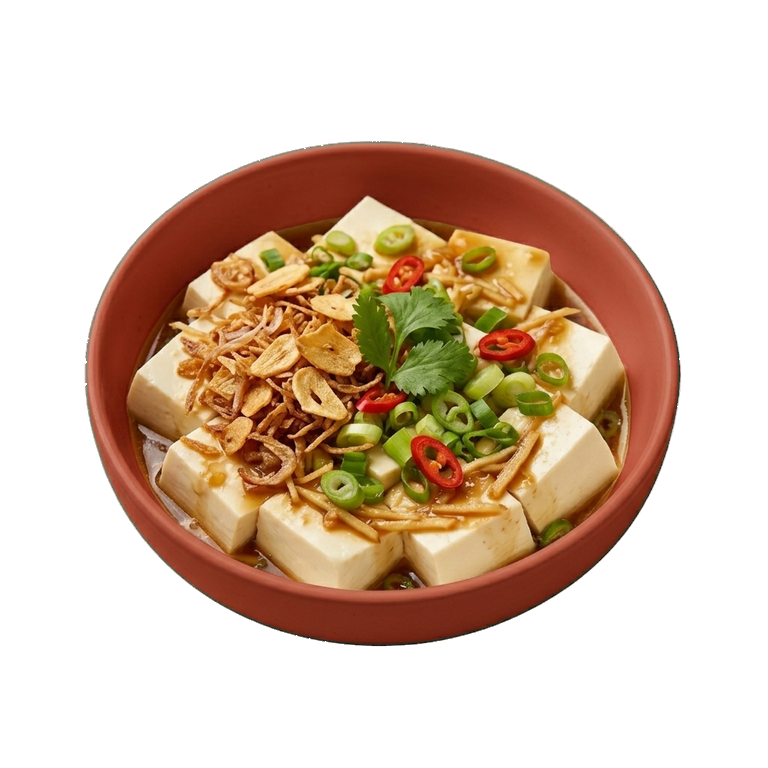
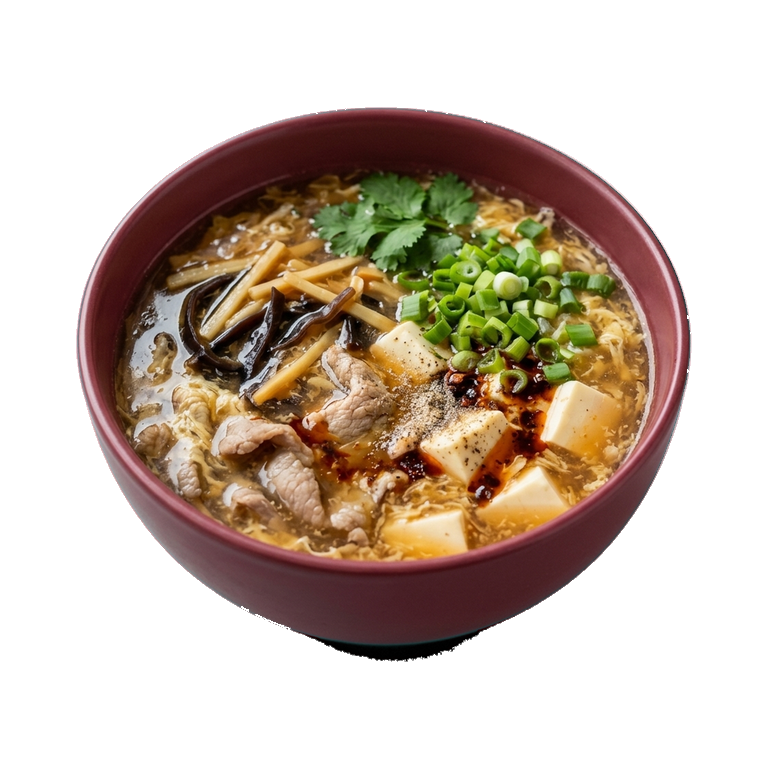
White pepper is especially valued in Asian cuisine — it is indispensable in soups, particularly in creamy soups and broths, where black specks would look unattractive. It is added to sauces, gravies, egg dishes, and delicate fish preparations. Try sprinkling it over mashed potatoes, white sauce, or seafood soup — the spice will not overshadow the main flavor, but only enhance its depth.
Combinations and Proportions
- Works well with garlic, ginger and lemongrass in Asian dishes
- Complements white sauces based on cream or milk
- Enhances the flavor of white fish and seafood
- Pairs well with nutmeg and cardamom in delicate dishes
White pepper is milder than black pepper, so you can add it a bit more generously — approximately a quarter teaspoon per serving of soup or sauce. However, start small: ground spice can quickly dry out a dish if you overdo it. Add it at the end of cooking or right before serving to preserve the freshness of the aroma.
Selection and Storage
- Look for ground white pepper that is light gray or cream-colored — a brown tint indicates oxidation
- Smell the package: the aroma should be clean, warm, without mustiness
- Store in an airtight container away from light and heat — this way the spice will retain its aroma for up to a year
- If possible, buy peppercorns and grind them yourself before using — the flavor will be more vibrant
Ground white pepper is not just a substitute for black pepper. It's a separate tool in a chef's arsenal that opens up new possibilities in the kitchen, especially when you need a subtle, refined heat. Try it in your familiar dishes — the result might surprise you.
Nutrition
per 100 g
- Calories
- 296 kcal
- Protein
- 10.4 g
- Fat
- 3.3 g
- Carbs
- 64.3 g
Measures and weight
- 1 tbsp
- 10.5 g
- 1 tsp
- 3.5 g
- 1 cup
- 175 g
Measure calculator
- Weight
- 100 g
- Calories
- 296 kcal