Usuba
Usuba
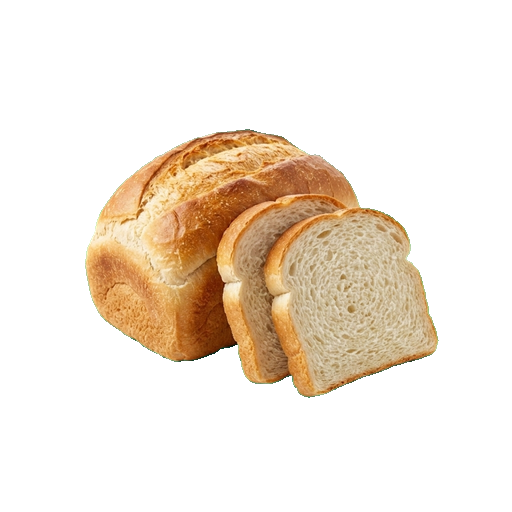
White bread
White bread is a soft wheat bread with tender crumb and crispy crust made from refined premium wheat flour. Thanks to its neutral taste and fluffy texture, it is ideal for sandwiches, soup accompaniments, and base for sweet dishes. When choosing, pay attention to the baking date — fresh bread better retains moisture in the crumb, while varieties with added preservatives are suitable for long-term storage.
Micronutrients
per 100 g
Minerals
About
White bread is one of the most versatile products in the kitchen. Its soft crumb, tender crust, and neutral flavor make it an ideal companion to almost any dish. Cooking with it is simple, and the result is almost always predictable. It is bread you can rely on when you need dependability.
Aroma and texture
Fresh white bread smells of warmth and yeast — a scent that's hard to confuse with anything else. The crumb is soft, almost airy, with fine pores. The crust is thin and crunches under the knife, but doesn't require effort when biting. This lightness is the main advantage of white bread over denser varieties.
Role in the Kitchen
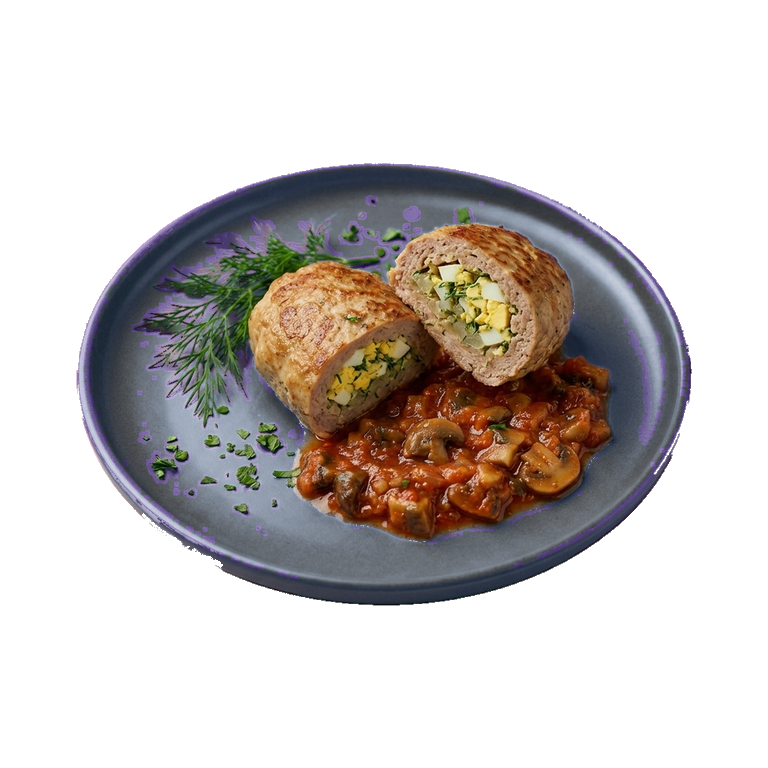
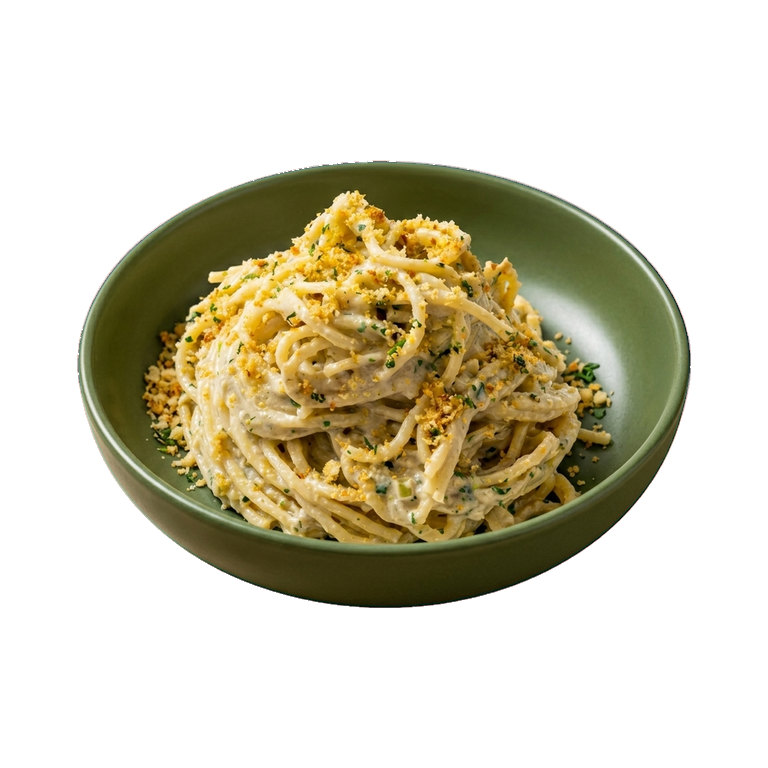
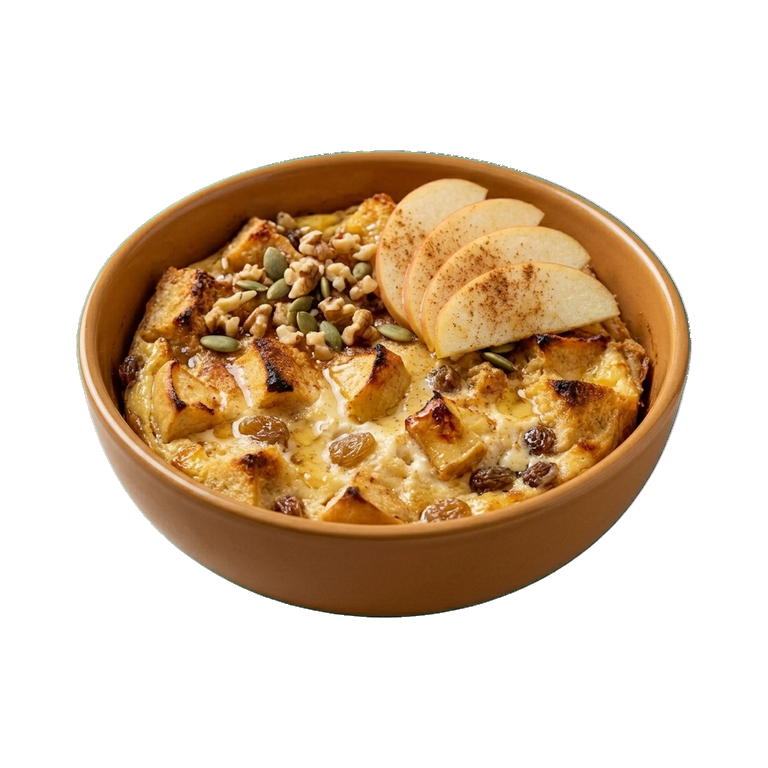
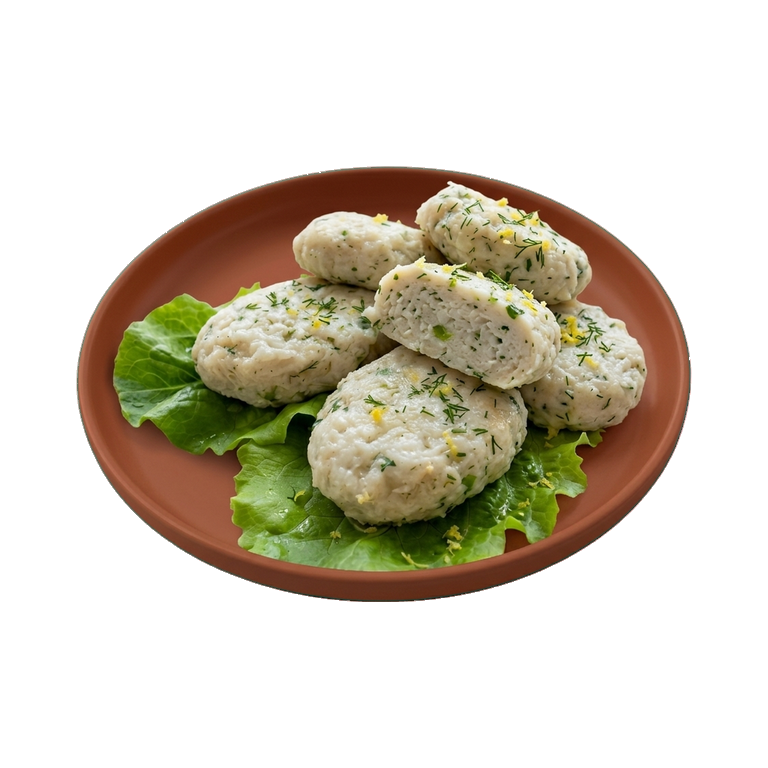
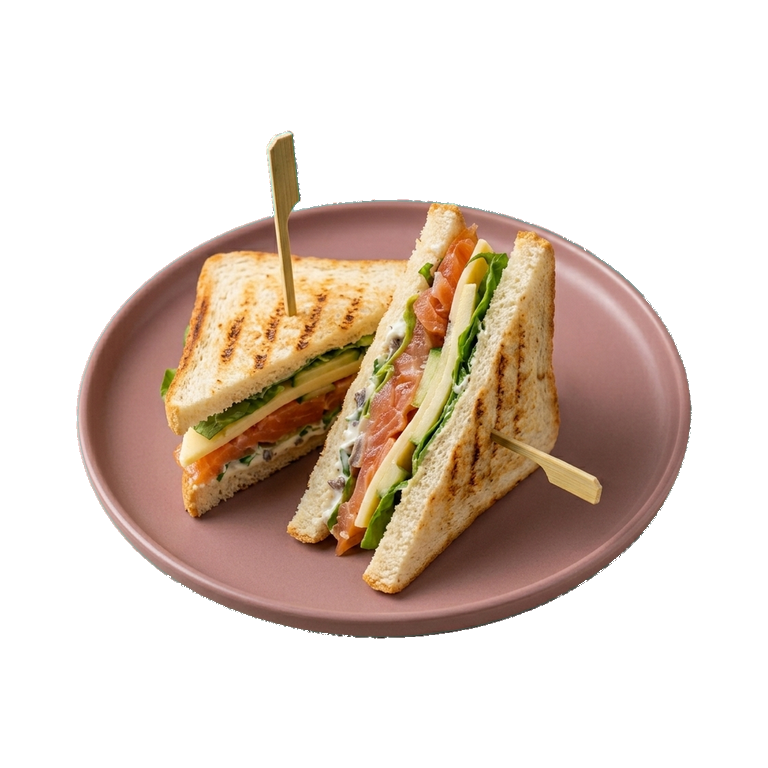
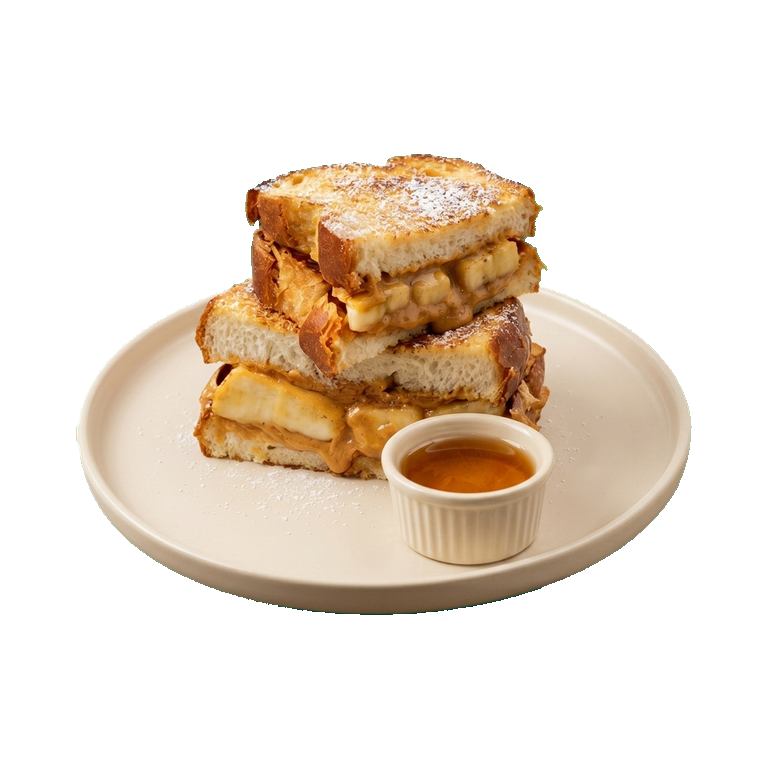
White bread works in all directions. Sliced into pieces — ideal for sandwiches, toast and appetizers. Cut into cubes and fried — becomes the basis for croutons for soups and salads. Stale bread is easily transformed into breadcrumbs or the base for pudding. The crumb of white bread absorbs liquid well, so it is often used in stuffing for cutlets and meatballs.
- With butter and sausage — classic breakfast
- With soup — white bread absorbs the broth and becomes softer
- With cheese and tomatoes — simple but satisfying lunch
- In breadcrumbs — crispy crust on fish or chicken
- In sweet dishes — bread pudding or panna cotta with breadcrumbs
Selection and Storage
When choosing, pay attention to the bread's elasticity — if it quickly returns to its original shape when lightly squeezed, it means it's fresh. The crust should be intact, without cracks or dents. The smell should be pleasant, without sourness or staleness.
It's best to store white bread in a bread box at room temperature — this keeps it soft longer. Bread becomes stale faster in the refrigerator, but if you don't plan to eat it within a few days, the freezer is a good option. Wrapped in a bag or foil, it will keep comfortably for a month. Thaw at room temperature, take your time.
White bread is not just a side dish for lunch. It is an ingredient that enhances the flavor of other products, absorbs sauces, and helps create new textures. Learn to work with it, and it will become an indispensable helper in your kitchen.
Nutrition
per 100 g
- Calories
- 265 kcal
- Protein
- 8.4 g
- Fat
- 3.2 g
- Carbs
- 49.4 g
Micronutrients
per 100 g
Macronutrients
- Water
- 35.61 g
Minerals
- Sodium
- 419.7 mg
- Potassium
- 115.2 mg
- Calcium
- 288.4 mg
- Magnesium
- 22.37 mg
- Phosphorus
- 86.67 mg
- Iron
- 4.07 mg
- Zinc
- 0.77 mg
- Copper
- 0.12 mg
- Manganese
- 0.52 mg
Vitamins
- Vitamin B1 (thiamin)
- 0.48 mg
- Vitamin B2 (riboflavin)
- 0.3 mg
- Vitamin B3 (niacin)
- 6.03 mg
Measures and weight
- 1 pcs
- 500 g
- 1 slice
- 28 g
Measure calculator
- Weight
- 100 g
- Calories
- 265 kcal