Usuba
Usuba
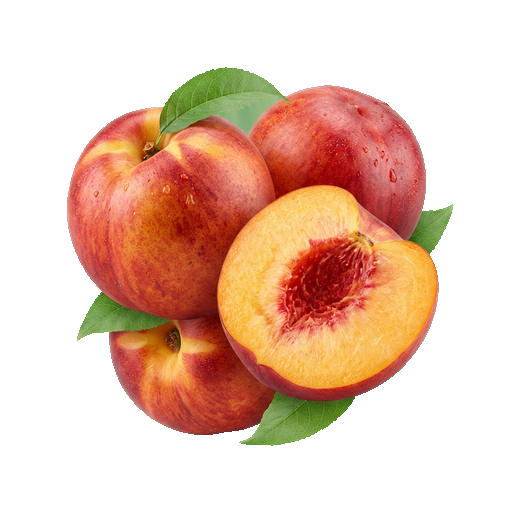
Nectarines
Nectarines are smooth-skinned peaches without fuzz, with sweet and juicy flesh that ranges from white to orange-yellow depending on the variety. They have a more intense and concentrated flavor than peaches, with a slight tartness and an aroma reminiscent of floral notes. In cooking, nectarines are used in desserts, compotes, jams, added to salads and baked goods, and eaten fresh — when selecting, it's important to pay attention to uniform color and slight softness when pressed, which indicates fruit ripeness.
Micronutrients
per 100 g
Minerals
About
Nectarines are peaches without fuzzy skin, smooth and shiny, as if polished. Beneath the thin, easily removable skin lies sweet, juicy flesh with a characteristic peach aroma. They are easier to peel than peaches and more convenient to eat straight from your hand — which is why many cooks love them.
Aroma and Taste
The flavor profile of a nectarine depends on the variety and ripeness. A ripe fruit offers a balance of sweetness and mild acidity, with honey and floral notes. The aroma is bright, summery, and almost as intense as that of a peach. Underripe nectarines are more tart and less aromatic, so it's worth waiting for them to sit a bit at room temperature.
Role in dishes
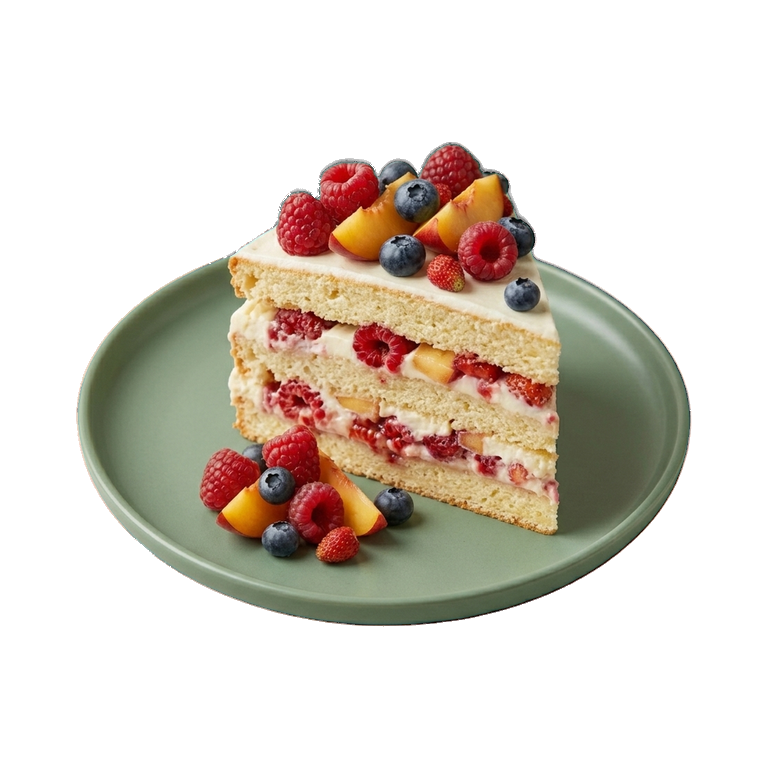
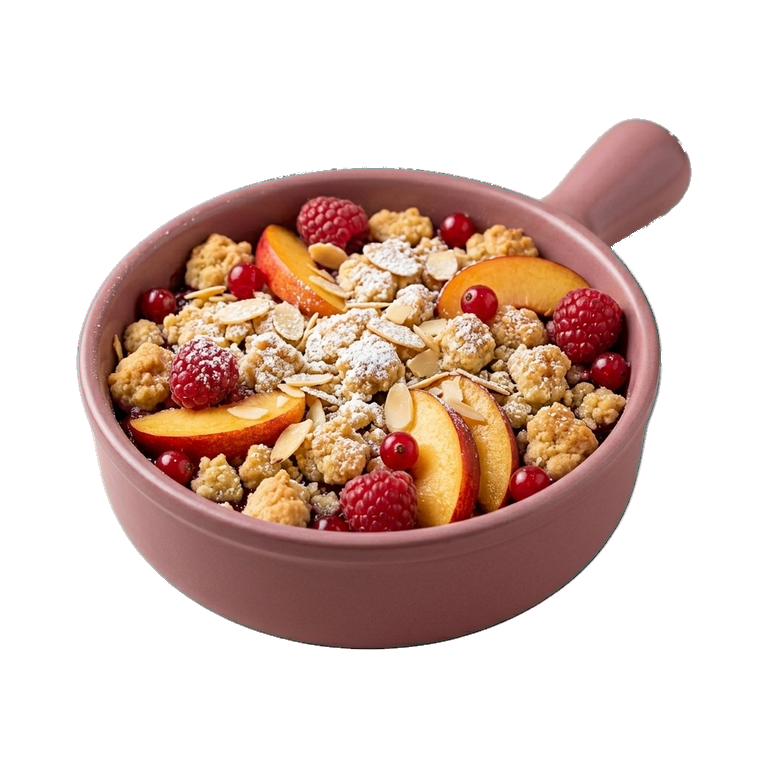
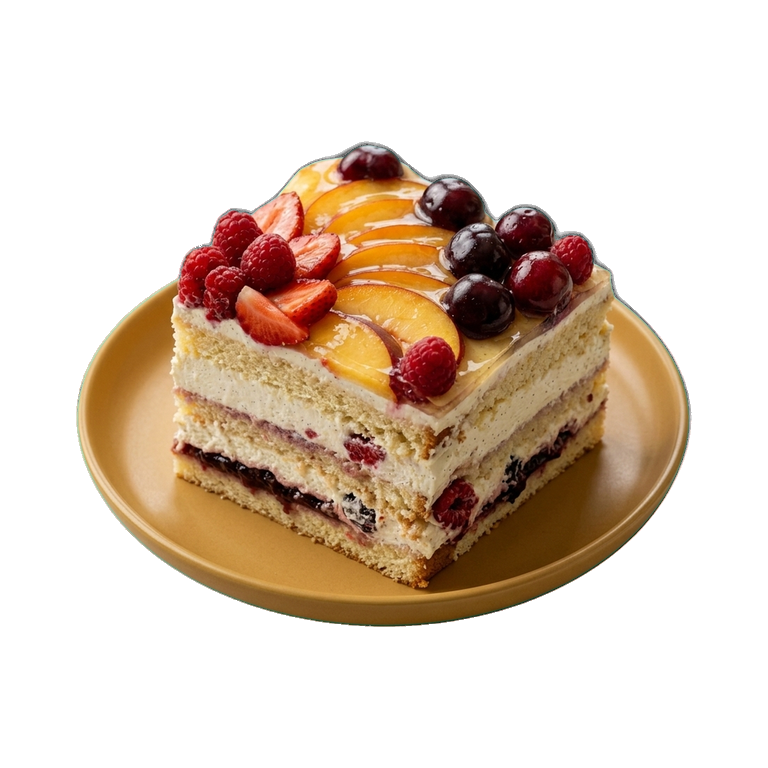
Nectarines are versatile: they are great fresh as a simple snack, but also shine in culinary projects. They are added to fruit salads, used as filling for pies and tarts, made into compotes and jams. The flesh is easy to process — it can be poached, baked with spices, or turned into puree for sauces to serve with meat and poultry.
Pairings and Spices
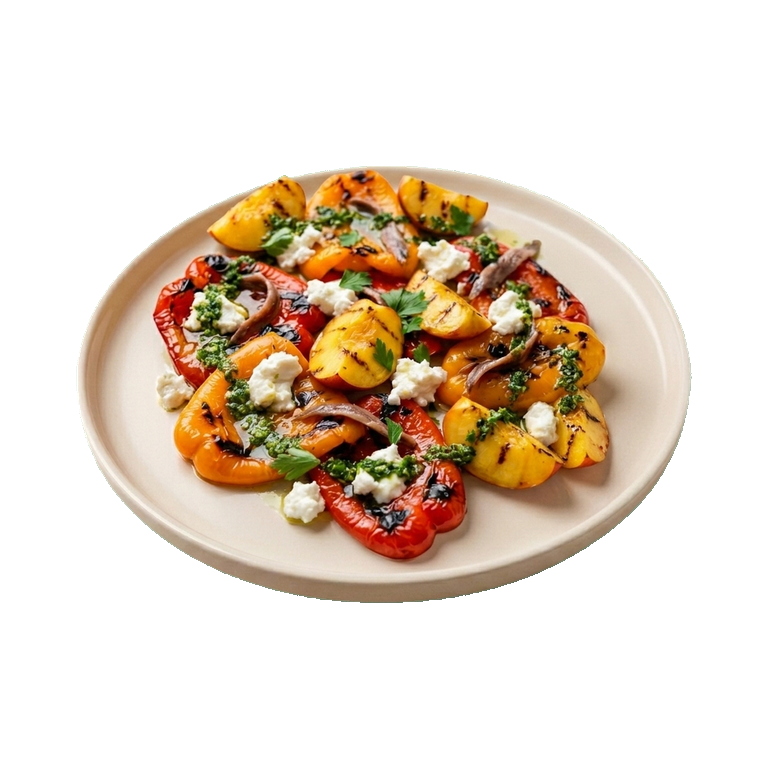
Nectarines work wonderfully with vanilla, cinnamon, and ginger — these spices bring out their sweetness. They pair well with berries, especially raspberries and blackberries. On the table, nectarines are delicious alongside soft cheeses, almonds, and hazelnuts. In spicy dishes, their sweetness balances the heat of peppers and saltiness.
Selection and Storage
When purchasing, pay attention to the firmness of the fruit — it should yield to gentle pressure, but not be soft. A ripe nectarine has an intense and pleasant aroma. Avoid fruits with dark spots and dents. Smooth, evenly colored skin without wrinkles is a sign of freshness.
It is best to store nectarines in the refrigerator, in the fruit compartment, where they will keep for a week or two. If you have bought unripe fruits, leave them on the counter at room temperature for a day or two — they will ripen and become more aromatic. Do not store nectarines near ethylene-producing fruits such as bananas and avocados, otherwise they will overripen too quickly.
Practical Tips
- To easily separate the pit, cut the nectarine along the groove and twist the halves in opposite directions.
- For pies, slice nectarines immediately before baking so they don't oxidize and darken.
- If the nectarine is too sweet for your dish, add a little lemon juice — the acidity will balance the flavor.
- Frozen nectarines work well in smoothies and compotes, but for fresh salads it's better to use fresh fruit.
Nutrition
per 100 g
- Calories
- 48 kcal
- Protein
- 1.1 g
- Fat
- 0.3 g
- Carbs
- 10.6 g
Micronutrients
per 100 g
Macronutrients
- Fiber
- 1.5 g
- Saturated fat
- 0 g
- Monounsaturated fat
- 0 g
- Polyunsaturated fat
- 0 g
- Omega-3 (EPA + DHA)
- 0 g
- Water
- 89 g
Minerals
- Sodium
- 13 mg
- Potassium
- 131 mg
- Calcium
- 2 mg
- Magnesium
- 8.8 mg
- Phosphorus
- 26 mg
- Iron
- 0.3 mg
- Zinc
- 0.21 mg
- Copper
- 0.08 mg
- Manganese
- 0.05 mg
- Selenium
- 0 mcg
Vitamins
- Vitamin A (RAE)
- 21 mcg
- Vitamin E
- 0.61 mg
- Vitamin K
- 2 mcg
- Vitamin C
- 2.9 mg
- Vitamin B1 (thiamin)
- 0.03 mg
- Vitamin B2 (riboflavin)
- 0.03 mg
- Vitamin B3 (niacin)
- 1.12 mg
- Vitamin B5 (pantothenic acid)
- 0.19 mg
- Vitamin B6
- 0.03 mg
Measures and weight
- 1 pcs
- 150 g
Measure calculator
- Weight
- 100 g
- Calories
- 48 kcal