Usuba
Usuba
Olive oil
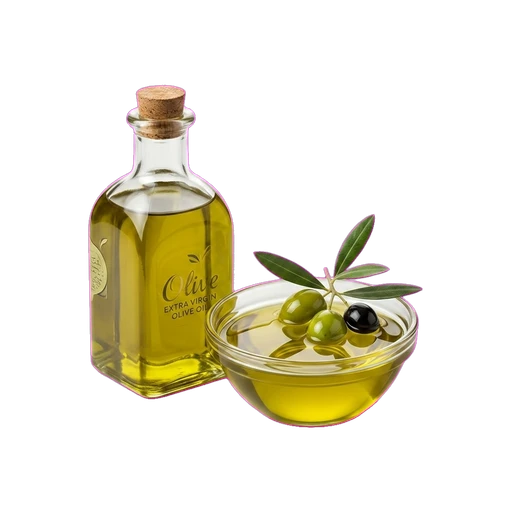
Olive oil is a liquid fat extracted from olive fruits through cold pressing or refining. It has a fruity, herbaceous, or nutty aroma depending on the variety and degree of processing, while the taste ranges from delicate and buttery to rich and slightly bitter. It is used for salad dressings, sauce preparation, sautéing vegetables and fish, as well as for finishing ready-made dishes; when heated above its smoke point, it loses its beneficial properties, so refined varieties are better suited for high-heat frying.
About
Olive oil is one of the few ingredients that simultaneously serves as a base, a finishing touch, and a remedy in the kitchen. Its role extends far beyond that of a simple fat: it is a tool that changes the texture of a dish, its aroma, and even the perception of taste. When you pour oil into a pan or drizzle it over a finished dish, you are working with a substance that absorbs all the other flavors while remaining recognizable.
Aroma and taste: from delicate to powerful
Not all olive oils are the same, and this is the main thing to understand when choosing. Extra virgin olive oil can smell like grass, walnut, freshly mowed grass, or even pepper — it all depends on when the olives were harvested and how they were processed. This is oil with character, which makes itself known in every spoonful.
Lighter, refined oil works differently. It is more neutral, milder, and doesn't overpower other flavors. It's more convenient to use for frying or in dishes where olive flavor would be unnecessary. But there's a nuance here too: at high heat, even refined oil loses its properties, so for intensive frying it's better to choose something else.
Where it works best
Imagine olive oil as an actor who can play different roles. On stage, its strengths manifest in different ways.
- For dressings and sauces — extra virgin oil here shows all its potential. Its aroma and flavor aren't diluted, but become the center of the composition.
- For stewing vegetables over medium heat — the oil imparts its character to the dish without burning or losing its qualities.
- For finishing drizzle — a drop of good oil on the finished dish adds depth and rounds out the flavor profile.
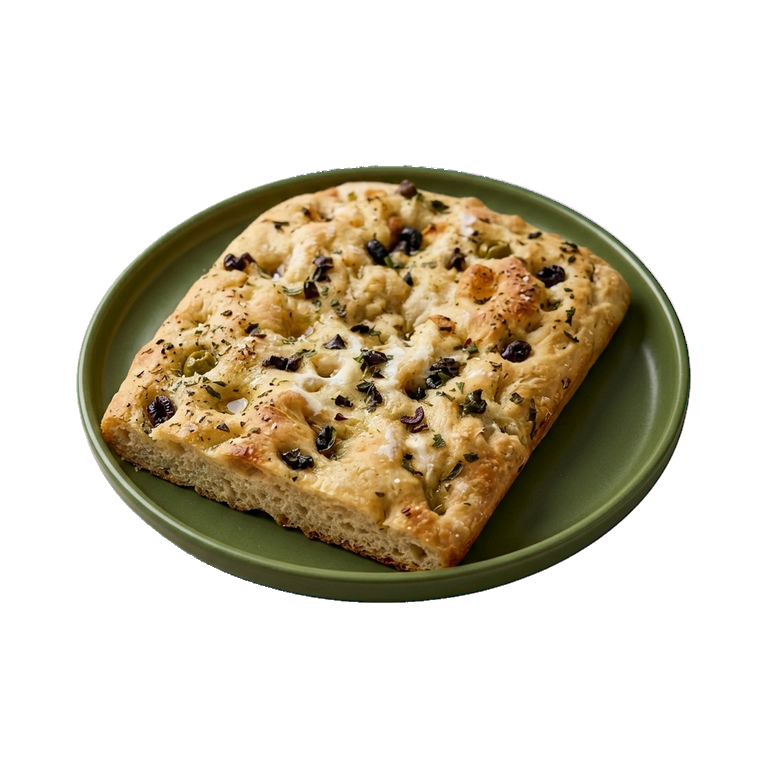
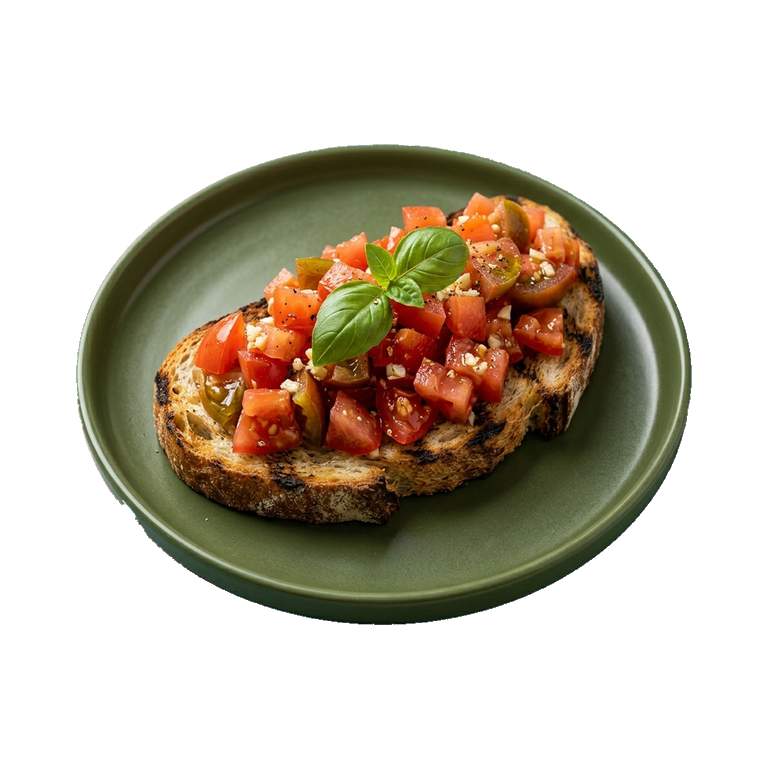
- For bread — simply bread with salt and olive oil — this is not a side dish, it's a philosophy.
- For marinades — the oil not only tenderizes meat or fish, but also transfers its aromatic notes into them.
However, for high-temperature frying, olive oil is not the best choice. Its smoke point is lower than many other oils, and when heated intensely, it begins to break down, losing its beneficial properties and acquiring a bitter taste.
Combinations and Harmony
Olive oil easily finds common ground with acidity — lemon juice, vinegar, tomatoes. Together they create the very foundation on which Mediterranean dishes are built. Oil softens the acidity, acidity reveals the oil.
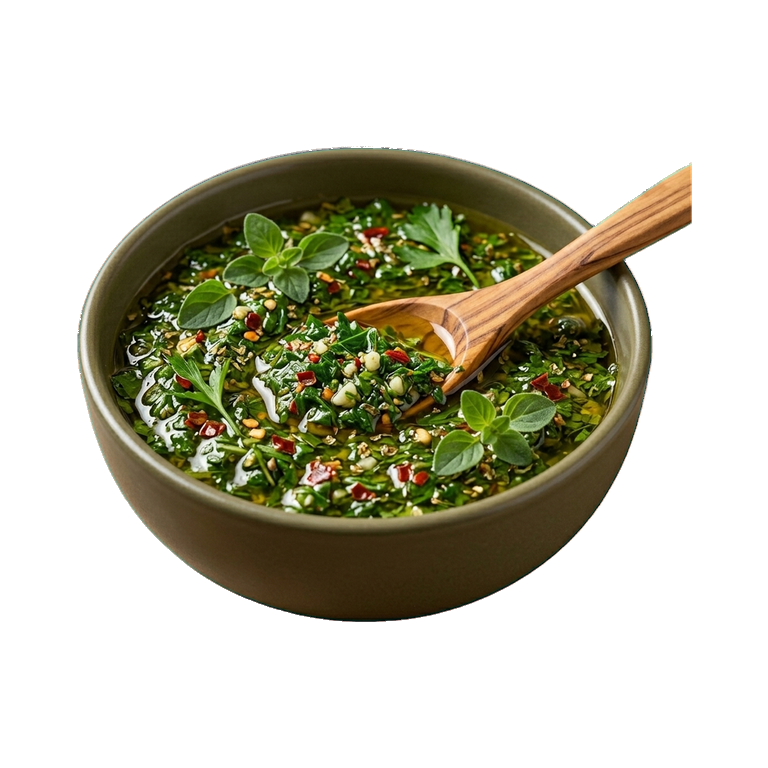
Garlic, herbs (especially basil, oregano, thyme), sea salt — all of these are natural companions to olive oil. They enhance each other, creating a recognizable flavor profile. Even a simple combination of oil, garlic, and red pepper transforms an ordinary dish into an event.
Selection and Storage
When choosing, look at the label: "extra virgin" is first cold-pressed oil, the most aromatic and expensive, but also the most demanding in terms of storage conditions. "Virgin" has slightly less strict standards, but is still a quality product. Refined oil is the workhorse of the kitchen, versatile and affordable.
Store oil in a dark bottle, away from light and heat. Extra virgin olive oil is susceptible to oxidation — it can become rancid if left in the sun or near a stove. A sealed bottle in a cool cabinet is the ideal place. Refined oil is more resistant, but it also prefers cool temperatures.
An open bottle is best used within a month or two. Yes, oil doesn't spoil in the classical sense, but its aromatic qualities fade over time. If you've bought expensive oil for dressings, don't skimp on using it for cooking — use it for its intended purpose.
Olive oil is not just an ingredient, it's a solution. When you don't know how to improve a dish, the answer is often found in it. A drop of good oil can save an under-salted soup, bring life to a bland vegetable side dish, or turn simple bread into a delicacy. Learn to feel the difference between oils, and your kitchen will become richer.
Nutrition
per 100 ml
- Calories
- 884 kcal
- Protein
- 0 g
- Fat
- 99.8 g
- Carbs
- 0 g
Measures and weight
- 1 tbsp
- 13.8 g
- 1 tsp
- 4.6 g
- 1 cup
- 230 g
Measure calculator
- Weight
- 100 g
- Calories
- 961 kcal