Usuba
Usuba
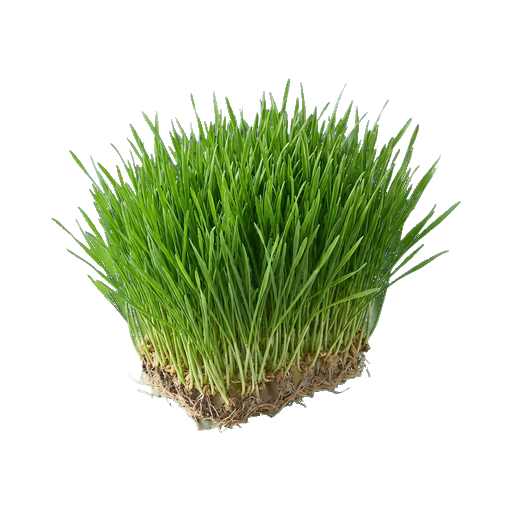
Wheat sprouts
Tender green wheat sprouts have a fresh, grassy flavor with a subtle sweetness and a characteristic nutty note. Their crispy texture and vibrant color make them a popular garnish for salads, sushi, sandwiches, and cold appetizers, adding nutritional value and visual contrast to dishes. When selecting, pay attention to the bright green color and firmness of the sprouts, and store them in the refrigerator in an airtight container for no more than a week.
Micronutrients
per 100 g
Minerals
About
Wheat sprouts are young shoots of grain at an early stage of germination, when they are still very tender and crispy. In cooking, they are valued for their fresh, slightly nutty flavor and their ability to add texture to dishes. This is not an exotic ingredient, but rather a useful addition that is easy to grow at home or buy at a supermarket.
Taste and Aroma
The taste of sprouts is delicate and fresh, with a barely noticeable sweetness and herbaceous notes. When you bite into them, you feel a pleasant crunch. The aroma is subtle, green, reminiscent of young grass in spring. It's not an aggressive flavor — sprouts blend well into dishes without overpowering other components.
Where to use
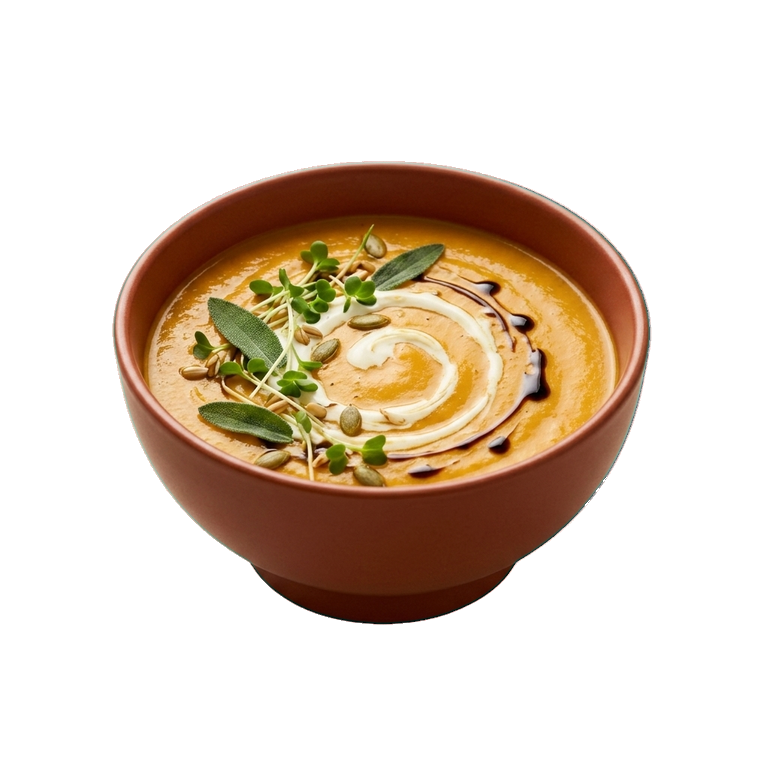
Wheat sprouts work everywhere fresh crunch is needed. They are ideal for salads — add them at the last moment to preserve the texture. Great in sandwiches and wraps, where they create a contrast with soft bread and fillings. You can sprinkle them over soup or a side dish right before serving, like a mixed salad or radish.
- Light salads — no need to hide the sprouts
- Sandwiches and toast — add freshness to warm ingredients
- Side dishes for fish or poultry — decoration with function
- Soups — sprinkle in the bowl before serving
- Bowls and cups — mixed salad with grains, avocado or fish
Pairings
Sprouts pair well with acidic dressings — lemon juice, vinegar, yogurt. They don't compete with bold flavors, so they coexist peacefully with hot spices, garlic, and herbs. They go well with tender vegetables (tomatoes, cucumbers, radishes), cheese, avocado, fish, and seafood. They create a nice contrast with hearty side dishes — buckwheat, rice, quinoa.
How to Choose and Store
When shopping, look for sprouts with a bright green color, firm and without signs of wilting. They should not smell like mold or mustiness. If you're growing them at home, harvest when the first true leaves appear — this will take 7–10 days.
Store sprouts in the refrigerator in an airtight container or bag with a damp paper towel — they will keep for 5–7 days this way. Don't wash them in advance, only before use. If the sprouts start to wilt, soak them in cold water for 15 minutes — they often regain their crispness. Freezing is not recommended: after thawing, they lose their crunch and become useless.
Practical tip
If you often run out of sprouts, try growing them yourself. You only need a jar, a mesh or gauze, water, and wheat. The process takes minimal time, and the harvest is always fresh and at hand. For a constant supply, plant a new batch every three days — this way you'll have an uninterrupted stock.
Nutrition
per 100 g
- Calories
- 198 kcal
- Protein
- 7.5 g
- Fat
- 1.3 g
- Carbs
- 38 g
Micronutrients
per 100 g
Macronutrients
- Fiber
- 1.1 g
- Saturated fat
- 0.206 g
- Monounsaturated fat
- 0.151 g
- Polyunsaturated fat
- 0.557 g
- Omega-3 (EPA + DHA)
- 0 g
- Cholesterol
- 0 mg
- Water
- 47.75 g
Minerals
- Sodium
- 16 mg
- Potassium
- 169 mg
- Calcium
- 28 mg
- Magnesium
- 82 mg
- Phosphorus
- 200 mg
- Iron
- 2.14 mg
- Zinc
- 1.65 mg
- Copper
- 0.26 mg
- Manganese
- 1.86 mg
- Selenium
- 42.5 mcg
Vitamins
- Vitamin A (RAE)
- 0 mcg
- Vitamin D
- 0 mcg
- Vitamin C
- 2.6 mg
- Vitamin B1 (thiamin)
- 0.23 mg
- Vitamin B2 (riboflavin)
- 0.16 mg
- Vitamin B3 (niacin)
- 3.09 mg
- Vitamin B5 (pantothenic acid)
- 0.95 mg
- Vitamin B6
- 0.27 mg
- Vitamin B9 (folate, DFE)
- 38 mcg
- Vitamin B12
- 0 mcg
Measure calculator
- Weight
- 100 g
- Calories
- 198 kcal