Usuba
Usuba
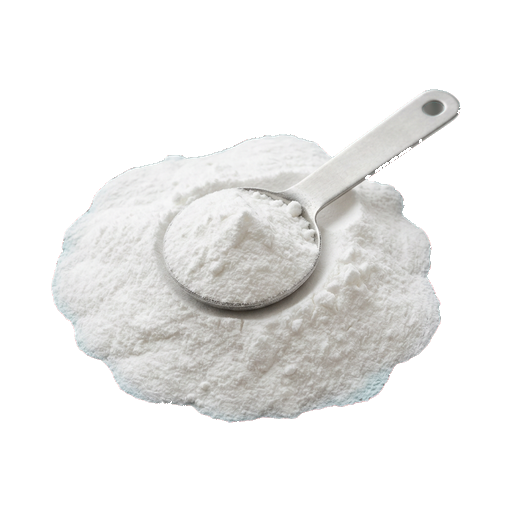
Baking soda
Baking soda is an alkaline powder used in baking to create fluffy and light dough. It reacts with acidic components (kefir, sour cream, lemon juice, cocoa) and releases carbon dioxide, which causes baked goods to rise. It's important to use baking soda correctly: excess can give a bitter taste and yellowish tint, while insufficient amount will leave the dough dense. When substituting with baking powder, you need to recalculate the proportions.
Micronutrients
per 100 g
About
Baking soda is one of the most versatile ingredients in the kitchen, working in several different ways. It loosens dough, neutralizes acid, helps baked goods rise, and even changes the texture of the finished dish. But most importantly, you need to understand when and how to use it so as not to ruin the taste and consistency.
How Baking Soda Works in Dough
Baking soda reacts with acid — whether it's kefir, sour cream, cocoa, lemon juice, or vinegar. This reaction releases carbon dioxide, which creates bubbles in the dough and makes baked goods fluffy and light. If there's no acid, baking soda will simply remain in the dough and leave a bitter aftertaste, so it cannot be used on its own.
The reaction occurs quickly, so dough with baking soda must be sent to the oven immediately. If you delay, the gas will escape, and the baked goods won't rise properly. This is the main difference from baking powder, which works more slowly and gives more time.
Where soda is indispensable
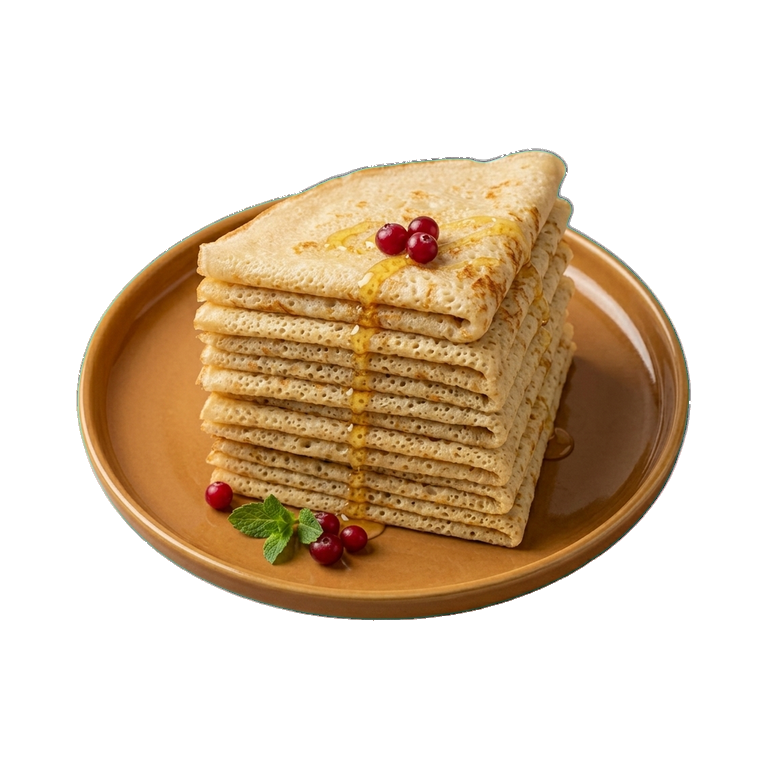
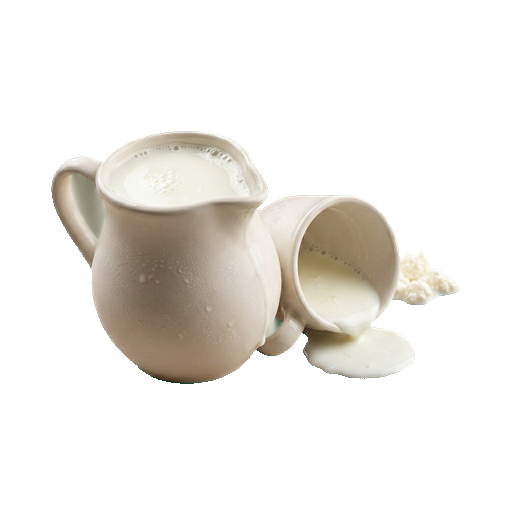
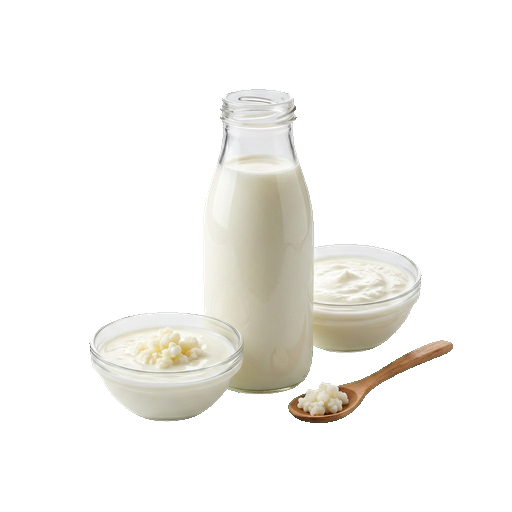
- Pancakes and fritters on kefir — a classic combination that provides ideal fluffiness
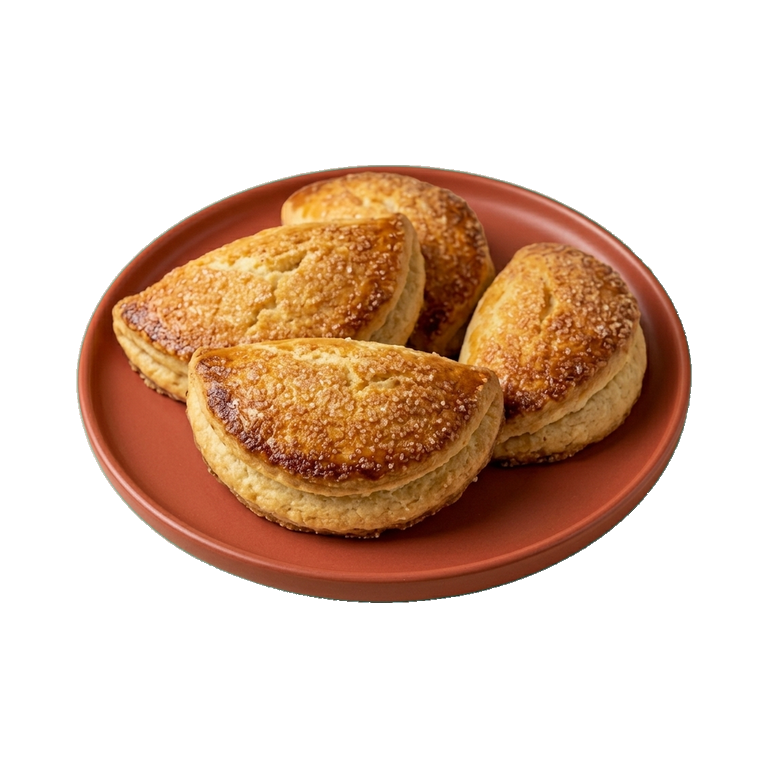
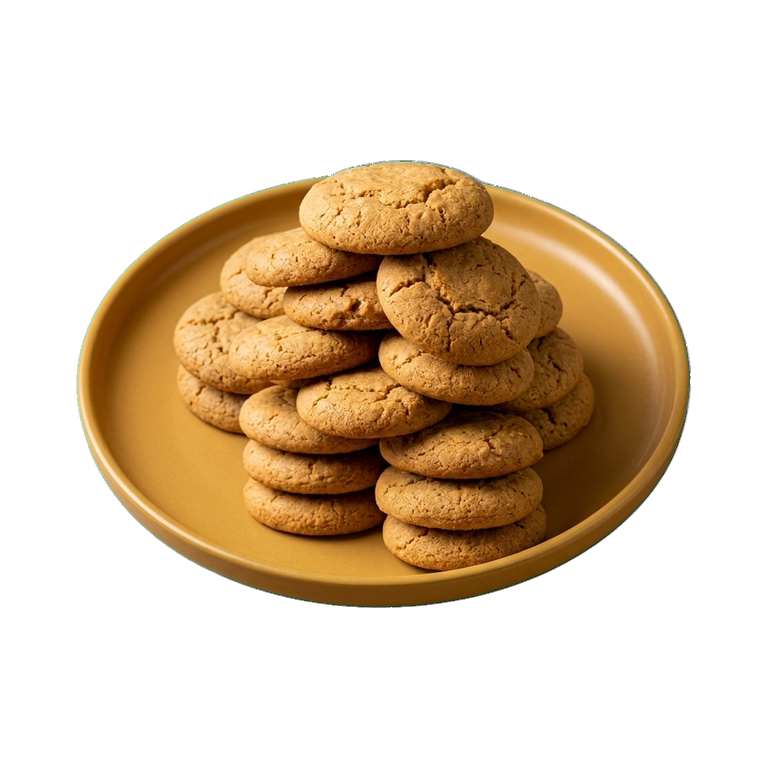
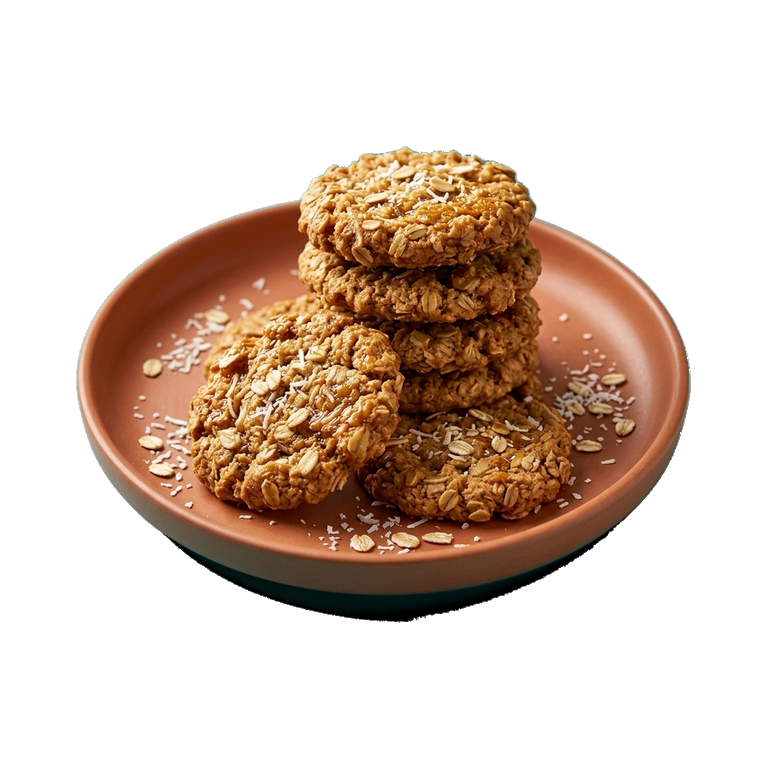
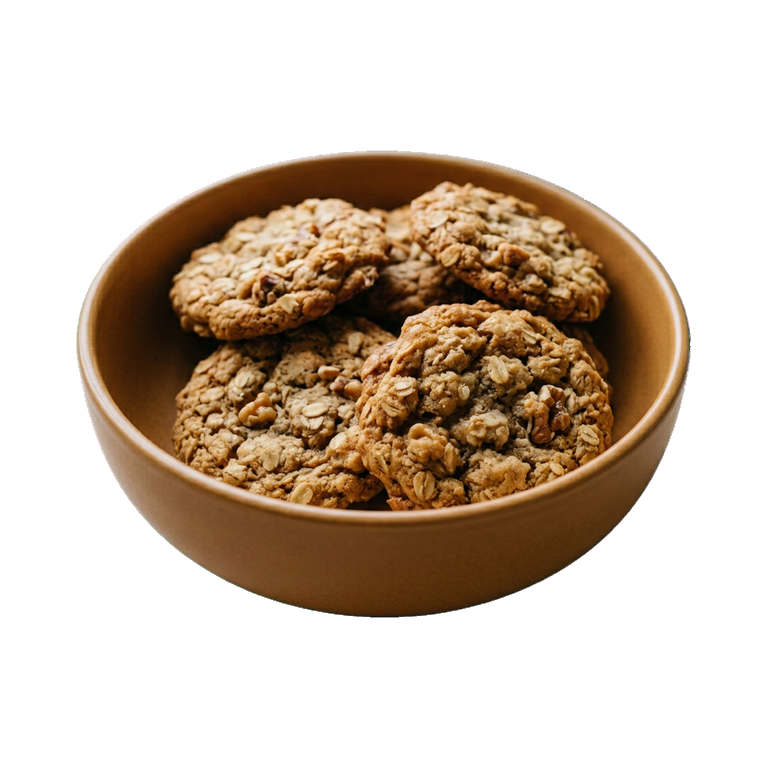
- Cookies and gingerbread — baking soda helps them become crispy and crumbly
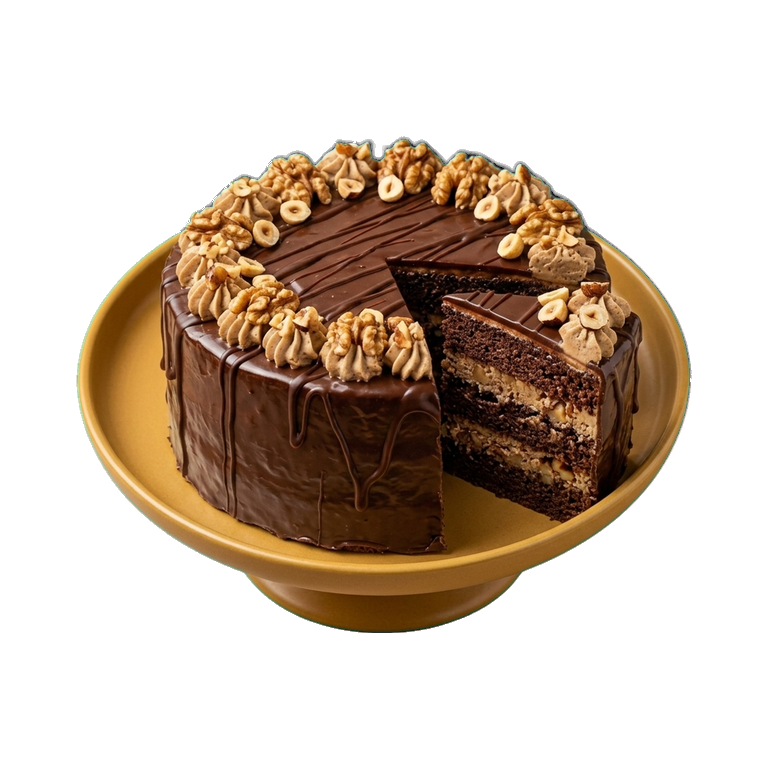
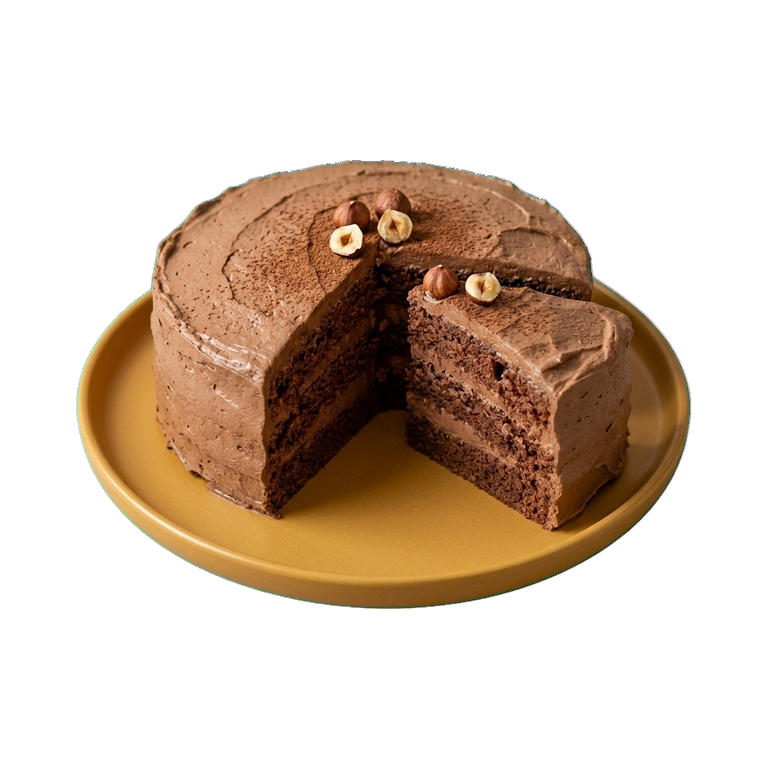
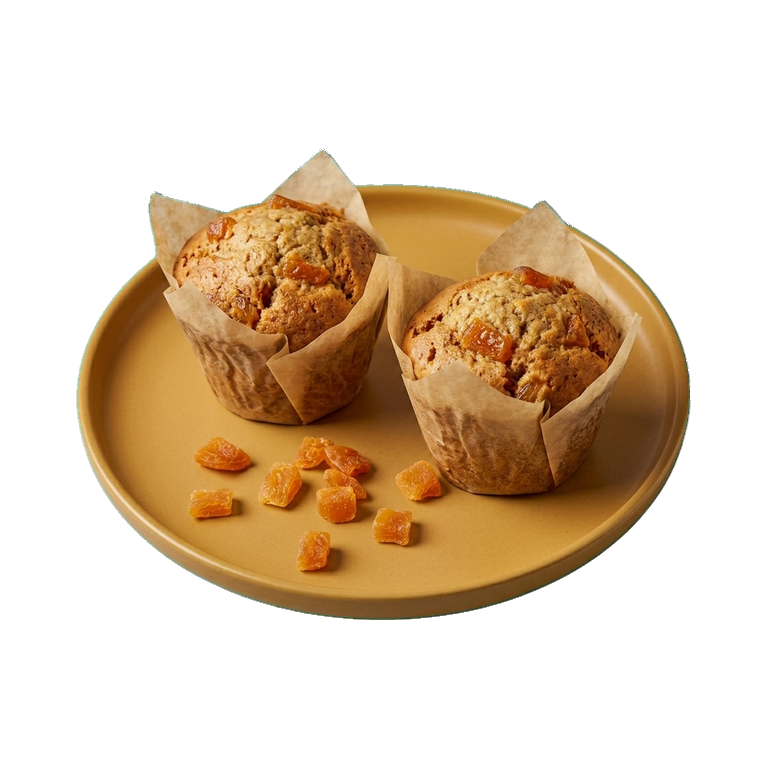
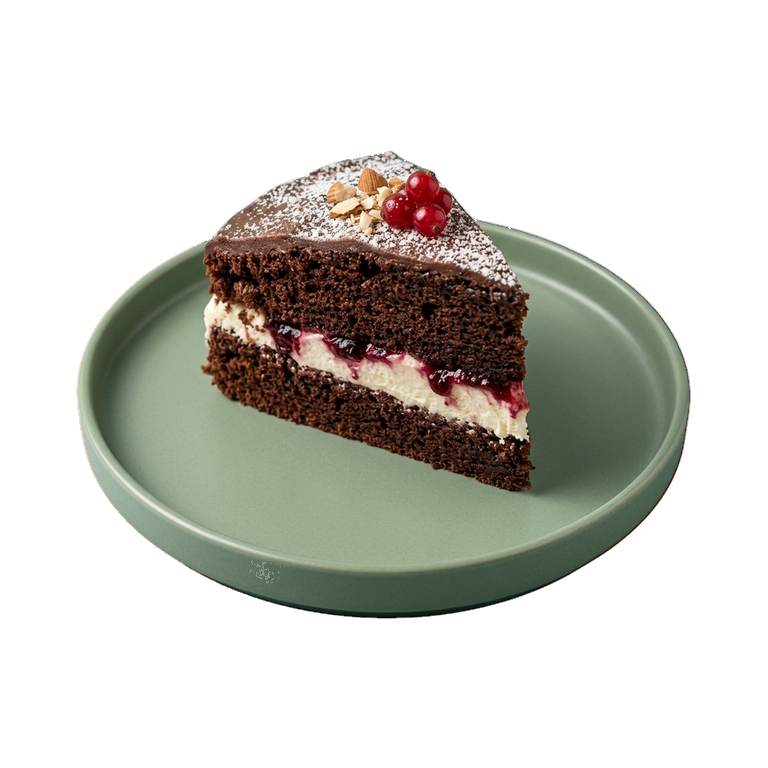
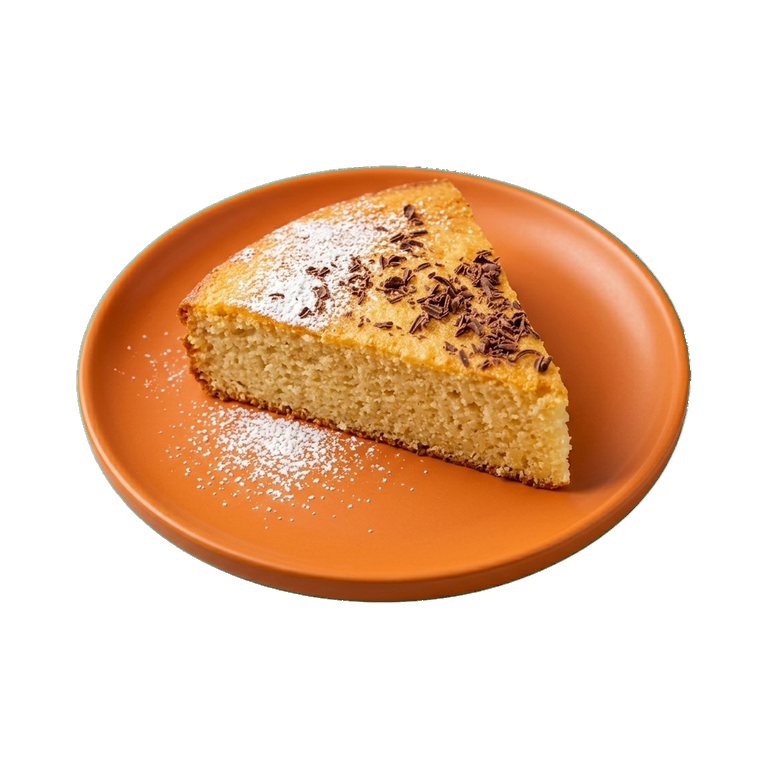
- Cupcakes and muffins — especially those with cocoa or chocolate, which are naturally acidic
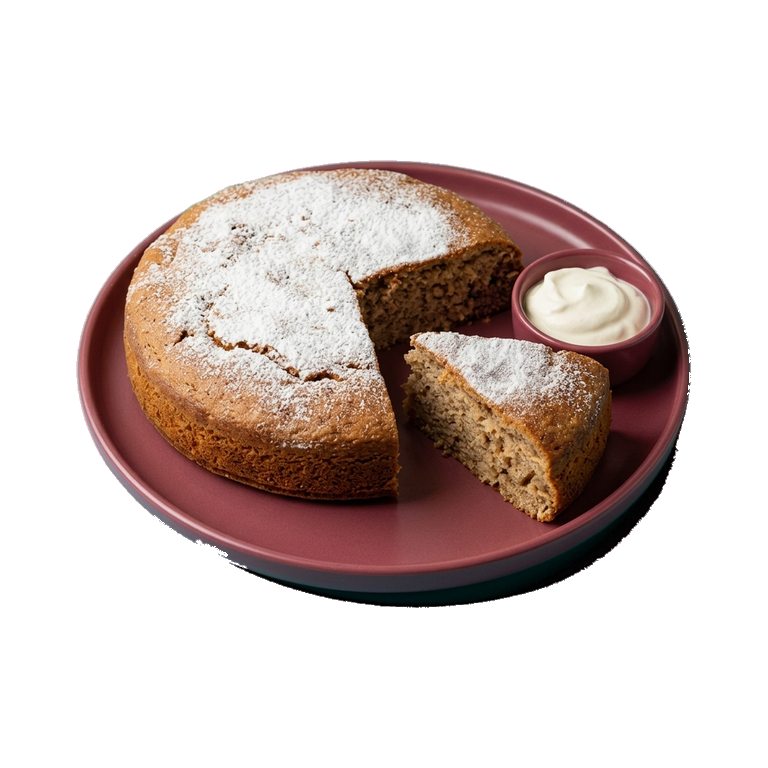
- Cakes on sour cream or fermented dairy products
- Gingerbread dough — here baking soda enhances the characteristic taste and structure
Dosage and Calculations
Usually, half a teaspoon of baking soda is taken per cup of kefir or sour cream. If you overdo it, the taste will become soapy and unpleasant. If there is not enough, the dough will not rise. When using cocoa or chocolate, you can take a bit more, because they contain acid.
There's a simple way to check: if the recipe calls for vinegar or lemon juice, you need to add them together with baking soda or even a bit earlier so the reaction starts. If you see the dough hissing and bubbling — everything is going right.
Baking soda or baking powder
Baking powder is a mixture of baking soda with acid and starch. It's more convenient to use when the recipe doesn't contain acidic products, because the reaction starts when heated. But if you have kefir, sour cream, or another acidic ingredient, pure baking soda will give a more pronounced effect and better control over the process.
Selection and Storage
Baking soda has a long shelf life, but loses its potency over time. Testing it is simple: add a drop of vinegar to a pinch of baking soda. If there's vigorous fizzing, the baking soda is fresh and ready to use. If the reaction is weak, it's time to buy a new package.
Keep baking soda in a tightly closed jar or original packaging, away from moisture and odors. Moisture is the enemy of baking soda—it causes it to cake and lose its properties. Ideally, store it in a dark, dry place in your kitchen cabinet.
Baking soda is not just a leavening agent, it's a chemical tool that requires understanding. But once you grasp the principle of how it works, it will become your faithful assistant in creating fluffy, airy baked goods. The key is to remember about the acid, don't overdo the amount, and don't delay sending the dough to the oven.
Nutrition
per 100 g
- Calories
- 0 kcal
- Protein
- 0 g
- Fat
- 0 g
- Carbs
- 0 g
Micronutrients
per 100 g
Macronutrients
- Fiber
- 0 g
- Sugars
- 0 g
- Saturated fat
- 0 g
- Monounsaturated fat
- 0 g
- Polyunsaturated fat
- 0 g
- Omega-3 (EPA + DHA)
- 0 g
- Cholesterol
- 0 mg
- Water
- 0.2 g
Minerals
- Sodium
- 27360 mg
- Potassium
- 0 mg
- Calcium
- 0 mg
- Magnesium
- 0 mg
- Phosphorus
- 0 mg
- Iron
- 0 mg
- Zinc
- 0 mg
- Copper
- 0 mg
- Manganese
- 0 mg
- Selenium
- 0.2 mcg
Vitamins
- Vitamin A (RAE)
- 0 mcg
- Vitamin D
- 0 mcg
- Vitamin E
- 0 mg
- Vitamin K
- 0 mcg
- Vitamin C
- 0 mg
- Vitamin B1 (thiamin)
- 0 mg
- Vitamin B2 (riboflavin)
- 0 mg
- Vitamin B3 (niacin)
- 0 mg
- Vitamin B5 (pantothenic acid)
- 0 mg
- Vitamin B6
- 0 mg
- Vitamin B9 (folate, DFE)
- 0 mcg
- Vitamin B12
- 0 mcg
Measures and weight
- 1 tbsp
- 16.5 g
- 1 tsp
- 5.5 g
- 1 cup
- 275 g
Measure calculator
- Weight
- 100 g
- Calories
- 0 kcal