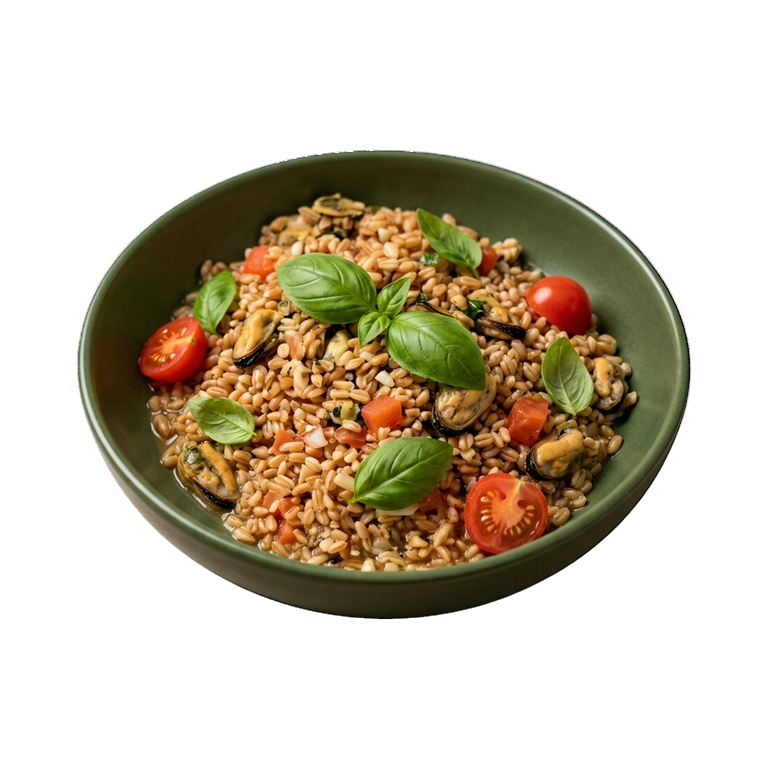
Usuba
Usuba
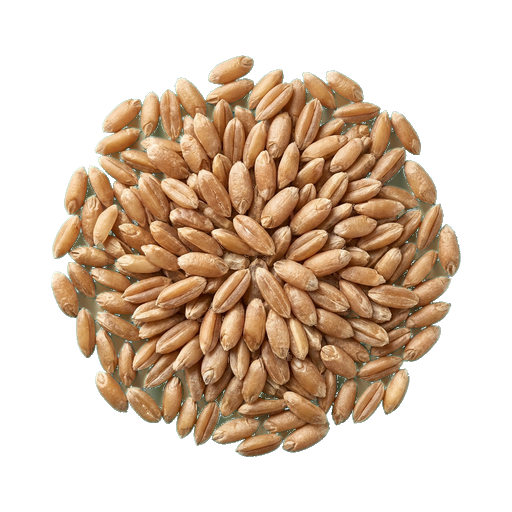
Spelt
Spelt is an ancient variety of wheat with hulled grains that require special dehulling during processing. Spelt grains have a nutty, slightly sweet flavor and a dense structure that holds its shape well when cooked, making the grain ideal for porridges, soups, and side dishes. When choosing spelt, pay attention to the integrity of the grains and the absence of mold smell; it takes longer to cook than regular wheat — about 60–90 minutes depending on the grain size and preliminary soaking.
Micronutrients
per 100 g
Minerals
About
Spelt is an ancient type of wheat that you rarely find on the shelves of a regular supermarket, but increasingly discover in health food stores and specialty suppliers. Spelt grains are covered with a husk that protects them during storage and makes the grain more resistant to pests and diseases. This is why spelt remained popular in households for a long time, despite the labor-intensive processing required.
Taste and texture
Spelt has a characteristic nutty, slightly sweet taste that distinguishes it from other grains. When cooked, the grains remain firm and don't turn into a mushy porridge — they retain their shape and have a slight crunch when chewed. This texture makes spelt an excellent choice for salads, side dishes, and soups where you need structure and an interesting contrast.
Role in Dishes
- Side dish for meat or fish — spelt absorbs sauces well and doesn't fall apart when stirred
- Base for grain salads — combines well with vegetables, herbs, nuts, and dairy dressings
- Addition to soups and stews — adds heartiness and interesting texture to dishes
- Ingredient for bread and baked goods — spelt flour is mixed with wheat flour for aroma
- Breakfast porridge — takes longer to cook than regular wheat, but turns out crumbly and nutritious
How to Cook Spelt
Before cooking spelt, it should be rinsed under cold water. It takes longer to cook than regular wheat — approximately 40–50 minutes over medium heat. Ratio: for one part spelt, take two and a half parts water or broth. If you want to speed up the process, soak the grains overnight — cooking time will be reduced to 30 minutes. After cooking, let the porridge sit covered for a few minutes so it absorbs the remaining moisture.
Combinations and Pairings
- With vegetables: tomatoes, cucumbers, bell peppers, carrots, beets
- With proteins: chicken, beef, fish, eggs, cottage cheese
- With herbs and spices: parsley, dill, coriander, cumin, turmeric
- With acidic components: lemon juice, vinegar, yogurt, kefir
- With oils: olive oil, butter, sesame oil
Selection and Storage
When choosing spelt, pay attention to the uniformity of the grains and the absence of foreign impurities. The packaging should be intact, without signs of moisture or mold. Spelt is stored in a dry, cool place in an airtight container — this way it will retain its freshness and taste throughout the year. Spelt flour should be kept in the refrigerator, as it contains more fat than regular wheat flour and can oxidize more quickly.
Spelt is rich in fiber, protein, and minerals, making it a valuable ingredient for those who monitor their nutrition. However, it contains gluten, so it is not suitable for people with celiac disease.
Nutrition
per 100 g
- Calories
- 337 kcal
- Protein
- 14.7 g
- Fat
- 2.4 g
- Carbs
- 68 g
Micronutrients
per 100 g
Macronutrients
- Fiber
- 10.7 g
- Sugars
- 6.82 g
- Saturated fat
- 0.406 g
- Monounsaturated fat
- 0.445 g
- Polyunsaturated fat
- 1.258 g
- Cholesterol
- 0 mg
- Water
- 11.02 g
Minerals
- Sodium
- 8 mg
- Potassium
- 388 mg
- Calcium
- 27 mg
- Magnesium
- 136 mg
- Phosphorus
- 401 mg
- Iron
- 4.44 mg
- Zinc
- 3.28 mg
- Copper
- 0.51 mg
- Manganese
- 2.98 mg
- Selenium
- 11.7 mcg
Vitamins
- Vitamin A (RAE)
- 0 mcg
- Vitamin E
- 0.79 mg
- Vitamin K
- 3.6 mcg
- Vitamin C
- 0 mg
- Vitamin B1 (thiamin)
- 0.36 mg
- Vitamin B2 (riboflavin)
- 0.11 mg
- Vitamin B3 (niacin)
- 6.84 mg
- Vitamin B5 (pantothenic acid)
- 1.07 mg
- Vitamin B6
- 0.23 mg
- Vitamin B9 (folate, DFE)
- 45 mcg
- Vitamin B12
- 0 mcg
Measures and weight
- 1 tbsp
- 10.5 g
- 1 tsp
- 3.5 g
- 1 cup
- 175 g
Measure calculator
- Weight
- 100 g
- Calories
- 337 kcal