Usuba
Usuba
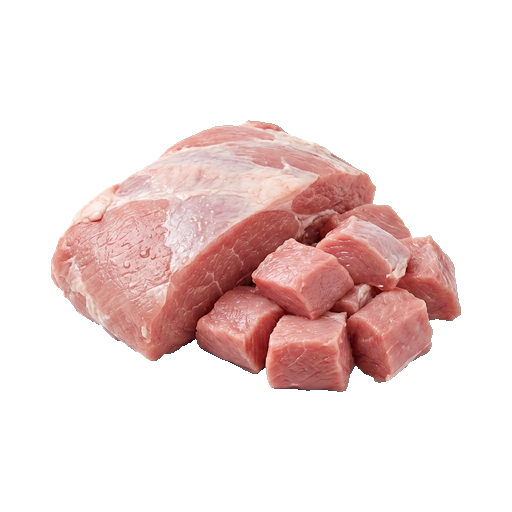
Veal shoulder
This is tender meat from the front part of a young animal's carcass with good connective tissue content, which turns into gelatin during prolonged heat treatment. The shoulder is ideal for braising, simmering in broth, and slow roasting, as the meat becomes soft and juicy, and the broth becomes rich and aromatic. When selecting, pay attention to the light pink color of the meat and the presence of a thin layer of fat. For a substitute, you can use beef shoulder, although it will require a longer cooking time.
Micronutrients
per 100 g
Minerals
About
What is veal shoulder and why chefs value it
Veal shoulder is one of the most versatile and economical cuts of meat. It is part of the animal's front leg, rich in connective tissue and muscle fibers. It is precisely because of this composition that the shoulder becomes ideal for prolonged heat treatment: during stewing and boiling, collagen transforms into gelatin, the meat becomes tender, and the broth becomes rich and aromatic.
Veal has a delicate and tender taste with no harsh notes. The shoulder has a soft meaty aroma that fully unfolds with slow cooking. This cut has little fat, so the meat doesn't feel heavy, but thanks to collagen it never turns out dry if you follow proper cooking techniques.
How to cook veal shoulder
The main rule: chuck requires time and moisture. Quick pan-frying will leave it tough. However, stewing, boiling in broth, and cooking in the oven at low temperature will transform this cut into a delicacy. The meat becomes tender after 1.5–2 hours of slow stewing, and if you boil it in salted water with vegetables and spices — you'll get a base for soup or stew.
- Braising in the oven: cut meat into pieces, brown it, add broth, vegetables, cover with a lid and cook at 160–180°C
- Boiling for soup: a whole piece or sliced meat is placed in boiling water with carrots, celery, onion and boiled for 1.5–2 hours
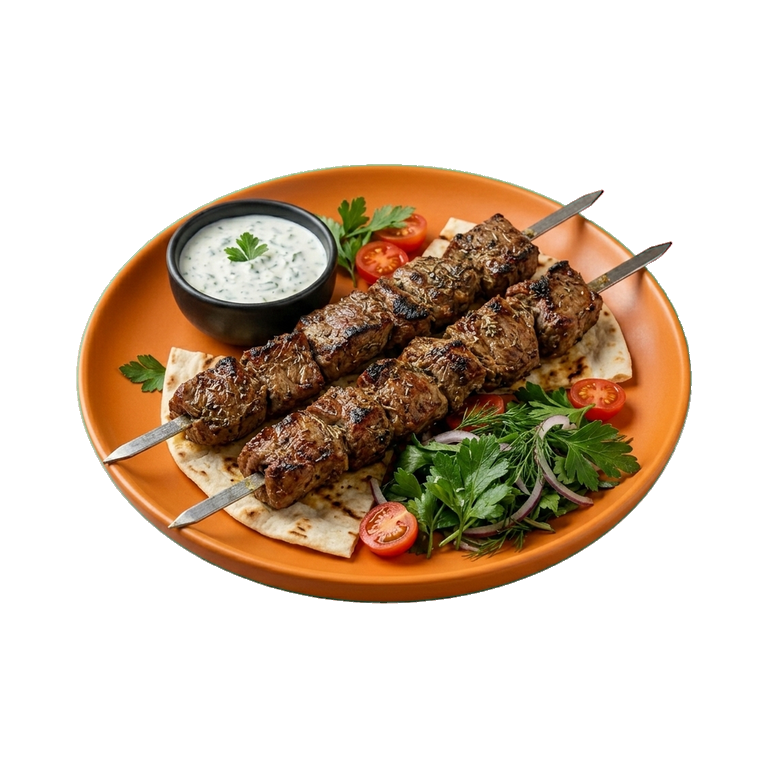
- Stew and skewers: diced shoulder is braised with tomatoes, peppers and herbs for 1.5 hours until tender
- Ground meat: shoulder is well suited for cutlets and meatballs thanks to its tender texture
What pairs well with veal shoulder
Tender veal readily absorbs flavors, so feel free to add herbs: thyme, rosemary, and parsley. White wines, cream, and sour cream highlight the delicate taste. Vegetables — carrots, onions, celery, tomatoes — become natural companions when braising. Use spices gently: black pepper, bay leaf, and juniper. Strong spices don't enhance the dish but rather overpower it.
How to Choose and Store
When purchasing, pay attention to the color: the meat should be light pink, uniform in tone. The surface should be slightly moist, but not wet. The smell should be fresh, meaty, without sour or foreign notes. Pieces with visible bruises or dark spots are better to avoid. Marbling of the fat is a sign of quality, but in the shoulder there is little fat, and this is normal.
Keep fresh shoulder in the coldest part of the refrigerator for no more than 2–3 days. If you plan to cook it later, freeze the meat: it will maintain quality for up to 3 months. Before cooking, let it thaw in the refrigerator, not at room temperature — this way the meat will remain juicy and safe.
Veal shoulder is meat for the patient. There's no need to rush: the longer it stews, the more tender it becomes. The result is worth the time spent.
Nutrition
per 100 g
- Calories
- 98 kcal
- Protein
- 20.5 g
- Fat
- 1.5 g
- Carbs
- 0 g
Micronutrients
per 100 g
Macronutrients
- Fiber
- 0 g
- Saturated fat
- 0.9 g
- Monounsaturated fat
- 0.96 g
- Polyunsaturated fat
- 0.31 g
- Cholesterol
- 86 mg
- Water
- 76.58 g
Minerals
- Sodium
- 92 mg
- Potassium
- 311 mg
- Calcium
- 22 mg
- Magnesium
- 24 mg
- Phosphorus
- 208 mg
- Iron
- 0.9 mg
- Zinc
- 4.06 mg
- Copper
- 0.12 mg
- Manganese
- 0.03 mg
- Selenium
- 8.3 mcg
Vitamins
- Vitamin A (RAE)
- 0 mcg
- Vitamin E
- 0.26 mg
- Vitamin C
- 0 mg
- Vitamin B1 (thiamin)
- 0.09 mg
- Vitamin B2 (riboflavin)
- 0.29 mg
- Vitamin B3 (niacin)
- 6.15 mg
- Vitamin B5 (pantothenic acid)
- 1.45 mg
- Vitamin B6
- 0.4 mg
- Vitamin B9 (folate, DFE)
- 11 mcg
- Vitamin B12
- 1.7 mcg
Measure calculator
- Weight
- 100 g
- Calories
- 98 kcal