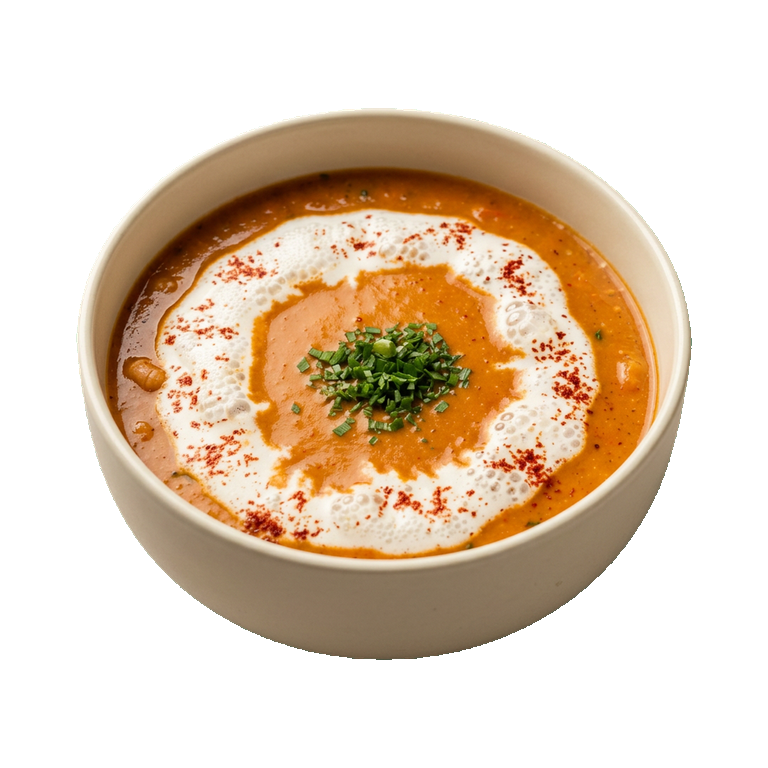
Usuba
Usuba
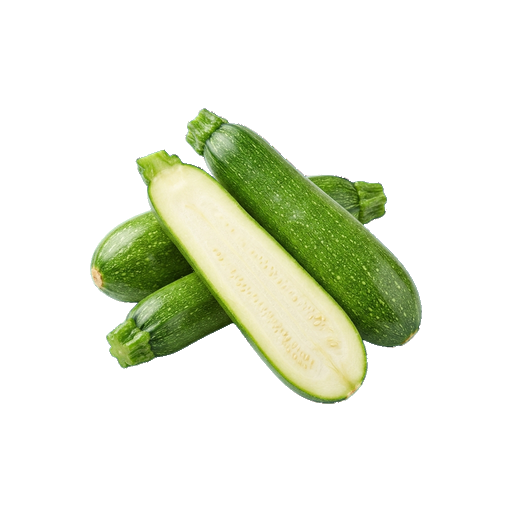
Young zucchini
Young zucchini are tender summer squashes with thin skin, harvested at an early stage of ripeness while the seeds inside are still tender. They have a mild, slightly sweet flavor and delicate texture, making them ideal for quick sautéing, grilling, or adding to light summer dishes. When selecting, pay attention to the firmness of the fruit — young zucchini should be firm and elastic, without soft spots, and typically do not exceed 20 centimeters in size.
Micronutrients
per 100 g
Minerals
About
Young zucchini are tender squashes harvested at an early stage of ripeness, when the skin is still thin, the flesh is sweet, and almost seedless. They are nothing like dense, large zucchini: they cook quickly, absorb the flavors of sauces and spices, and maintain a delicate texture. This is the perfect choice when you want a light, fresh dish without unnecessary fuss.
Aroma and taste
Young zucchini have a soft, barely perceptible herbaceous aroma and tender, slightly sweet flavor. The skin is barely noticeable when chewing, and the flesh practically melts in your mouth. This allows them to easily adapt to any sauces: they work equally well in spicy, creamy, and light aromatic combinations.
Role in dishes
- Grill and skillet: young zucchini cook in 3–4 minutes per side and require no pre-processing
- Pasta and risotto: thinly sliced or grated, they dissolve into the dish, creating a delicate texture
- Salads: raw young zucchini can be cut into ribbons or thin slices — they're crispy and not bitter
- Casseroles and vegetable dishes: hold their shape well thanks to dense yet tender flesh
- Side dishes for fish and meat: neutral flavor doesn't compete with the main dish
What pairs well
Young zucchini are versatile: they pair well with lemon and lime, which enhance their freshness; with garlic and herbs (basil, mint, parsley), which add depth; with extra virgin olive oil; with parmesan and feta; with cream and milk. They work well in combination with tomatoes, eggplants, bell peppers, and shallots.
Selection and Storage
Choose young zucchini about the size of a finger or a small cucumber — they should be firm but not hard, with smooth skin free of dents. The skin should be thin and easily pierced with a fingernail. Avoid large specimens: they often contain many seeds and have a less tender texture.
Store young zucchini in the refrigerator in the vegetable compartment, in a bag or container — they will stay fresh for 3–5 days. Do not wash them before storage to prevent rotting. Before cooking, simply rinse under running water and trim both ends. There is no need to peel the skin: it is edible and adds beauty and texture to the dish.
Culinary tip
- Do not overcook: young zucchini lose their shape and become watery within 5–7 minutes over high heat
- Salt at the end of cooking — this way they won't release moisture prematurely
- If cooking on a grill, lightly brush with oil and slice lengthwise — this will give them beautiful stripes and keep them tender inside
Nutrition
per 100 g
- Calories
- 21 kcal
- Protein
- 1.5 g
- Fat
- 0.4 g
- Carbs
- 3.7 g
Micronutrients
per 100 g
Macronutrients
- Fiber
- 1.1 g
- Saturated fat
- 0.083 g
- Monounsaturated fat
- 0.031 g
- Polyunsaturated fat
- 0.169 g
- Cholesterol
- 0 mg
- Water
- 92.73 g
Minerals
- Sodium
- 3 mg
- Potassium
- 459 mg
- Calcium
- 21 mg
- Magnesium
- 33 mg
- Phosphorus
- 93 mg
- Iron
- 0.79 mg
- Zinc
- 0.83 mg
- Copper
- 0.1 mg
- Manganese
- 0.2 mg
- Selenium
- 0.3 mcg
Vitamins
- Vitamin A (RAE)
- 25 mcg
- Vitamin D
- 0 mcg
- Vitamin C
- 34.1 mg
- Vitamin B1 (thiamin)
- 0.04 mg
- Vitamin B2 (riboflavin)
- 0.04 mg
- Vitamin B3 (niacin)
- 0.71 mg
- Vitamin B5 (pantothenic acid)
- 0.37 mg
- Vitamin B6
- 0.14 mg
- Vitamin B9 (folate, DFE)
- 20 mcg
- Vitamin B12
- 0 mcg
Measures and weight
- 1 pcs
- 150 g
Measure calculator
- Weight
- 100 g
- Calories
- 21 kcal