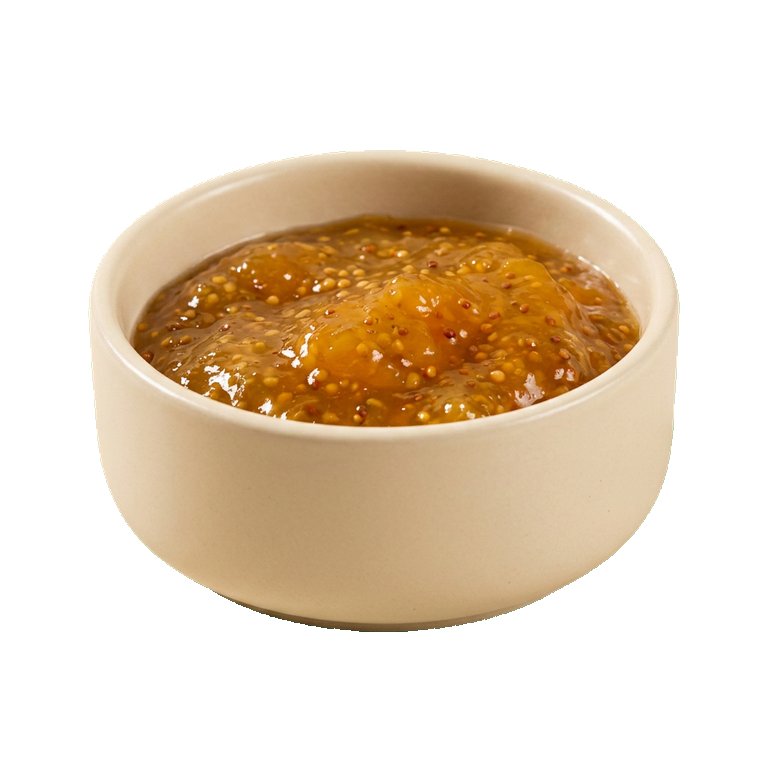
Usuba
Usuba
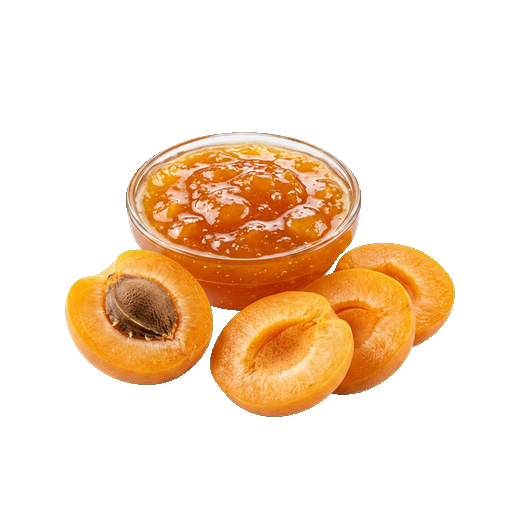
Apricot Jam
A thick fruit product made from pureed apricots with sugar, featuring an intense sweet taste with a subtle tartness and bright orange color. In cooking, it is used as a filling for pies, buns, and cookies, as well as a component in sauces for meat dishes and glazes for baked goods. When selecting jam, pay attention to the consistency — it should be uniform without large pieces, and when substituting with another jam, keep in mind that apricot jam is less acidic than raspberry or currant jam.
Micronutrients
per 100 g
Minerals
About
Apricot jam is not just a sweet spread for bread. It is a concentrated flavor of ripe fruits that works everywhere: from a classic breakfast to complex desserts and main dishes. Good apricot jam strikes a balance between the natural sweetness of the fruit and the right consistency — not runny, not rubbery.
Taste and Aroma
Apricot jam smells like summer — sweet, with a light tartness and a barely noticeable bitterness from the pits. The taste depends on the quality of the original fruit: in good jam you can taste the fruit pulp, not just a sugary mass. The acidity helps the jam from becoming cloying and makes it a versatile pairing for both sweet and savory dishes.
Where to use
- For breakfast — with yogurt, cottage cheese, pancakes or simply on bread with butter
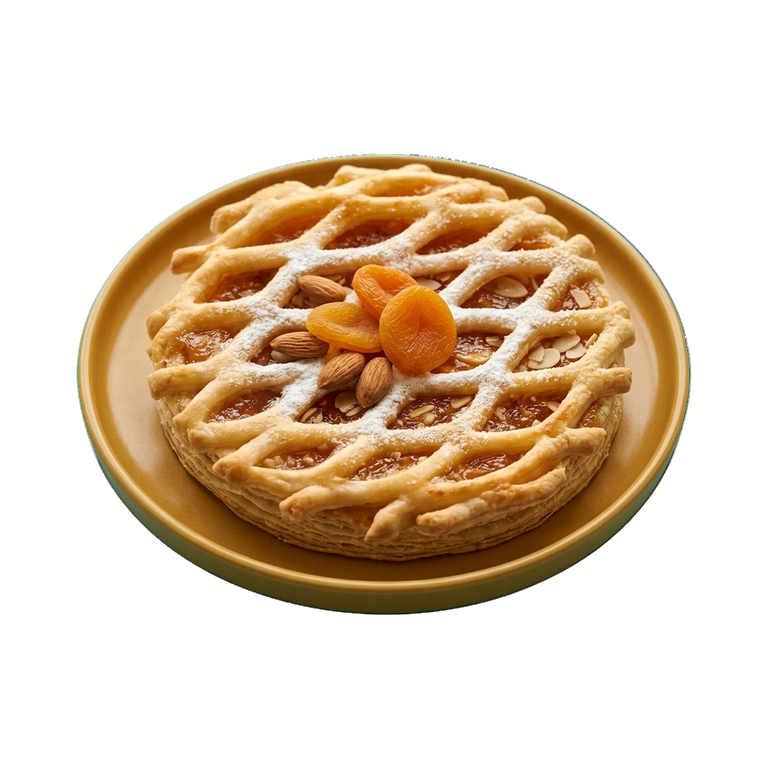
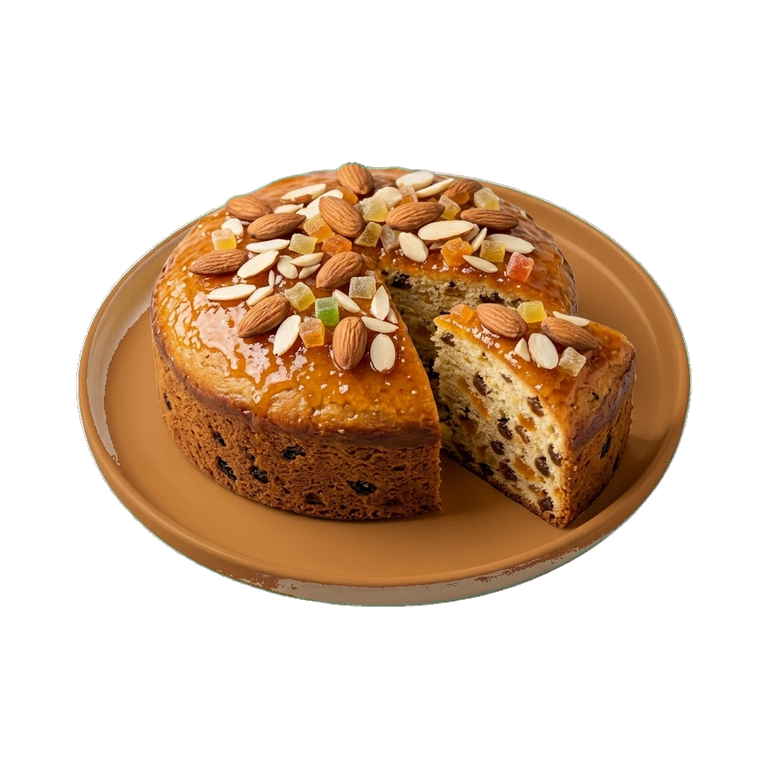
- In baking — filling for pies, buns, layer in cakes
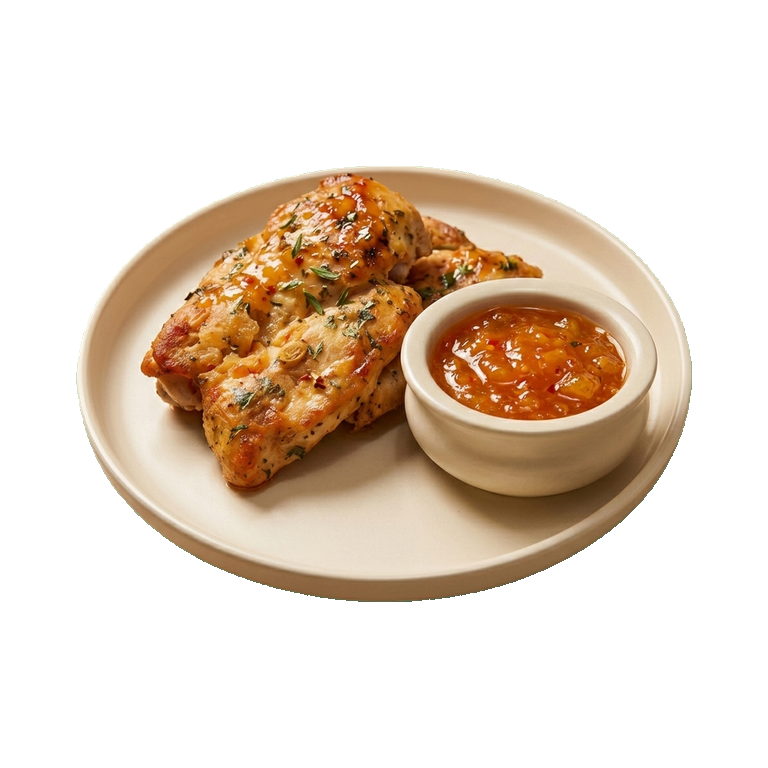
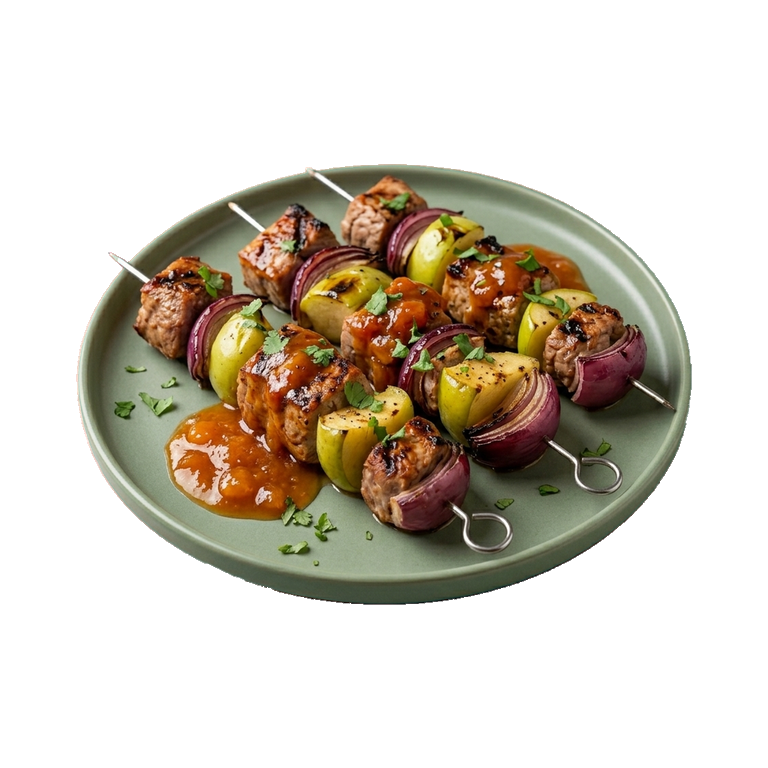
- In sauces — glaze for duck or pork, component of spicy meat sauce
- In desserts — base for mousses, panna cotta, addition to ice cream
- In beverages — diluted in water or tea for compote, in cocktails
Food Pairings
Apricot jam pairs well with almonds, vanilla, and cinnamon in sweet dishes. In savory dishes, it works beautifully with spicy spices, black pepper, and mustard. It complements cheese — both soft camembert and hard varieties. Its tartness balances rich sauces and helps refresh heavy meat dishes.
How to Choose and Store
- Look at the ingredients — good jam should contain apricots, sugar, and lemon juice, nothing more is needed
- The consistency should be thick, but not rock-hard — a spoon should sink into it, not slide across it
- The color should be bright orange or golden, with no dark burnt spots
- Keep sealed jars in a cool, dark place; keep opened jars in the refrigerator under a lid
- Sealed jam can be stored for up to two years, opened jam for several weeks
Practical tip
If the jam is too thick, dilute it with hot water or juice to the desired consistency. If you are using it in baking, remember that jam can leak — add it to the filling in layers, alternating with dry ingredients, or slightly reduce the amount of liquid batter. For glazing meat, it's better to mix jam with mustard or soy sauce — this way it won't be too sweet.
Nutrition
per 100 g
- Calories
- 265 kcal
- Protein
- 0.4 g
- Fat
- 0.1 g
- Carbs
- 66 g
Micronutrients
per 100 g
Macronutrients
- Fiber
- 0.3 g
- Sugars
- 43.4 g
- Saturated fat
- 0.01 g
- Monounsaturated fat
- 0 g
- Polyunsaturated fat
- 0 g
- Omega-3 (EPA + DHA)
- 0 g
- Cholesterol
- 0 mg
- Water
- 34.5 g
Minerals
- Sodium
- 40 mg
- Potassium
- 77 mg
- Calcium
- 20 mg
- Magnesium
- 4 mg
- Phosphorus
- 3 mg
- Iron
- 0.49 mg
- Zinc
- 0.06 mg
- Copper
- 0.1 mg
- Manganese
- 0.04 mg
- Selenium
- 2 mcg
Vitamins
- Vitamin A (RAE)
- 10 mcg
- Vitamin D
- 0 mcg
- Vitamin E
- 0.13 mg
- Vitamin K
- 0 mcg
- Vitamin C
- 8.8 mg
- Vitamin B1 (thiamin)
- 0 mg
- Vitamin B2 (riboflavin)
- 0.02 mg
- Vitamin B3 (niacin)
- 0.04 mg
- Vitamin B5 (pantothenic acid)
- 0.02 mg
- Vitamin B6
- 0.02 mg
- Vitamin B9 (folate, DFE)
- 1 mcg
- Vitamin B12
- 0 mcg
Measures and weight
- 1 tbsp
- 19.5 g
- 1 tsp
- 6.5 g
- 1 cup
- 325 g
- 1 can
- 350 g
Measure calculator
- Weight
- 100 g
- Calories
- 265 kcal