Usuba
Usuba
Apricot Nectar
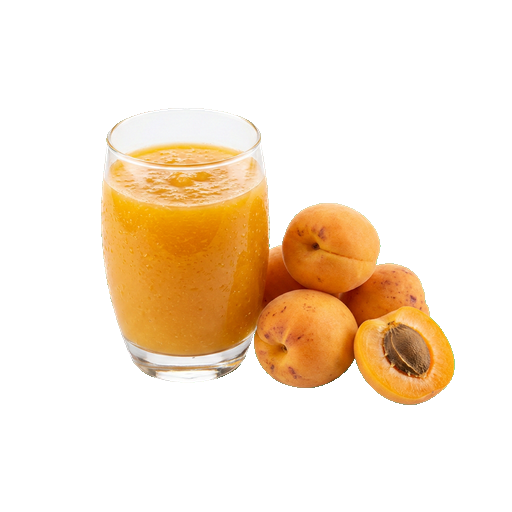
Apricot nectar is a sweet beverage made from concentrated apricot puree with added water and sugar, which preserves the characteristic fruity taste and aroma of fresh apricots. In cooking, it is used for preparing sauces, glazes, cocktails, compotes, and desserts, as well as a component in marinades for meat and poultry. When choosing, pay attention to the composition — quality nectar contains minimal additives, and as a substitute, you can use fresh apricot puree or mix apricot juice with water in the desired proportion.
Micronutrients
per 100 ml
Minerals
Vitamins
About
What is apricot nectar and how does it differ from juice
Apricot nectar is a concentrated apricot beverage diluted with water. Unlike juice, it contains pulp and requires the addition of liquid because fresh apricots do not naturally yield much juice. This makes nectar thicker, richer, and more intense in flavor. On store shelves, you'll find it in Tetra Paks or glass bottles, usually with a label indicating the fruit content — the higher the percentage, the more pronounced the aroma and taste.
When choosing, pay attention to the composition: quality nectar contains apricot pulp, water, and minimal additives. Some manufacturers add citric acid to balance acidity — this is normal and helps preserve the drink. Sugar in the composition is a natural part of apricot, but extra added sugar is not needed. Shake the package: good nectar should be uniform, without separation.
Aroma, taste and culinary uses
Apricot nectar smells bright and sweet, with a light fruity freshness. The taste is full-bodied, rounded, with natural sweetness and a barely noticeable tartness. This makes it a versatile ingredient: it can be drunk as a standalone beverage, diluted with water or ice on a hot day, or added to cocktails and smoothies.
In the kitchen, nectar works not only in beverages. It is used in sauces for meat and poultry — it gives glazes sweetness and depth. Add it to a marinade for pork or chicken, and the meat will become more tender and aromatic. Nectar is excellent in desserts: it is poured over panna cotta, added to jellies, and used in ice cream preparation. You can even add it to baked goods as a substitute for part of the liquid — pies and cupcakes will gain a delicate fruity undertone.
Pairings and storage
Apricot nectar pairs well with spices: cinnamon, cardamom, and ginger emphasize its fruity character. It harmonizes with vanilla, almond, and lemon. In beverages, it works well with mint, basil, and even hot spices like chili. On the table, apricot nectar complements dairy desserts, cottage cheese, and yogurt.
- Store open nectar in the refrigerator in a glass container for no more than 3–4 days
- Unopened tetra pack or bottle should be stored at room temperature, away from direct sunlight, until the expiration date on the package
- If the nectar has thickened or changed color, it is better not to use it
Apricot nectar is a simple and convenient ingredient that is always on hand. It saves time in preparing fruit dishes and beverages, and its bright taste is easy to recognize and love.
Nutrition
per 100 ml
- Calories
- 56 kcal
- Protein
- 0.5 g
- Fat
- 0.1 g
- Carbs
- 13.3 g
Micronutrients
per 100 ml
Macronutrients
- Fiber
- 0.104 g
- Sugars
- 13.302 g
- Saturated fat
- 0.034 g
- Monounsaturated fat
- 0.193 g
- Polyunsaturated fat
- 0.09 g
- Omega-3 (EPA + DHA)
- 0 g
- Cholesterol
- 0 mg
- Water
- 89.055 g
Minerals
- Sodium
- 8.32 mg
- Potassium
- 69.68 mg
- Calcium
- 11.44 mg
- Magnesium
- 5.2 mg
- Phosphorus
- 5.2 mg
- Iron
- 0.1 mg
- Zinc
- 0.03 mg
- Copper
- 0.02 mg
- Manganese
- 0.02 mg
- Selenium
- 0 mcg
Vitamins
- Vitamin A (RAE)
- 16.6 mcg
- Vitamin D
- 0 mcg
- Vitamin E
- 0.43 mg
- Vitamin K
- 1.2 mcg
- Vitamin C
- 30.89 mg
- Vitamin B1 (thiamin)
- 0.06 mg
- Vitamin B2 (riboflavin)
- 0.02 mg
- Vitamin B3 (niacin)
- 0.16 mg
- Vitamin B5 (pantothenic acid)
- 0.04 mg
- Vitamin B6
- 0.04 mg
- Vitamin B9 (folate, DFE)
- 1 mcg
- Vitamin B12
- 0 mcg
Measures and weight
- 1 tbsp
- 15.6 g
- 1 tsp
- 5.2 g
- 1 cup
- 260 g
Measure calculator
- Weight
- 100 g
- Calories
- 54 kcal