Usuba
Usuba
Bartlett pears
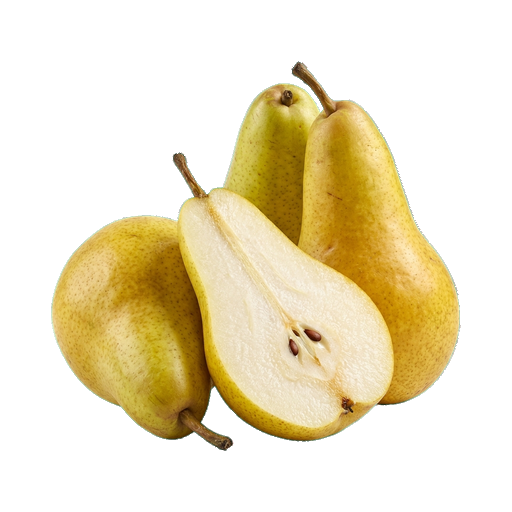
Bartlett pears are a classic summer variety with tender, juicy flesh and a delicate sweet flavor with floral notes. The fruits have a characteristic pear shape, yellow-green coloring that turns golden when ripe, and thin skin. In cooking, they are used fresh, in desserts, compotes, and for canning, however, they require careful handling due to their fragility and spoil quickly when overripe.
Micronutrients
per 100 g
Minerals
About
Aroma and Taste
Bartlett is a pear instantly recognized by its sweet, almost honey-like flavor with a delicate acidity. The flesh melts in your mouth, tender and juicy, without coarse fibers. The aroma is subtle, floral, and fully reveals itself only when the fruit reaches perfect ripeness. It is this harmony of sweetness and juiciness that makes Bartlett a favorite among pastry chefs and pear enthusiasts alike.
Role in dishes
Bartlett pears are versatile: raw, they are ideal fruits for desserts and salads, and when cooked, they are an excellent choice for compotes, jams, and pies. During heat treatment, pears do not fall apart, maintain their shape, and become even more tender. Their natural sweetness allows you to do without adding extra sugar, and their delicate flavor pairs well with spices — cinnamon, vanilla, and cloves.
Combinations and Ideas
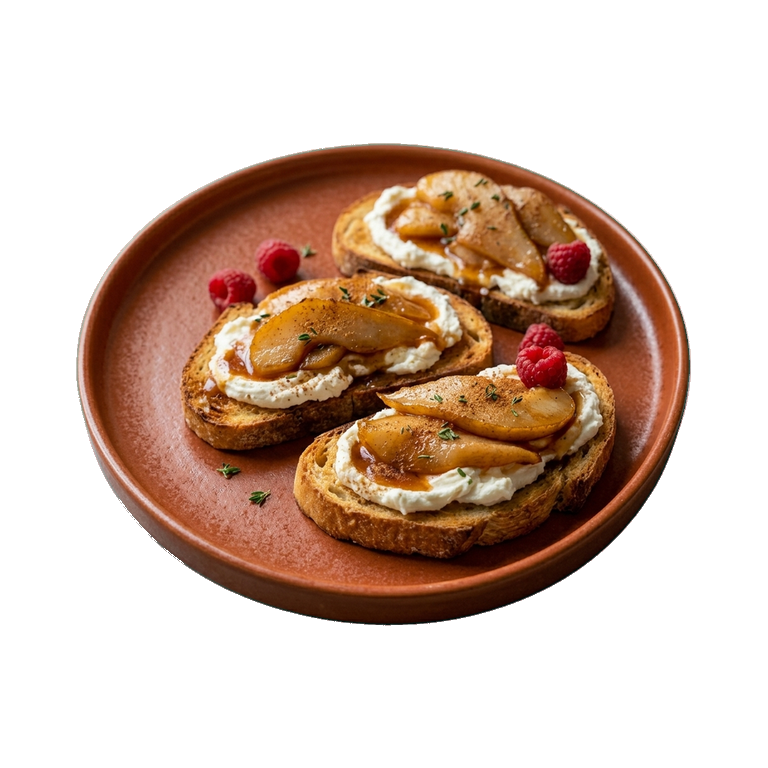
- With soft cheeses (mascarpone, ricotta) and honey — a classic combination for appetizers
- With chocolate and nuts — the basis for exquisite desserts
- With white wine and spices — for poached pears
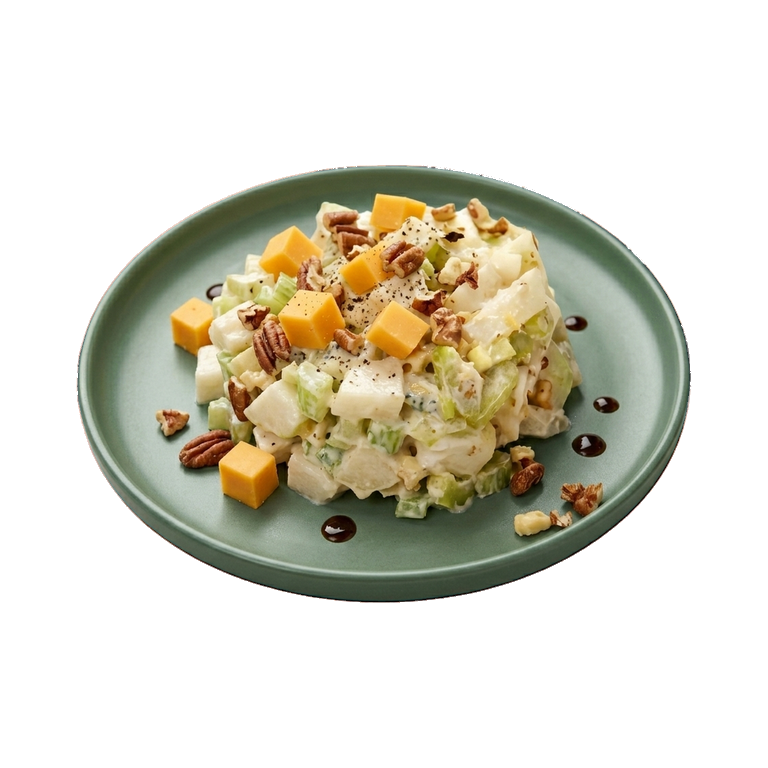
- In salads with leafy greens, blue cheese and nut dressing
- In compotes and dried fruits — pear holds its shape and aroma
Selection and Storage
A ripe Bartlett pear is easy to recognize: the skin becomes yellow (sometimes with a reddish blush), and when you apply gentle pressure to the upper part, the pear yields slightly. Don't wait until it becomes too soft — that's already overripe. Underripe pears ripen at room temperature in a few days; ripe ones are best stored in the refrigerator, where they will keep for one to two weeks. The main thing is not to wash them before use to avoid shortening their shelf life.
When buying, pay attention to the integrity of the skin — any dents and dark spots indicate damage. The pear should not emit a fermentation smell. If you plan to use the fruit in a few days, choose slightly underripe specimens — they will ripen just in time and will be more aromatic.
Nutrition
per 100 g
- Calories
- 57 kcal
- Protein
- 0.4 g
- Fat
- 0.1 g
- Carbs
- 15.2 g
Micronutrients
per 100 g
Macronutrients
- Fiber
- 3.1 g
- Water
- 84.1 g
Minerals
- Sodium
- 7 mg
- Potassium
- 87 mg
- Calcium
- 8 mg
- Magnesium
- 5.7 mg
- Phosphorus
- 10 mg
- Iron
- 0.17 mg
- Zinc
- 0.07 mg
- Copper
- 0.07 mg
- Manganese
- 0.03 mg
- Selenium
- 0.2 mcg
Vitamins
- Vitamin A (RAE)
- 1 mcg
- Vitamin K
- 3.8 mcg
- Vitamin C
- 4.4 mg
- Vitamin B1 (thiamin)
- 0.01 mg
- Vitamin B2 (riboflavin)
- 0.03 mg
- Vitamin B3 (niacin)
- 0.16 mg
- Vitamin B5 (pantothenic acid)
- 0.04 mg
- Vitamin B6
- 0.03 mg
Measures and weight
- 1 pcs
- 170 g
Measure calculator
- Weight
- 100 g
- Calories
- 57 kcal