Usuba
Usuba
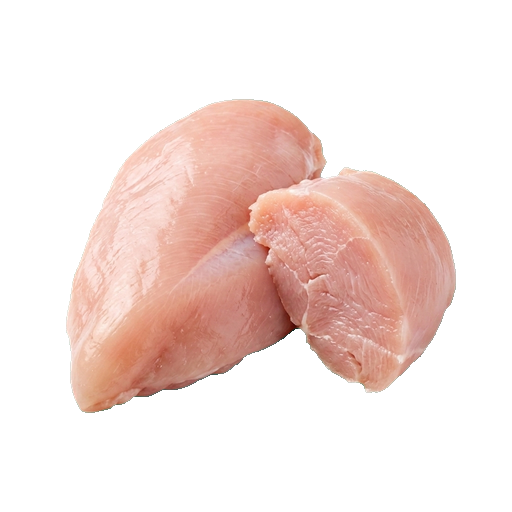
Chicken breast fillet
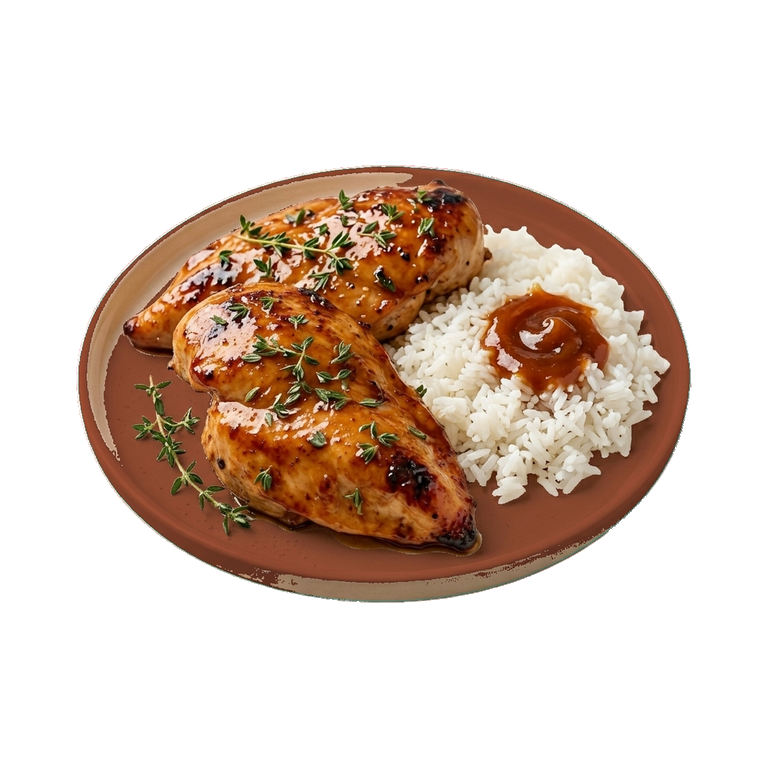
Chicken breast fillet is a dietary meat with a tender texture and neutral flavor that cooks quickly and absorbs the aromas of marinades and sauces well. It is a versatile ingredient for frying, boiling, baking, and grilling, ideal for salads, soups, and main dishes. When choosing, pay attention to the color — the meat should be light pink without spots, and when cooking it is important not to dry out the fillet, as it contains little fat.
Micronutrients
per 100 g
About
Chicken breast fillet is one of the most versatile and practical proteins in the kitchen. It is a boneless, skinless muscle part that cooks quickly, absorbs marinades and sauce flavors well, and remains a dietary product. If you are looking for an ingredient that works equally well in everyday dinners and festive dishes, breast fillet is your choice.
Taste and Texture
Chicken breast has a tender, delicate flavor without a pronounced meaty taste. The texture is fibrous, but when cooked properly, it becomes soft and juicy. The key is not to overcook it: overcooked breast becomes dry and loses its appeal. The optimal internal temperature of the meat is 75 degrees.
Thanks to its neutral taste, the fillet is easy to combine with spicy spices, herbs, creamy and tomato sauces. It absorbs marinades in 20–30 minutes, making it suitable for quick meals. One fillet cooks in a pan for 6–8 minutes, in the oven — 15–20 minutes at 200 degrees.
Where to use
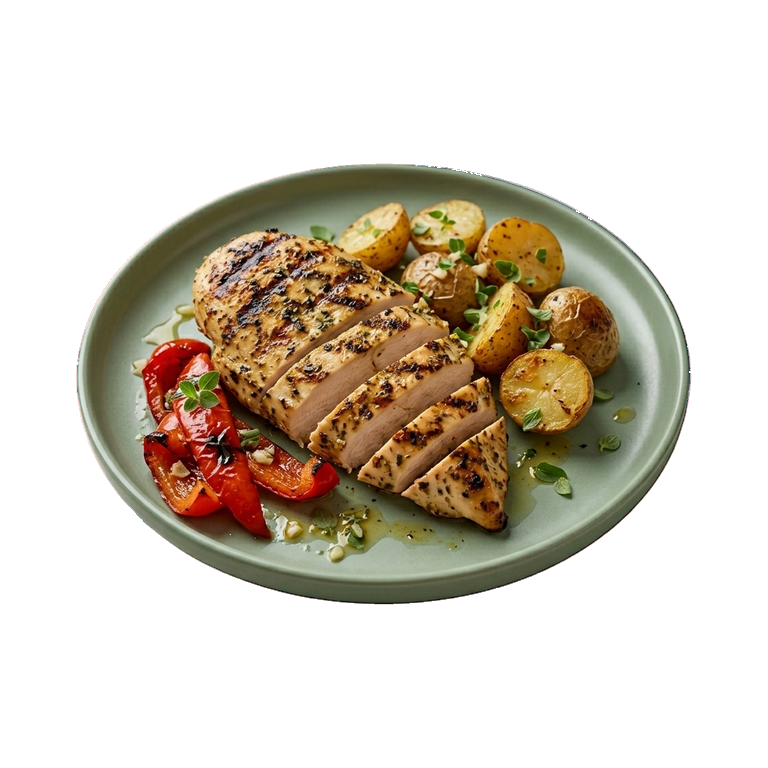
- Pan frying with lemon, garlic and herbs — a classic dinner option
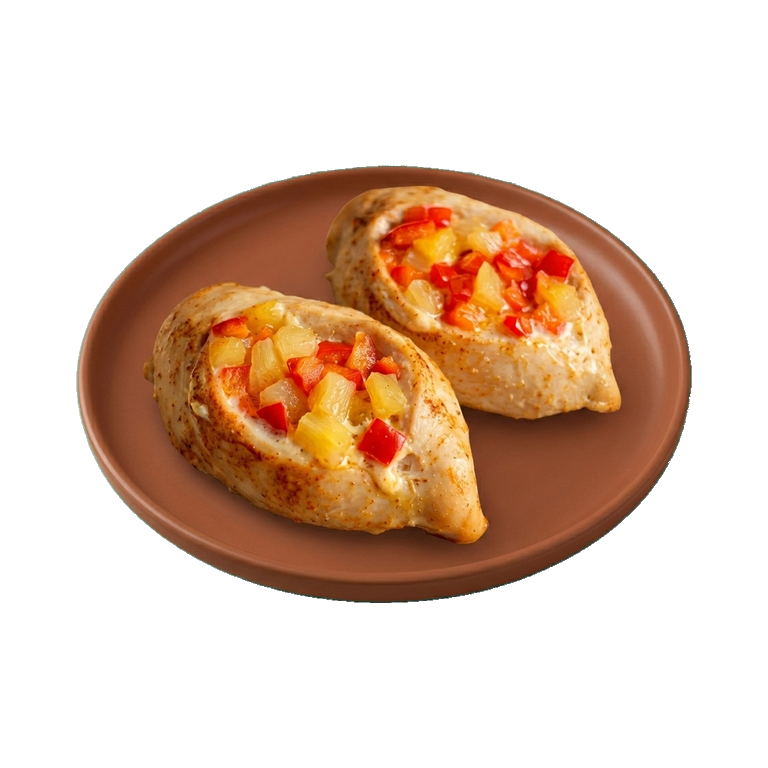
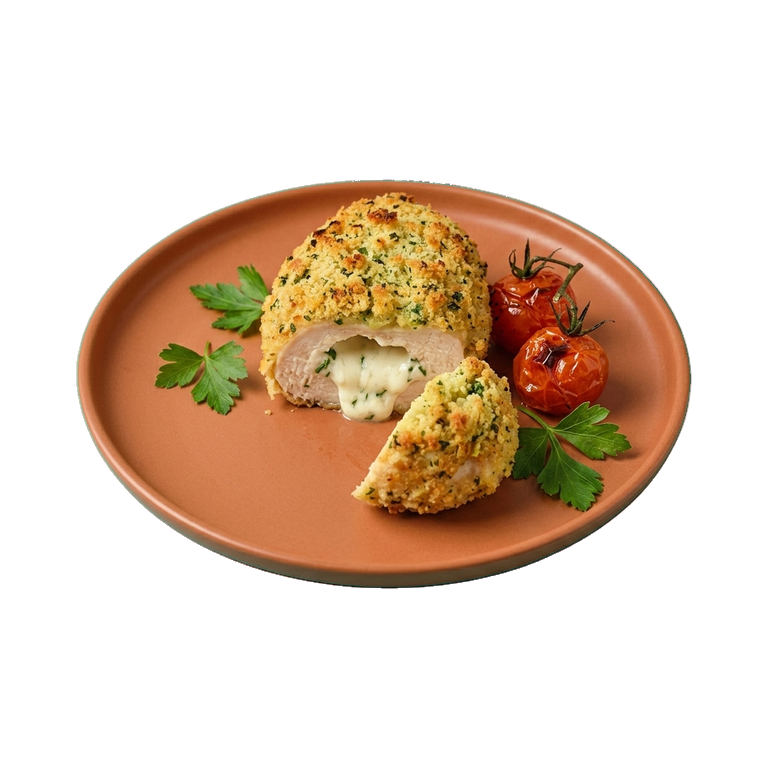
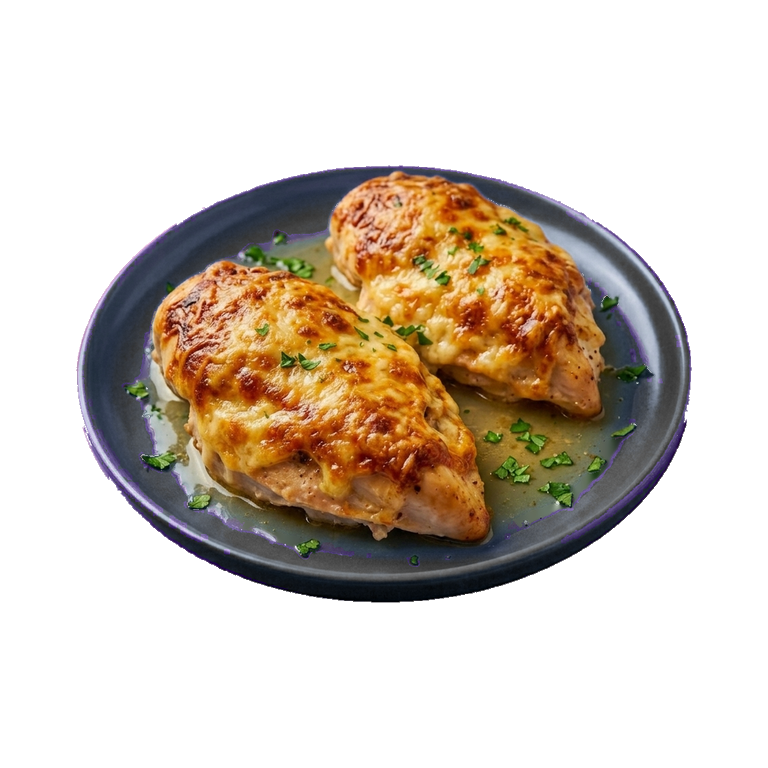
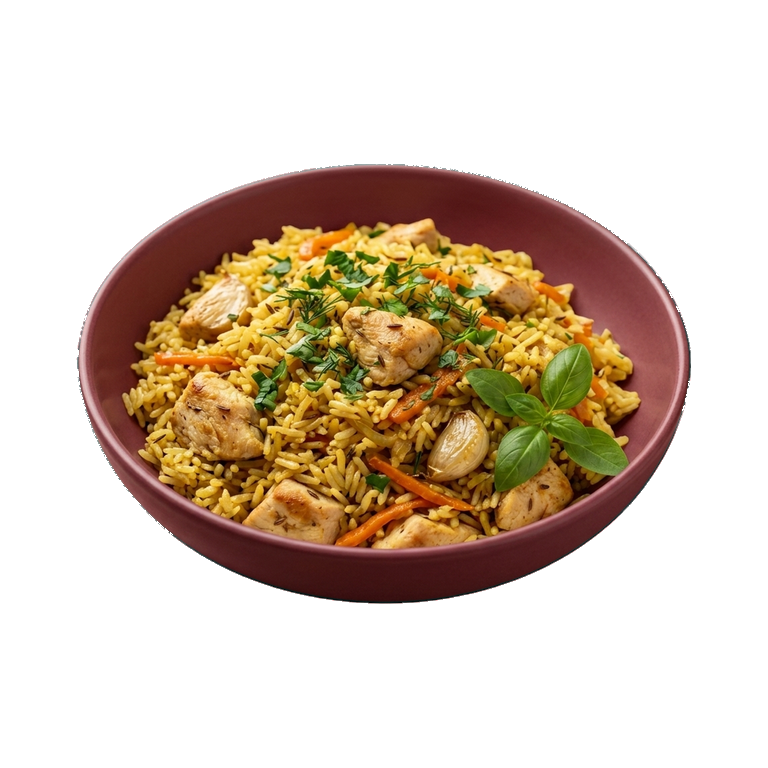
- Baking in the oven with vegetables and butter or tomato sauce
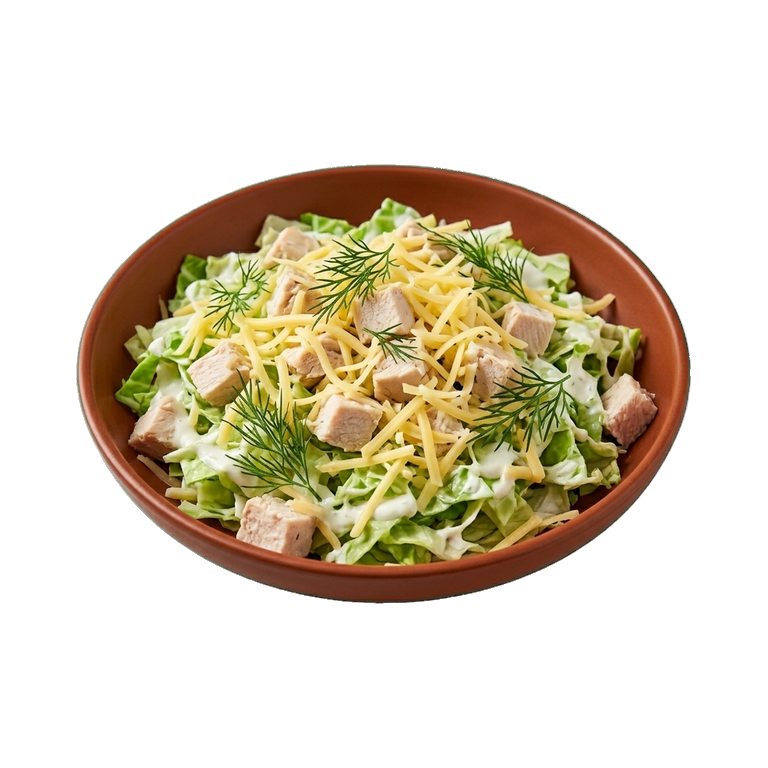
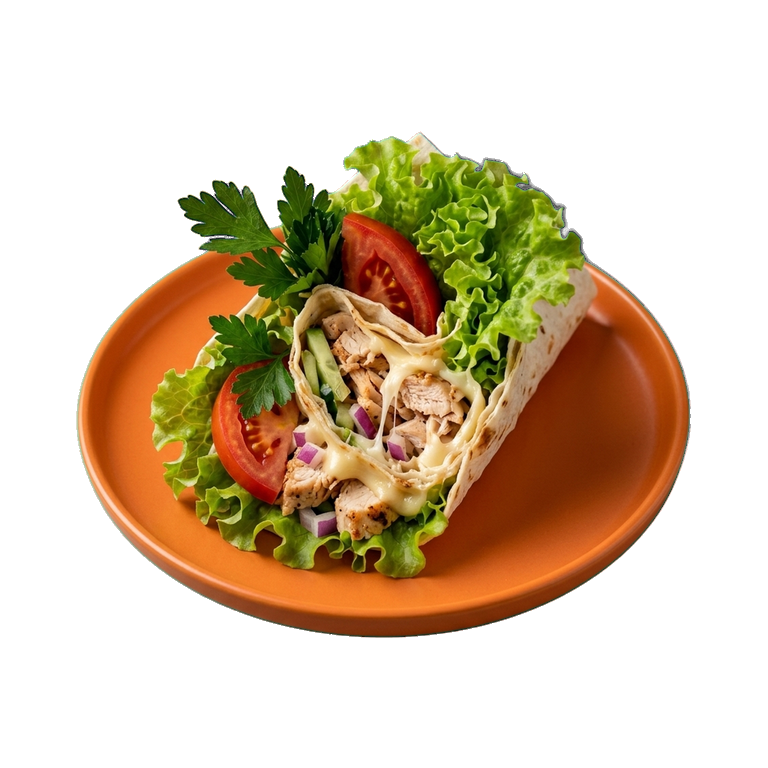
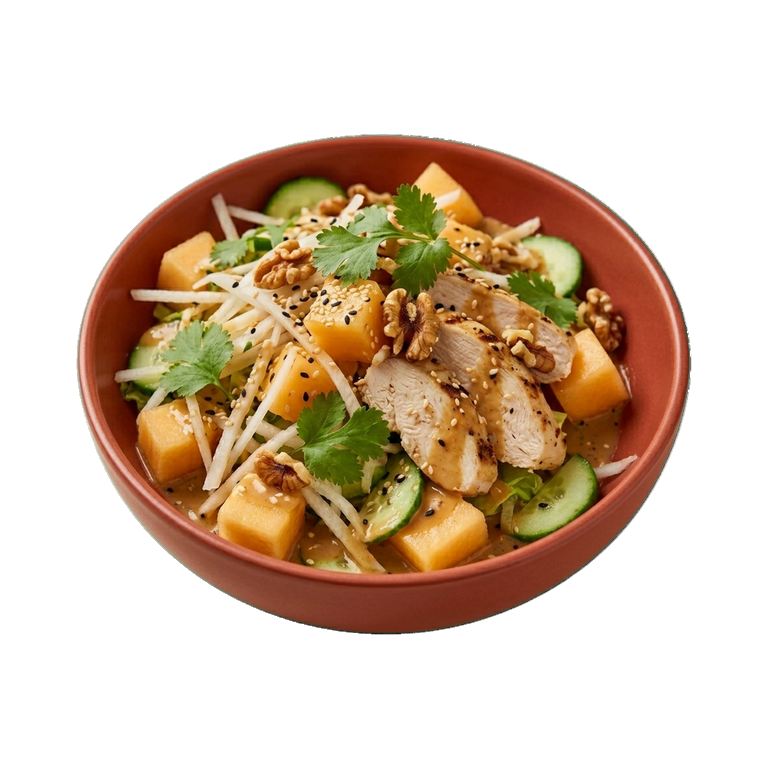
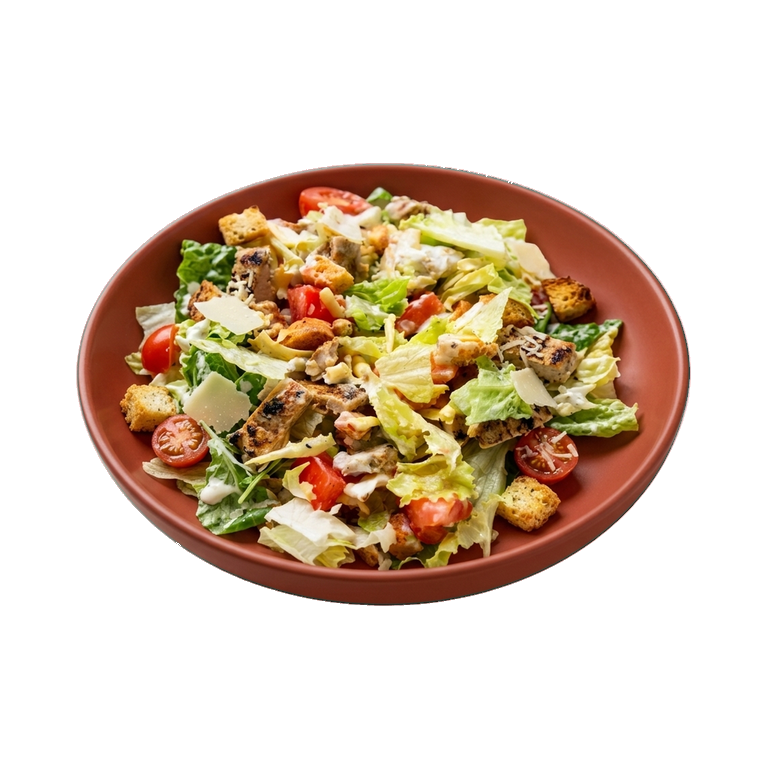
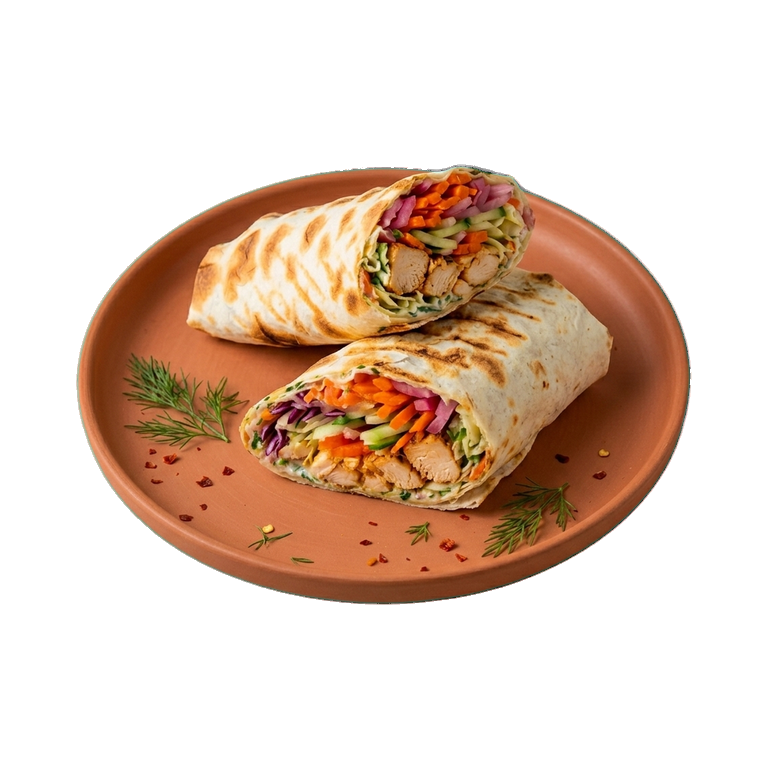
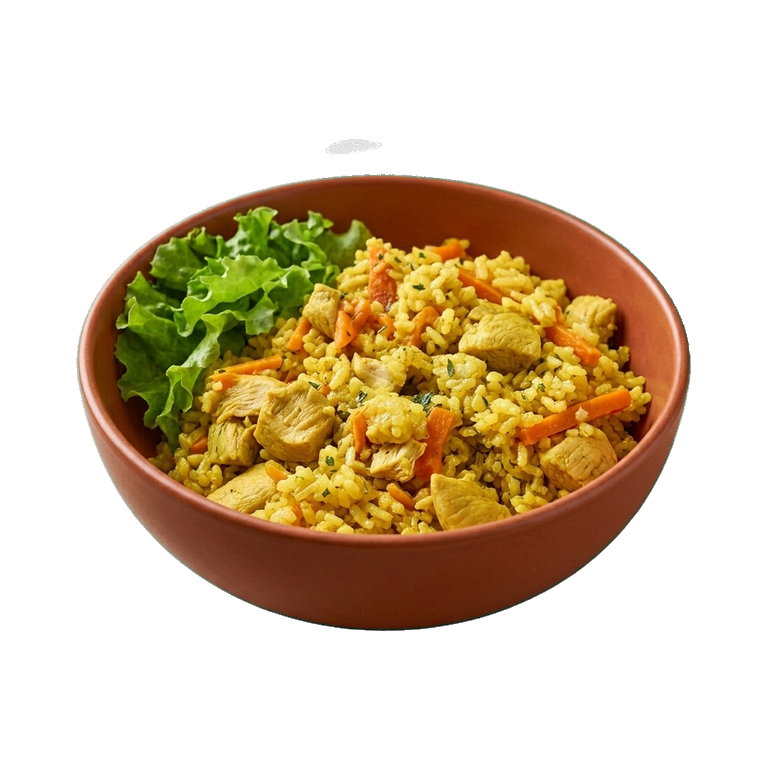
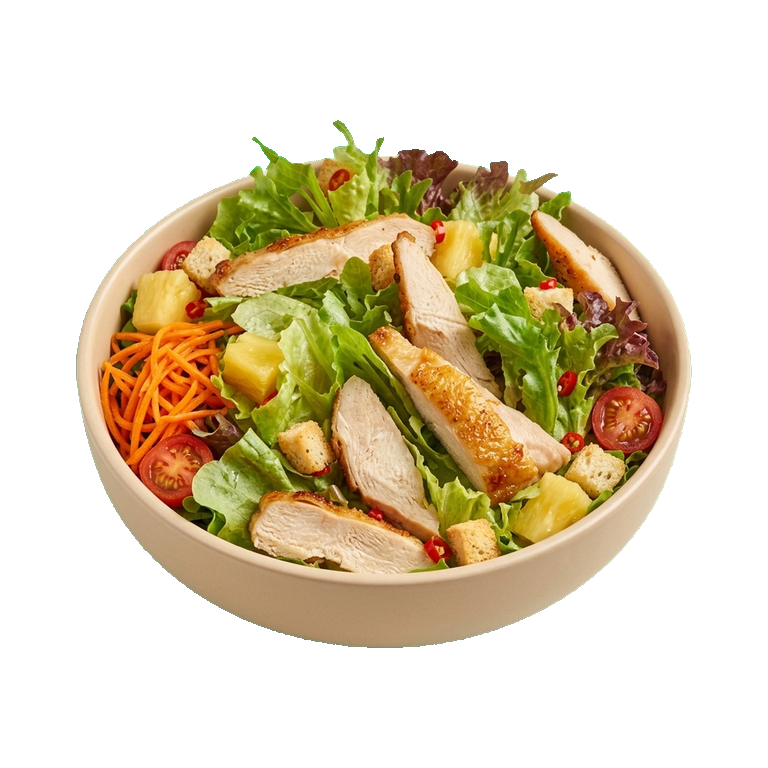
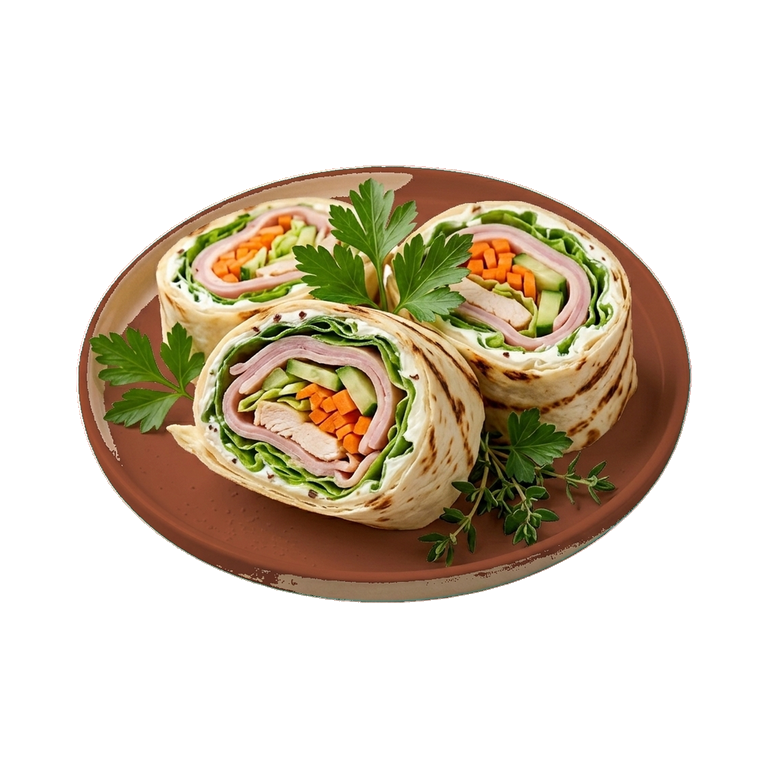
- Slicing for salads, bowls and sandwiches
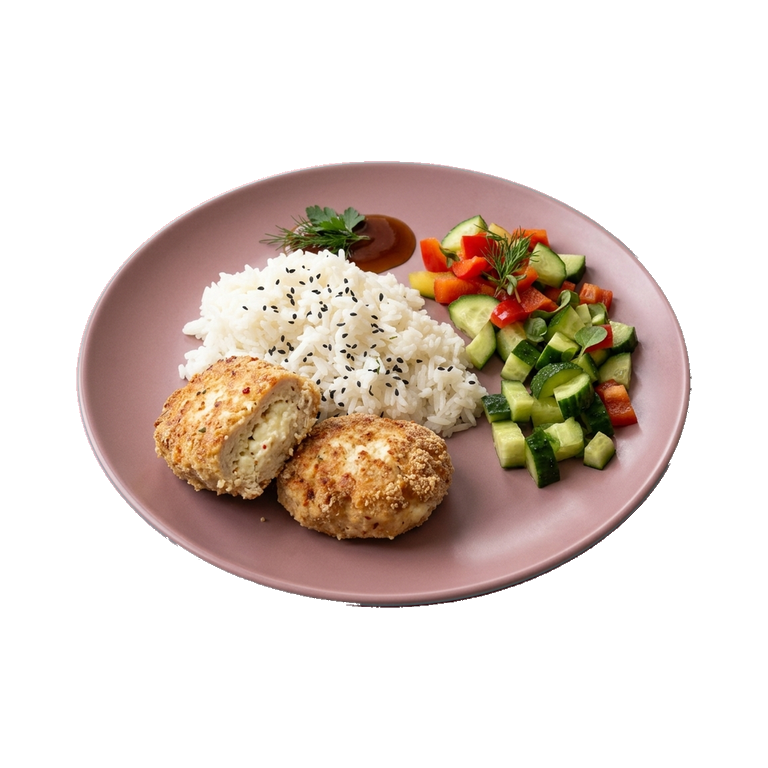
- Mincing for cutlets, meatballs and ground meat
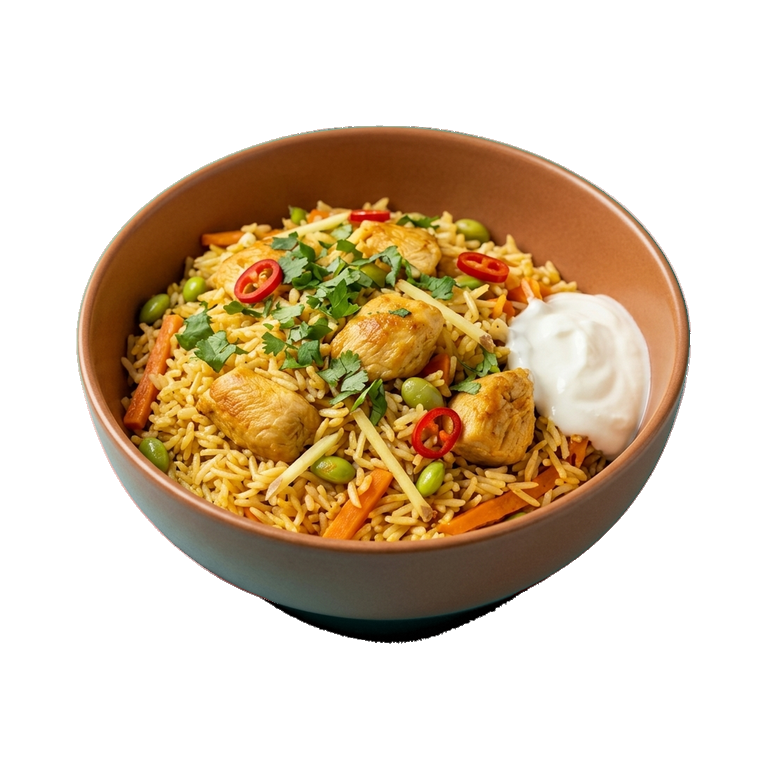
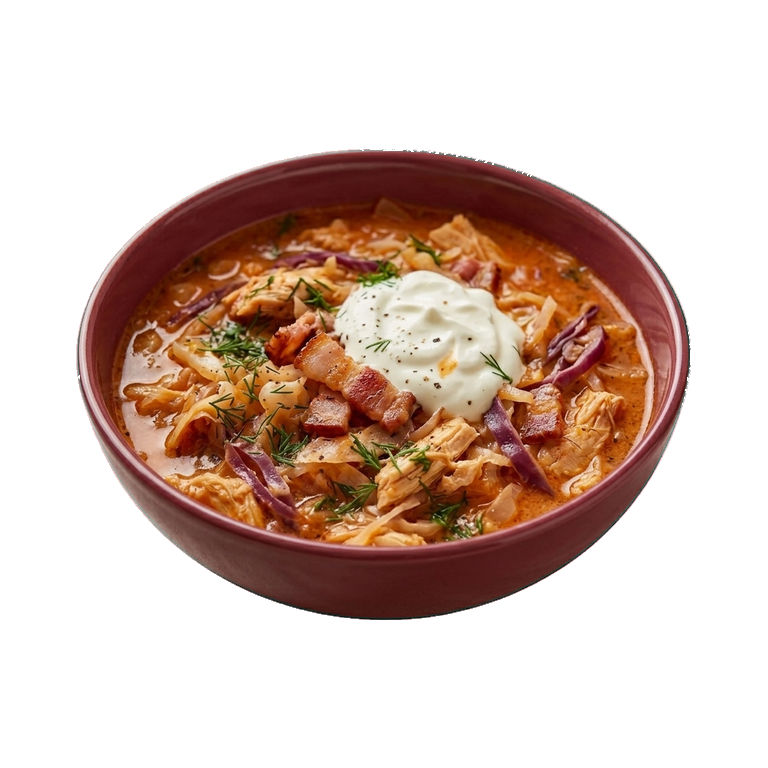
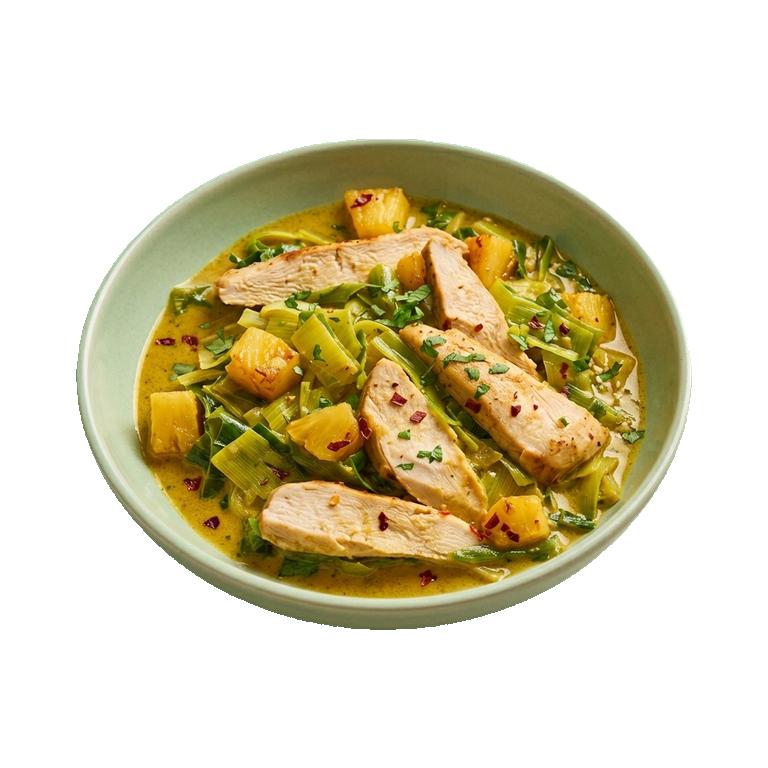
- Boiling for soups and broths
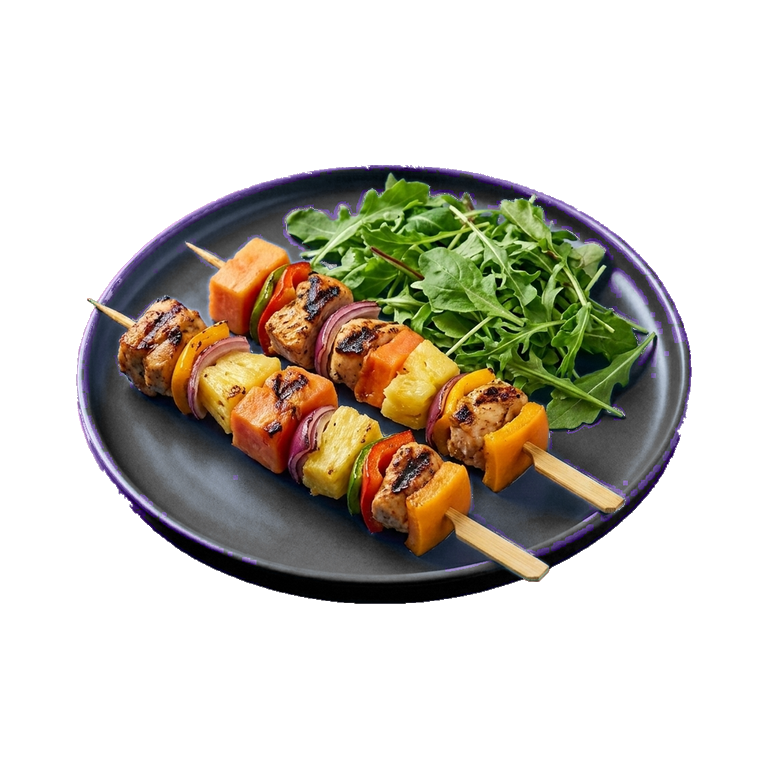
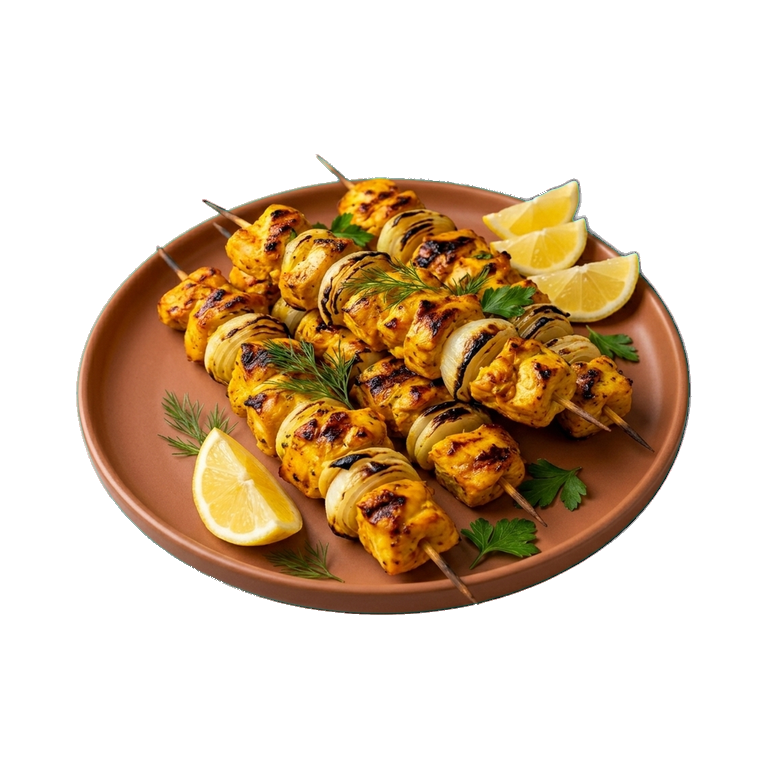
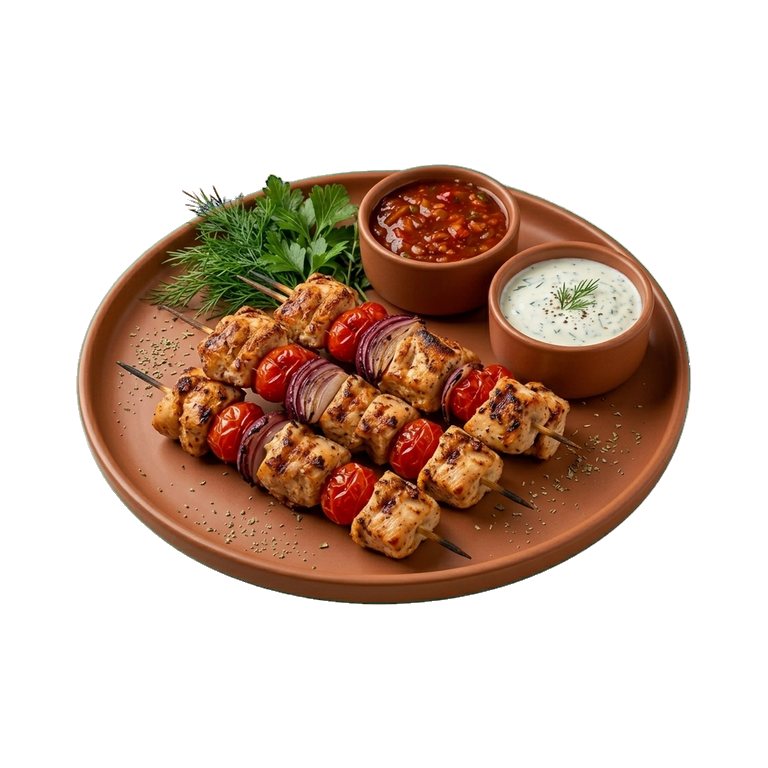
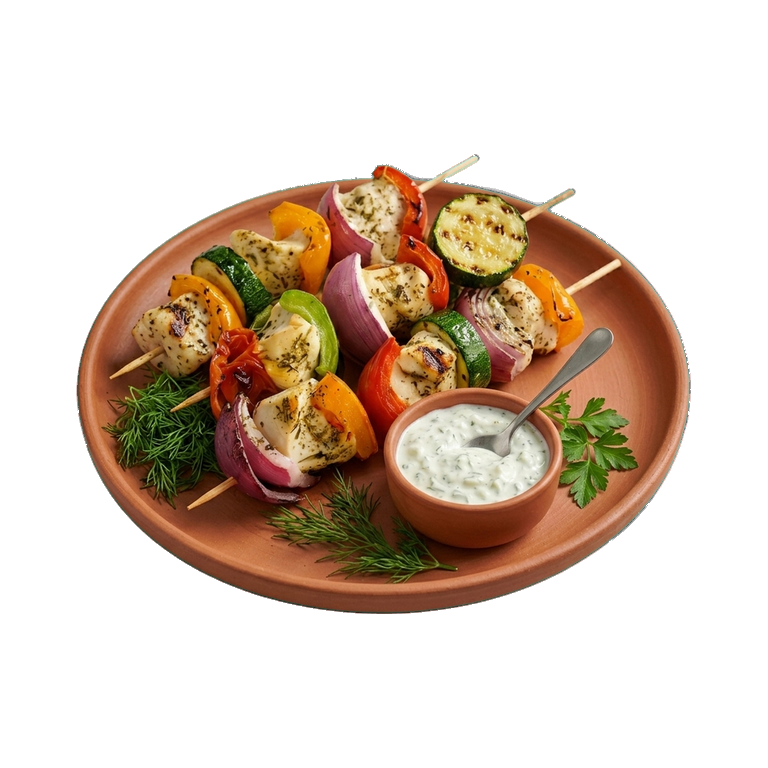
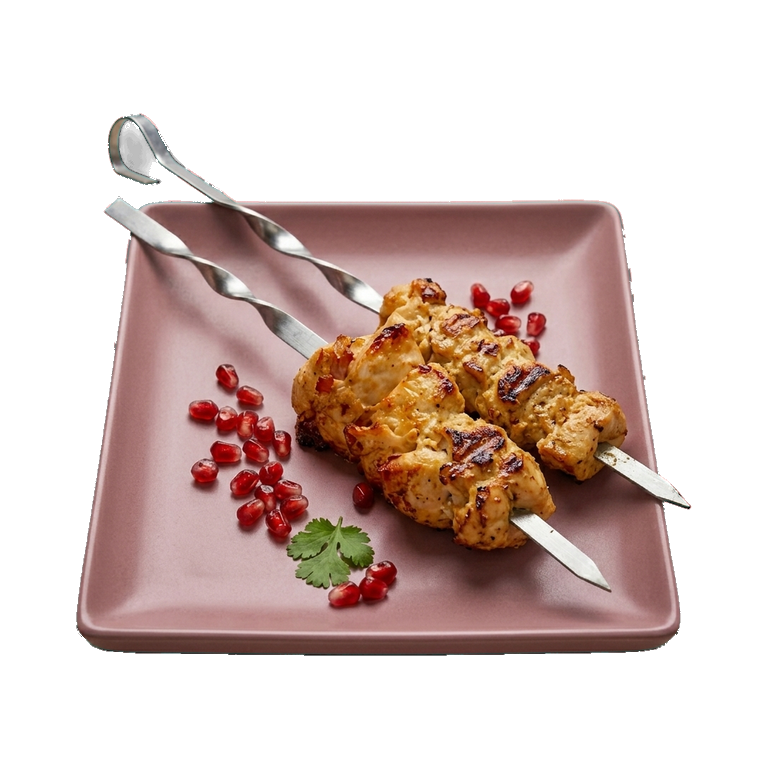
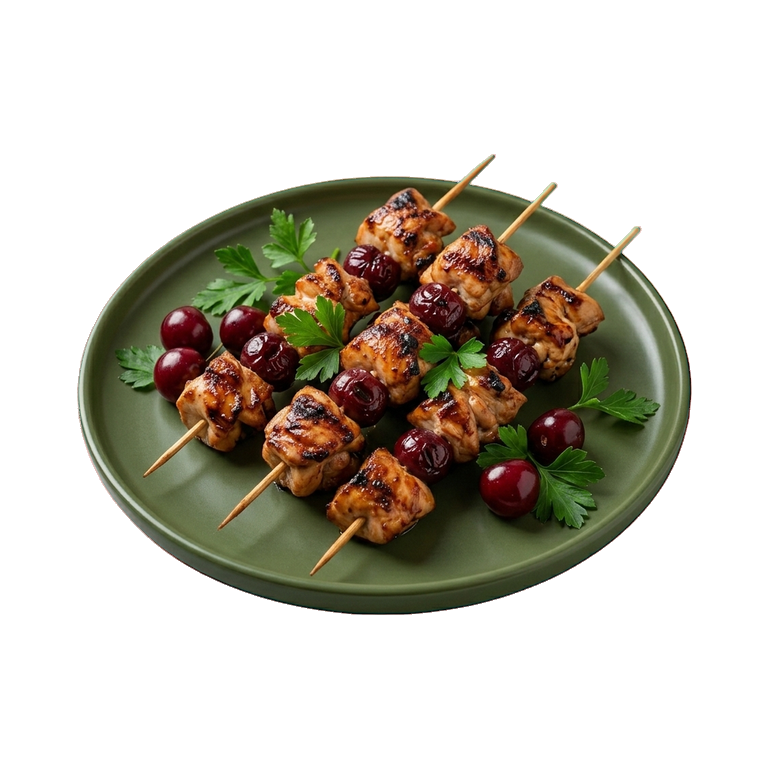
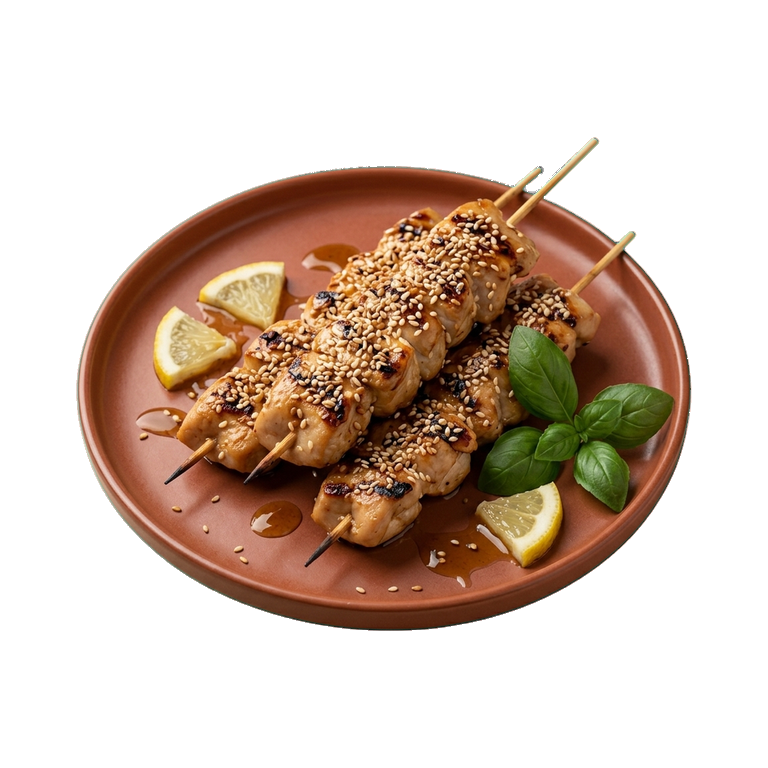
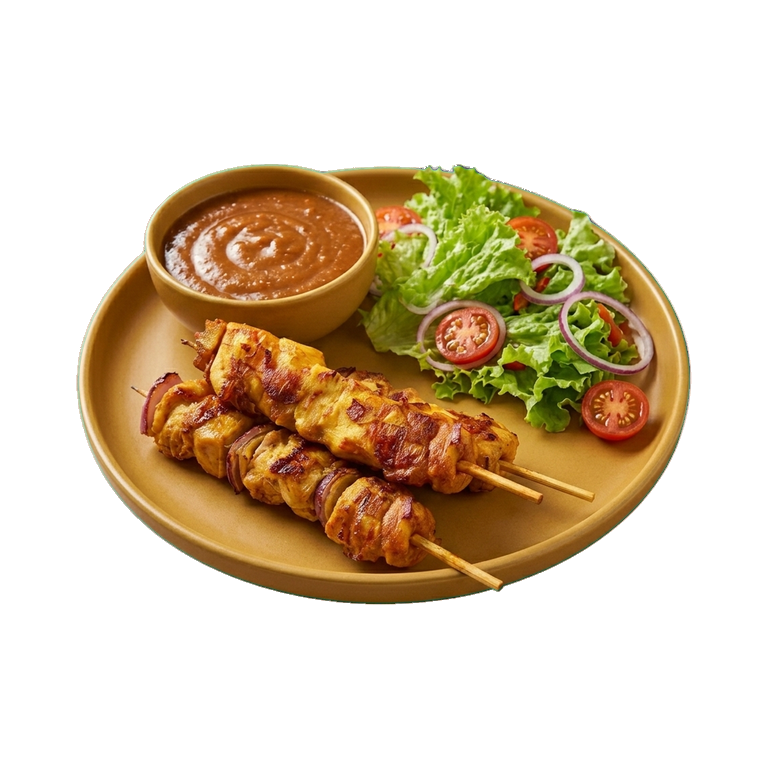
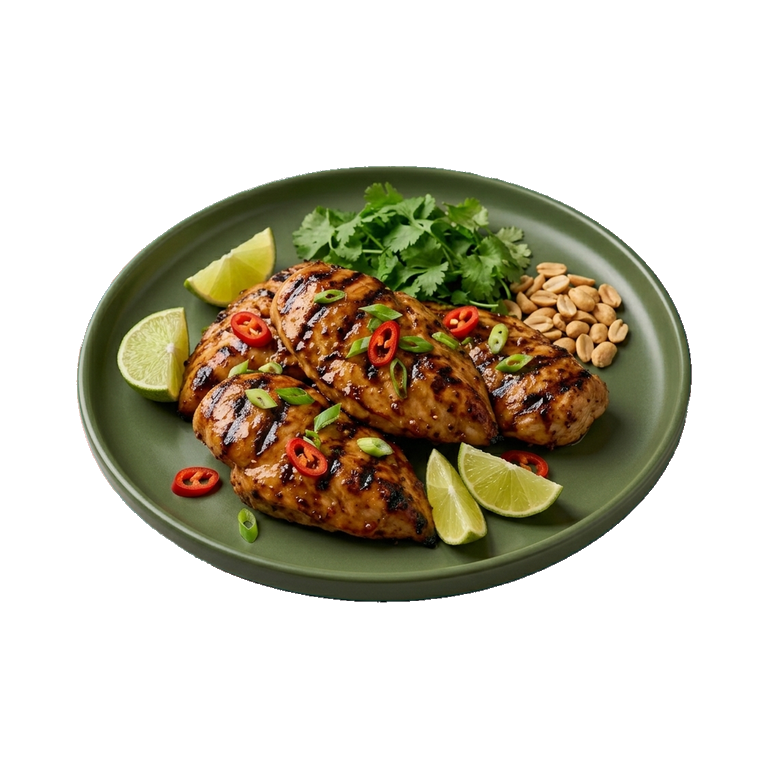
- Marinating and grilling for barbecue and picnics
Combinations and Seasonings
Fillet pairs well with lemon, orange, and lime — the acidity emphasizes the tenderness of the meat. Herbs like rosemary, thyme, basil, and parsley add depth to the dish. Garlic, ginger, and chili pepper add character. Butter, olive oil, soy sauce, and honey are universal partners for marinades.
Selection and Storage
- Color — light pink or white, without gray spots and darkening
- Smell — fresh, without sour or unpleasant aroma
- Consistency — elastic, the meat springs back when pressed
- Packaging — hermetic, without blood leaks
In the refrigerator, fillet is stored for 1–2 days in the coldest zone. If you need to store it longer, freeze it: at minus 18 degrees, fillet maintains quality for 2–3 months. Thaw in the refrigerator overnight or in cold water for 30–40 minutes. Do not thaw at room temperature — this increases the risk of bacterial growth.
Chicken breast fillet is a reliable kitchen assistant for those who value speed, simplicity, and results. It requires no complex preparation, handles experimentation with seasonings well, and never lets you down when you're in a hurry.
Nutrition
per 100 g
- Calories
- 165 kcal
- Protein
- 31 g
- Fat
- 3.6 g
- Carbs
- 0 g
Micronutrients
per 100 g
Macronutrients
- Saturated fat
- 0.349 g
- Monounsaturated fat
- 0.369 g
- Polyunsaturated fat
- 0.296 g
- Cholesterol
- 72.73 mg
- Water
- 74.78 g
Minerals
- Sodium
- 65.75 mg
- Potassium
- 330.1 mg
- Calcium
- 3.94 mg
- Magnesium
- 26.2 mg
- Phosphorus
- 214.9 mg
- Iron
- 0.35 mg
- Zinc
- 0.65 mg
- Copper
- 0 mg
- Manganese
- 0 mg
Measures and weight
- 1 pcs
- 200 g
Measure calculator
- Weight
- 100 g
- Calories
- 165 kcal