Usuba
Usuba
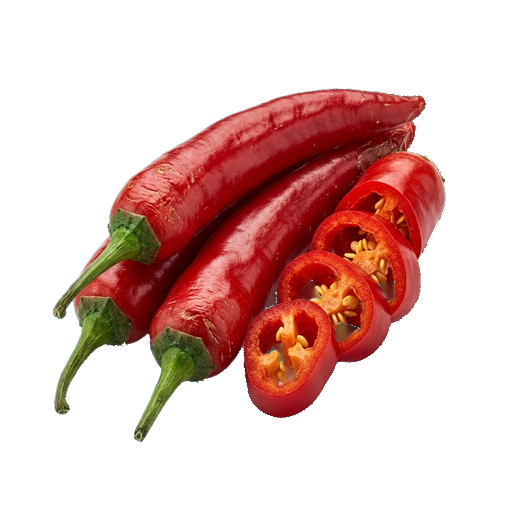
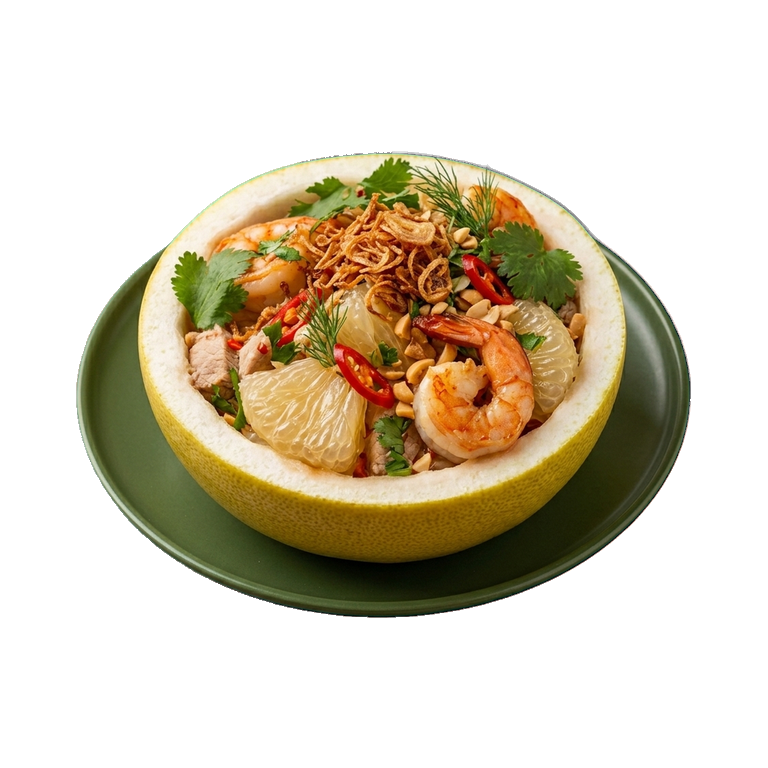
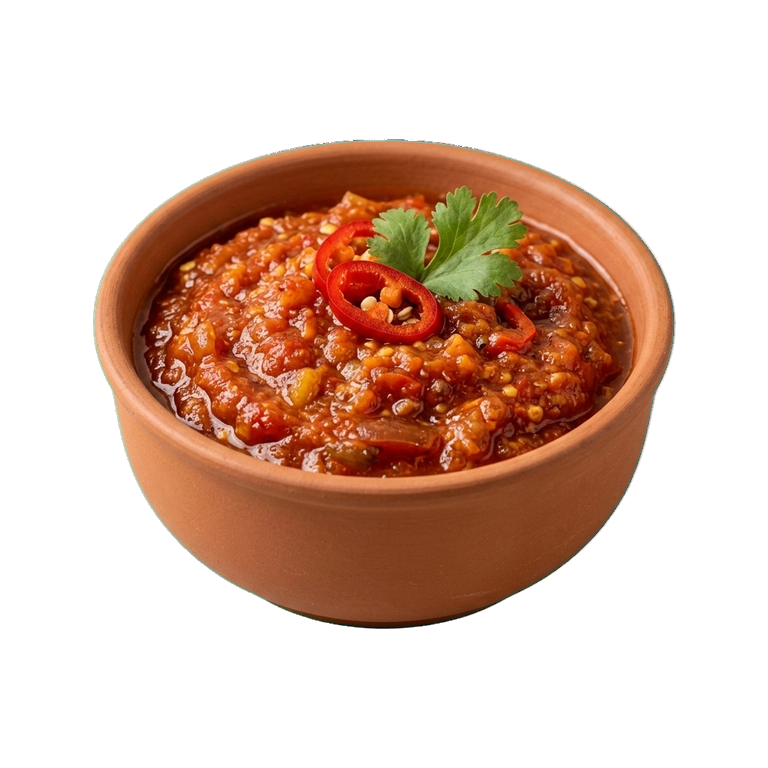
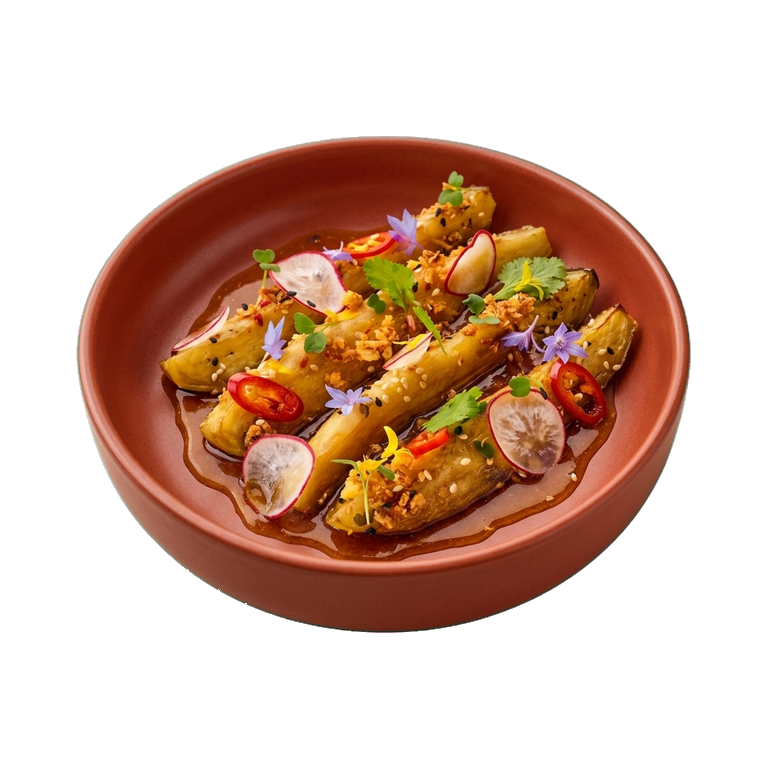
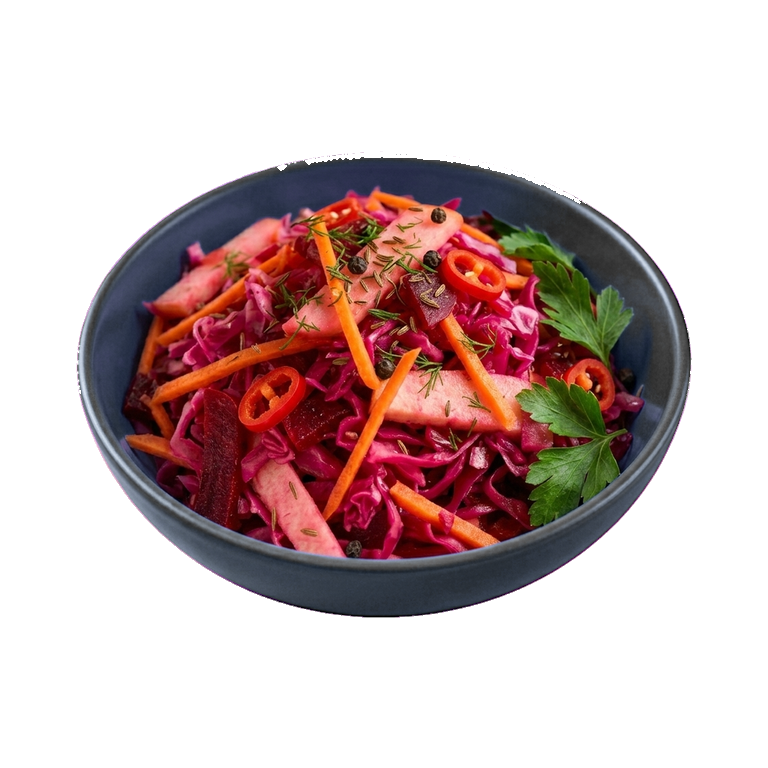
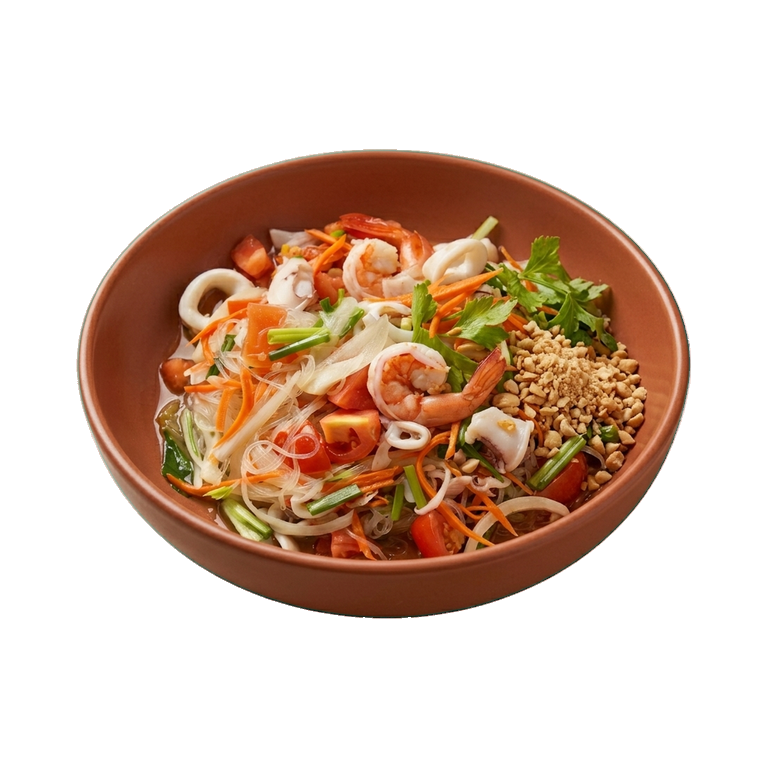
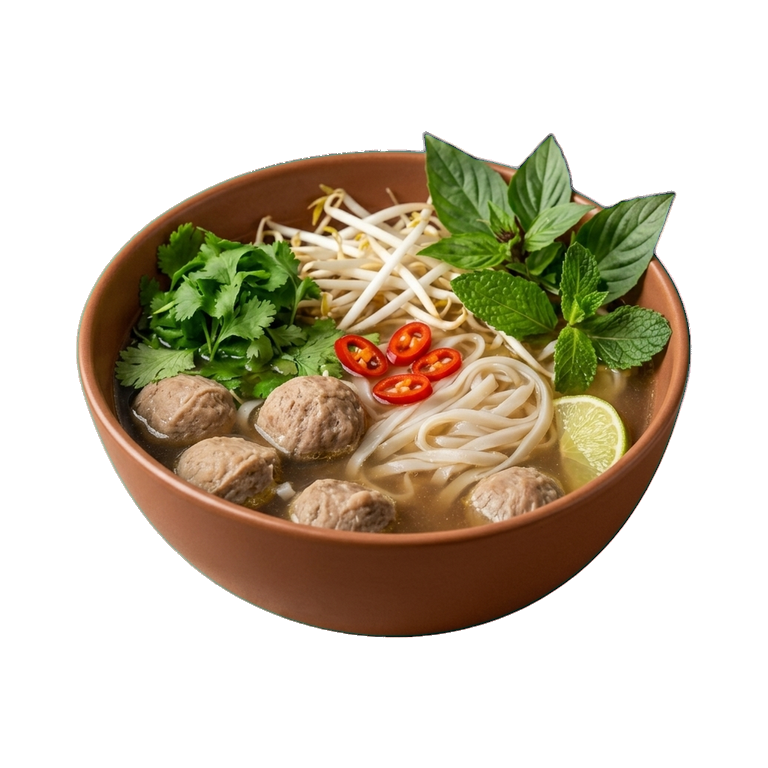
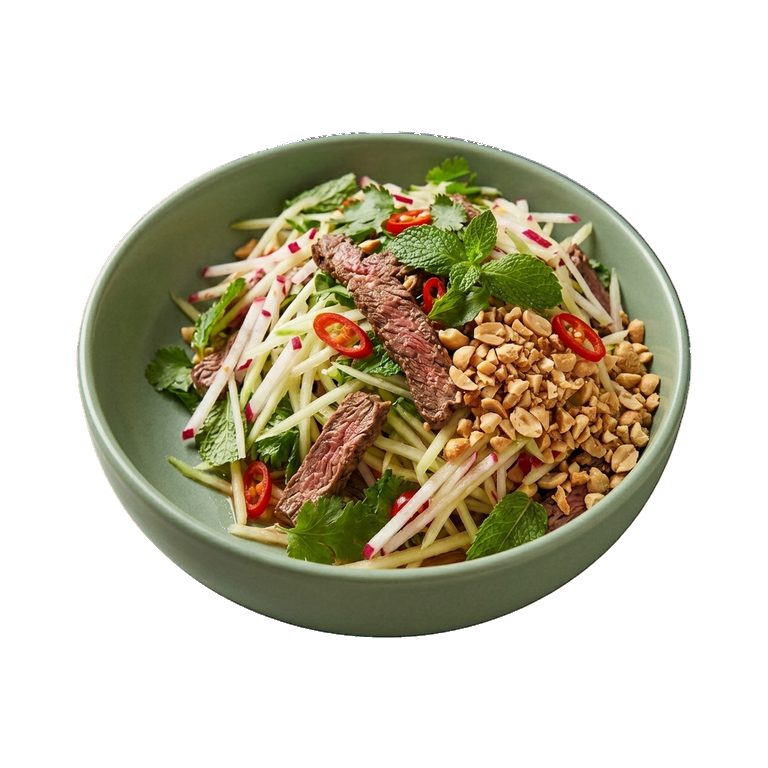
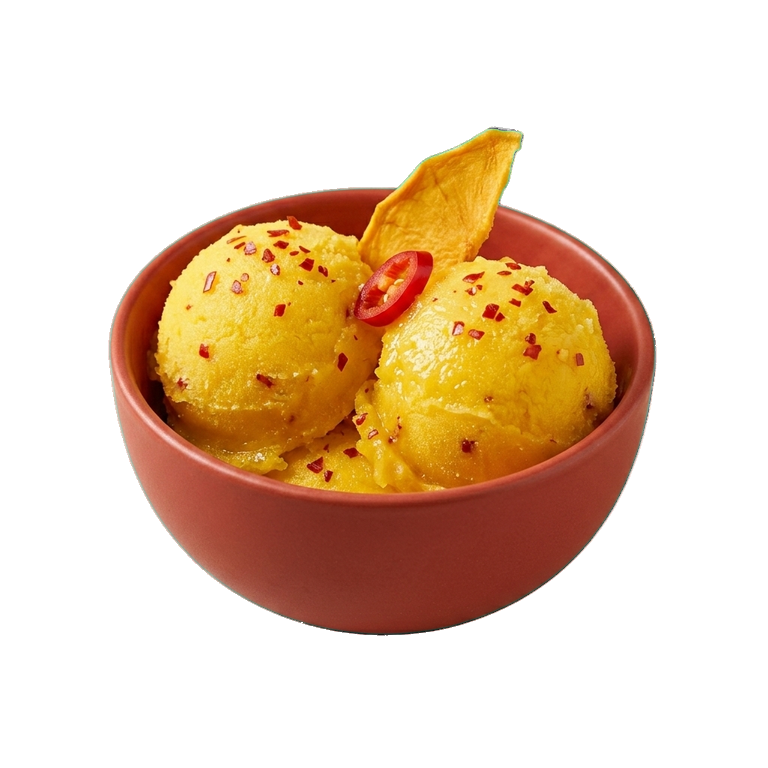
Chili pepper
A hot pepper with thin walls and a characteristic pungent flavor, containing the alkaloid capsaicin, which creates a burning sensation in the mouth. Used fresh, dried, or ground in Asian, Latin American, and Mexican cuisine to season soups, sauces, marinades, and main dishes. When choosing, keep in mind that red peppers are usually hotter than green ones, and the intensity of heat depends on the variety — when substituting one type for another, check the heat level to avoid over-seasoning the dish.
About
Chili pepper is not just a hot spice, but a whole spectrum of taste sensations. From mild warmth to fiery heat, from fruity notes to smoky undertones — each variety tells its own story in the language of flavor. If you cook at home, you should figure out which chili will suit your dish best and match your heat tolerance.
Aroma, taste and spiciness
Fresh green chili delivers bright, herbaceous heat with a light sweetness. Red ripe peppers become sweeter and milder, with fruity notes emerging. Dried chili becomes more concentrated: smoky, almost chocolatey tones in some varieties, earthy in others.
Spiciness is measured in conventional units, but in reality, everything depends on where the capsaicin — the burning alkaloid — is located. The flesh is spicier than the walls, and the seeds and inner partition are the hottest parts. If you want to reduce the spiciness, simply remove them.
How to use in cooking
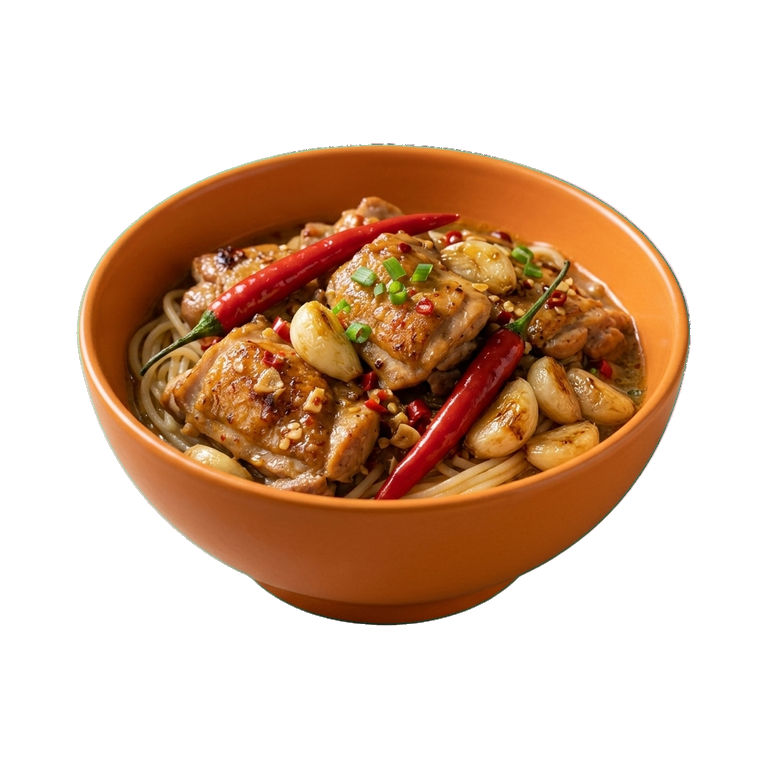
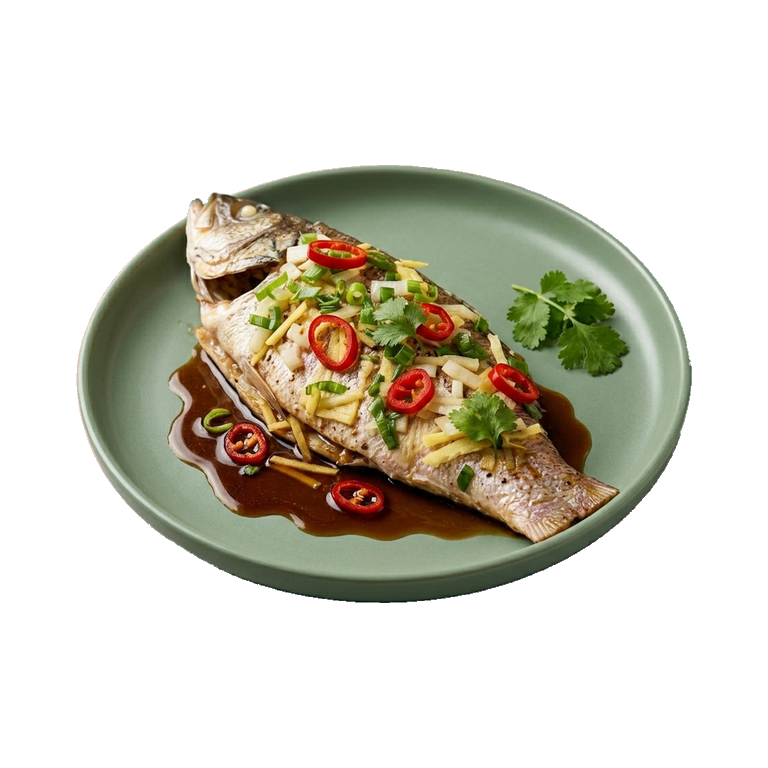
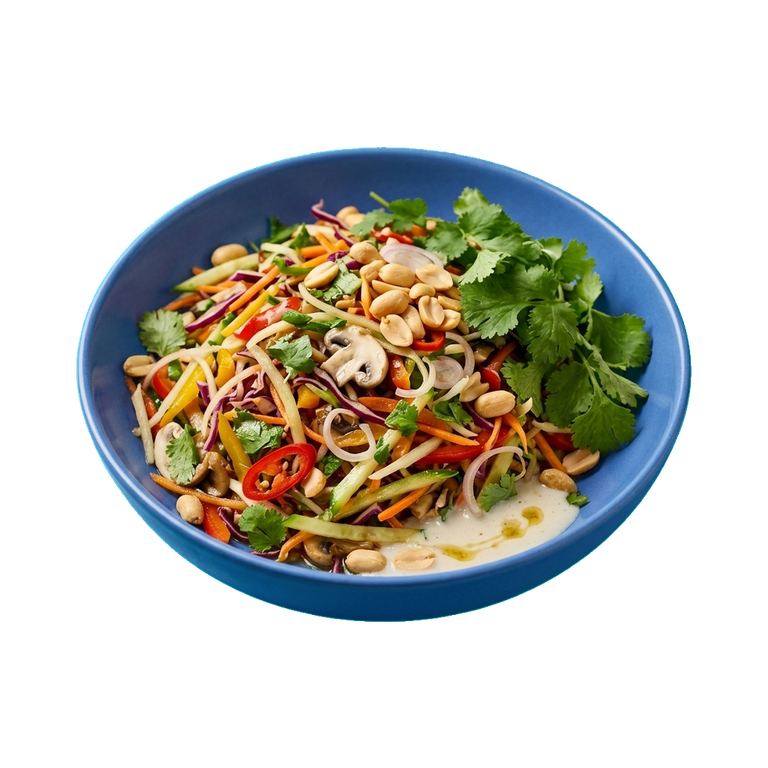
Fresh chili is added at the last moment — this preserves the brightness of flavor and aroma. Sliced or whole peppers are added to sauces, marinades, and salads. For soups and stews, it's better to use a half or quarter piece to control the heat level.
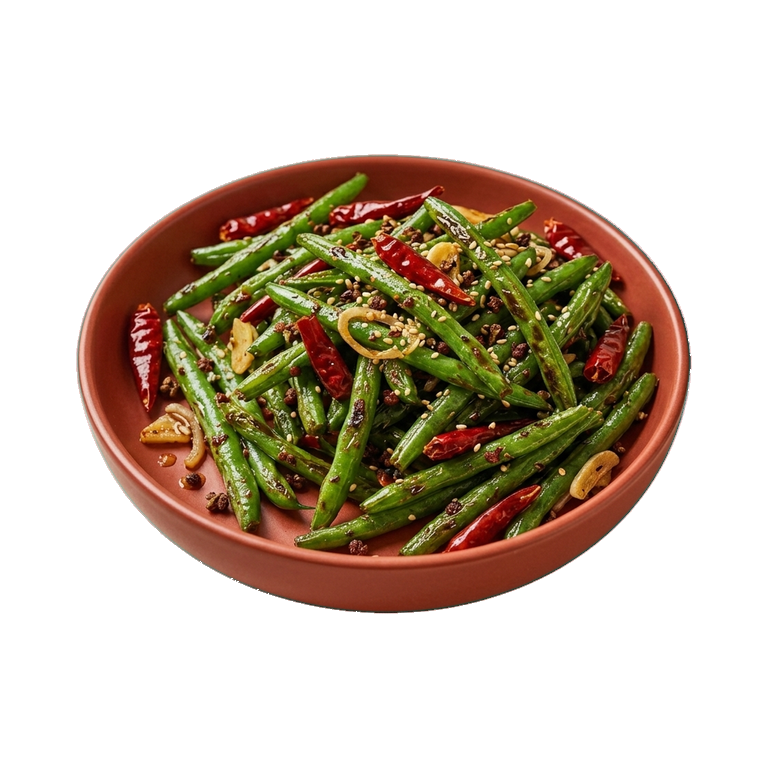
Dried chili unfolds its flavors during prolonged heat treatment. It is soaked in hot water to create a rich infusion for sauces, or added whole to broths and stews. Ground chili is convenient for seasoning, but loses its aroma quickly — use freshly ground and store in an airtight container.
Pairings and Harmonies
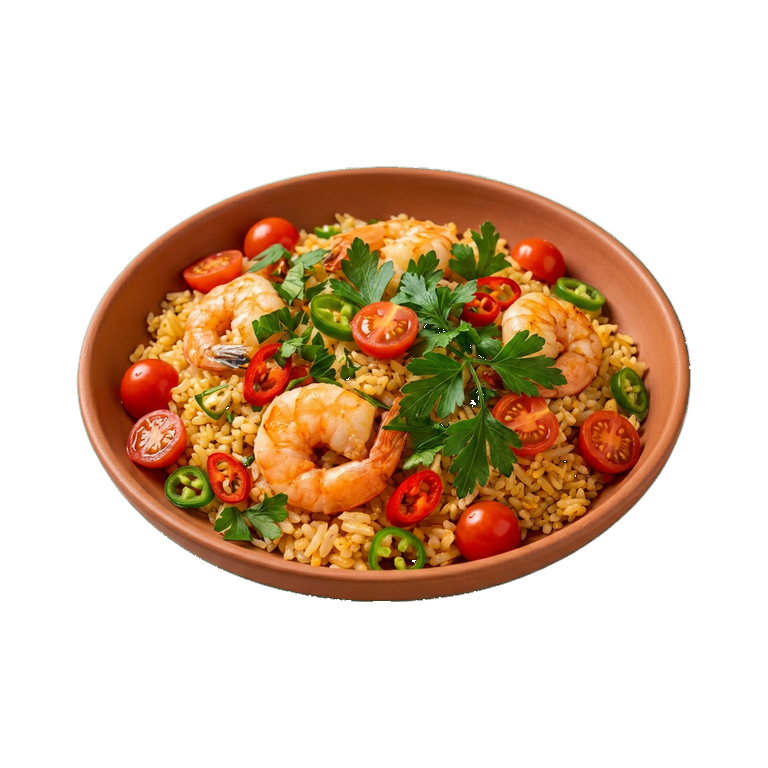
- With garlic and lemon — classic spicy base for seafood and vegetables
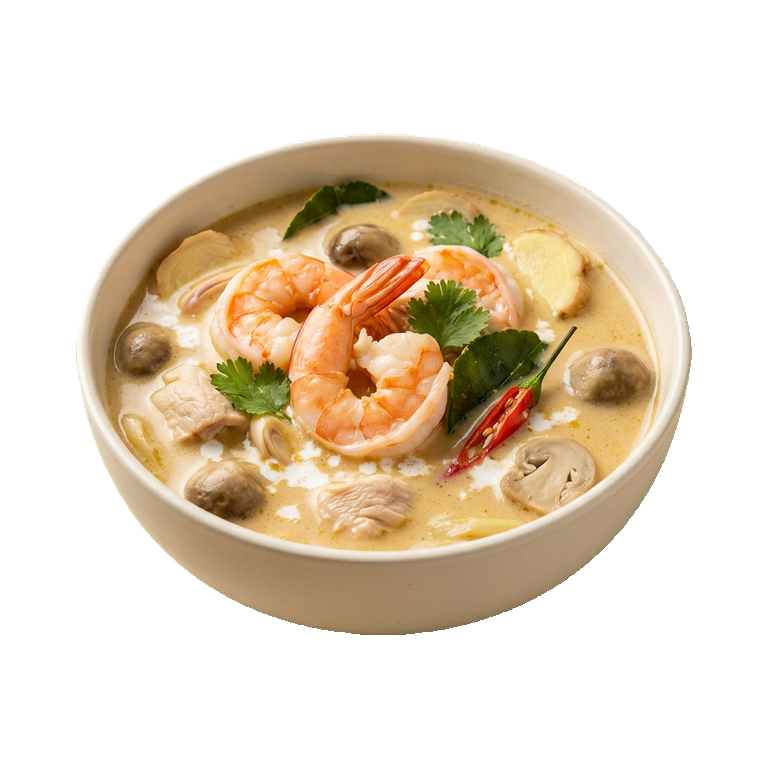
- With coconut milk — spiciness softened, creaminess and sweetness appear
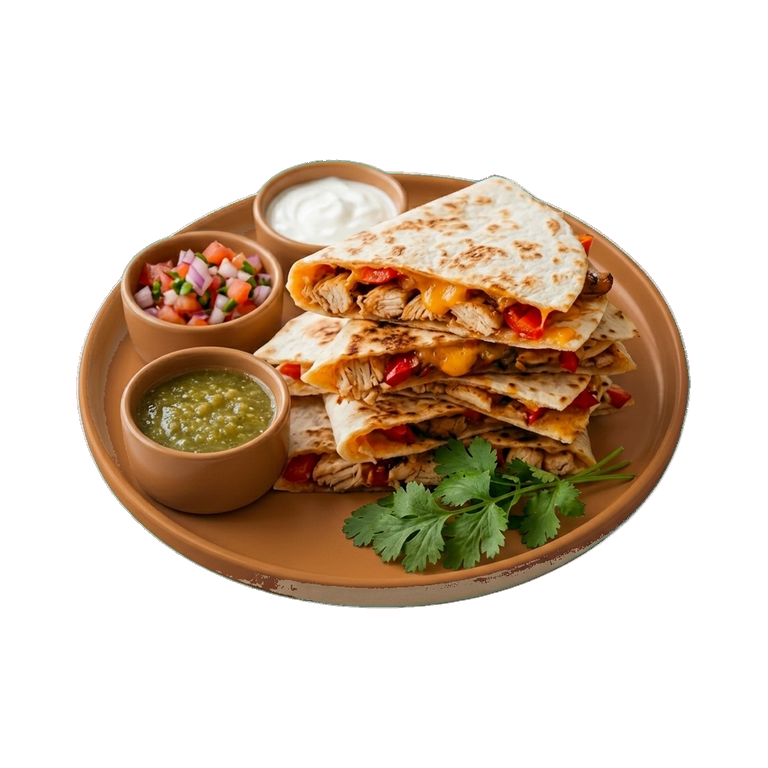
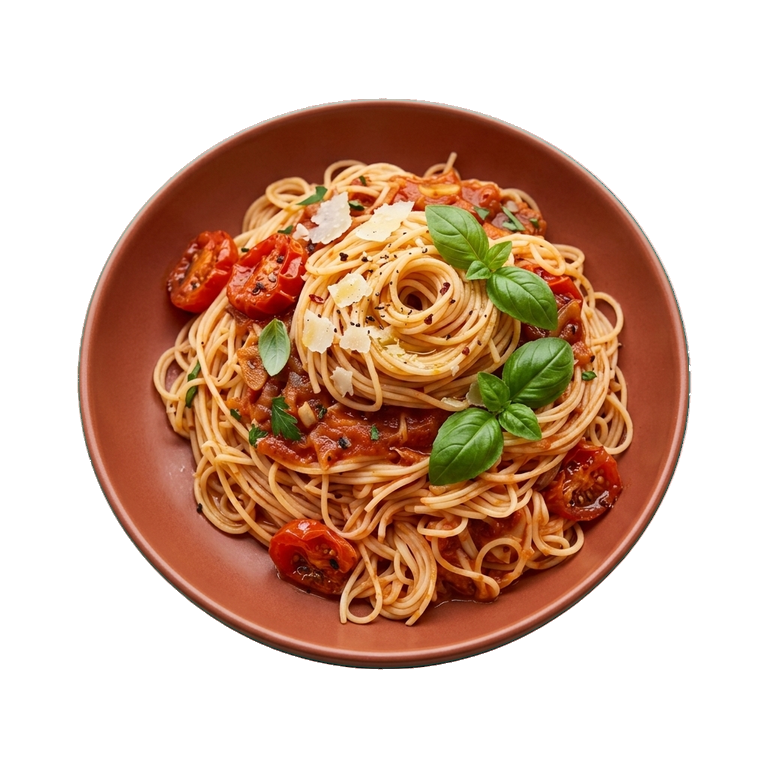
- With tomatoes — natural pairing for Mexican and Asian dishes
- With honey or brown sugar — spiciness balanced with sweetness
- With vinegar — sharp tanginess enhances marinades and sauces
Selection and Storage
Fresh peppers should be firm with smooth skin free of wrinkles and dark spots. The color — from bright green to rich red — is a sign of ripeness, not quality. The same variety can be harvested at different stages.
Fresh chili can be stored in the refrigerator for up to two weeks in a paper bag — this prevents it from becoming damp. For long-term storage, dry the pepper whole or slice it and freeze it in a container. Keep dried chili in an airtight container in a dark place — it will retain its aroma for several months.
When working with fresh chili, remember: capsaicin doesn't wash away with water, but dissolves well in oil and dairy products. If you accidentally add too much heat, drink milk or eat yogurt — it's much more effective than water.
Nutrition
per 100 g
- Calories
- 40 kcal
- Protein
- 1.9 g
- Fat
- 0.4 g
- Carbs
- 8.8 g
Measures and weight
- 1 tbsp
- 6 g
- 1 tsp
- 2 g
- 1 cup
- 100 g
- 1 pcs
- 10 g
Measure calculator
- Weight
- 100 g
- Calories
- 40 kcal