Usuba
Usuba
Dried black figs
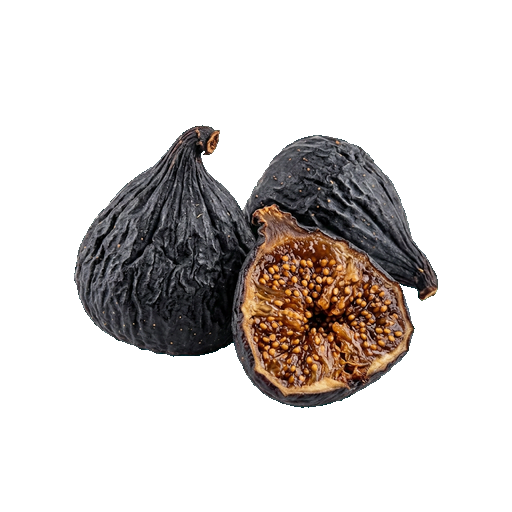
Dried black figs are fruits from the fig tree, naturally dried to a dark brown or almost black color. They have an intense sweet taste with honey and caramel notes, a dense texture, and small seeds inside. Used in baking, compotes, muesli, and meat dishes as a natural sweetener, and pairs well with nuts and cheese; it is recommended to soak in warm water before use if softening is needed.
Micronutrients
per 100 g
Minerals
About
Dried black figs are concentrated flavor and nutrition in one small fruit. When fresh figs lose moisture, their sugars become denser, the aroma deepens, and the texture acquires a tender stickiness. This is not just a dried fruit, but a full-fledged ingredient that works equally well in sweet and savory dishes.
Aroma and Taste
Black figs smell of honey, dried fruits, and something floral all at once. In taste — sweetness without cloying, soft acidity, woody notes. The flesh is dense but not tough, with many small seeds that provide a pleasant crunch.
If you try figs straight from the package, they may seem slightly astringent — this is normal. The acidity in them is weak, but there is plenty of sugar. Therefore, figs balance well with spicy, salty, and sour components in a dish.
How to use in cooking
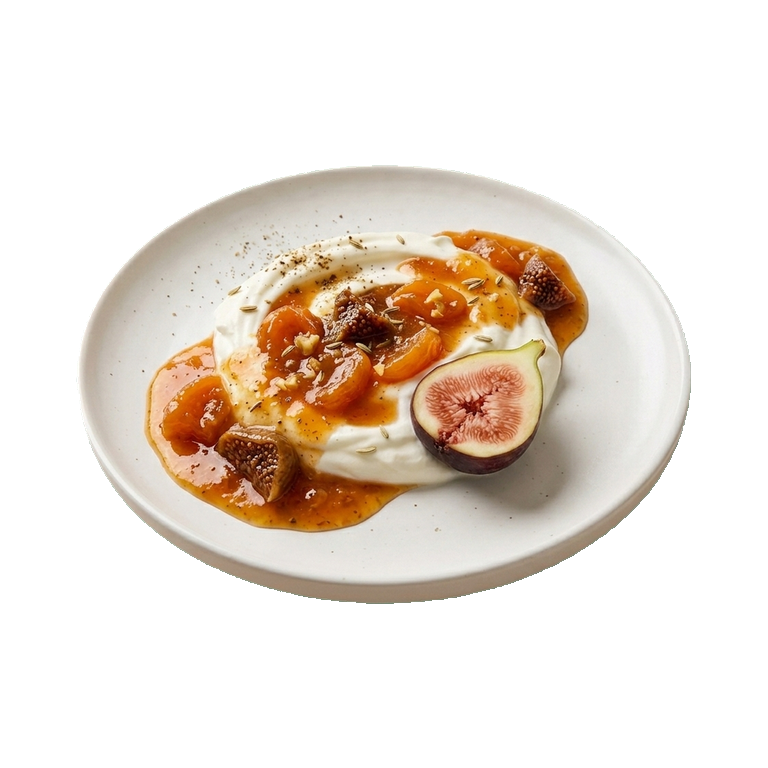
Dried figs are versatile. They are cut into compotes and teas, added to porridges and yogurts, and put into baked goods — from cookies to pies. They work wonderfully in sweet sauces for meat and poultry, adding depth and a subtle fruity acidity.
- Soak figs in hot water for 15–20 minutes if you want a soft texture for puree or filling
- Add chopped figs at the end of cooking compotes and teas to preserve the aroma
- Whole fruits are great in an assortment with nuts and cheese as an appetizer
- For sauces, blend figs in a blender with a small amount of liquid — you'll get a smooth paste
Pairings
Figs pair well with nuts — walnuts, almonds, and hazelnuts. Their sweetness is highlighted by bitter spices: cinnamon, cloves, and black pepper. With fermented dairy products (yogurt, cottage cheese, cheese) figs create contrasting pairs.
In savory dishes, figs work well with duck, pork, and lamb — their sweetness and subtle acidity complement rich meat. Try adding them to marinades and glazes. Combined with herbs like rosemary and thyme, you get an interesting harmony.
Selection and Storage
When purchasing, pay attention to the color — it should be dark, almost black, without a gray coating. The fruits should not be stuck together in a lump. The smell should be pleasant, fruity, without mustiness.
Store figs in an airtight container in a cool place — at room temperature they may dry out even more or stick together. They will keep in the refrigerator for several months. If the fruits begin to stick together, separate them before storage or place parchment paper between them.
- Airtight container or zip-lock bag
- Cool, dry place or refrigerator
- Avoid moisture and direct sunlight
Nutrition
per 100 g
- Calories
- 249 kcal
- Protein
- 3.3 g
- Fat
- 0.9 g
- Carbs
- 63.9 g
Micronutrients
per 100 g
Macronutrients
- Fiber
- 9.8 g
- Water
- 30 g
Minerals
- Sodium
- 10 mg
- Potassium
- 680 mg
- Calcium
- 162 mg
- Magnesium
- 67.6 mg
- Phosphorus
- 67 mg
- Iron
- 2.03 mg
- Zinc
- 0.66 mg
- Copper
- 0.29 mg
- Manganese
- 0.51 mg
- Selenium
- 0.6 mcg
Vitamins
- Vitamin A (RAE)
- 0 mcg
- Vitamin E
- 0.36 mg
- Vitamin K
- 15.6 mcg
- Vitamin C
- 1.2 mg
- Vitamin B1 (thiamin)
- 0.09 mg
- Vitamin B2 (riboflavin)
- 0.08 mg
- Vitamin B3 (niacin)
- 0.62 mg
- Vitamin B5 (pantothenic acid)
- 0.43 mg
- Vitamin B6
- 0.11 mg
Measures and weight
- 1 pcs
- 8 g
Measure calculator
- Weight
- 100 g
- Calories
- 249 kcal