Usuba
Usuba
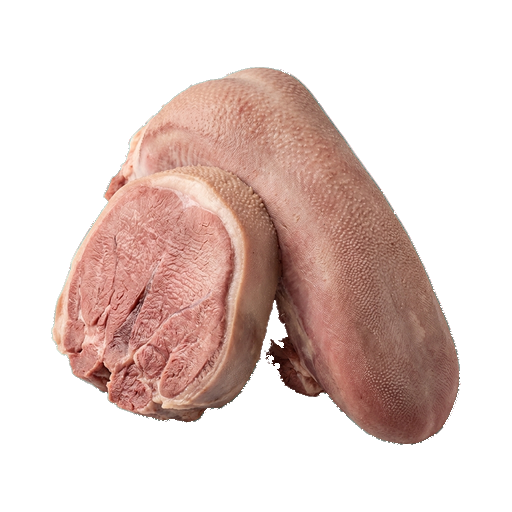
Beef Tongue
Beef tongue is a meat byproduct with a dense, muscular structure and a tender, delicate flavor that develops after prolonged boiling or braising. It requires preliminary cleaning to remove the rough outer membrane and is boiled for 2–3 hours until tender, after which it easily slices into thin pieces. It is used in cold appetizers, hot dishes, pâtés, and salads; when substituting with other meat, keep in mind that tongue takes longer to cook but becomes more tender and juicier due to its high fat and collagen content.
Micronutrients
per 100 g
Minerals
About
Beef tongue is one of the most noble offal cuts, often overlooked due to unfamiliarity. It is tender, delicate meat with a soft texture and mild, slightly sweet flavor. When properly prepared, tongue becomes the foundation for exquisite appetizers and hot dishes that will enhance any table.
Taste and Texture
Tongue differs from ordinary meat with its dense yet tender structure. After boiling or braising, it becomes soft and literally melts in your mouth. The taste is delicate, not sharp, with a slight sweetness that readily absorbs the aromas of spices and sauces. This makes tongue a versatile ingredient for various cuisines — from Russian to French.
Preparation and basic cooking methods
Before cooking, the tongue needs to be thoroughly rinsed and cleaned. The main rule is to cook it for a long time on low heat — this softens the meat and makes it tender. Usually, 2–3 hours of boiling in salted water with onion and spices are required. After cooking, the tongue is easily cleaned of its dense skin, which comes off like a glove.
- Boiling — a classic method for obtaining tender meat, used in soups and for cold appetizers
- Stewing — after preliminary boiling, the tongue can be braised in sauce with vegetables for a richer flavor
- Smoking — processed tongue is smoked to obtain a delicacy with a smoky aroma
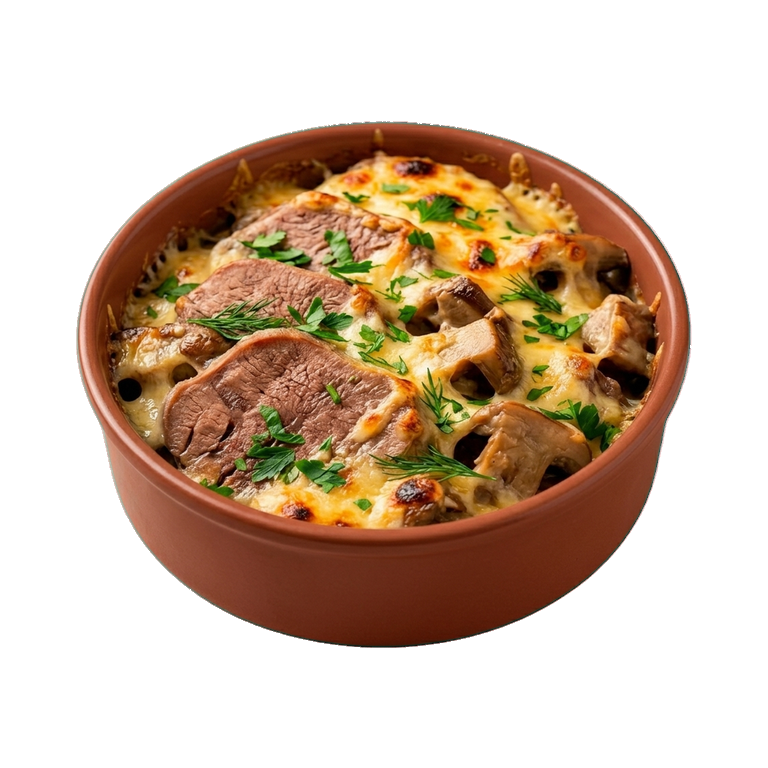
- Baking — sliced tongue is baked with sauce and cheese for hot appetizers
Role in dishes and pairings
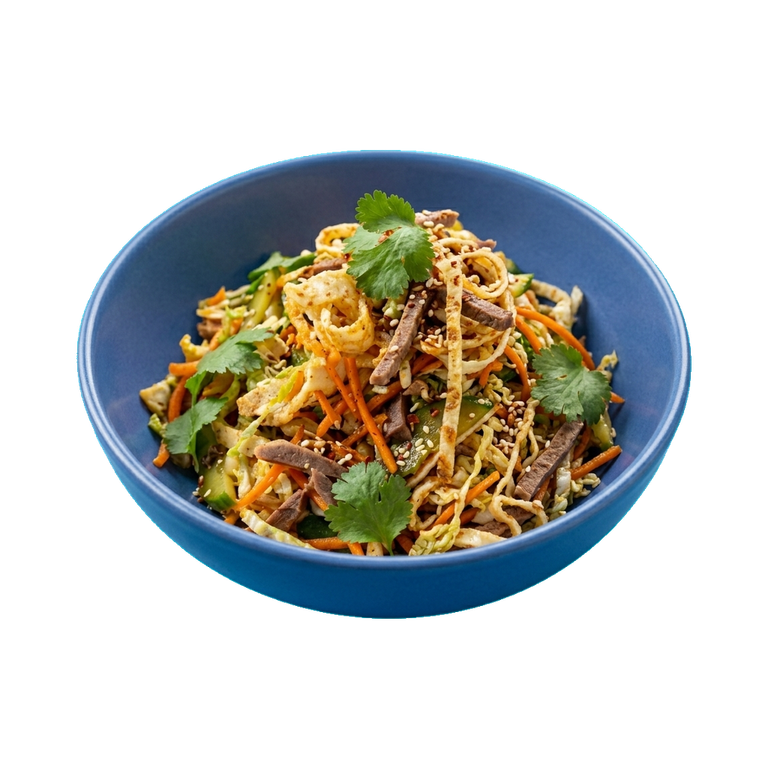
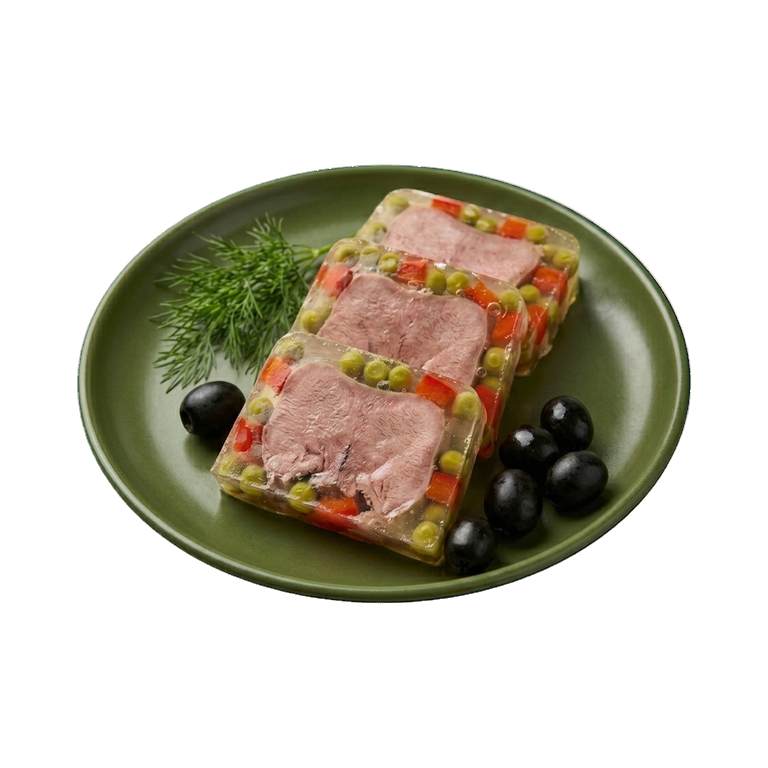
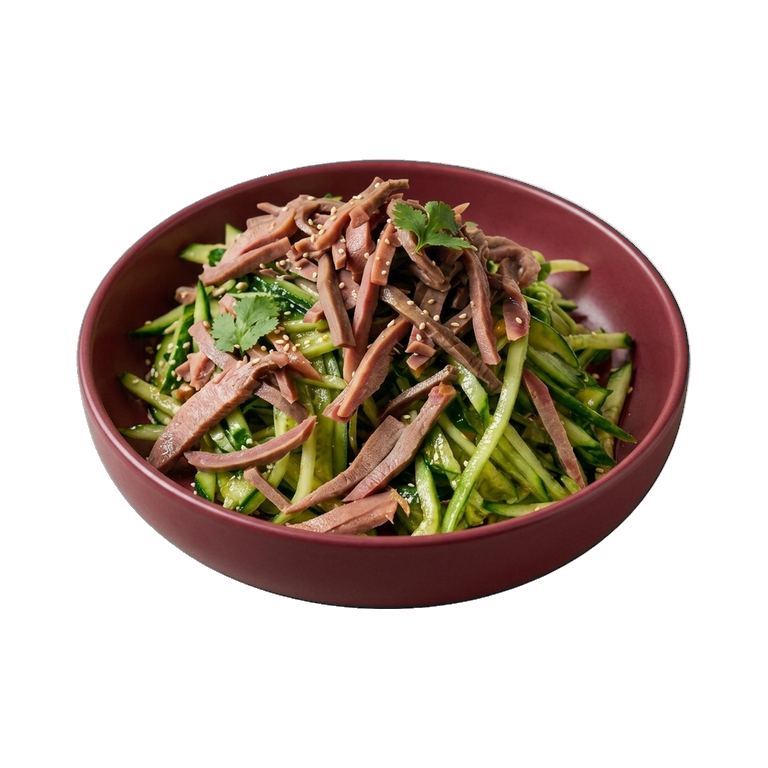
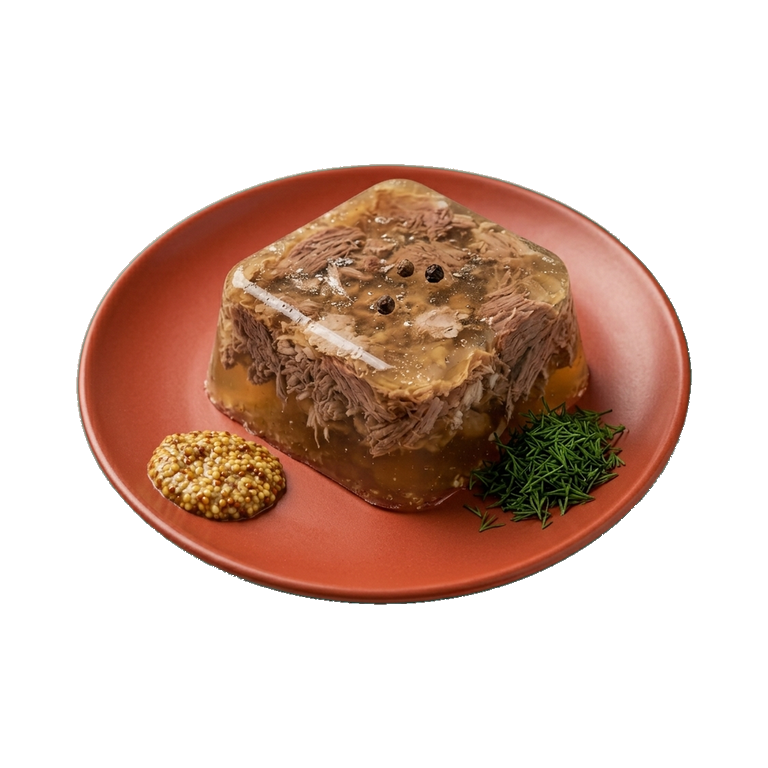
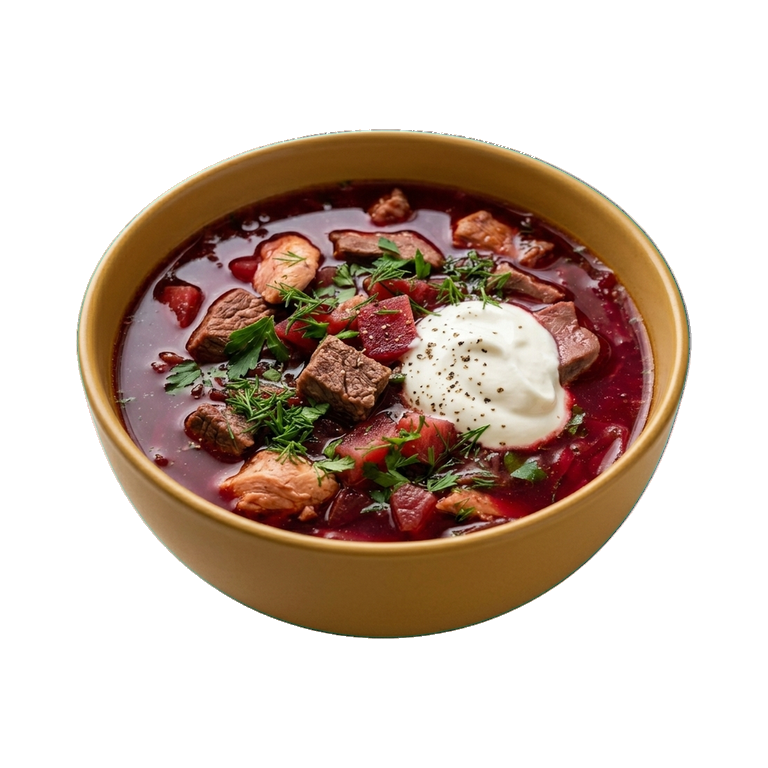
Tongue is excellent served cold — sliced thin and served with horseradish, mustard, or hot sauce. It works great in soups, especially in broths, where it imparts its rich flavor. Tongue is used to make pâtés and terrines, used as a filling for pies, and as a component in meat assortments.
- Sour sauces — horseradish, mustard, vinegar emphasize the tenderness of meat
- Vegetables — carrots, celery, onion enhance the flavor when cooking
- Spices — bay leaf, black pepper, cloves, thyme combine well with tongue
- Creamy sauces — béchamel or mustard sauce are suitable for hot dishes
Selection and Storage
When choosing, pay attention to the color — it should be pink or light red, without dark spots. The smell should be fresh, meaty, without unpleasant notes. It's better to buy tongue from a trusted supplier where proper storage conditions are maintained.
Fresh tongue should be stored in the refrigerator for no more than 2–3 days in the coldest part. For long-term storage, it can be frozen — in the freezer it will maintain quality for up to 3 months. Before cooking, frozen tongue should be thawed in the refrigerator rather than at room temperature.
Beef tongue is not an exotic delicacy, but an accessible way to diversify your menu and try your hand at preparing real culinary masterpieces. Start with a simple version with mustard and horseradish, and then experiment with more complex recipes.
Nutrition
per 100 g
- Calories
- 173 kcal
- Protein
- 16 g
- Fat
- 12.1 g
- Carbs
- 0 g
Micronutrients
per 100 g
Macronutrients
- Fiber
- 0 g
- Saturated fat
- 7 g
- Monounsaturated fat
- 7.24 g
- Polyunsaturated fat
- 0.9 g
- Omega-3 (EPA + DHA)
- 0 g
- Cholesterol
- 87 mg
- Water
- 64.53 g
Minerals
- Sodium
- 69 mg
- Potassium
- 315 mg
- Calcium
- 6 mg
- Magnesium
- 16 mg
- Phosphorus
- 133 mg
- Iron
- 2.95 mg
- Zinc
- 2.87 mg
- Copper
- 0.17 mg
- Manganese
- 0.03 mg
- Selenium
- 9.4 mcg
Vitamins
- Vitamin A (RAE)
- 0 mcg
- Vitamin C
- 3.1 mg
- Vitamin B1 (thiamin)
- 0.13 mg
- Vitamin B2 (riboflavin)
- 0.34 mg
- Vitamin B3 (niacin)
- 4.24 mg
- Vitamin B5 (pantothenic acid)
- 0.65 mg
- Vitamin B6
- 0.31 mg
- Vitamin B9 (folate, DFE)
- 7 mcg
- Vitamin B12
- 3.8 mcg
Measures and weight
- 1 pcs
- 1200 g
Measure calculator
- Weight
- 100 g
- Calories
- 173 kcal