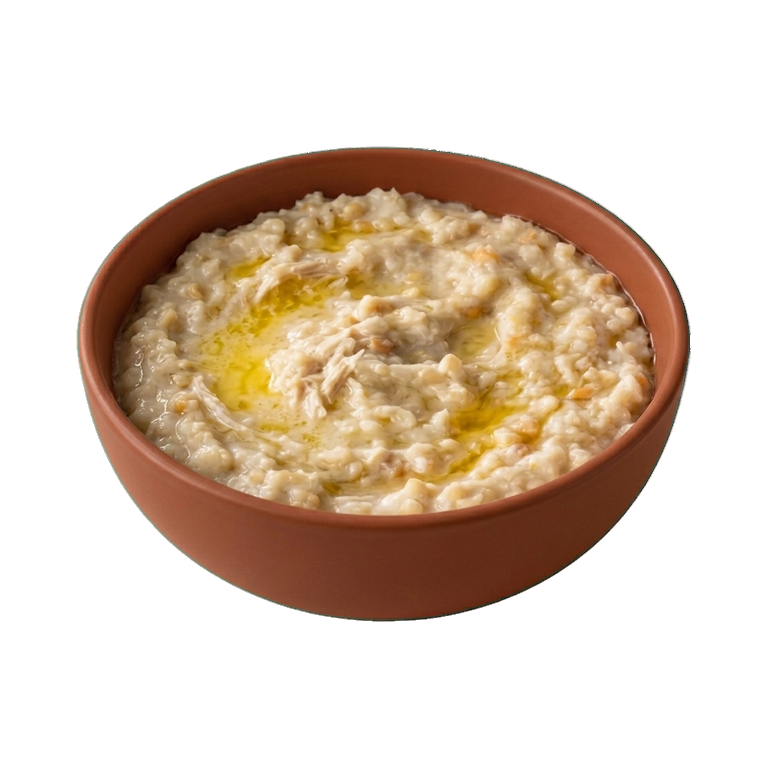
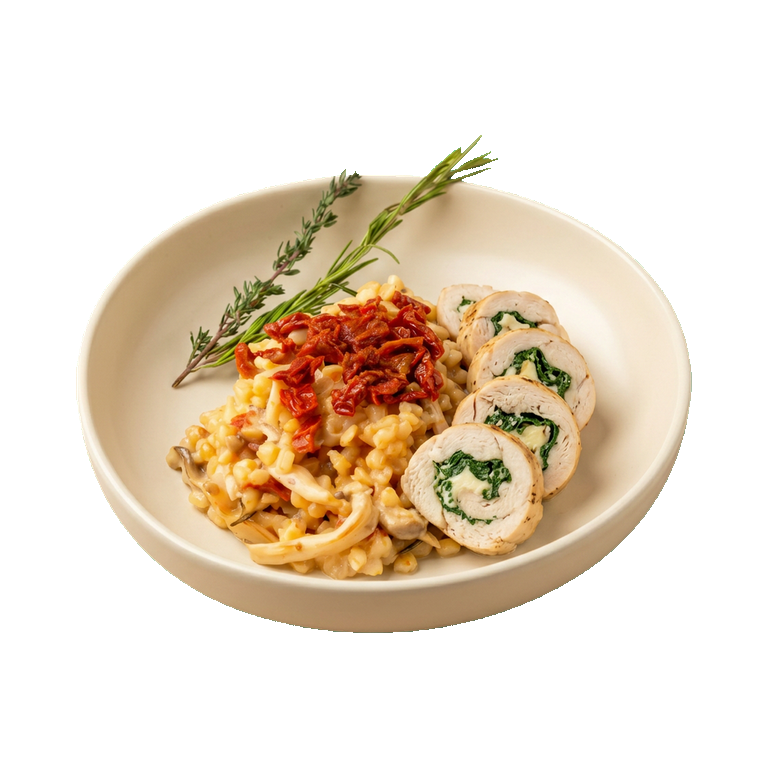
Usuba
Usuba
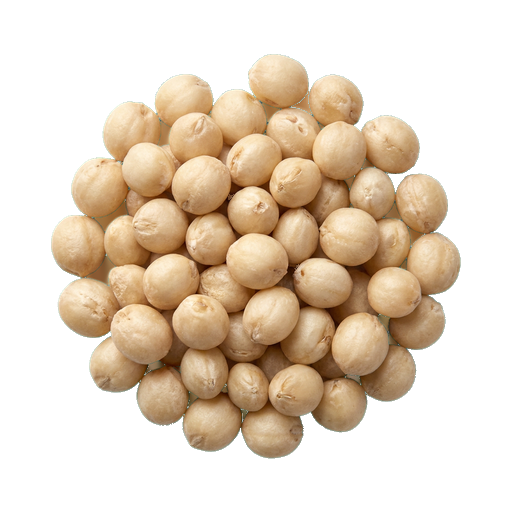
Spelt wheat (dzawar)
Round-grain wheat with rounded, dense kernels has high gluten and starch content, making it ideal for preparing porridges with a viscous, tender consistency. The grains cook evenly and quickly, absorbing liquid while maintaining their integrity, which is why they are often used in traditional Caucasian and South Caucasian cuisine for pilaf, soups, and side dishes. When selecting, pay attention to the purity of the grains and the absence of foreign impurities, and rinse under cold water until the water runs clear before cooking.
Micronutrients
per 100 g
Minerals
About
What is it and why is it special
Round wheat is not just a variety, but a completely different approach to grain. Unlike the familiar elongated wheat, its grains are almost round, dense, and heavy. This shape affects everything: how the grain cooks, how it absorbs moisture, how its texture changes when boiled. This grain works slower, but the result is more elastic, with a characteristic chewiness.
Round wheat contains more gluten than soft varieties, but less than hard varieties. This makes it versatile: it holds its shape when cooked, but doesn't become tough or tasteless. The grains remain separate, don't stick together, and retain a subtle nutty flavor.
How to cook and what to pair with
Round grain wheat is cooked longer than regular rice — approximately 40–50 minutes. However, it does not require pre-soaking, although you can do it to speed up the process. You need about twice as much water as the grain itself. Add salt at the end of cooking, when the grains are already soft.
This grain is ideal for pilaf, risotto, and other dishes where structure is needed. It absorbs broth excellently while maintaining its grain shape. It works well with spices — cinnamon, cardamom, saffron — and with meat gravies. It's also suitable for soups where you want the grains to remain whole and not break down into porridge.
- Meat broths and gravies
- Vegetables: carrots, onions, bell peppers
- Spices: turmeric, cumin, cinnamon, cloves
- Butter and ghee
- Dried fruits: raisins, apricots, dates
Selection and Storage
When purchasing, pay attention to the color: the grains should be light golden, without gray coating or dark spots. Smell it — fresh round-grain wheat has a slightly nutty, pleasant aroma. Avoid grains with a musty or sour smell.
Store in a tightly closed container in a cool, dry place — in a kitchen cabinet or pantry. When stored properly, whole grain wheat maintains its quality for a year or even two. If you bought a large bag, transfer some to an airtight container to protect it from moisture and insects.
Nutrition
per 100 g
- Calories
- 310 kcal
- Protein
- 10.3 g
- Fat
- 2.5 g
- Carbs
- 61.8 g
Micronutrients
per 100 g
Macronutrients
- Fiber
- 10.7 g
- Sugars
- 6.82 g
- Saturated fat
- 0.406 g
- Monounsaturated fat
- 0.445 g
- Polyunsaturated fat
- 1.258 g
- Cholesterol
- 0 mg
- Water
- 11.02 g
Minerals
- Sodium
- 8 mg
- Potassium
- 388 mg
- Calcium
- 27 mg
- Magnesium
- 136 mg
- Phosphorus
- 401 mg
- Iron
- 4.44 mg
- Zinc
- 3.28 mg
- Copper
- 0.51 mg
- Manganese
- 2.98 mg
- Selenium
- 11.7 mcg
Vitamins
- Vitamin A (RAE)
- 0 mcg
- Vitamin E
- 0.79 mg
- Vitamin K
- 3.6 mcg
- Vitamin C
- 0 mg
- Vitamin B1 (thiamin)
- 0.36 mg
- Vitamin B2 (riboflavin)
- 0.11 mg
- Vitamin B3 (niacin)
- 6.84 mg
- Vitamin B5 (pantothenic acid)
- 1.07 mg
- Vitamin B6
- 0.23 mg
- Vitamin B9 (folate, DFE)
- 45 mcg
- Vitamin B12
- 0 mcg
Measures and weight
- 1 tbsp
- 11.3 g
- 1 tsp
- 3.8 g
- 1 cup
- 187.5 g
Measure calculator
- Weight
- 100 g
- Calories
- 310 kcal