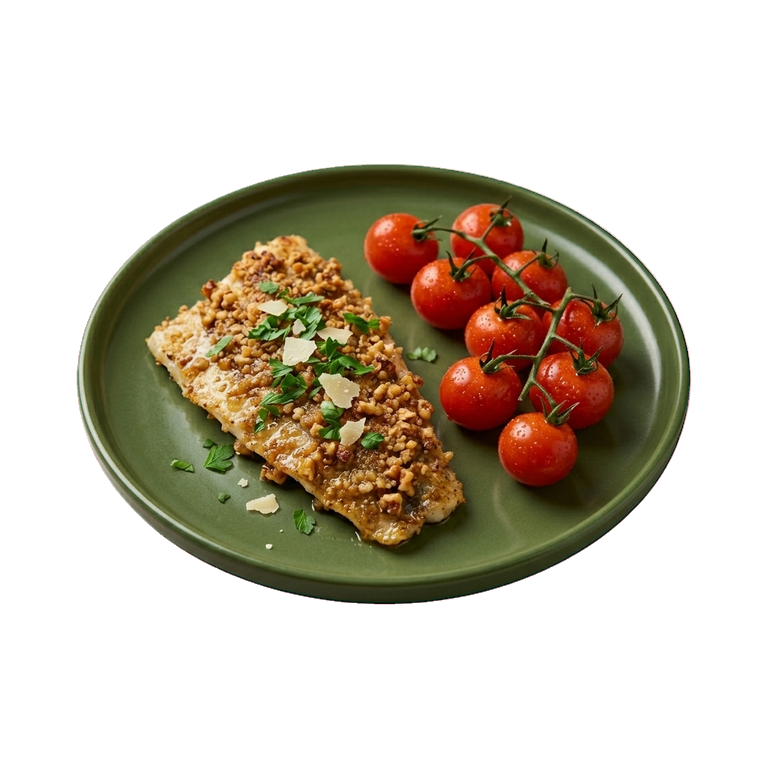
Usuba
Usuba
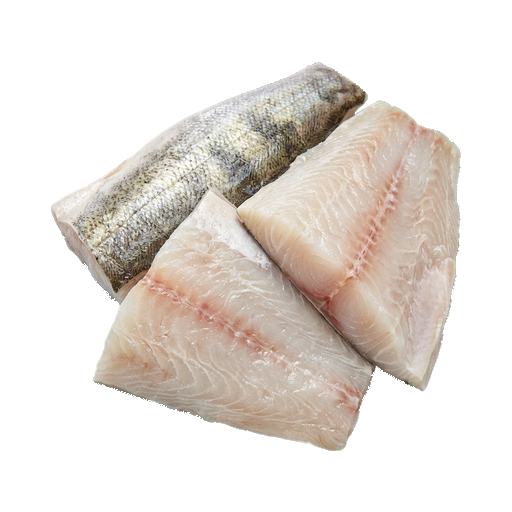
Pike perch fillet
Pike perch fillet is tender white meat with a delicate, slightly sweet flavor and minimal bones. The fish is distinguished by its firm structure, which holds its shape well during heat treatment, making it suitable for frying, baking, boiling, and grilling. When selecting fillet, pay attention to the elasticity of the meat and the absence of odor — it should be light pink or white, without spots or darkening.
Micronutrients
per 100 g
Minerals
About
Pike perch is a fish that deserves a place in your kitchen. Its fillet is white, firm, and almost boneless, making it ideal for home cooking. The meat is tender yet elastic, with a delicate flavor that doesn't overpower seasonings but complements them.
Aroma and taste
Pike perch smells fresh and of the sea, but not sharply. Its taste is clean and delicate — without the fishy smell that repels many. It is a versatile fish that easily adapts to different cooking styles: from classic to modern.
The fillet doesn't fall apart when frying and holds its shape when boiling. The muscle fibers are thin and tightly packed together, which is why the fish remains juicy even with short heat exposure.
How to Cook Pike Perch
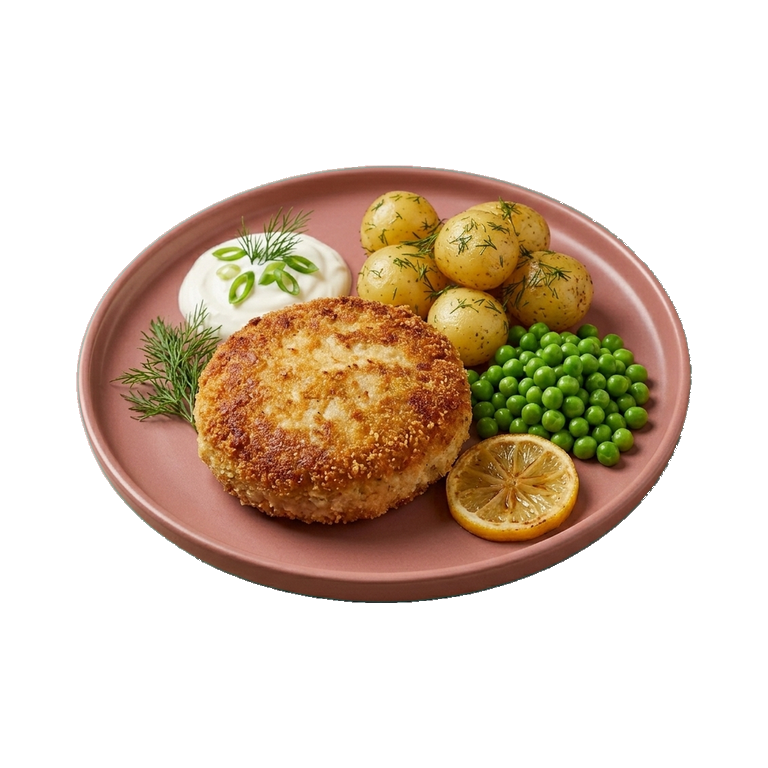
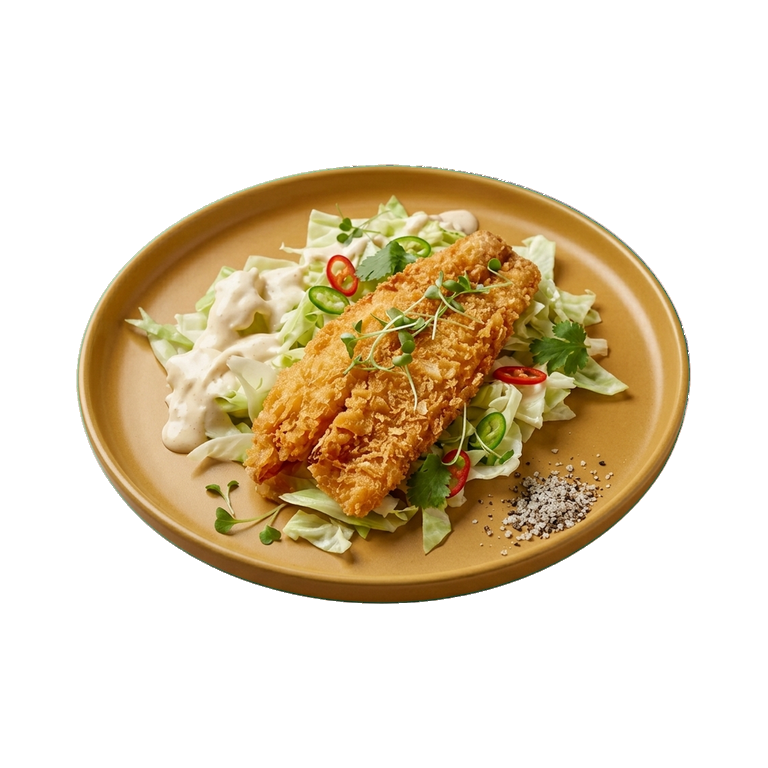
- In a pan with oil — fillet is fried for 3–4 minutes on each side, resulting in a crispy crust and moist flesh inside
- Steamed — a delicate method that preserves all flavor nuances, ideal for light lunches
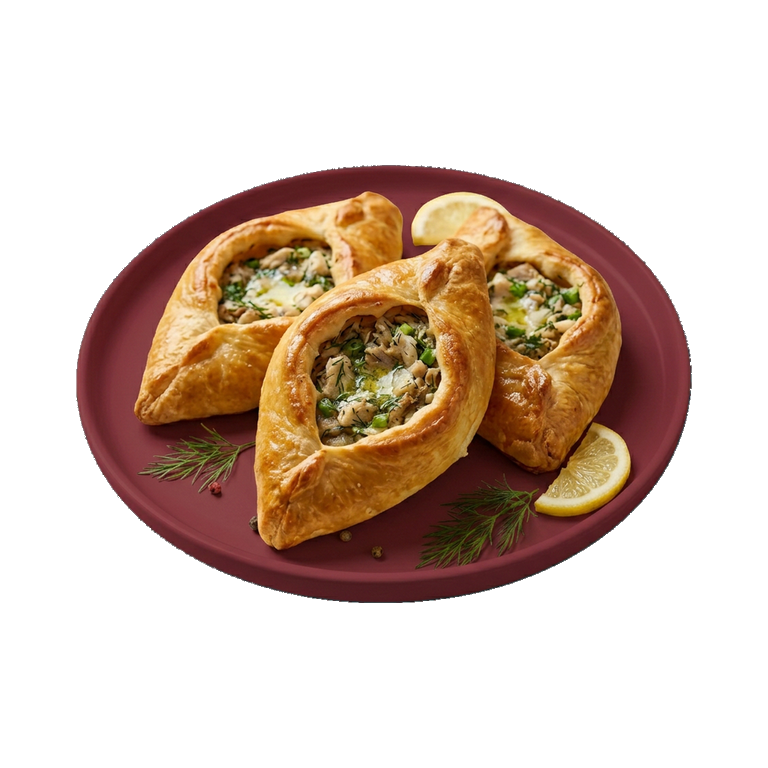
- In the oven — fillet is baked with vegetables, herbs and lemon for 15–20 minutes at 200 degrees
- On the grill — meat doesn't stick thanks to its dense texture, turning out with beautiful stripes
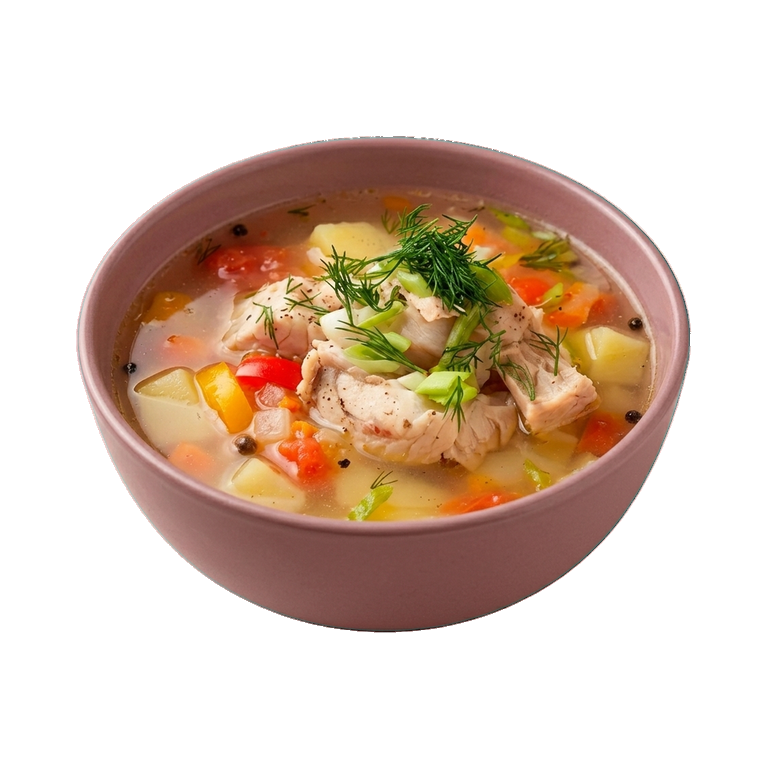
- In soup or broth — added at the end of cooking to prevent it from falling apart
Pairs well with
Pike perch works well with lemon, white wine, butter, and herbs — dill, parsley, thyme. Vegetable side dishes — potatoes, carrots, zucchini — emphasize its lightness. Creamy sauces and vegetable stews don't overpower but enrich the flavor.
Selection and Storage
- The meat should be white or slightly pinkish, without spots and darkening
- The surface is moist, but not slippery — a sign of freshness
- Pleasant smell, oceanic, without sourness or staleness
- The fillet is elastic — when pressed with a finger, it quickly restores its shape
Store in the refrigerator on the lower shelf in an airtight package or container for no more than two days. Freezes well — at minus 18 degrees it maintains quality for up to three months. Thaw in the refrigerator, not at room temperature.
Zander is a choice for those who appreciate simplicity and quality. It requires no lengthy preparation, cooks quickly, and always turns out delicious. Try it in its simple form with lemon and butter, and you'll understand why this fish remains a favorite among professional chefs.
Nutrition
per 100 g
- Calories
- 84 kcal
- Protein
- 18.4 g
- Fat
- 0.9 g
- Carbs
- 0 g
Micronutrients
per 100 g
Macronutrients
- Fiber
- 0 g
- Saturated fat
- 0.249 g
- Monounsaturated fat
- 0.294 g
- Polyunsaturated fat
- 0.447 g
- Omega-3 (EPA + DHA)
- 0.311 g
- Cholesterol
- 86 mg
- Water
- 79.31 g
Minerals
- Sodium
- 51 mg
- Potassium
- 389 mg
- Calcium
- 110 mg
- Magnesium
- 30 mg
- Phosphorus
- 210 mg
- Iron
- 1.3 mg
- Zinc
- 0.62 mg
- Copper
- 0.18 mg
- Manganese
- 0.8 mg
- Selenium
- 12.6 mcg
Vitamins
- Vitamin A (RAE)
- 21 mcg
- Vitamin C
- 0 mg
- Vitamin B1 (thiamin)
- 0.27 mg
- Vitamin B2 (riboflavin)
- 0.16 mg
- Vitamin B3 (niacin)
- 2.3 mg
- Vitamin B5 (pantothenic acid)
- 0.75 mg
- Vitamin B6
- 0.12 mg
- Vitamin B9 (folate, DFE)
- 15 mcg
- Vitamin B12
- 2 mcg
Measure calculator
- Weight
- 100 g
- Calories
- 84 kcal