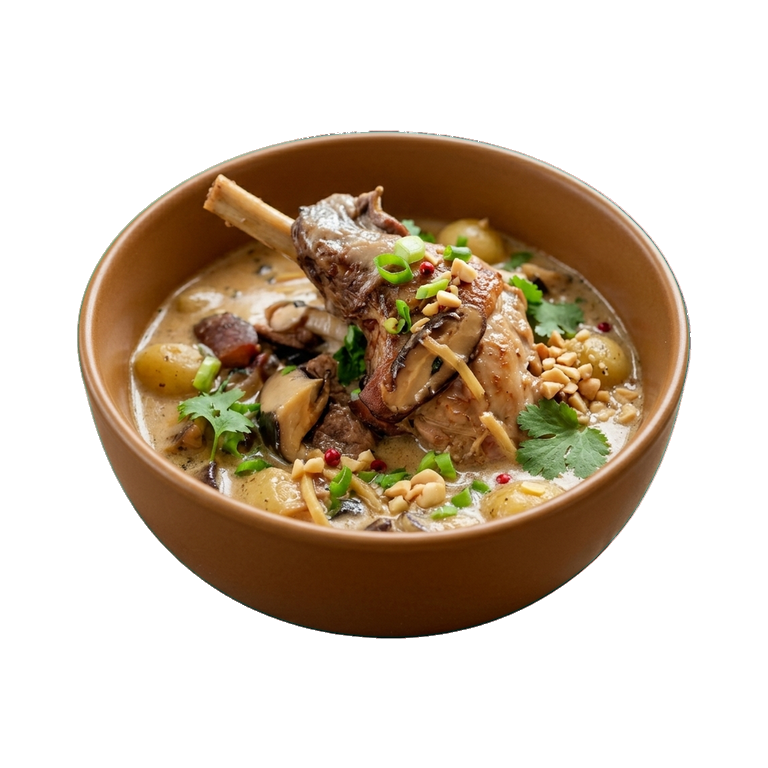
Usuba
Usuba
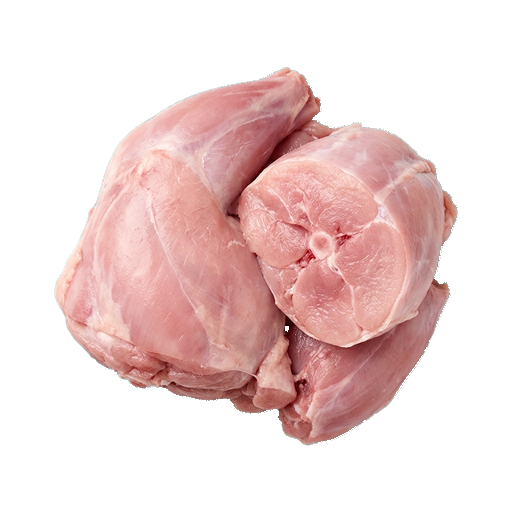
Rabbit
Tender white rabbit meat is distinguished by its low fat content and delicate flavor, slightly reminiscent of chicken but with a more pronounced sweetness. The meat is easily digestible and suitable for dietary nutrition, readily absorbs the aromas of spices and sauces. When choosing rabbit, pay attention to the color — quality meat should be light pink, and during cooking it is important not to dry it out, as its low fat content requires caution; stewing, roasting, and boiling are the optimal cooking methods.
Micronutrients
per 100 g
Minerals
About
Meat that cooks quickly and easily
Rabbit meat is one of the most tender types of meat, which often remains overshadowed by more familiar poultry and beef. This is unfair: rabbit meat cooks faster than chicken, absorbs the flavors of marinades and sauces, and its taste is both tender and distinctive. If you haven't cooked rabbit yet, it's time to start — it's easier than it seems.
Taste and texture
Rabbit meat is light, almost white, with a barely noticeable pinkish tint. In taste, it resembles chicken, but more delicate — less fibrous, more juicy. It contains very little fat, so the dish turns out light, but not dry, if you choose the cooking method correctly. The aroma is neutral, not sharp, which makes rabbit meat an ideal canvas for spices, herbs, and sauces.
How to cook and what to pair with
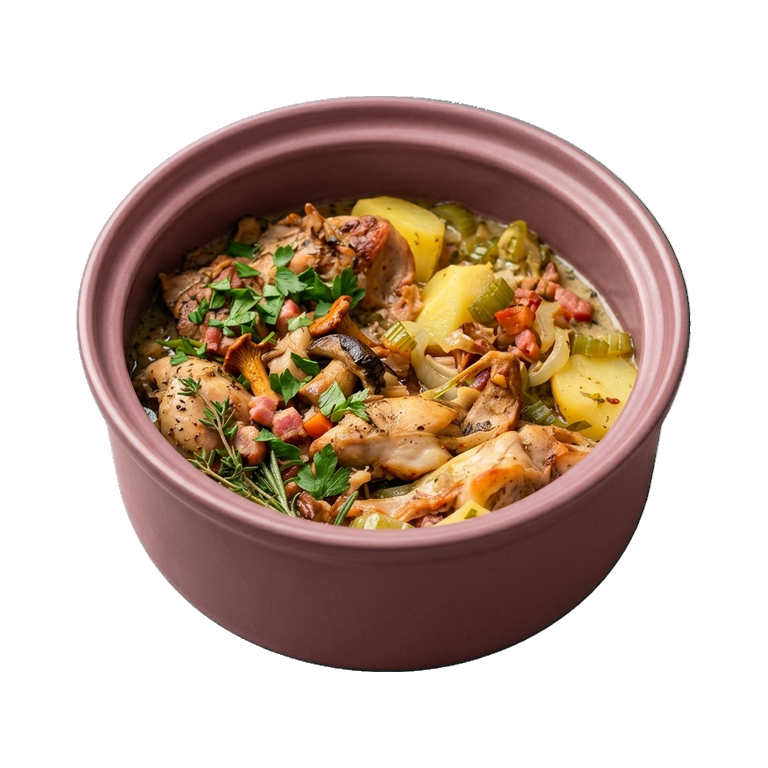
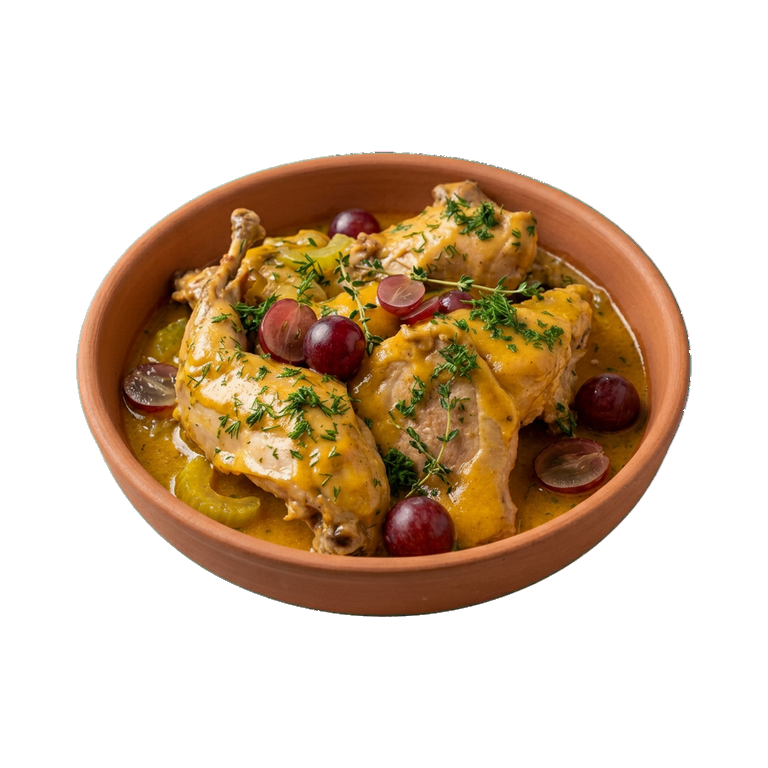
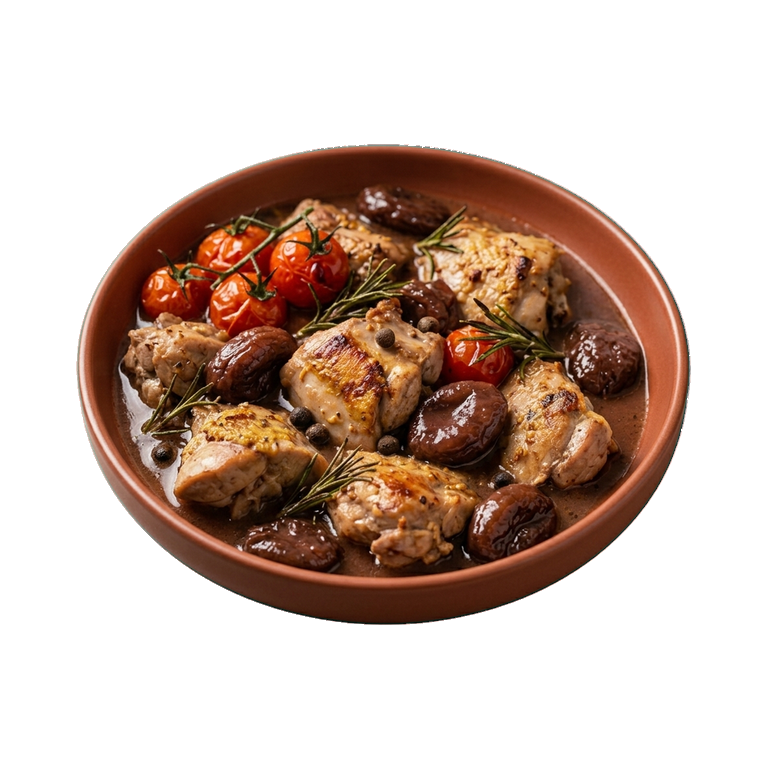
Rabbit works equally well in stewed dishes, on the grill, in stews, and even in pâtés. Cooking time is 30–50 minutes depending on the size of the piece and the method. The meat does not require long marinating, but absorbs the flavors of mustard, white wine, rosemary, thyme, and garlic well. Classic combinations are with mushrooms, creamy sauce, tomatoes, and olives.
- Braising in white wine with mustard and cream — one of the simplest and most effective ways
- Grilling or pan-frying with rosemary and lemon — quick and aromatic
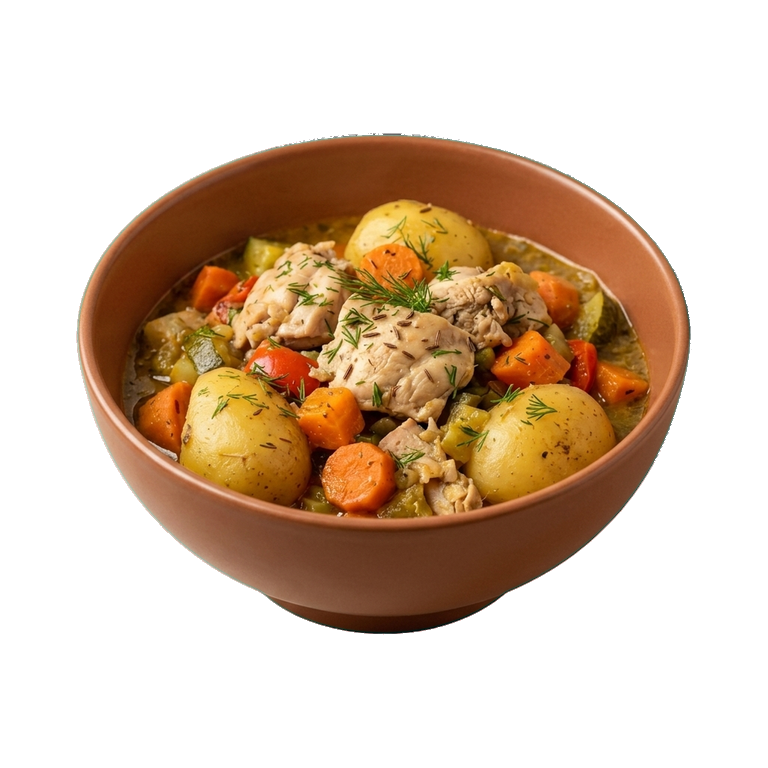
- Stew with vegetables and herbs — a family dish that is cooked in one pot
- Pâté or terrine — rabbit meat is perfect for delicate appetizers
Selection and Storage
Fresh rabbit meat has a light pink color without spots or unpleasant odor. It feels firm to the touch, and the surface is slightly moist but not slippery. Whole carcasses are stored in the refrigerator for 2–3 days, sliced meat for 1–2 days. Frozen meat can be kept for several months, but it is best to use it within 2–3 months to maintain quality. Thaw in the refrigerator, not at room temperature.
If you're new to cooking rabbit, start with a whole medium-sized carcass — it's easier to cook evenly than individual pieces. Don't be afraid to experiment with herbs and spices: rabbit meat gratefully accepts almost any flavors. And remember: this meat cooks quickly, so watch the time to prevent it from drying out.
Nutrition
per 100 g
- Calories
- 156 kcal
- Protein
- 21 g
- Fat
- 8 g
- Carbs
- 0 g
Micronutrients
per 100 g
Macronutrients
- Fiber
- 0 g
- Saturated fat
- 1.66 g
- Monounsaturated fat
- 1.5 g
- Polyunsaturated fat
- 1.08 g
- Cholesterol
- 57 mg
- Water
- 72.82 g
Minerals
- Sodium
- 41 mg
- Potassium
- 330 mg
- Calcium
- 13 mg
- Magnesium
- 19 mg
- Phosphorus
- 213 mg
- Iron
- 1.57 mg
- Zinc
- 1.57 mg
- Copper
- 0.14 mg
- Manganese
- 0.03 mg
- Selenium
- 23.7 mcg
Vitamins
- Vitamin A (RAE)
- 0 mcg
- Vitamin C
- 0 mg
- Vitamin B1 (thiamin)
- 0.1 mg
- Vitamin B2 (riboflavin)
- 0.15 mg
- Vitamin B3 (niacin)
- 7.27 mg
- Vitamin B5 (pantothenic acid)
- 0.8 mg
- Vitamin B6
- 0.5 mg
- Vitamin B9 (folate, DFE)
- 8 mcg
- Vitamin B12
- 7.2 mcg
Measures and weight
- 1 pcs
- 1500 g
Measure calculator
- Weight
- 100 g
- Calories
- 156 kcal