Usuba
Usuba
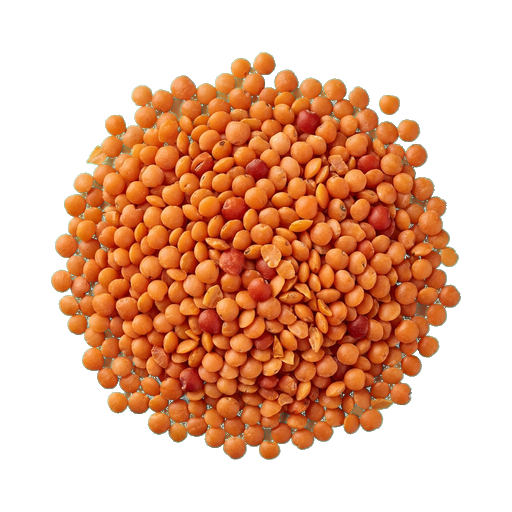
Red Lentils
Red lentils are hulled lentils that cook quickly and are perfect for purees, soups, and side dishes. They have a mild, slightly nutty flavor and become creamy when cooked, absorbing the aromas of spices and broths well. When selecting, pay attention to a uniform color without impurities, and when storing, keep in an airtight container in a cool place — this way the lentils will retain their freshness and won't absorb unwanted odors.
Micronutrients
per 100 g
Minerals
About
Red lentils are among the fastest legumes in the kitchen. They cook in 15–20 minutes, require no pre-soaking, and are perfect for a busy cook. Their bright color and soft texture make them a favorite in dishes from soups to side dishes.
Taste and Texture
Red lentils have a soft, slightly sweet taste with earthy notes. When cooked, they quickly lose their shape and turn into a delicate puree — this is their main characteristic. If you need lentils that hold their shape, choose green or black varieties. Red lentils are ideal for creamy textures.
Where to use it
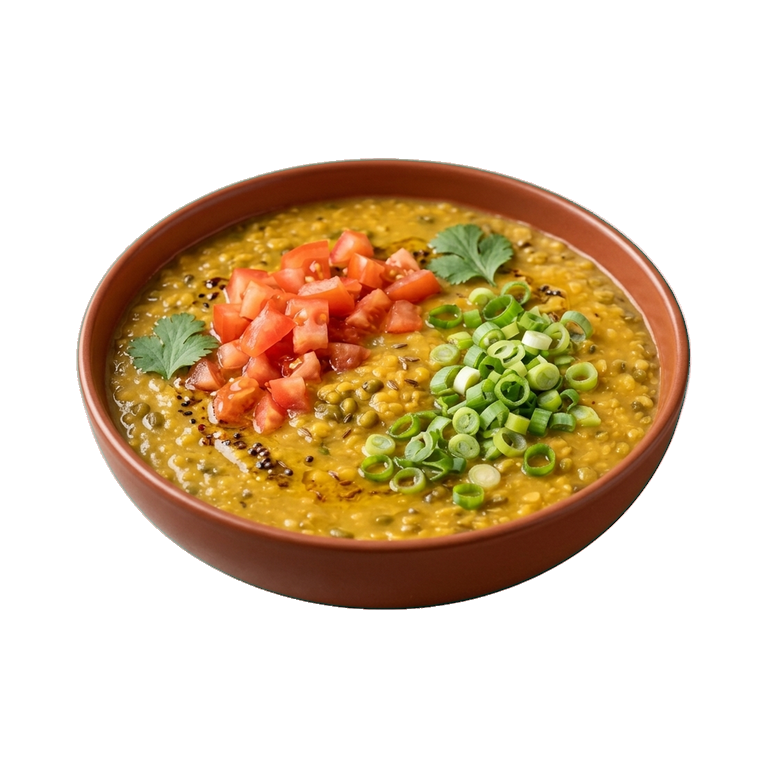
- Creamy soups and purees — red lentils dissolve in liquid, creating a thick, silky consistency without a blender
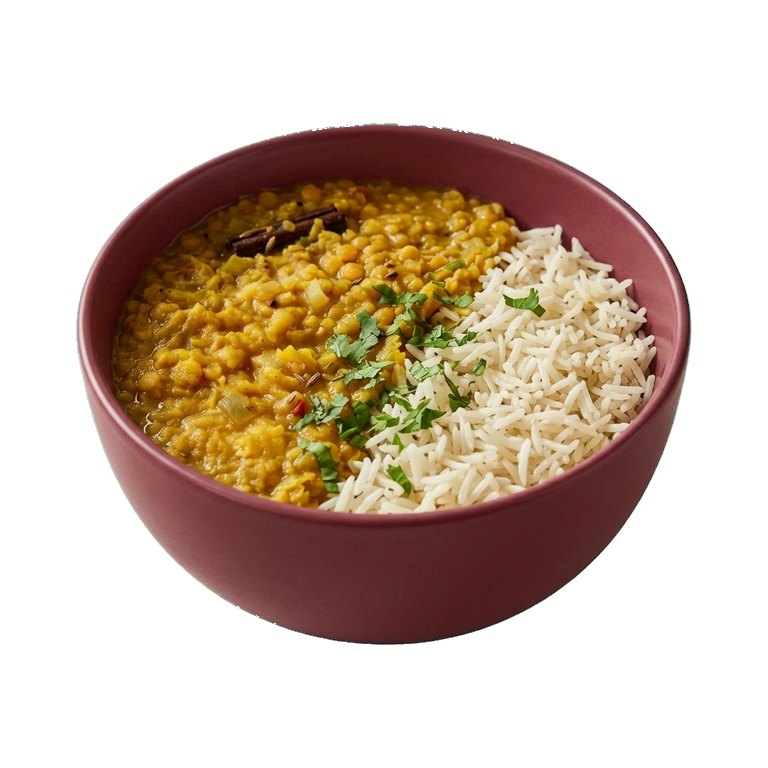
- Indian dishes (dal) — a classic choice where lentils are cooked with spices and turn into an aromatic puree
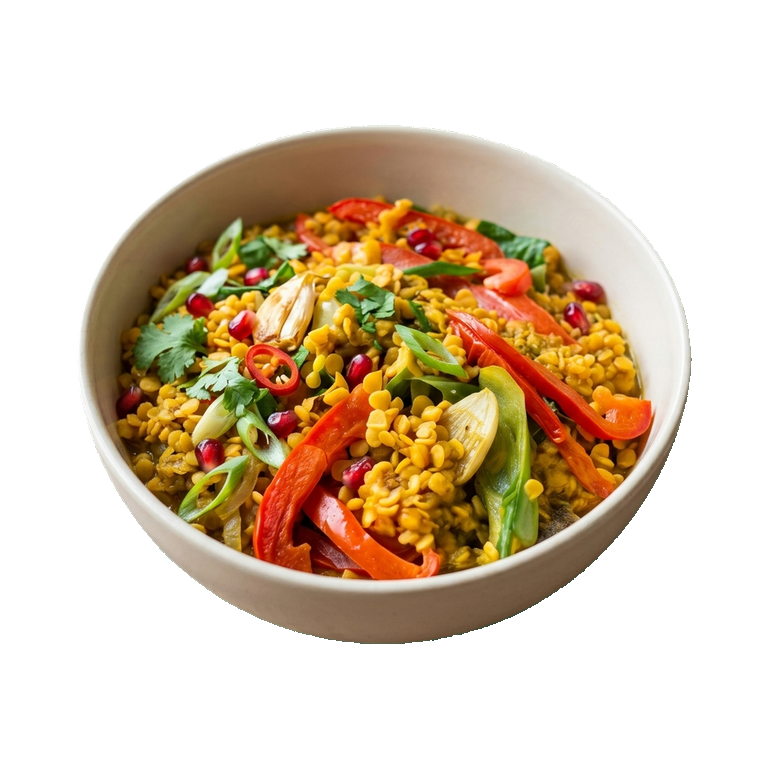
- Side dishes and stews — absorbs sauces and spices well without falling apart
- Pâtés and spreads — a base for vegan spreads thanks to its tender texture
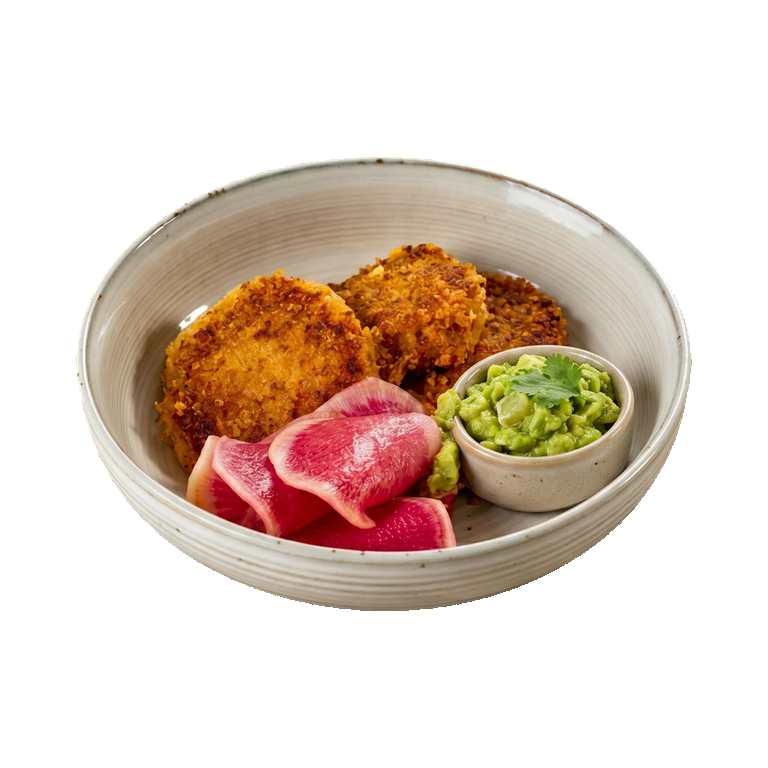
- Cutlets and patties — binds ingredients and adds nutritional value
How to cook
Rinse the lentils under cold water to remove dust and small debris. Cook in a ratio of 1 part lentils to 2–2.5 parts liquid. Add boiling water or broth to already hot lentils — this will help them cook more evenly. Salt at the end of cooking, otherwise the grains will be tough. If you're making soup, add the lentils at the very beginning so they dissolve completely and thicken the broth.
Selection and Storage
Choose bright red lentils without spots or damage. Store in a tightly sealed glass or plastic container in a cool, dry place — this way it will retain its properties for up to a year. Keep cooked lentils in the refrigerator for no more than 3–4 days or freeze in portions for several months. Frozen lentils work great for soups and stews.
What pairs with
- Spices: turmeric, cumin, coriander, ginger, garam masala
- Vegetables: onion, garlic, carrot, tomatoes, sweet pepper
- Fats: olive oil, coconut milk, butter
- Herbs: cilantro, parsley, mint
- Acid: lemon juice, vinegar, tomatoes
Red lentils are a busy cook's helper and a reliable ally in the search for quick, nutritious dishes. Their fast cooking time and ability to transform into a creamy puree make them indispensable in everyday cooking. Keep a package in your cabinet for emergency dinners and light lunches.
Nutrition
per 100 g
- Calories
- 345 kcal
- Protein
- 25 g
- Fat
- 1.3 g
- Carbs
- 60 g
Micronutrients
per 100 g
Macronutrients
- Fiber
- 10.8 g
- Saturated fat
- 0.379 g
- Monounsaturated fat
- 0.5 g
- Polyunsaturated fat
- 1.137 g
- Cholesterol
- 0 mg
- Water
- 7.82 g
Minerals
- Sodium
- 7 mg
- Potassium
- 668 mg
- Calcium
- 48 mg
- Magnesium
- 59 mg
- Phosphorus
- 294 mg
- Iron
- 7.39 mg
- Zinc
- 3.6 mg
- Copper
- 1.3 mg
- Manganese
- 1.72 mg
- Selenium
- 0 mcg
Vitamins
- Vitamin A (RAE)
- 3 mcg
- Vitamin D
- 0 mcg
- Vitamin C
- 1.7 mg
- Vitamin B1 (thiamin)
- 0.51 mg
- Vitamin B2 (riboflavin)
- 0.11 mg
- Vitamin B3 (niacin)
- 1.5 mg
- Vitamin B5 (pantothenic acid)
- 0.35 mg
- Vitamin B6
- 0.4 mg
- Vitamin B9 (folate, DFE)
- 204 mcg
- Vitamin B12
- 0 mcg
Measures and weight
- 1 tbsp
- 12.8 g
- 1 tsp
- 4.3 g
- 1 cup
- 212.5 g
Measure calculator
- Weight
- 100 g
- Calories
- 345 kcal