Usuba
Usuba
Roquefort cheese
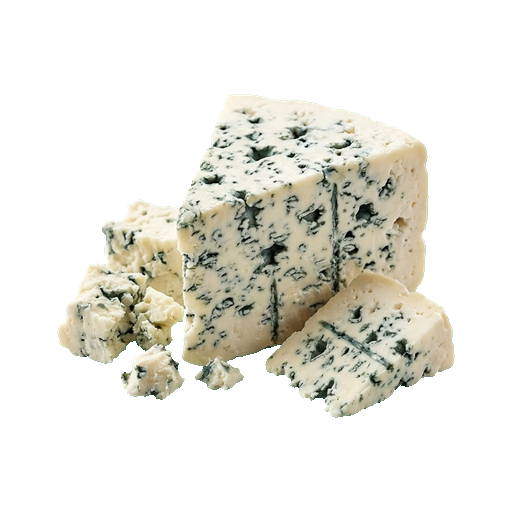
Blue cheese with a sharp, intense flavor and characteristic bitterness, created through noble mold. It features a soft, crumbly texture and a pungent aroma with earthy notes. Ideal for salads, sauces, cream soups, and as a finishing touch to a meal, but requires caution when substituting — its intensity is rarely possible to compensate with other cheeses without altering the character of the dish.
Micronutrients
per 100 g
Minerals
About
Roquefort is a soft blue cheese recognized at first glance by its characteristic veins. It crumbles under the knife, spreads easily on bread, and leaves a sharp, salty taste on the tongue. It's not just an appetizer, but a full-fledged ingredient that transforms a dish with just one spoonful.
Aroma and Flavor
The taste of Roquefort is a sharpness that doesn't cut, but unfolds. The mold gives piquancy, the butter-like quality of the cheese softens it, and a nutty undertone emerges. The aroma is intense, but not intrusive — rather noble and slightly spicy. On the tongue you feel a light bitterness and saltiness that makes you want to come back for another bite.
Texture is what makes Roquefort special. It's not hard, not quite soft, but somehow dense and tender at the same time. It crumbles but doesn't fall apart, melts on your tongue, leaving an oily trace. Room temperature makes it even softer, so it's best to take it out of the refrigerator 20–30 minutes before serving.
How to use in the kitchen
Roquefort works in two roles: as a standalone ingredient and as a flavor enhancer. On a board with bread and nuts, it's a star — no sauce needed. But add it to a salad with pear or a cream soup, and the dish acquires a depth it didn't have before.
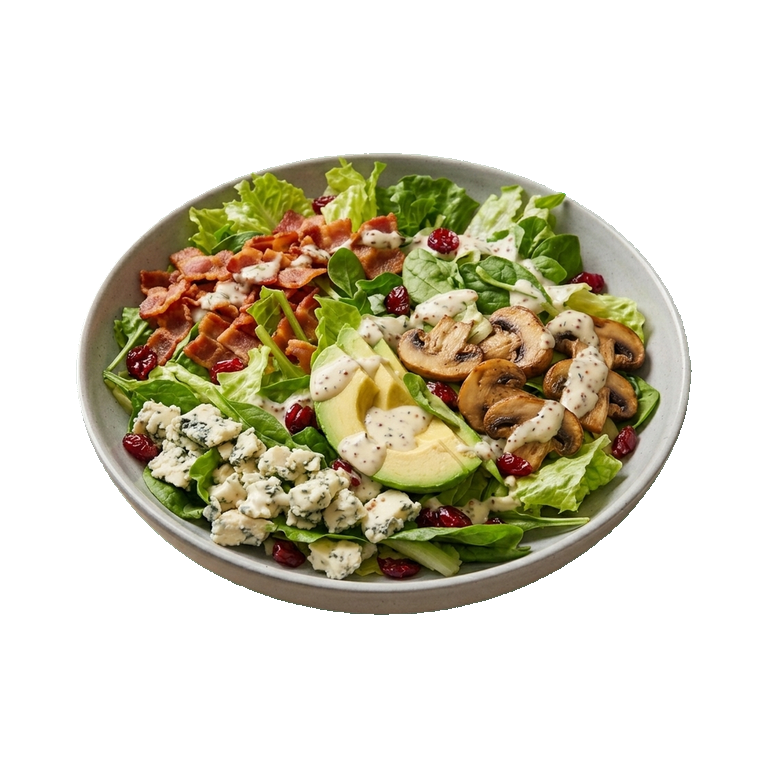
- In salads: crumble roquefort into greens with pear, apple, walnuts or pecans
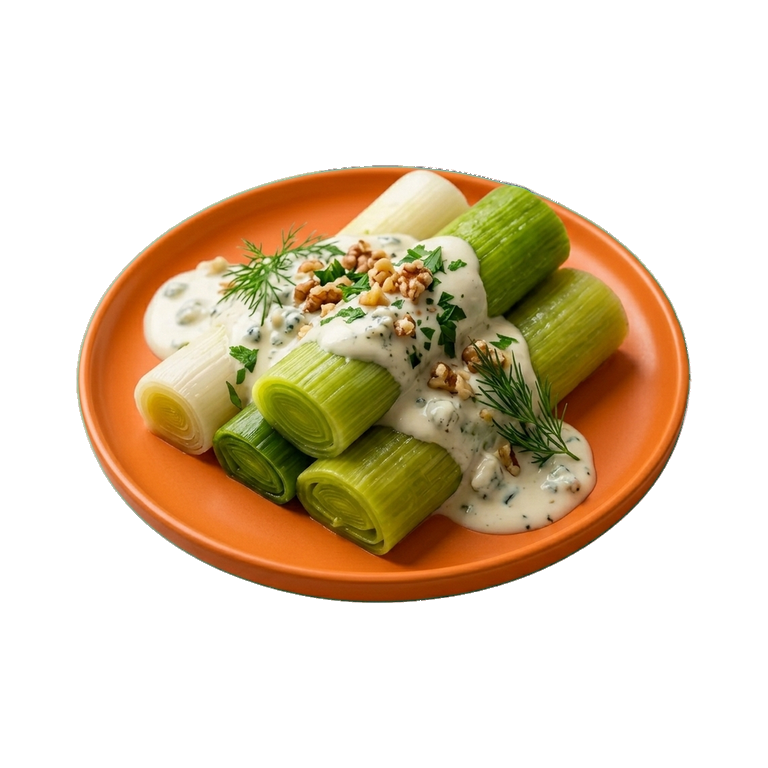
- In sauces: melt in butter sauce for steak or fish, add to vegetable dressing
- In soups: dissolve in hot cream soup made from mushrooms, cauliflower or onion
- As an appetizer: spread on bread with honey, fig jam or caramelized onion
- In pastas: add at the end of cooking to create a sharp creamy sauce
Flavor Pairings
Roquefort pairs well with products that balance its sharpness. Pear and apple are classics—the fruit's sweetness softens the cheese's piquancy. Honey works on the same principle. Walnuts add density and further enhance the nutty undertone. Caramelized onion becomes sweet and mellow, perfectly contrasting with the sharp cheese.
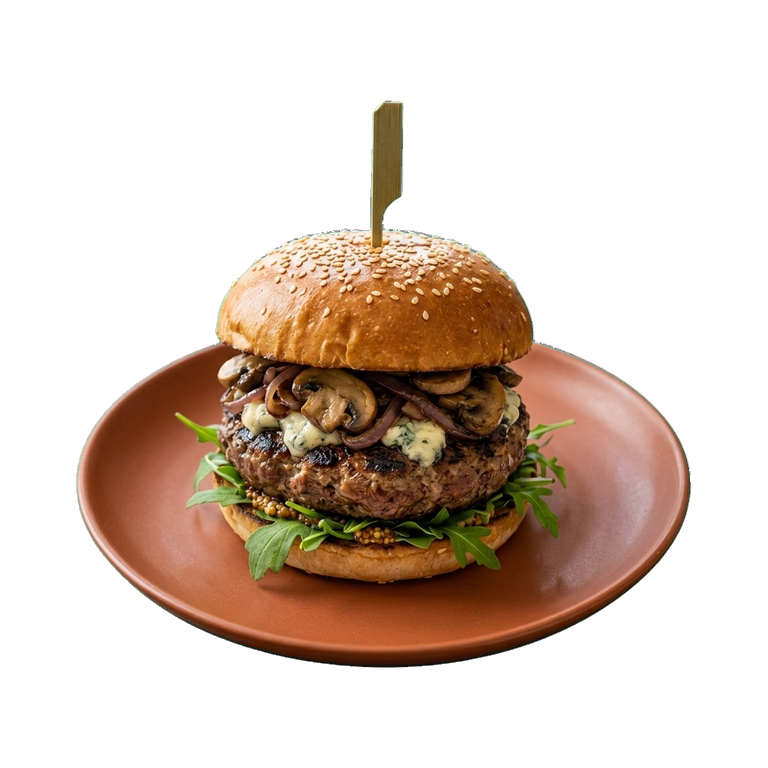
On the table, Roquefort pairs well with meat — steak, ground beef, duck. The sharpness of the cheese cuts through the richness of the meat. It also works with fish (especially fatty varieties like salmon, mackerel), but requires a light touch — a small amount is sufficient here. White wine, especially sweet or semi-sweet, is an ideal drink to serve with Roquefort on a board.
Selection and Storage
Roquefort is sold wrapped in foil, and that's correct — the cheese quickly absorbs odors. When choosing, pay attention to the color: it should be creamy or light yellow with evenly distributed blue veins. The mold should look like thin lines, not smudged spots. The cheese should be neither too dry nor excessively moist.
Store Roquefort in the refrigerator in its original packaging or wrapped in parchment, then wrapped in foil on top. This way it retains moisture and doesn't absorb foreign odors. Storage time is usually 2–3 weeks, but it's better to check the date on the package. Before serving, take the cheese out half an hour before serving so it reveals its full flavor and aroma.
If you're cooking with Roquefort, add it at the end of cooking or to the finished dish. Prolonged heating breaks down its structure and makes the taste flat. The exception is when you specifically want to get a sharp creamy sauce: then you can dissolve the cheese in hot liquid, but quickly, over low heat.
Nutrition
per 100 g
- Calories
- 369 kcal
- Protein
- 21.5 g
- Fat
- 30.6 g
- Carbs
- 2.3 g
Micronutrients
per 100 g
Macronutrients
- Fiber
- 0 g
- Saturated fat
- 19.263 g
- Monounsaturated fat
- 8.474 g
- Polyunsaturated fat
- 1.32 g
- Cholesterol
- 90 mg
- Water
- 39.38 g
Minerals
- Sodium
- 1809 mg
- Potassium
- 91 mg
- Calcium
- 662 mg
- Magnesium
- 30 mg
- Phosphorus
- 392 mg
- Iron
- 0.56 mg
- Zinc
- 2.08 mg
- Copper
- 0.03 mg
- Manganese
- 0.03 mg
- Selenium
- 14.5 mcg
Vitamins
- Vitamin A (RAE)
- 294 mcg
- Vitamin C
- 0 mg
- Vitamin B1 (thiamin)
- 0.04 mg
- Vitamin B2 (riboflavin)
- 0.59 mg
- Vitamin B3 (niacin)
- 0.73 mg
- Vitamin B5 (pantothenic acid)
- 1.73 mg
- Vitamin B6
- 0.12 mg
- Vitamin B9 (folate, DFE)
- 49 mcg
- Vitamin B12
- 0.6 mcg
Measures and weight
- 1 slice
- 25 g
Measure calculator
- Weight
- 100 g
- Calories
- 369 kcal