Usuba
Usuba
Spices
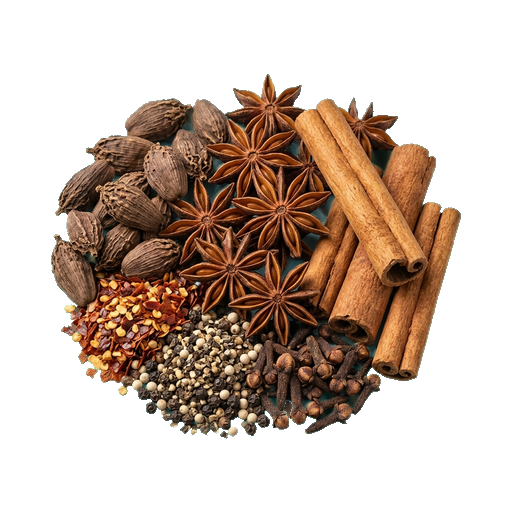
Spices are dried or ground parts of plants: seeds, bark, roots, buds, and stigmas, characterized by a vibrant aroma and sharp or pungent taste. They serve as the foundation for creating complex flavor profiles in dishes, enhance the natural flavors of ingredients, and add depth even to simple recipes. When selecting spices, it is important to pay attention to freshness — ground spices lose their aroma faster than whole spices, so whole spices are better stored and ground before use, while ready-made blends should be checked by their packaging date.
About
Spices are concentrated flavor and aroma that transform the simplest dish into something unforgettable. They work not through volume, but through intensity: a pinch of turmeric or a cinnamon stick can set the mood for an entire dish. Each spice has its own character — some warm, some cool, others add heat or sweetness.
How spices work in the kitchen
Spices reveal themselves differently depending on temperature and the method of addition. If you roast them in oil or a dry pan before use, essential oils are activated and the aroma becomes brighter. Added at the end of cooking, they will retain their freshness and clean flavor. For cold dishes, it's better to add spices in advance so they have time to open up and impart their taste.
Selection and Storage
Fresh spices smell brighter and work more effectively. When buying, look at the color — it should be rich, without gray coating or dullness. Whole spices (sticks, stars, seeds) last longer than ground spices, so if you cook rarely, it's better to buy whole ones and grind them as needed.
- Store spices in airtight glass jars away from light and heat
- Ground spices lose their aroma within 3–4 months, whole spices last a year or longer
- Freezer is the enemy of spices: moisture and condensation destroy their properties
- Keep spices separate from ready-made blends to control the balance of flavors
Classic Combinations
Spices rarely work alone. Black pepper enhances the effects of turmeric, cinnamon pairs well with cloves, cumin finds common ground with coriander. Start with proven combinations, then experiment: add an unfamiliar spice to your usual set and see what happens.
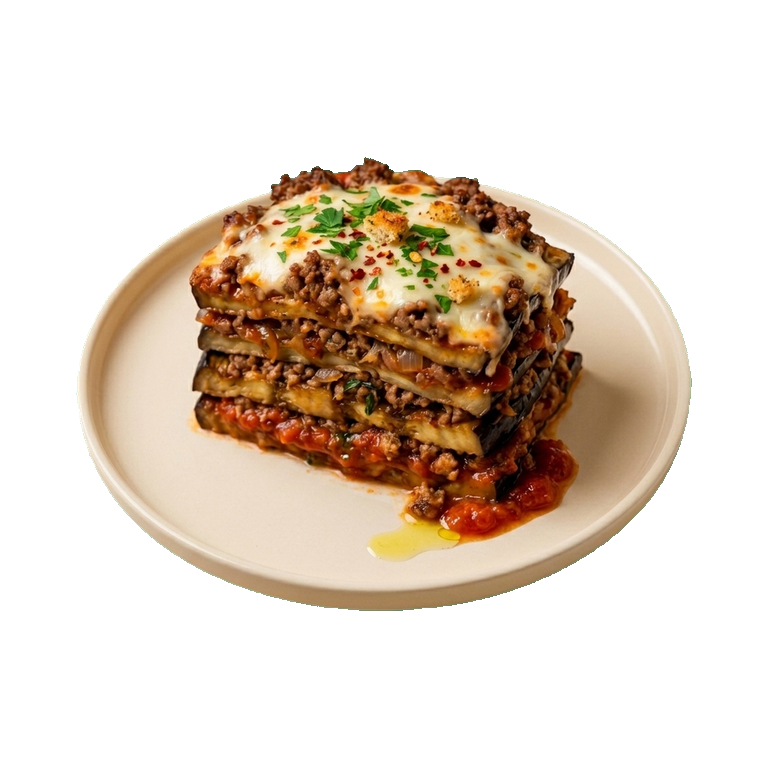
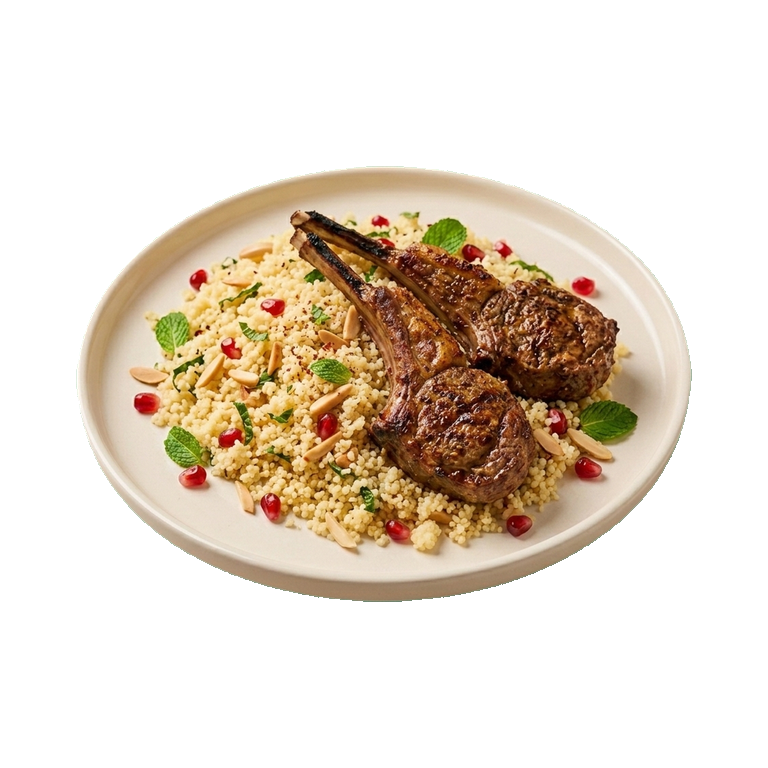
- For meat: black pepper, garlic powder, paprika, thyme
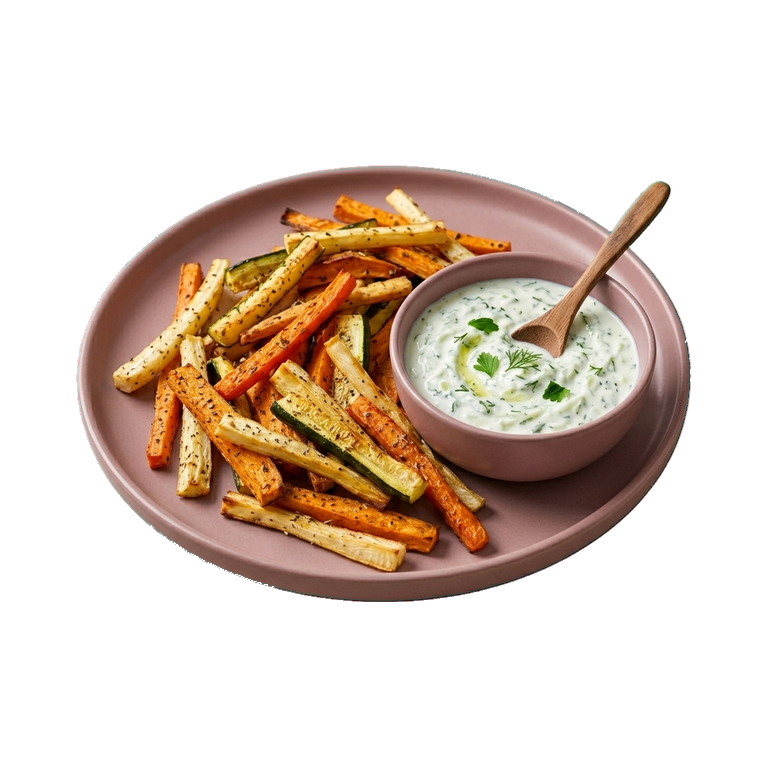
- For vegetables: cumin, coriander, turmeric, ginger
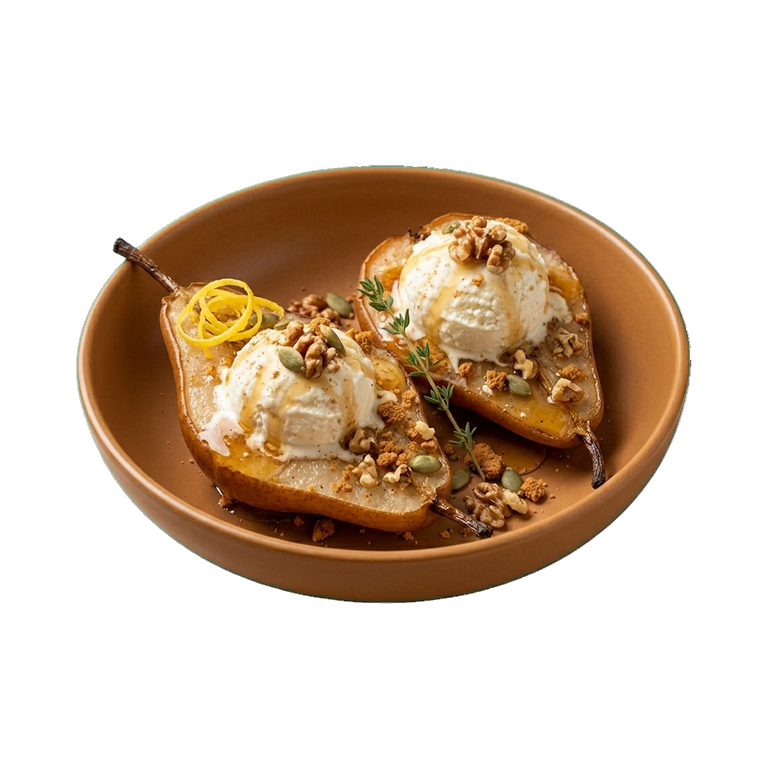
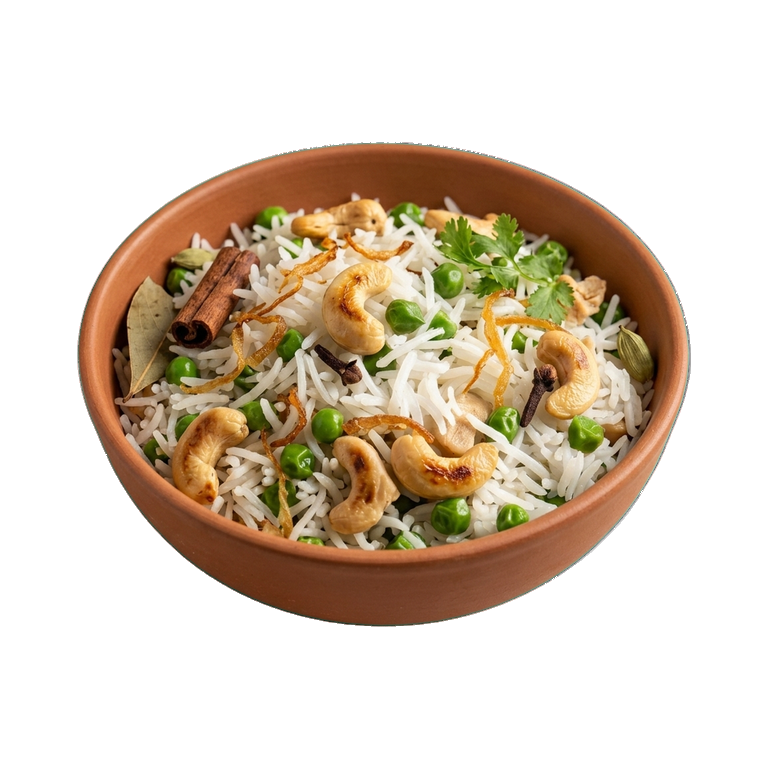
- For sweet dishes: cinnamon, cardamom, clove, nutmeg
- For soups: bay leaf, black pepper, parsley, shallot
Spices are a tool that teaches you to cook by ear and intuition. Start small, add gradually, and taste at each stage. Over time, you'll learn to feel how many pinches you need to make a dish sound exactly the way you want it.
Nutrition
per 100 g
- Calories
- 300 kcal
- Protein
- 10 g
- Fat
- 3 g
- Carbs
- 67 g
Measures and weight
- 1 tbsp
- 7.5 g
- 1 tsp
- 2.5 g
- 1 cup
- 125 g
Measure calculator
- Weight
- 100 g
- Calories
- 300 kcal