Usuba
Usuba
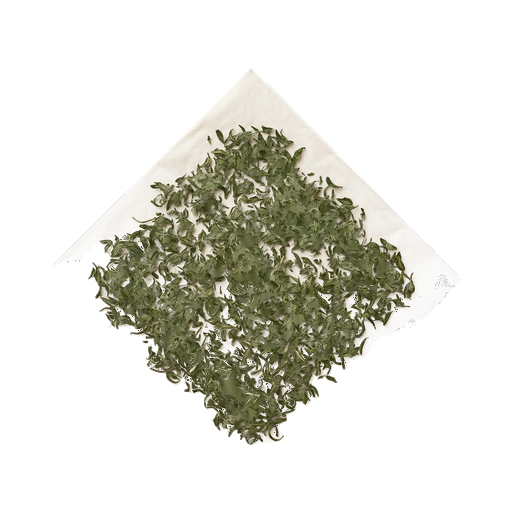
Dried thyme leaves
Dried thyme leaves are a dried herb with a sharp, slightly bitter taste and a pronounced spicy aroma. Used as a seasoning in meat dishes, soups, sauces, and tea, adding warm herbal notes to them. When selecting, pay attention to the intense aroma and dark green color of the leaves — these are signs of good quality and freshness of the preparation.
Micronutrients
per 100 g
Minerals
About
Dried thyme is the leaves of thyme that retain their sharp, slightly peppery aroma even after drying. Unlike fresh herbs, dried leaves concentrate the flavor and become more stable during heat treatment. This makes them an ideal choice for dishes that require long cooking times or a consistent spicy background.
Aroma and Taste
Dried thyme smells earthy, herbaceous, with notes of pepper and a slight bitterness. The flavor is more pronounced than fresh thyme: slightly astringent, with a subtle sharp aftertaste. This intensity allows you to use it economically — often just a pinch is enough to feel the presence of the herb in a dish.
Where to use it
Dried thyme works everywhere you need an herbal base with character. It's ideal for meat marinades, especially for lamb and beef. Add it to soups, stews, and braised dishes 10–15 minutes before they're done — this way it will impart everything needed without becoming bitter. It performs well in vegetable oil for dressings and in dry spice blends.
- Marinades for poultry and meat
- Meat broths and soups
- Stews, braised cabbage, vegetable side dishes
- Spiced oils and vinegars
- Bread, focaccia and unleavened flatbreads
What pairs well with
Thyme pairs well with rosemary, oregano, and bay leaf — together they create a classic bouquet for meat. It doesn't conflict with black pepper, garlic, and lemon. Works well with potatoes, carrots, and onions. If you prefer a milder flavor — combine it with parsley or dill, they balance out its spiciness.
How to Choose and Store
Look for dark green leaves with a pronounced aroma. They should be whole or coarsely cut, not powder — powder indicates prolonged storage. Smell them: the aroma should be bright and recognizable, without mustiness.
Store in an airtight glass or tin container in a cool, dry place, away from sunlight. When stored properly, thyme maintains its aroma for 1–2 years, but it's best to use it within the first six months while the flavor is at its freshest. If the leaves begin to fade or lose their aroma — it's time to replace it.
Dried thyme is approximately three times more concentrated than fresh. For a serving of soup or marinade, half a teaspoon is enough; for a large stew — one full spoon. Start with a smaller amount and add to taste — it's easier to over-season with herbs than to under-season.
Nutrition
per 100 g
- Calories
- 276 kcal
- Protein
- 9.1 g
- Fat
- 7.4 g
- Carbs
- 46.8 g
Micronutrients
per 100 g
Macronutrients
- Fiber
- 37 g
- Sugars
- 1.71 g
- Saturated fat
- 2.73 g
- Monounsaturated fat
- 0.47 g
- Polyunsaturated fat
- 1.19 g
- Omega-3 (EPA + DHA)
- 0 g
- Cholesterol
- 0 mg
- Water
- 7.79 g
Minerals
- Sodium
- 55 mg
- Potassium
- 814 mg
- Calcium
- 1890 mg
- Magnesium
- 220 mg
- Phosphorus
- 201 mg
- Iron
- 123.6 mg
- Zinc
- 6.18 mg
- Copper
- 0.86 mg
- Manganese
- 7.87 mg
- Selenium
- 4.6 mcg
Vitamins
- Vitamin A (RAE)
- 190 mcg
- Vitamin D
- 0 mcg
- Vitamin E
- 7.48 mg
- Vitamin K
- 1714.5 mcg
- Vitamin C
- 50 mg
- Vitamin B1 (thiamin)
- 0.51 mg
- Vitamin B2 (riboflavin)
- 0.4 mg
- Vitamin B3 (niacin)
- 4.94 mg
- Vitamin B6
- 0.55 mg
- Vitamin B9 (folate, DFE)
- 274 mcg
- Vitamin B12
- 0 mcg
Measures and weight
- 1 tbsp
- 4.5 g
- 1 tsp
- 1.5 g
- 1 cup
- 75 g
Measure calculator
- Weight
- 100 g
- Calories
- 276 kcal