Usuba
Usuba
Viennese Sausages
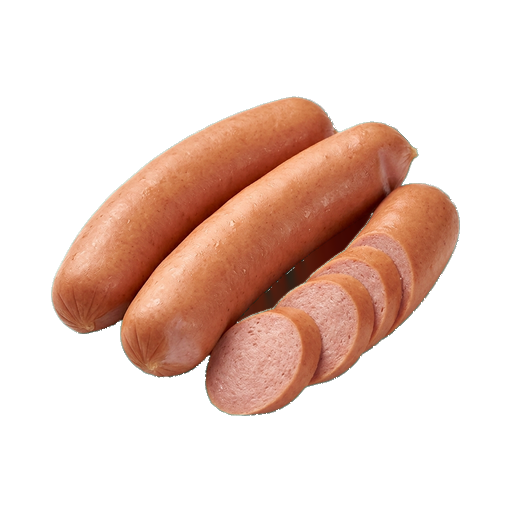
Vienna sausages are thin sausage products made from a mixture of beef and pork with a tender texture and a mild, slightly sweet flavor. They are ready to eat and do not require additional processing, although they are usually heated before serving. Sausages are versatile in the kitchen: suitable for sandwiches, soups, side dishes, and appetizers. When choosing, pay attention to the ingredients and expiration date, as the quality of the product directly affects the result of the dish.
Micronutrients
per 100 g
Minerals
About
Viennese sausages are thin sausages with a delicate texture and subtle flavor that hold a special place in European cuisine. They are smaller than regular sausages, but at the same time denser and more aromatic. Due to their size and consistency, they are ideal for quick cooking and versatile in application.
Aroma and Taste
Viennese sausages have a soft, slightly smoked flavor with delicate spicy notes. They are not aggressive in aroma, which makes them a convenient ingredient for dishes where a bright sausage dominance is not needed. When heated, the casing maintains its elasticity, while the filling remains juicy.
Role in dishes
- Appetizers and cold cuts — sliced rings of Vienna sausages will decorate any plate of cured meats
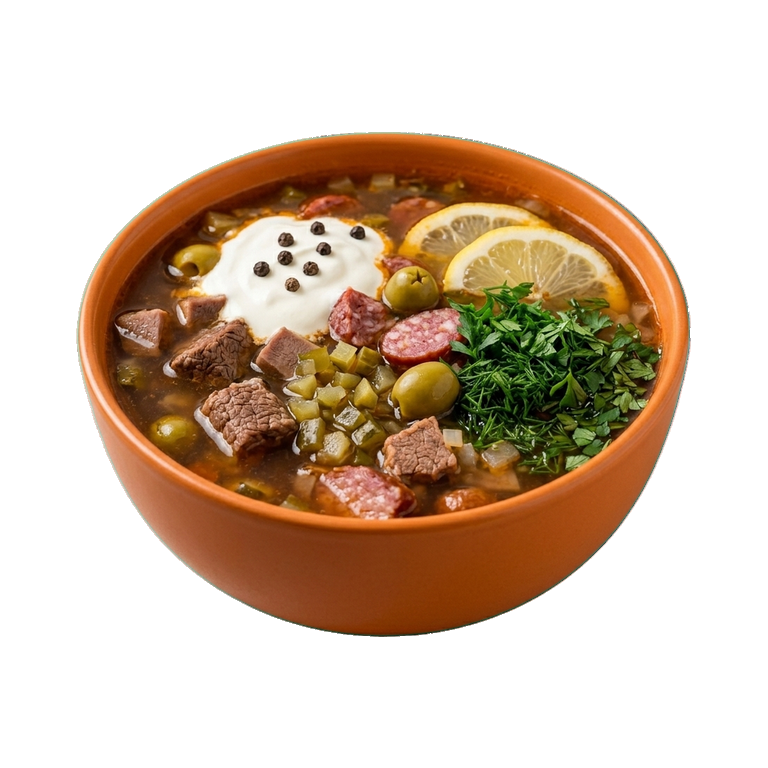
- Soups — added to broths and cream soups for a light meat aroma without excess fat
- Salads — sausage pieces work well in warm salads with potatoes or vegetables
- Side dishes and stews — pair excellently with potatoes, legumes and stewed vegetables
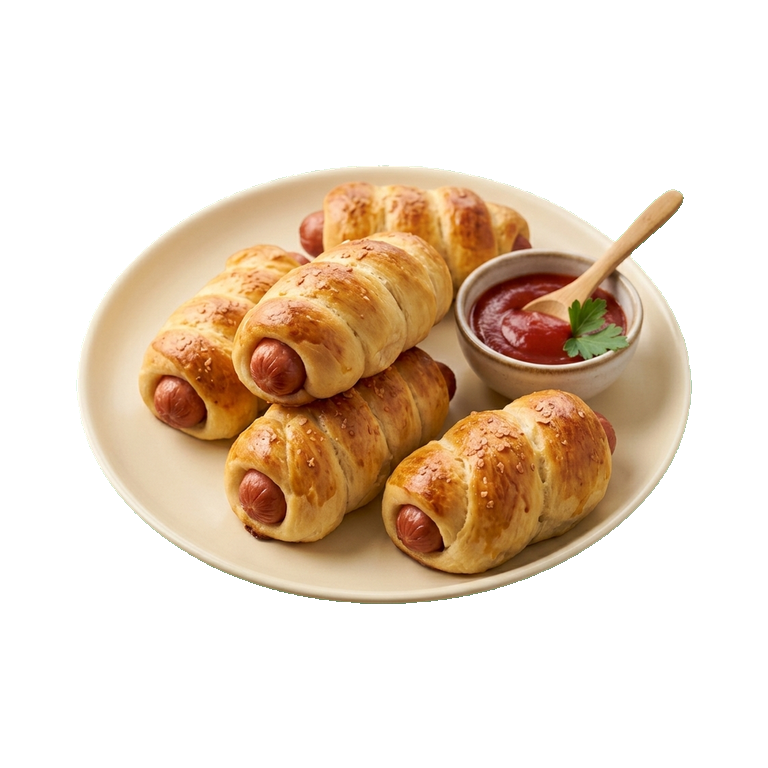
- Hot dogs and sandwiches — a classic choice for quick snacks
Cooking Methods
- Boiling — the gentlest method; sausages are immersed in hot water for 5–7 minutes
- Pan frying — gives a light crust and enhances aroma
- Grill or barbecue — for festive dishes and picnics
- Microwave — a quick option for those in a hurry; 1–2 minutes is enough
Successful Pairings
Viennese sausages pair well with potatoes in any form — from puree to crispy crust. They don't conflict with acidic ingredients like mustard, vinegar, or marinades. Vegetables — tomatoes, onions, bell peppers — highlight their delicate flavor. Herbs and spices (dill, parsley, black pepper) work without excessive aggression.
Selection and Storage
When choosing, pay attention to the integrity of the packaging and the production date. The casing should be smooth, without damage or sticky residue. Quality Vienna sausages have a uniform color and pleasant smell, without any foreign impurities.
- In the refrigerator — stored for 3–5 days in original packaging
- In the freezer — extends shelf life to 2–3 months; thaw in the refrigerator before cooking
- After opening the package — transfer to an airtight container to prevent absorption of foreign odors
Vienna sausages are an ingredient for those who value simplicity and speed. They require no lengthy preparation, behave well with any heating method, and will never spoil a dish with their aggressiveness. An ideal choice for everyday meals and light lunches.
Nutrition
per 100 g
- Calories
- 270 kcal
- Protein
- 12.3 g
- Fat
- 23.5 g
- Carbs
- 2.2 g
Micronutrients
per 100 g
Macronutrients
- Fiber
- 0 g
- Sugars
- 0 g
- Saturated fat
- 7.125 g
- Monounsaturated fat
- 9.628 g
- Polyunsaturated fat
- 1.29 g
- Omega-3 (EPA + DHA)
- 0 g
- Cholesterol
- 87 mg
- Water
- 64.9 g
Minerals
- Sodium
- 879 mg
- Potassium
- 101 mg
- Calcium
- 10 mg
- Magnesium
- 7 mg
- Phosphorus
- 49 mg
- Iron
- 0.88 mg
- Zinc
- 1.6 mg
- Copper
- 0.03 mg
- Selenium
- 16.9 mcg
Vitamins
- Vitamin A (RAE)
- 0 mcg
- Vitamin D
- 0.6 mcg
- Vitamin E
- 0.22 mg
- Vitamin K
- 1.6 mcg
- Vitamin C
- 0 mg
- Vitamin B1 (thiamin)
- 0.09 mg
- Vitamin B2 (riboflavin)
- 0.11 mg
- Vitamin B3 (niacin)
- 1.61 mg
- Vitamin B5 (pantothenic acid)
- 0.35 mg
- Vitamin B6
- 0.12 mg
- Vitamin B9 (folate, DFE)
- 4 mcg
- Vitamin B12
- 1 mcg
Measures and weight
- 1 pcs
- 45 g
Measure calculator
- Weight
- 100 g
- Calories
- 270 kcal