Usuba
Usuba
Liquid honey
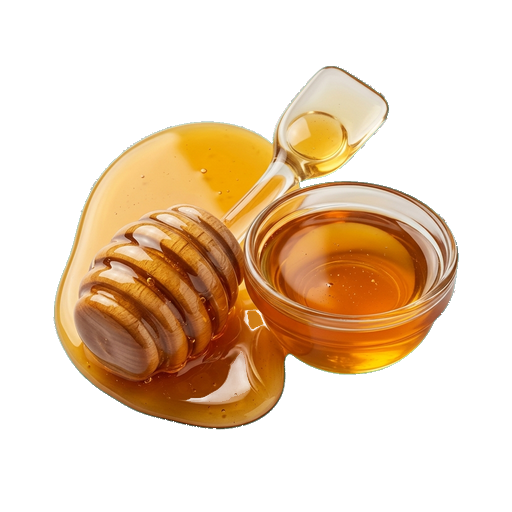
Liquid honey is honey in its natural flowing state, maintaining transparency and the ability to drip easily from a fork or spoon. It is used in baking, sauces, beverages, and glazes where a uniform consistency and quick distribution across a surface or into dough is needed. When selecting, pay attention to color and transparency — quality liquid honey should be light and uniform, without crystallization or sediment at the bottom.
Micronutrients
per 100 g
Minerals
About
Liquid honey is not a separate variety, but a state of the product in which it retains fluidity and does not crystallize. Such honey is convenient to work with: easy to measure, mix with other ingredients, use in drinks and sauces. If your honey has thickened at home, returning it to fluidity is simple — just place the jar in warm water for a few minutes.
Taste and Aroma
Liquid honey reveals its flavor notes more brightly than crystallized honey. It distributes faster across the taste receptors, allowing you to feel all the nuances — from floral sweetness to forest and fruity notes. The aroma remains rich and recognizable, especially if it's freshly harvested honey.
In cooking
- Honey drinks and cocktails — honey dissolves easily in cold and hot liquids
- Sauces and marinades — fluidity allows honey to be distributed evenly over the surface of meat or vegetables
- Baking and desserts — convenient for soaking cake layers, making glazes and creams
- Salad dressings — mixes with oil and vinegar without lumps
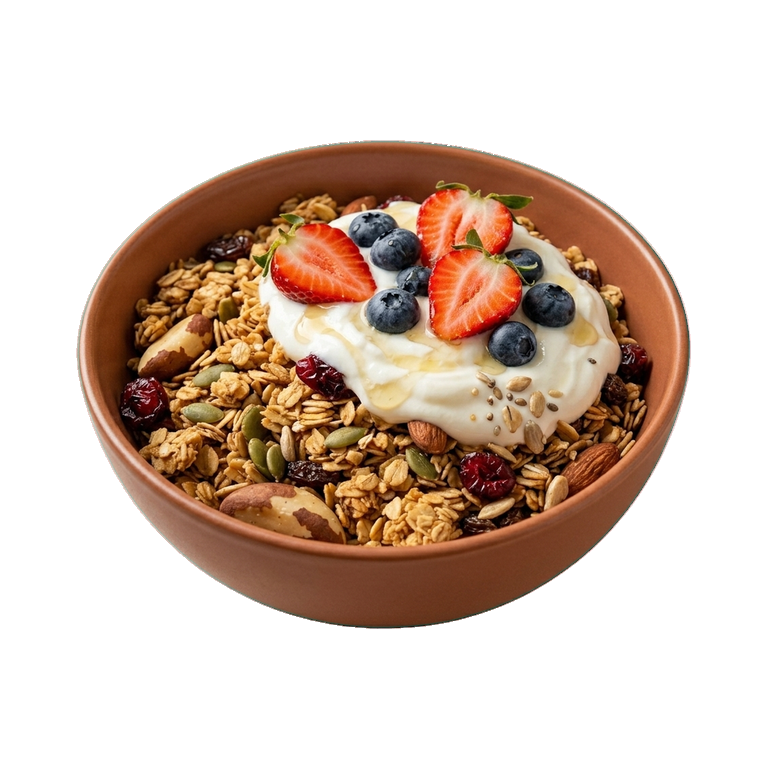
- Cereals and yogurts — absorbs quickly and sweetens the dish evenly
What pairs well with
Liquid honey is versatile. It works well with spices — cinnamon, ginger, cloves — in both sweet and savory dishes. It complements hot sauces perfectly, softening their heat. It forms a classic combination with dairy products, and when paired with bitterness (for example, with radish or mustard) creates an interesting contrast.
Selection and Storage
When purchasing, pay attention to transparency and uniformity — good liquid honey should be clear, without sediment or separation. If honey is too liquid, almost like water, this may indicate immaturity or dilution. Store in a tightly closed container in a dark place at room temperature — this way honey will retain its fluidity longer and will not absorb moisture from the air.
If you prefer to work with liquid honey, choose light varieties — they crystallize more slowly than dark ones. Dark honey is thicker and solidifies faster, but it contains more minerals and has a more pronounced flavor.
Nutrition
per 100 g
- Calories
- 327 kcal
- Protein
- 0.8 g
- Fat
- 0 g
- Carbs
- 80.3 g
Micronutrients
per 100 g
Macronutrients
- Fiber
- 0.2 g
- Sugars
- 82.12 g
- Saturated fat
- 0 g
- Monounsaturated fat
- 0 g
- Polyunsaturated fat
- 0 g
- Omega-3 (EPA + DHA)
- 0 g
- Cholesterol
- 0 mg
- Water
- 17.1 g
Minerals
- Sodium
- 4 mg
- Potassium
- 52 mg
- Calcium
- 6 mg
- Magnesium
- 2 mg
- Phosphorus
- 4 mg
- Iron
- 0.42 mg
- Zinc
- 0.22 mg
- Copper
- 0.04 mg
- Manganese
- 0.08 mg
- Selenium
- 0.8 mcg
Vitamins
- Vitamin A (RAE)
- 0 mcg
- Vitamin D
- 0 mcg
- Vitamin E
- 0 mg
- Vitamin K
- 0 mcg
- Vitamin C
- 0.5 mg
- Vitamin B1 (thiamin)
- 0 mg
- Vitamin B2 (riboflavin)
- 0.04 mg
- Vitamin B3 (niacin)
- 0.12 mg
- Vitamin B5 (pantothenic acid)
- 0.07 mg
- Vitamin B6
- 0.02 mg
- Vitamin B9 (folate, DFE)
- 2 mcg
- Vitamin B12
- 0 mcg
Measures and weight
- 1 tbsp
- 21 g
- 1 tsp
- 7 g
- 1 cup
- 350 g
Measure calculator
- Weight
- 100 g
- Calories
- 327 kcal