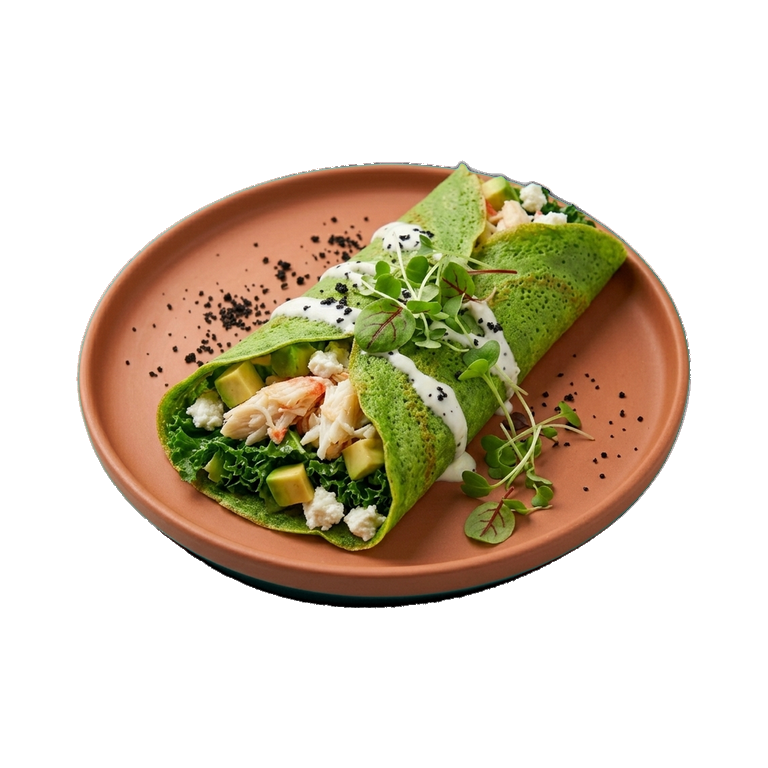
Usuba
Usuba
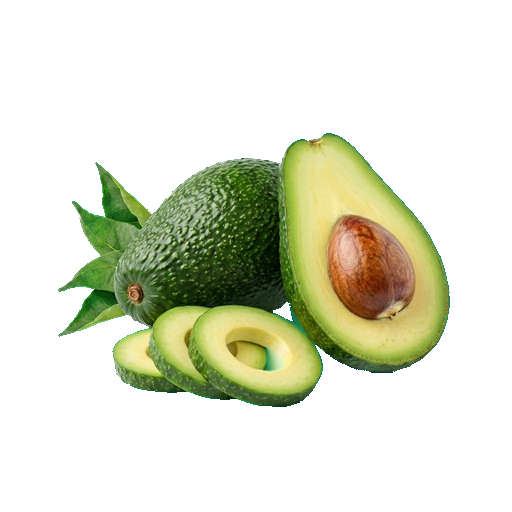
Avocado
Avocado is a fruit with soft, creamy flesh and a neutral, slightly nutty flavor that readily absorbs the tastes of other ingredients. It is used in salads, guacamole, sushi, sandwiches, and cold appetizers, as well as added to smoothies and desserts. When choosing, focus on softness under gentle pressure — ripe avocado yields to pressure but should not be mushy. As a substitute, soft cottage cheese or yogurt can be used in some dishes, though the flavor will be noticeably different.
About
Avocado is a fruit that radically changed the perception of what can be fatty and yet healthy. Its soft, creamy flesh doesn't require lengthy processing, and its neutral flavor makes it a versatile companion in the kitchen: from breakfast to dessert. The main thing is to catch the moment of ripeness, otherwise you can end up with either a hard stone or brown mush.
Taste and texture
Ripe avocado has almost no pronounced flavor — this is its strength, not a weakness. Instead, you get a buttery, tender consistency that literally melts in your mouth. A light herbaceous note and nutty undertone only reveal themselves if you listen carefully. Unripe avocado is firm and tasteless, overripe avocado quickly darkens and becomes bitter.
Role in dishes
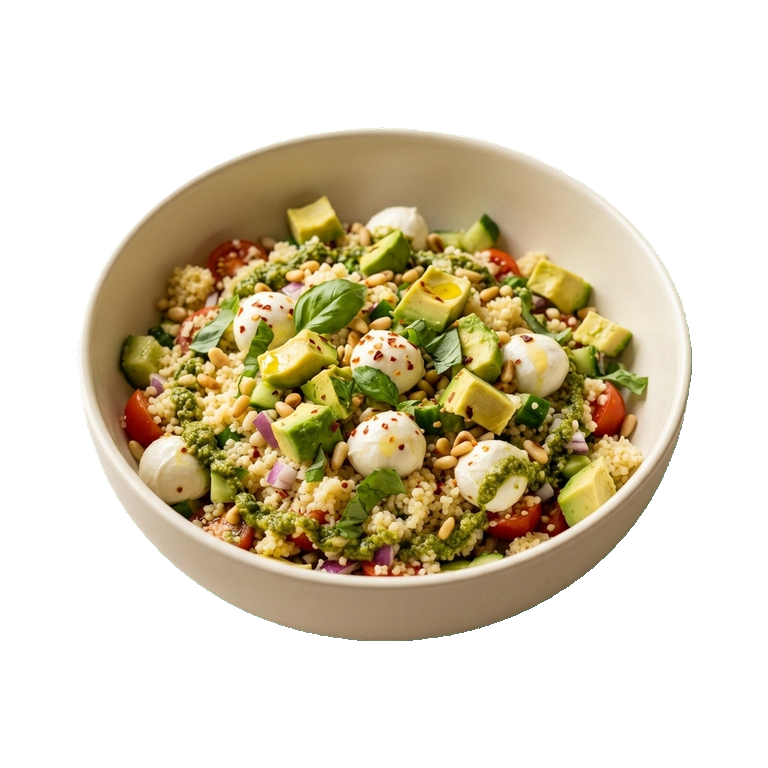
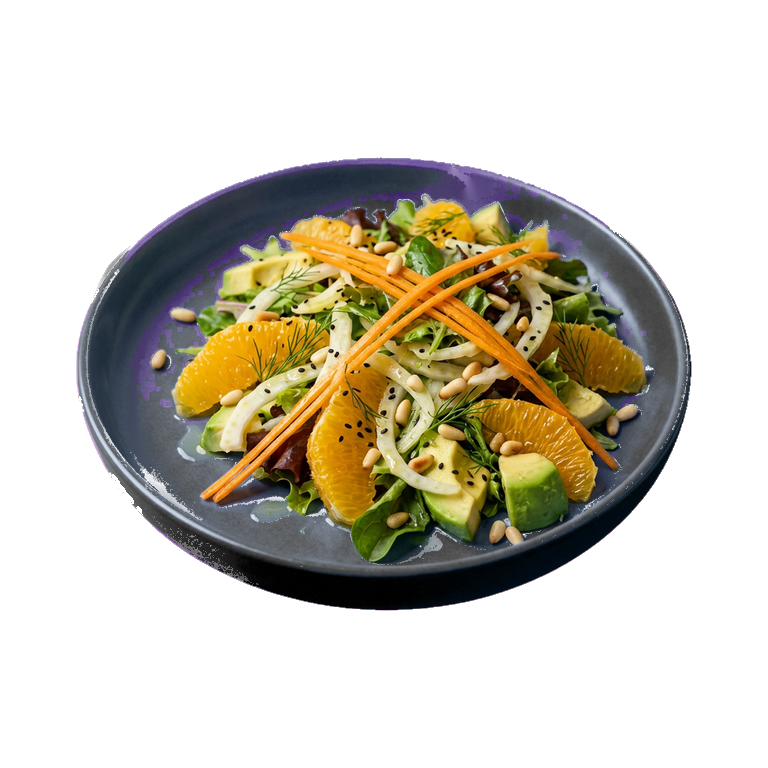
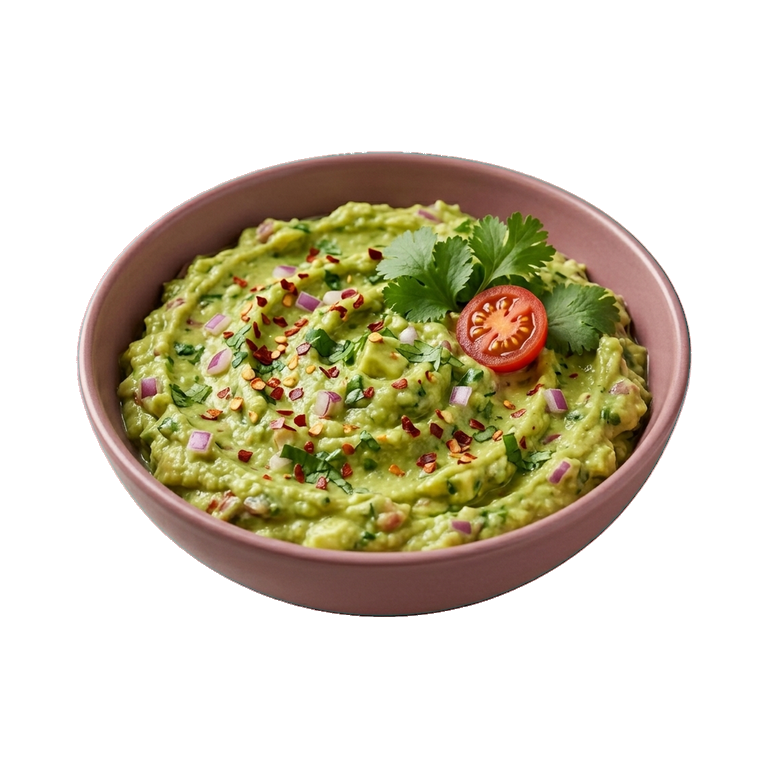
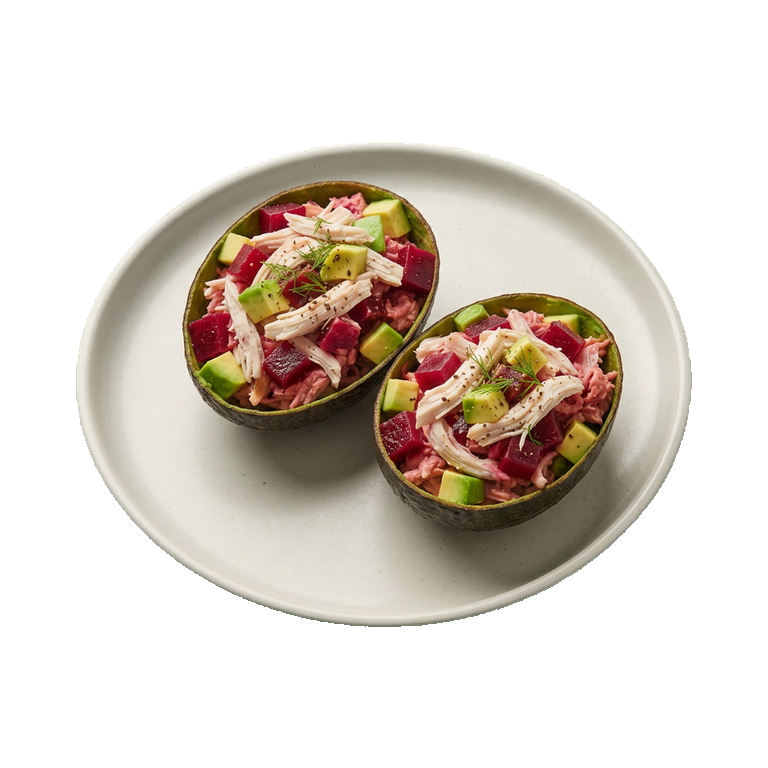
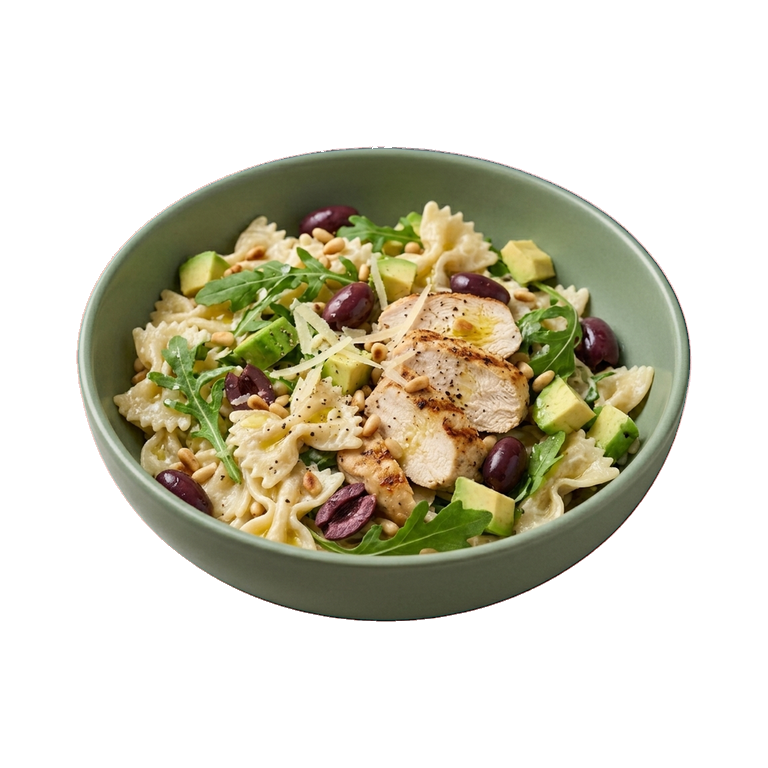
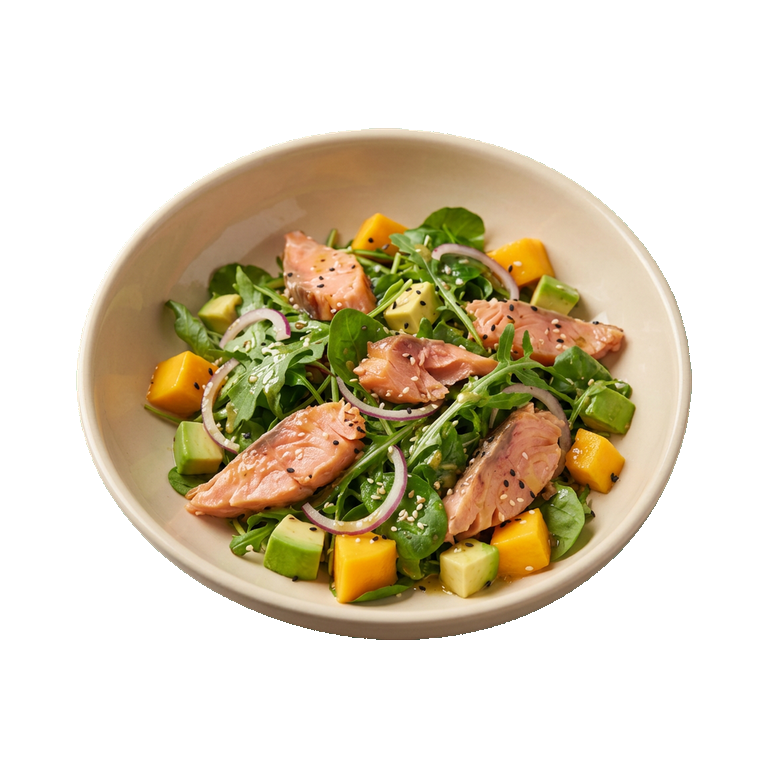
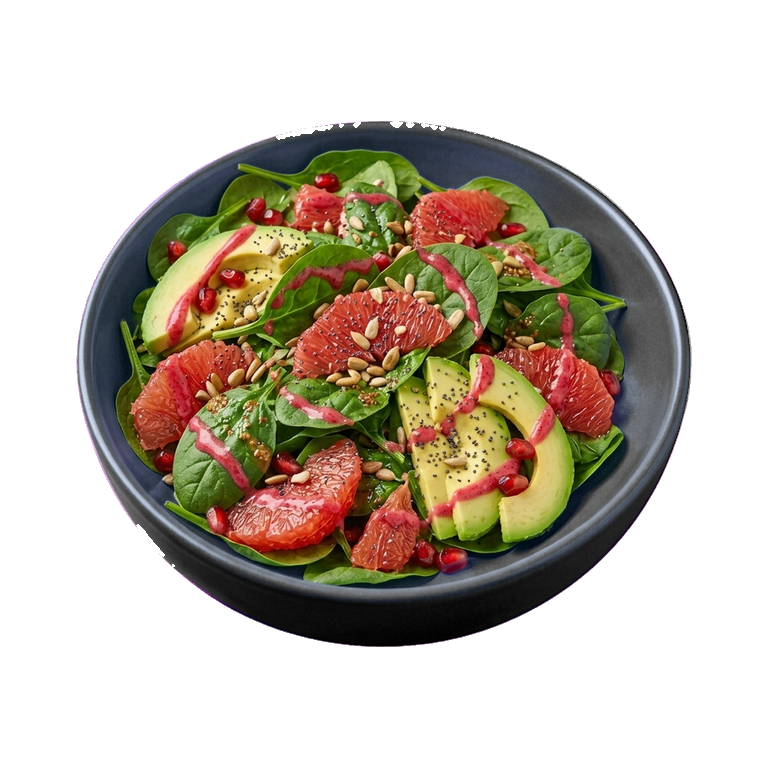
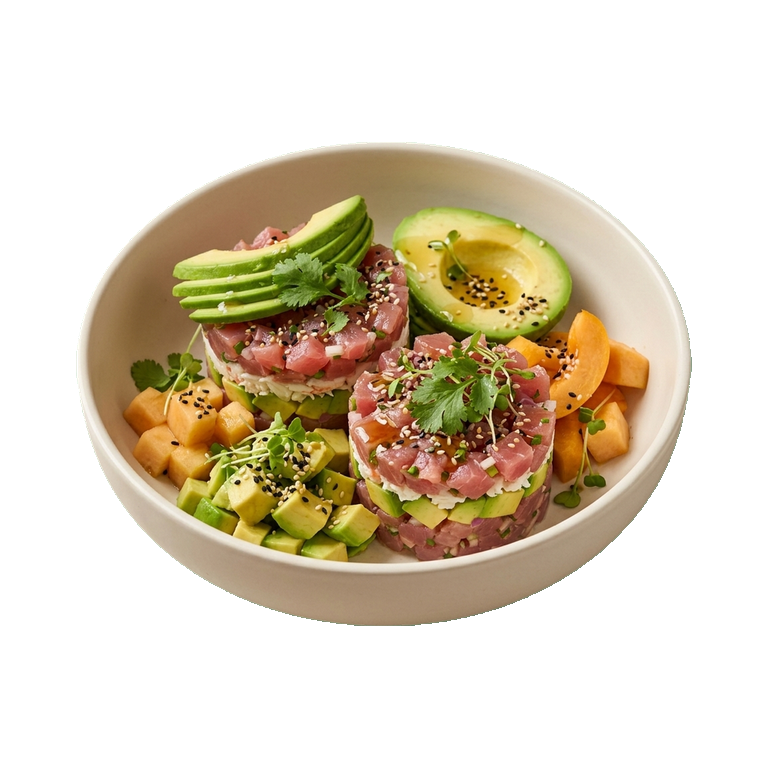
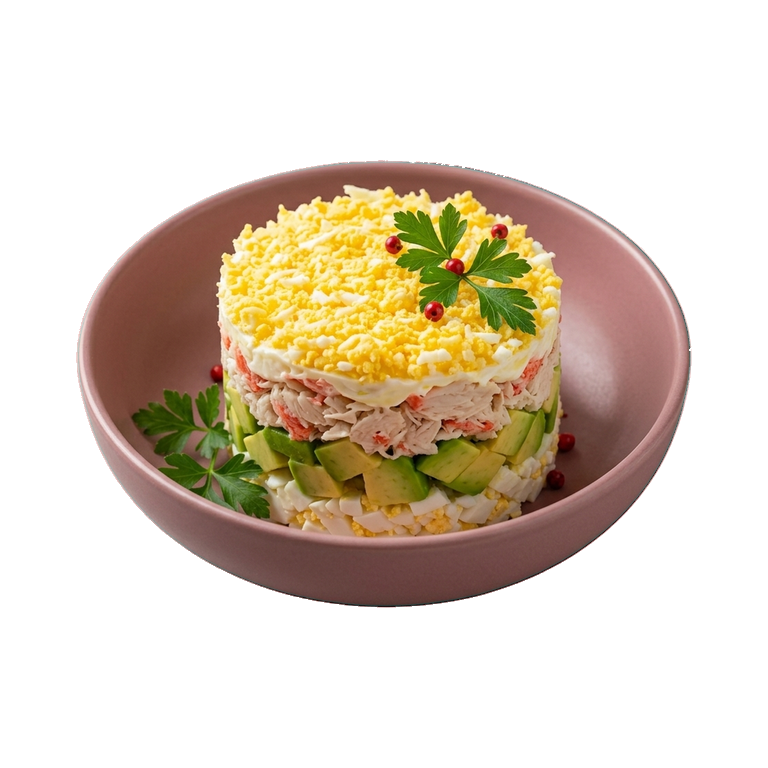
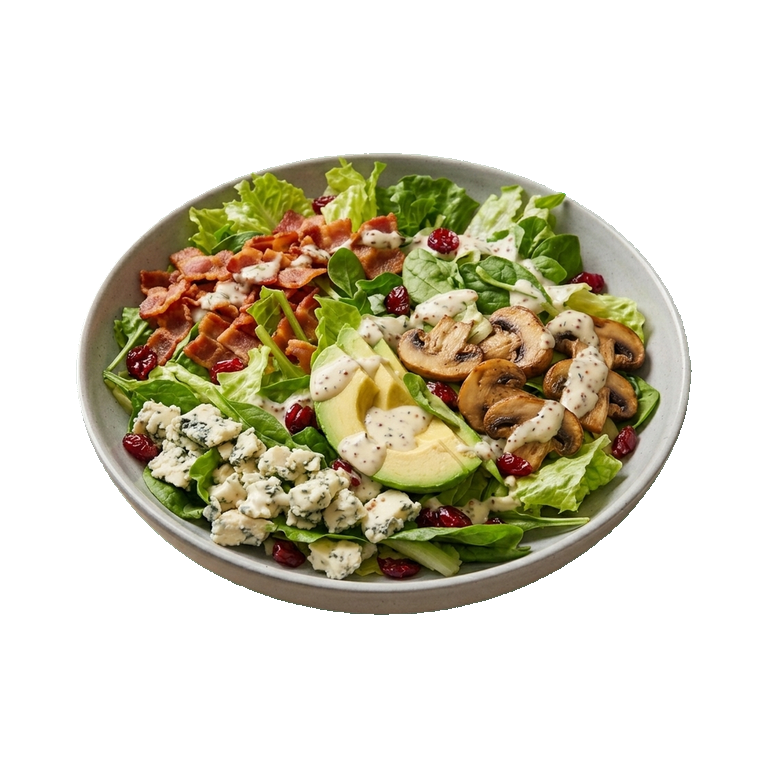
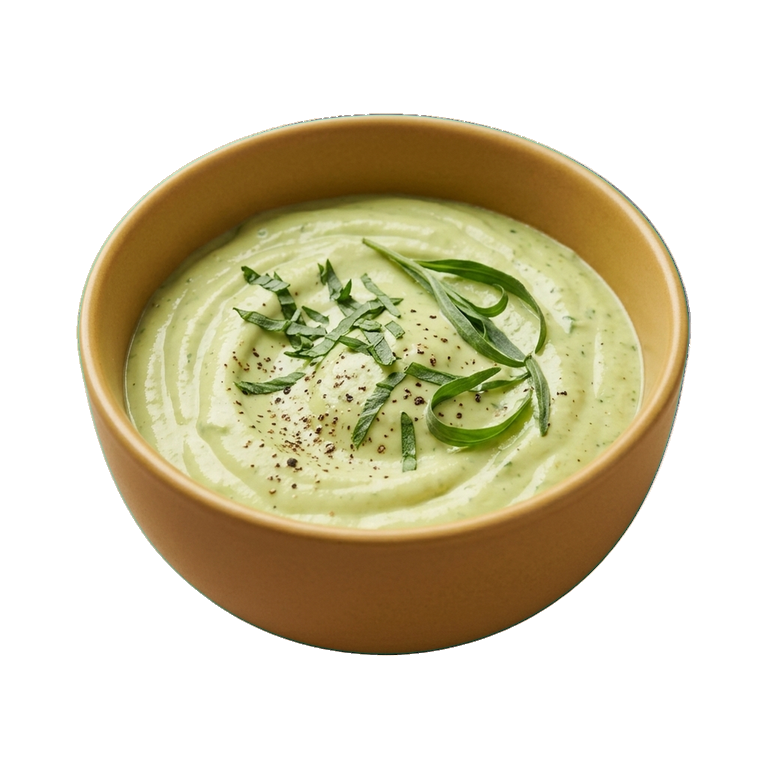
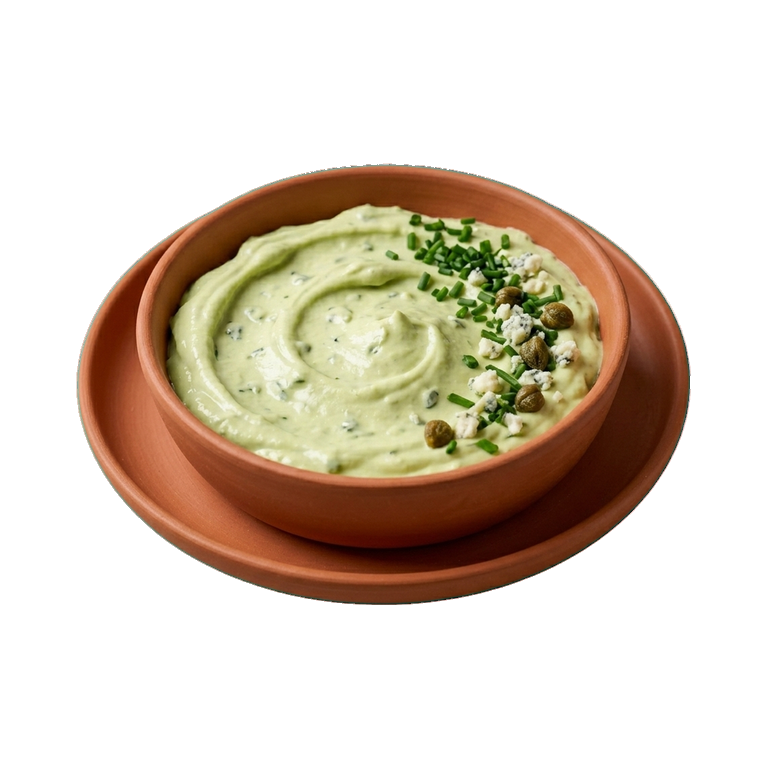
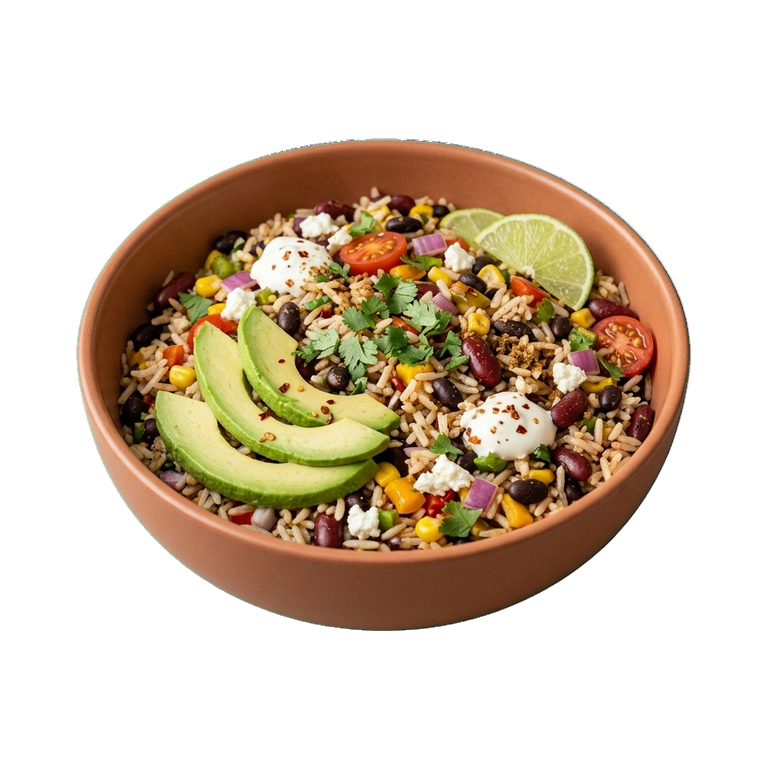
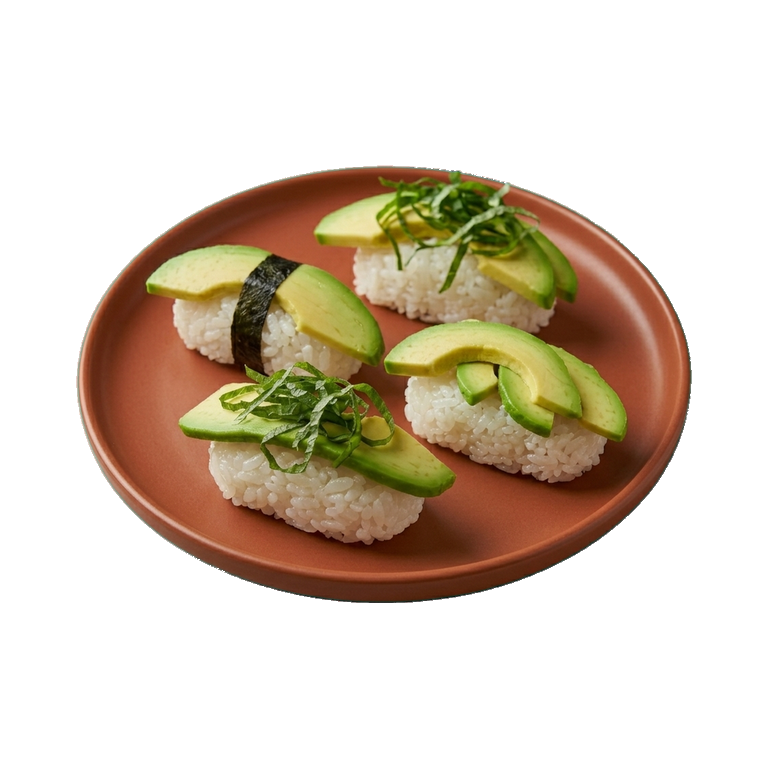
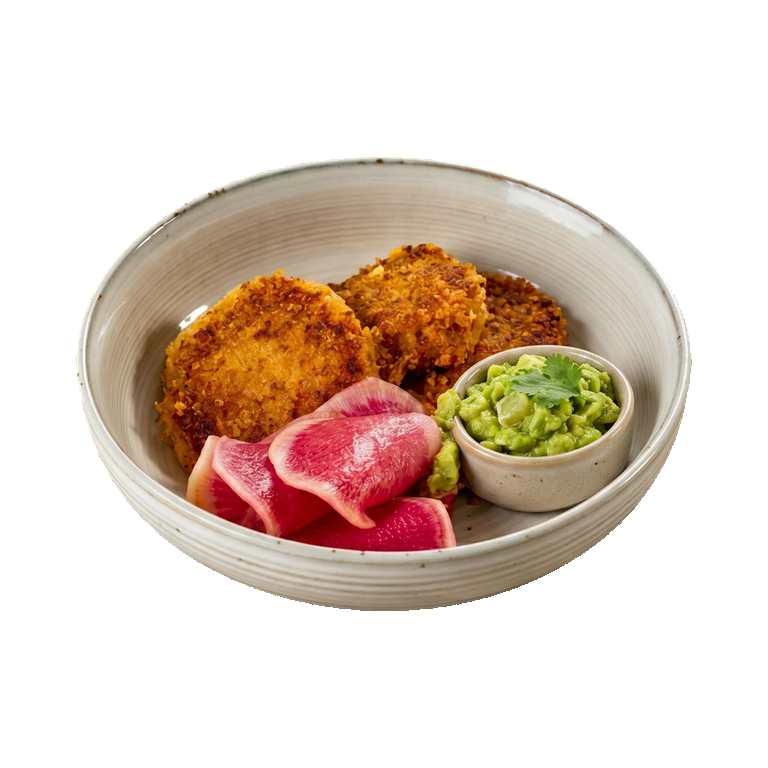
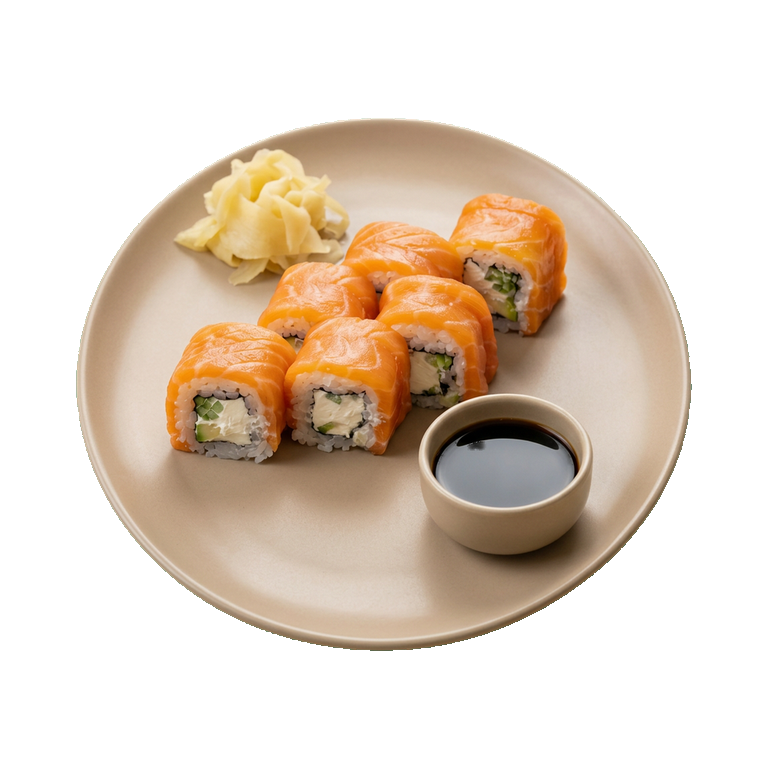
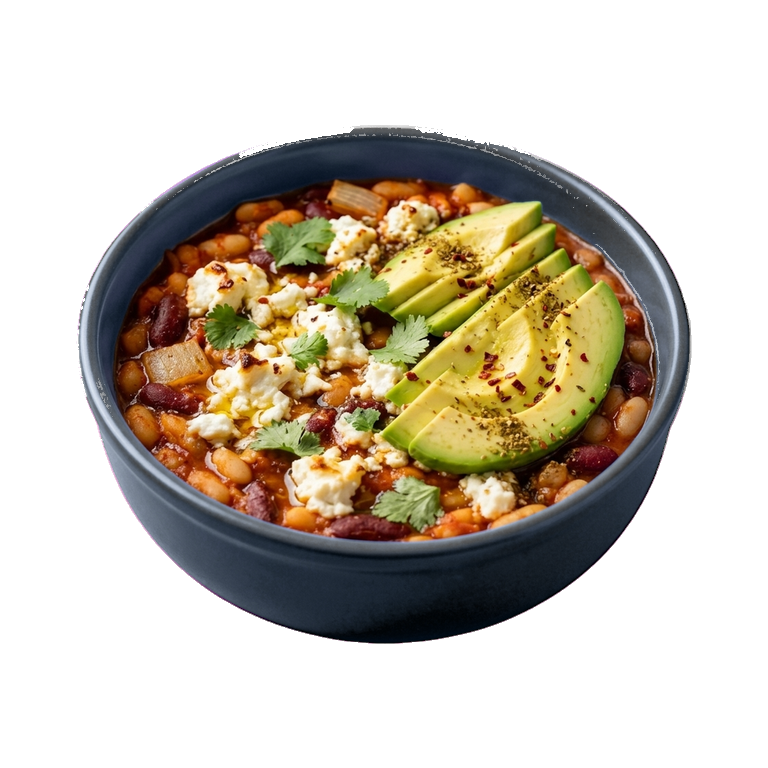
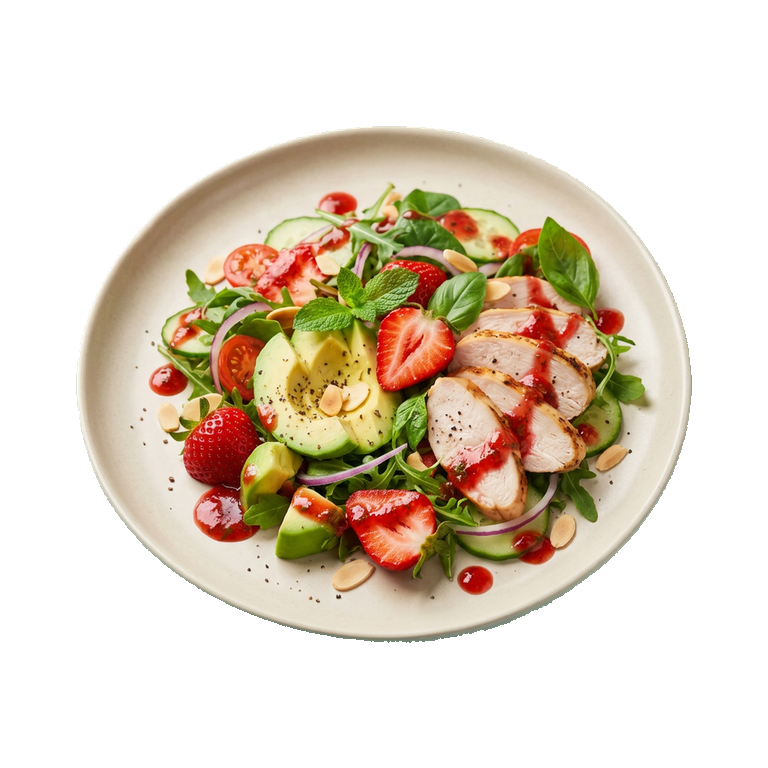
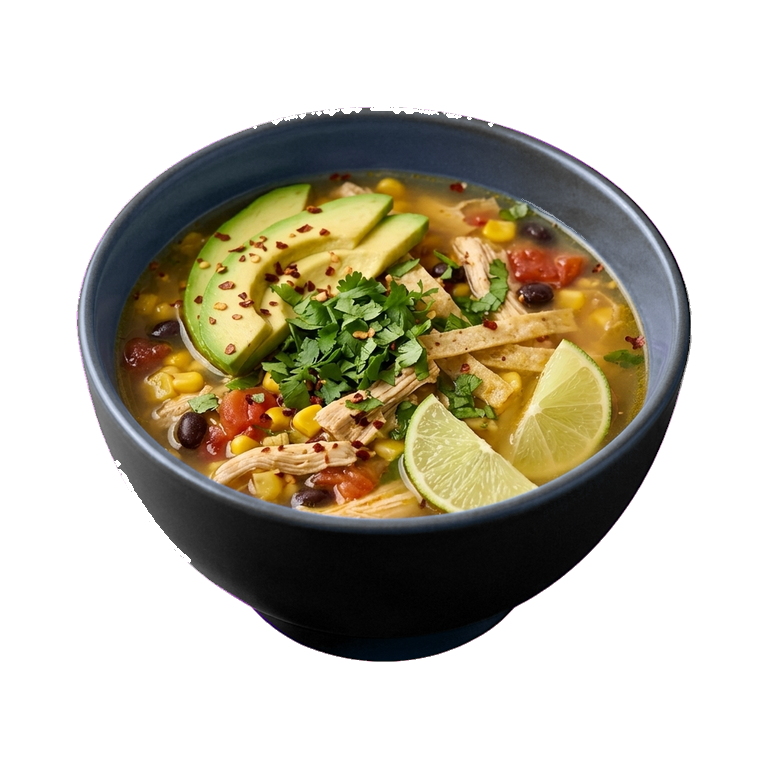
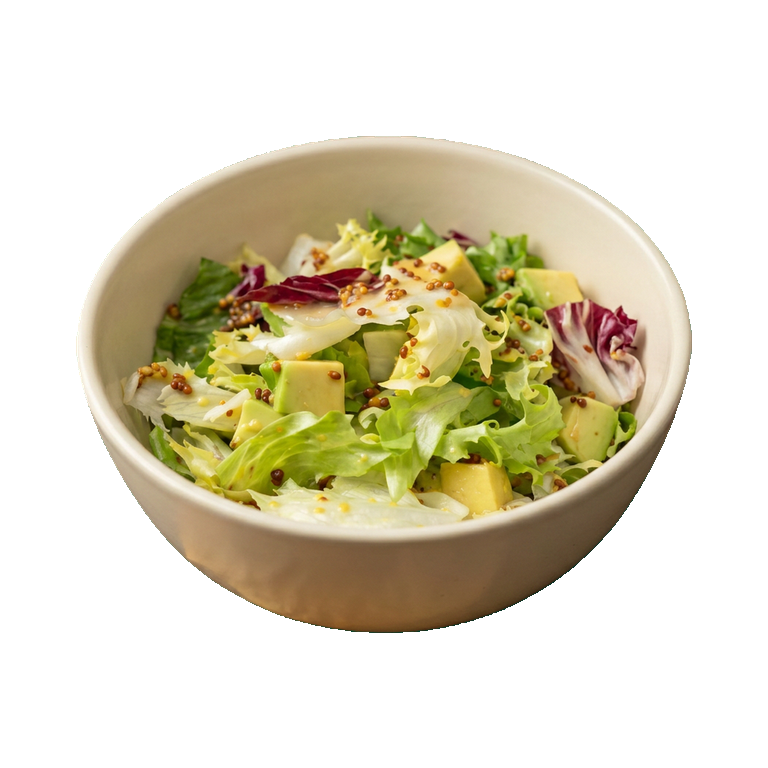
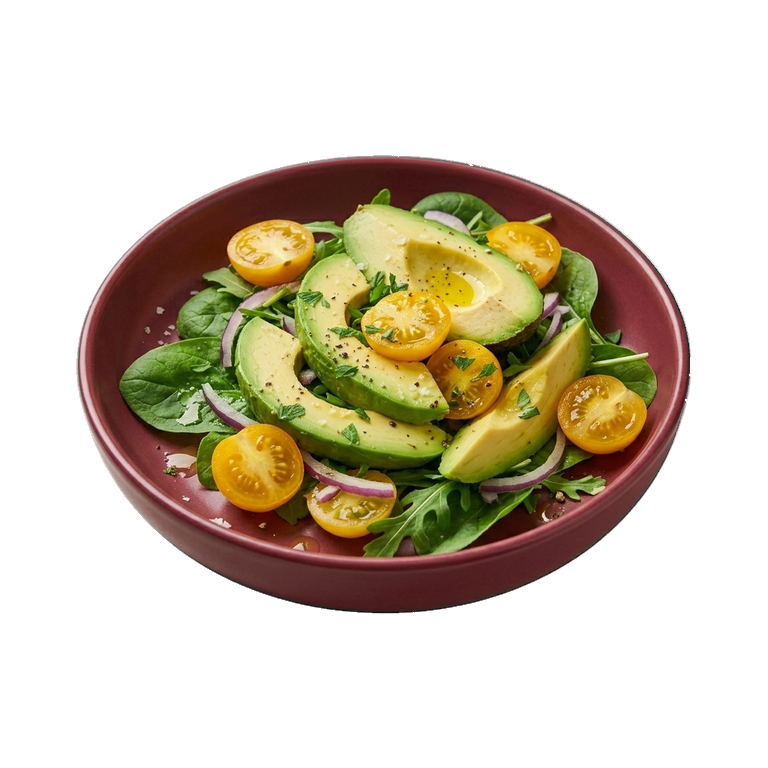
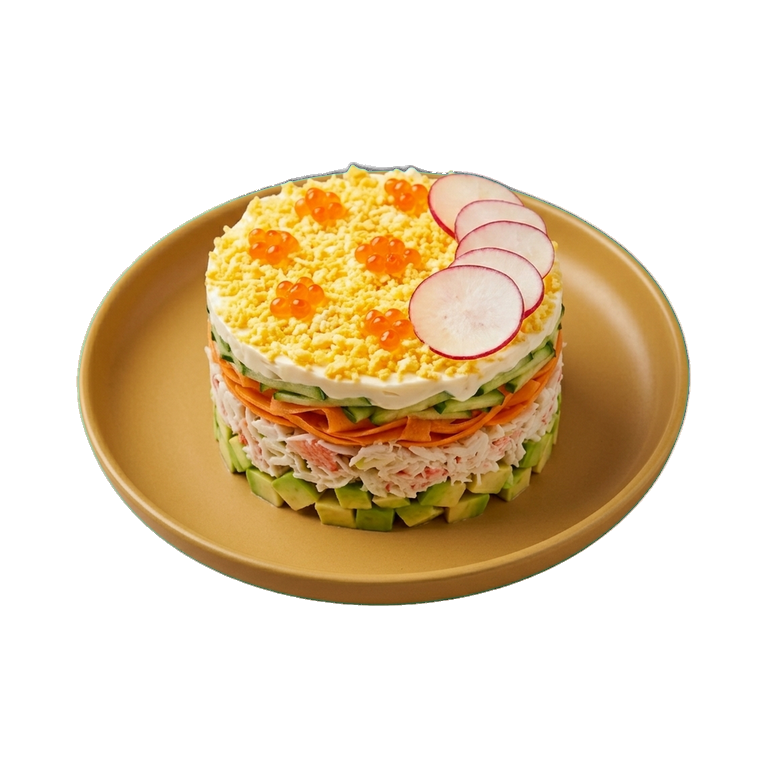
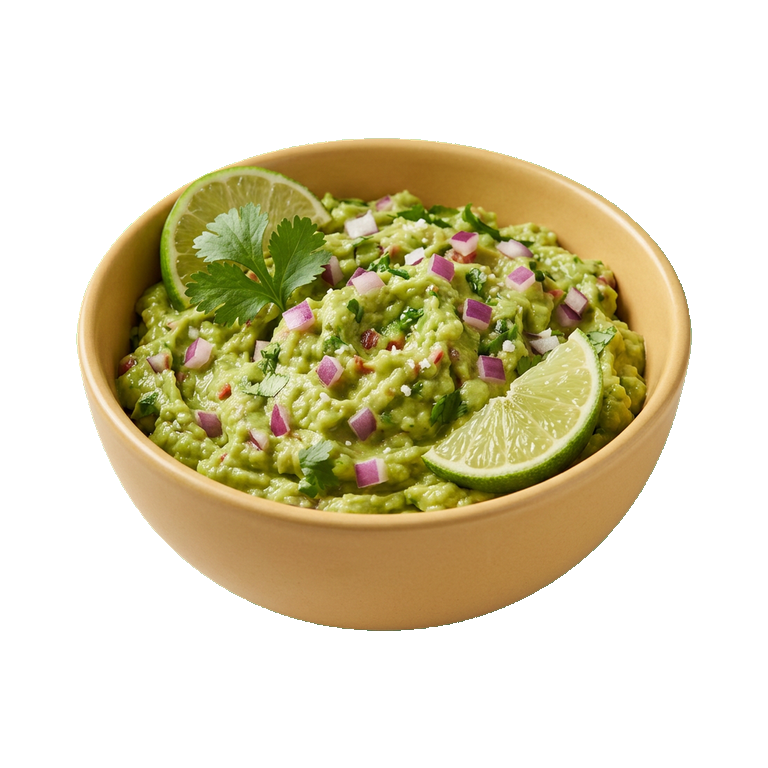
Avocado is rarely subjected to heat treatment — it loses its texture and becomes bitter. Its place is in raw form: sliced on toast with salt and lemon, in salads where it adds creaminess, in guacamole where it becomes the base, and in sushi where it serves as a delicate contrasting filling. Avocado puree works well in cold soups and sauces, giving them creaminess without cream.
- Lemon and lime — acid protects avocado from browning and enhances its taste
- Tomatoes and cucumbers — fresh vegetables contrast well with the richness
- Spicy spices — chili and pepper awaken the neutral flavor
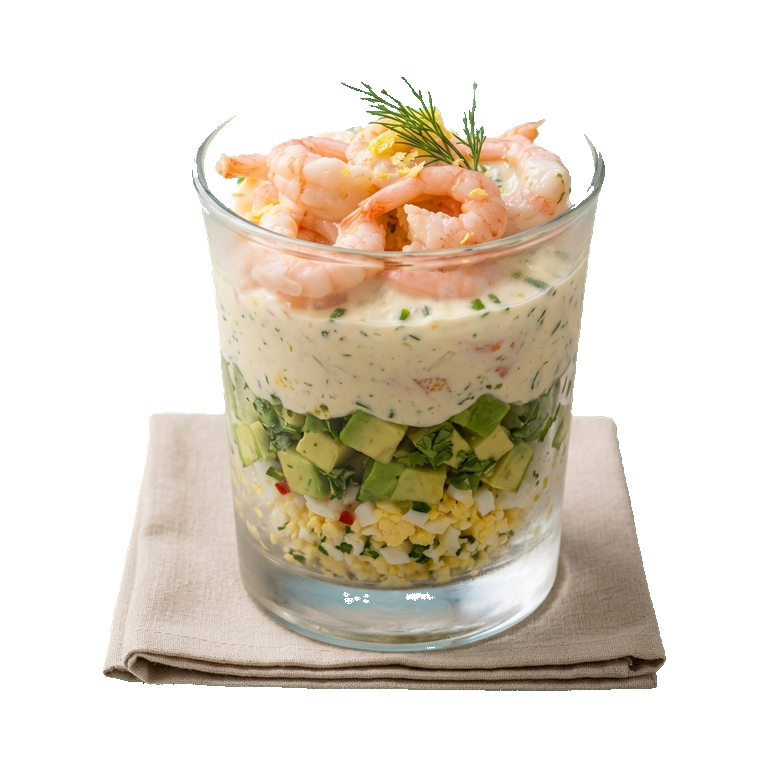
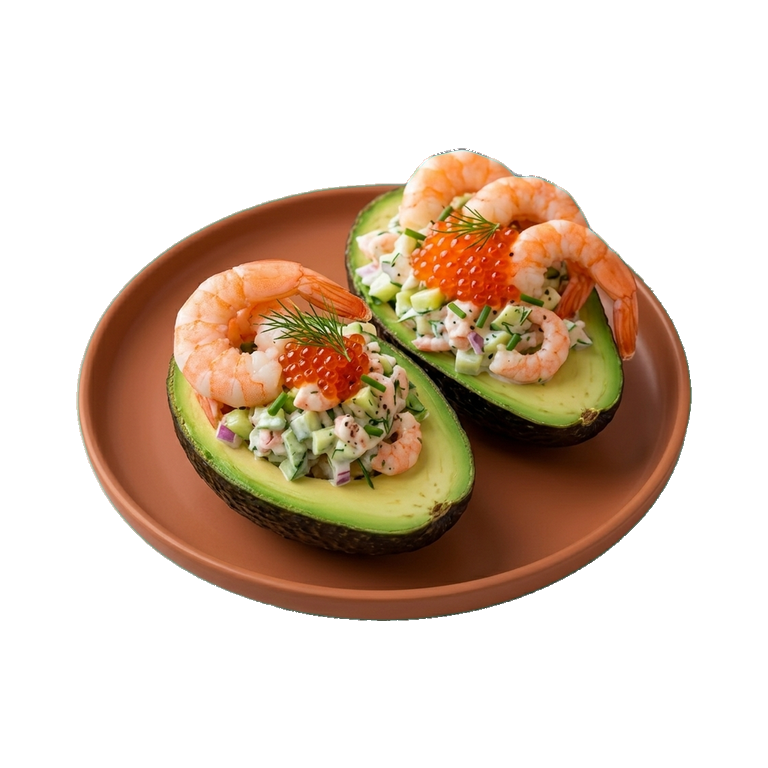
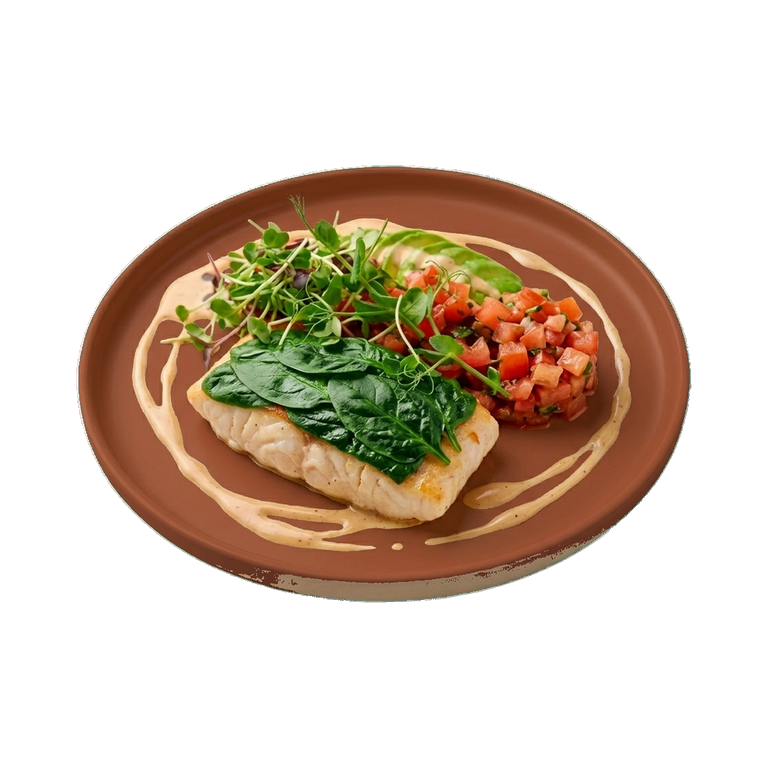
- Seafood — avocado gently complements shrimp, crabs, and fish
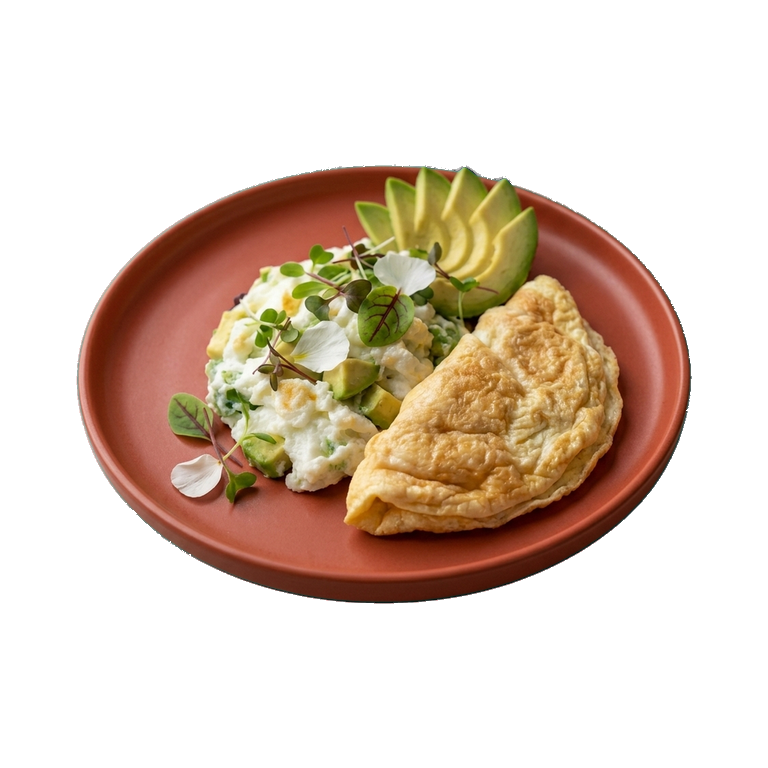
- Eggs — a classic breakfast combination thanks to similar texture
Selection and Storage
When selecting an avocado, squeeze it gently in your palm — a ripe fruit will yield to soft pressure but won't collapse completely. If the avocado is hard, buy it a few days before use and leave it at room temperature in a paper bag. To speed up ripening, place a banana or apple nearby — they release ethylene. A ripe avocado keeps in the refrigerator for up to a week, but it's best to use it on the day of purchase. If you've cut the fruit, leave the pit in the unused half, spray it with lemon juice, and wrap it in plastic wrap — this will slow down browning.
Never cut avocado in advance: the flesh quickly darkens in air. Prepare it right before serving or use lemon juice as protection from oxidation.
Practical Tips
- Cut the avocado along the pit, rotate the halves in opposite directions and carefully pull out the pit with a spoon
- Use a sharp knife for slicing — a dull tool slides and damages the flesh
- If the avocado is overripe but you need a beautiful slice, put it in the refrigerator for an hour — it will harden slightly
- Don't throw away the pit: you can sprout it in water on a windowsill as a decorative plant
Nutrition
per 100 g
- Calories
- 160 kcal
- Protein
- 2 g
- Fat
- 15 g
- Carbs
- 9 g
Measures and weight
- 1 pcs
- 150 g
Measure calculator
- Weight
- 100 g
- Calories
- 160 kcal