Usuba
Usuba
Beer
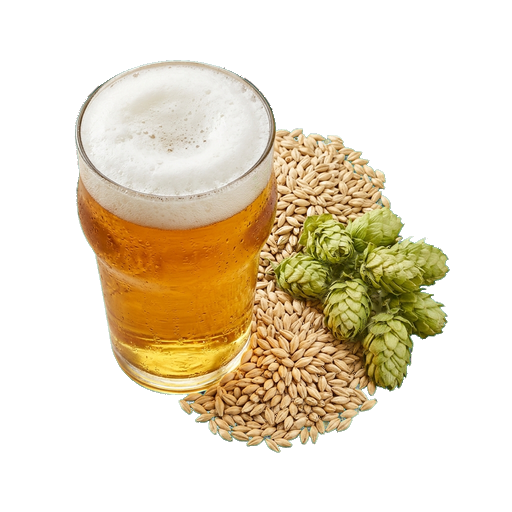
Beer is a fermented grain beverage with hops, distinguished by a bitter taste and low alcohol content. In cooking, it is used for marinades, braising meat and fish, adding depth and subtle bitterness to dishes, and is also included in some sauces and doughs. When choosing beer for cooking, it's worth considering that light beer adds lightness, while dark beer contributes richness and sweet notes, so substituting one for another can significantly change the flavor profile of a dish.
Micronutrients
per 100 ml
Minerals
About
Beer in cooking: more than just a beverage
Beer is one of the most underestimated ingredients in the kitchen. Many people think of it only as a beverage, but in reality it is a powerful culinary tool. Carbonation helps dough rise, malt adds depth of flavor, and the bitterness of hops balances fatty and sweet dishes. Different beer styles work differently: light lager provides lightness, dark stout provides richness, wheat beer provides airiness.
Where beer works on taste
In dough, beer creates an ideal structure: carbon dioxide puffs up the dough, while alcohol evaporates when heated, leaving a light, crispy crumb. Classics include batter for fish and vegetables, coating for chicken, dough for donuts. In sauces, beer is added to meat, especially beef and pork: it tenderizes the meat, adds complexity, and removes excess fat. Dark beer works well in stews and braised dishes, light beer in light marinades and fish sauces.
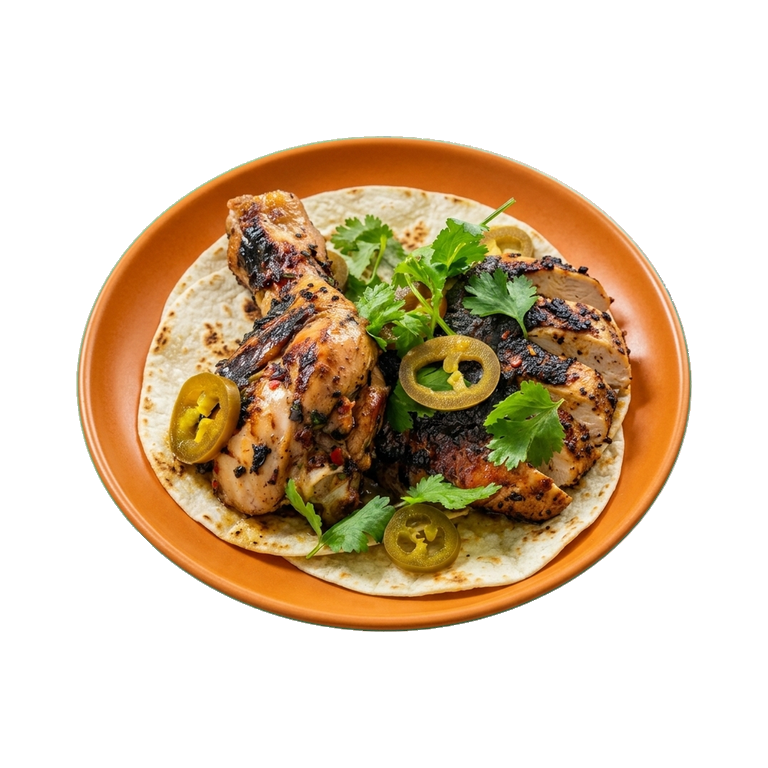
- Batter and breading — fish, seafood, vegetables, meat
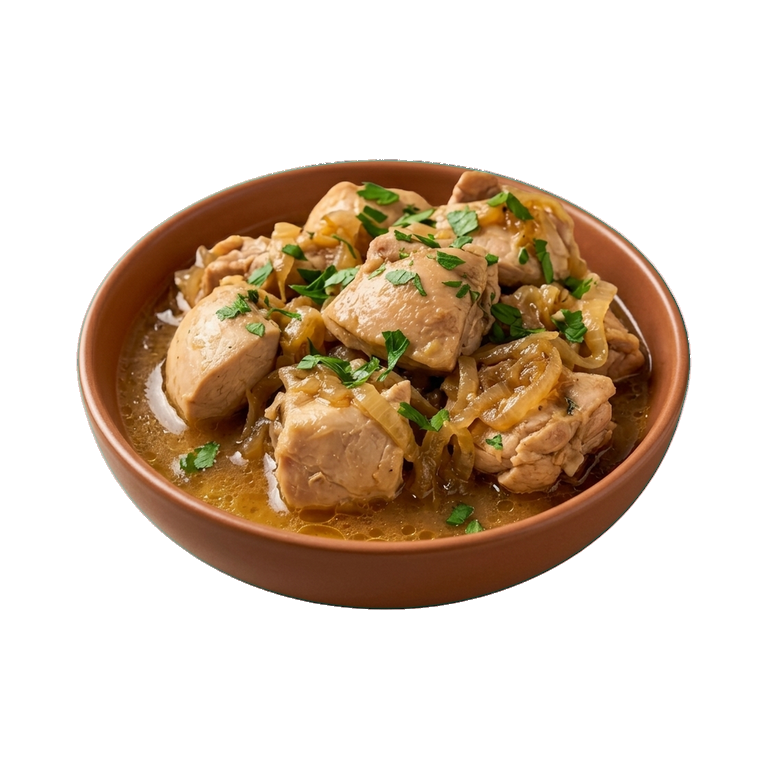
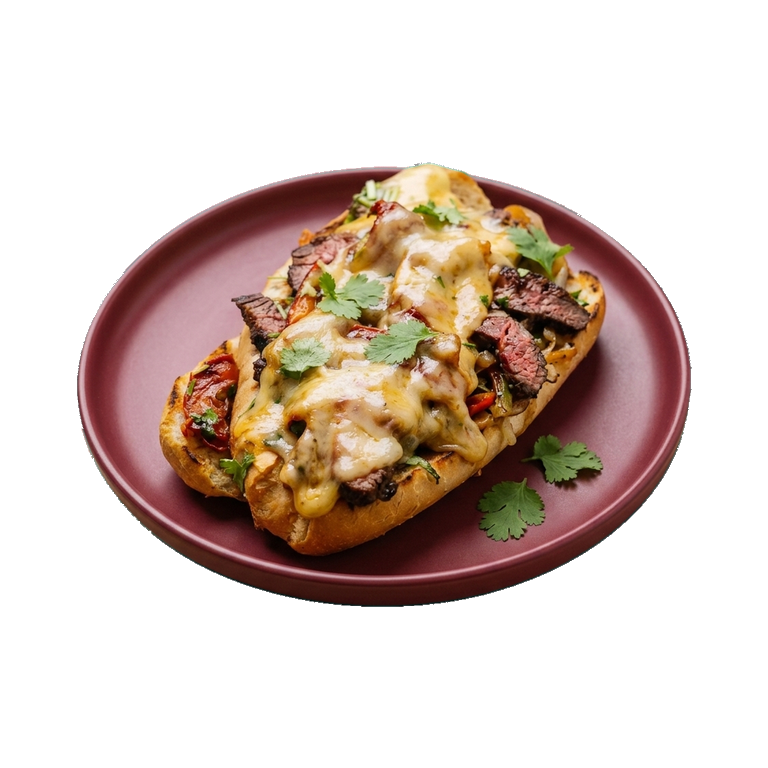
- Stewed dishes — beef, pork, rabbit with beer sauce
- Marinades and brines — for meat before smoking or grilling
- Desserts — pastries, cakes, ice cream with stout or porter
- Soups — French onion soup with beer, cream soups with seafood
How to Choose Beer for Cooking
Main rule: cook with beer you're ready to drink. If you like the drink, its flavor will work in the dish too. For batter, use light, fresh beer — it will give a crispy crust. For meat sauces, choose something with character: ale, porter, stout. For desserts — beer with fruity or chocolate notes. Avoid very bitter beer if you're unsure: bitterness can overpower other flavors. Strength matters too: alcohol evaporates during cooking, but in batter its percentage affects the texture.
Practical Tips
- Before using, let the beer sit at room temperature — carbon dioxide will partially escape, and the dough will be easier to work with
- Add beer to the batter at the last moment before frying to preserve the bubbles
- For sauces, add beer at the beginning so the alcohol evaporates while the flavor remains
- Use an open bottle within a day — beer quickly loses gas and oxidizes
- If a recipe calls for half a glass of beer, don't pour out the rest: use it in the next dish or drink it yourself
Beer is not just a filler ingredient. It's an ingredient with its own character that can dramatically change a dish. Try adding it to your favorite recipe and feel the difference: the meat will become more tender, the sauce — deeper, and the batter — crispier.
Nutrition
per 100 ml
- Calories
- 43 kcal
- Protein
- 0.5 g
- Fat
- 0 g
- Carbs
- 3.8 g
Micronutrients
per 100 ml
Macronutrients
- Fiber
- 0 g
- Sugars
- 0 g
- Saturated fat
- 0 g
- Monounsaturated fat
- 0 g
- Polyunsaturated fat
- 0 g
- Omega-3 (EPA + DHA)
- 0 g
- Cholesterol
- 0 mg
- Water
- 91.96 g
Minerals
- Sodium
- 4 mg
- Potassium
- 27 mg
- Calcium
- 4 mg
- Magnesium
- 6 mg
- Phosphorus
- 14 mg
- Iron
- 0.02 mg
- Zinc
- 0.01 mg
- Copper
- 0.01 mg
- Manganese
- 0.01 mg
- Selenium
- 0.6 mcg
Vitamins
- Vitamin A (RAE)
- 0 mcg
- Vitamin D
- 0 mcg
- Vitamin E
- 0 mg
- Vitamin K
- 0 mcg
- Vitamin C
- 0 mg
- Vitamin B1 (thiamin)
- 0.01 mg
- Vitamin B2 (riboflavin)
- 0.03 mg
- Vitamin B3 (niacin)
- 0.51 mg
- Vitamin B5 (pantothenic acid)
- 0.04 mg
- Vitamin B6
- 0.05 mg
- Vitamin B9 (folate, DFE)
- 6 mcg
- Vitamin B12
- 0 mcg
Measures and weight
- 1 tbsp
- 15 g
- 1 tsp
- 5 g
- 1 cup
- 250 g
Measure calculator
- Weight
- 100 g
- Calories
- 43 kcal