Usuba
Usuba
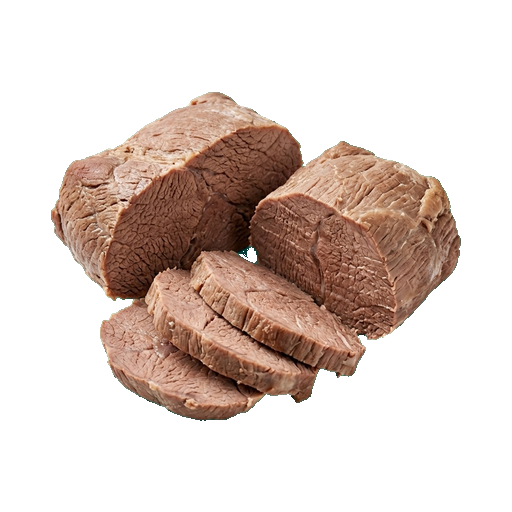
Boiled beef
Boiled beef is pre-cooked meat ready for use in various dishes. The meat becomes tender, the fibers lose their elasticity, and the broth absorbs all the nutrients. This product saves time when preparing soups, salads, stews, and cold appetizers, although prolonged boiling may cause some loss of flavor, so for a more pronounced meaty aroma, it is better to use fresh meat or add spices and vegetables during the boiling process.
Micronutrients
per 100 g
Minerals
About
Boiled beef is a ready-made ingredient that saves time in the kitchen and opens up many possibilities for quick dishes. The meat has already been heat-treated, so it can be used immediately: add it to a salad, soup, appetizer, or hot dish. This approach is especially convenient when you need to cook without long waiting times.
Texture and Taste
Boiled beef has a soft, slightly fibrous texture. The taste of the meat depends on the quality of the original product and the cooking method: if the meat was cooked with vegetables, herbs, and spices, it will absorb these aromas. Typically, boiled beef turns out tender, but without the crispy crust that appears when frying. This allows it to absorb sauces and seasonings well as part of other dishes.
Role in Dishes
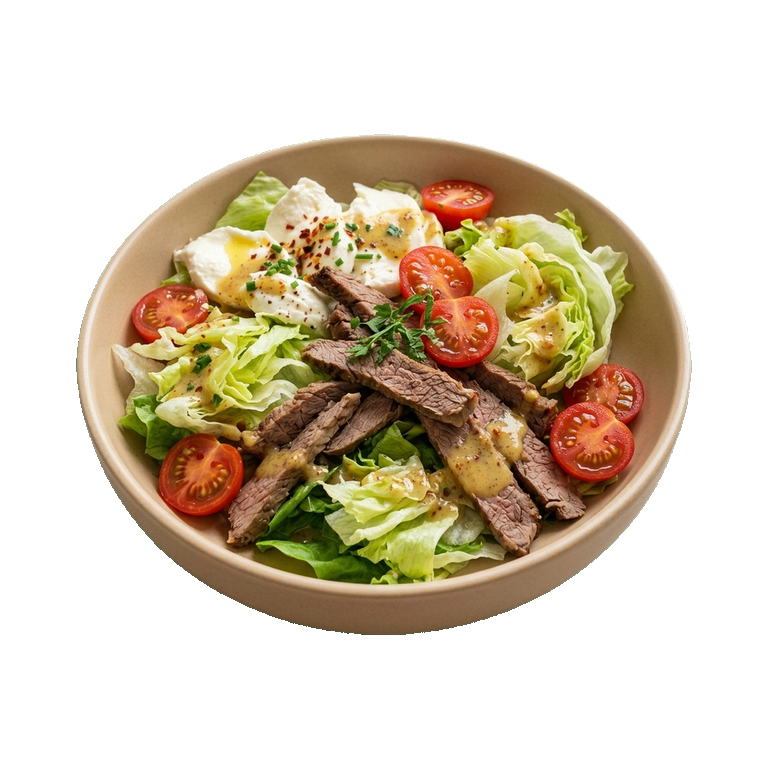
- Cold appetizers and salads — meat is sliced or diced, mixed with vegetables and dressing
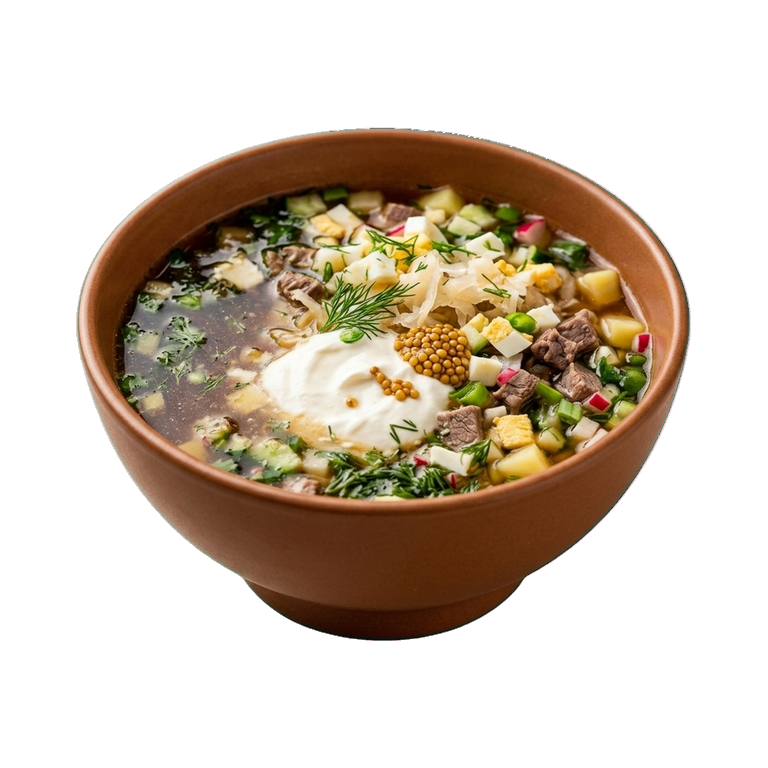
- Soups — pieces of cooked meat are added to ready-made broth or vegetable soup a few minutes before serving
- Hot dishes — used in borscht, stews, pilafs and other combined dishes
- Pâtés and terrines — minced cooked meat serves as the base for pâtés and appetizers
- Sandwiches and subs — thinly sliced meat is layered between slices of bread with vegetables and sauce
Successful Combinations
Boiled beef works well with sour and spicy elements: vinegar, mustard, horseradish, lemon. It pairs well with root vegetables — beets, potatoes, carrots — and herbs: dill, parsley, tarragon. In cold dishes it is complemented with mayonnaise or sour cream, in hot dishes — with meat or vegetable broth.
Selection and Storage
- Look for meat of uniform color, without gray coating and unpleasant odor
- Check the expiration date and storage conditions on the package
- The texture should be dense, but not tough, easily cut with a knife
- Cooked beef is stored in the refrigerator for 3-4 days in an airtight container
- Can be frozen for up to 2-3 months in the freezer
If you are cooking boiled beef yourself, boil the meat in salted water with vegetables and spices for 1.5-2 hours depending on the size of the piece. The cooked meat will cool to room temperature in the broth — this way it will remain juicier. This broth can then be used for soups and sauces.
Nutrition
per 100 g
- Calories
- 180 kcal
- Protein
- 25.2 g
- Fat
- 8.5 g
- Carbs
- 0 g
Micronutrients
per 100 g
Macronutrients
- Fiber
- 0 g
- Sugars
- 0 g
- Saturated fat
- 1.154 g
- Monounsaturated fat
- 0.897 g
- Polyunsaturated fat
- 0.246 g
- Omega-3 (EPA + DHA)
- 0.018 g
- Cholesterol
- 67 mg
- Water
- 73.1 g
Minerals
- Sodium
- 32 mg
- Potassium
- 193 mg
- Calcium
- 6 mg
- Magnesium
- 16 mg
- Phosphorus
- 129 mg
- Iron
- 1.78 mg
- Zinc
- 5.02 mg
- Copper
- 0.11 mg
- Manganese
- 0.01 mg
- Selenium
- 1.1 mcg
Vitamins
- Vitamin A (RAE)
- 8 mcg
- Vitamin D
- 0.1 mcg
- Vitamin E
- 0.57 mg
- Vitamin C
- 0 mg
- Vitamin B1 (thiamin)
- 0.04 mg
- Vitamin B2 (riboflavin)
- 0.1 mg
- Vitamin B3 (niacin)
- 1.76 mg
- Vitamin B5 (pantothenic acid)
- 0.29 mg
- Vitamin B6
- 0.16 mg
- Vitamin B12
- 1 mcg
Measure calculator
- Weight
- 100 g
- Calories
- 180 kcal