Usuba
Usuba
Chanterelles
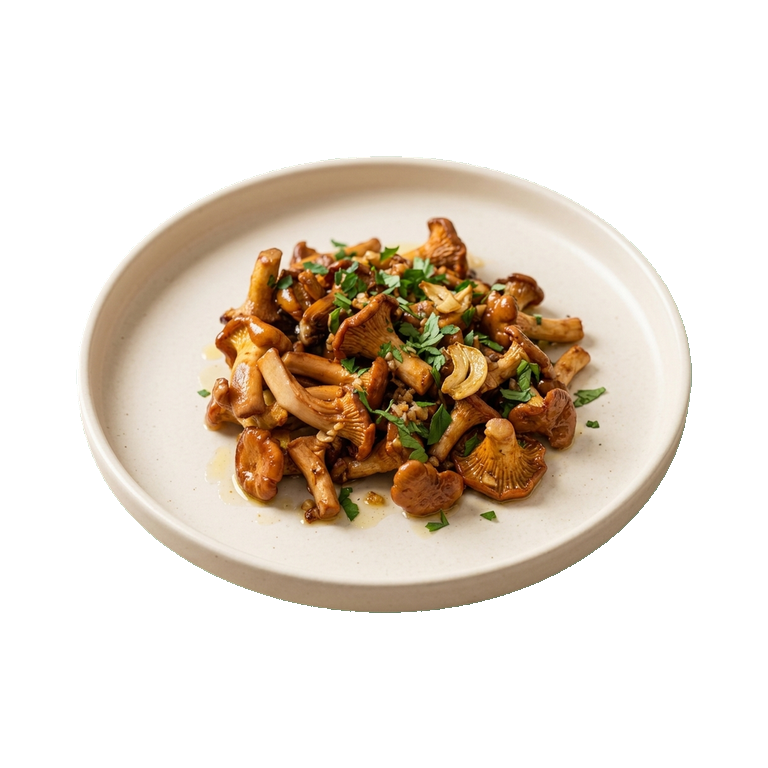
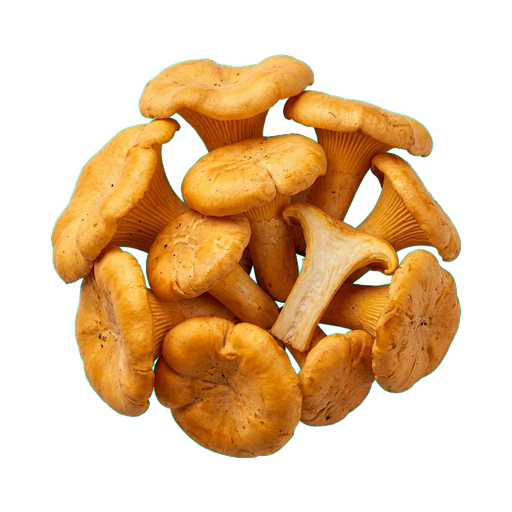
Chanterelles are delicate mushrooms with a funnel-shaped form and bright yellow or orange color, featuring a subtle fruity aroma and slightly peppery flavor. They absorb moisture readily, so it's better to wipe them with a damp cloth rather than wash them, and cook them over high heat to avoid excess liquid. Chanterelles are versatile — they can be braised, fried, added to soups, sauces, and pasta, and they pair especially well with butter, onions, and herbs.
Micronutrients
per 100 g
Minerals
About
Chanterelles are mushrooms that are difficult to confuse with anything else. Their funnel-shaped form, bright yellow or orange color, and delicate flesh make them recognizable even for a beginner in mushroom hunting. In cooking, chanterelles are valued for their versatility: they are good in any form — from simple sautéing to complex sauces.
Aroma and Taste
Chanterelles smell fresh and like the forest, with barely noticeable fruity notes. The taste is mild, slightly nutty, without bitterness. The flesh is dense, but not tough — during cooking, the mushroom holds its shape, doesn't fall apart, and doesn't turn into mush. This makes chanterelles a convenient ingredient for any cooking method.
Role in Dishes
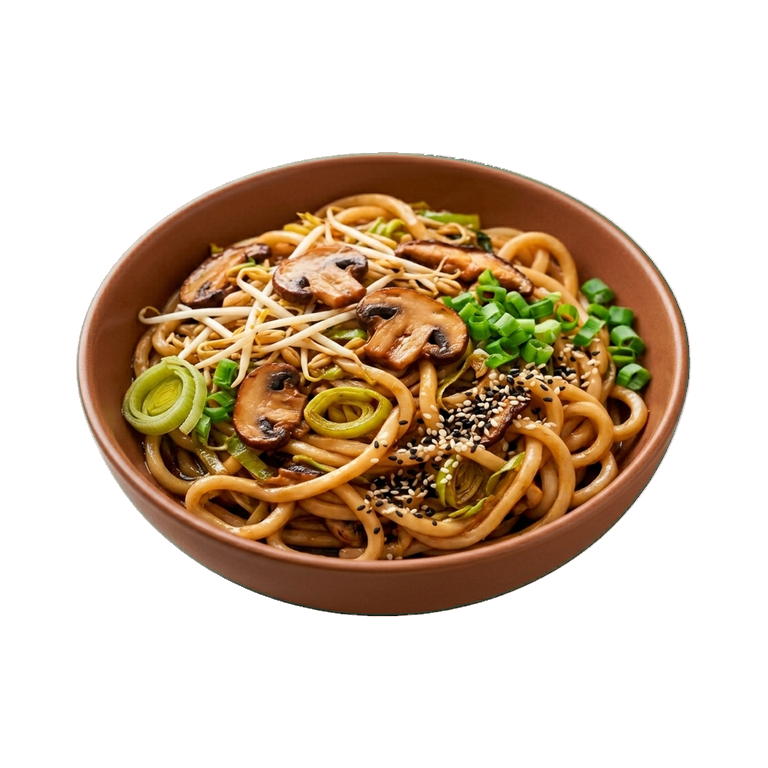
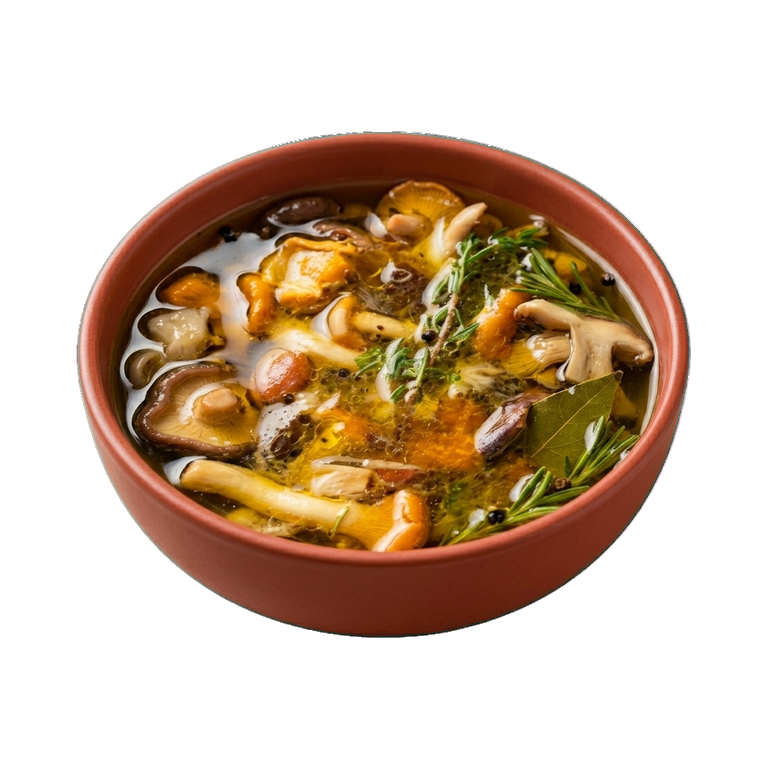
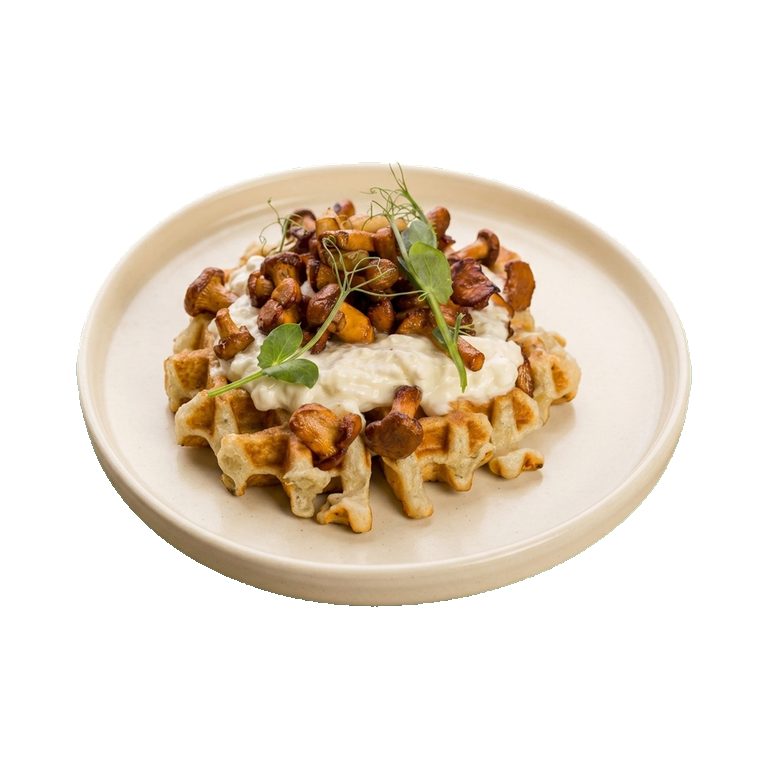
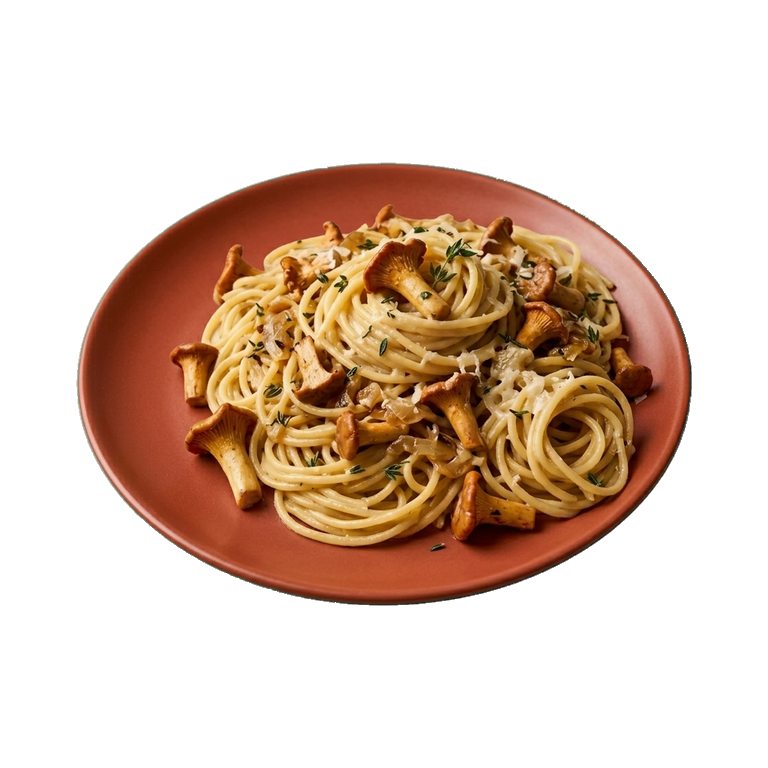
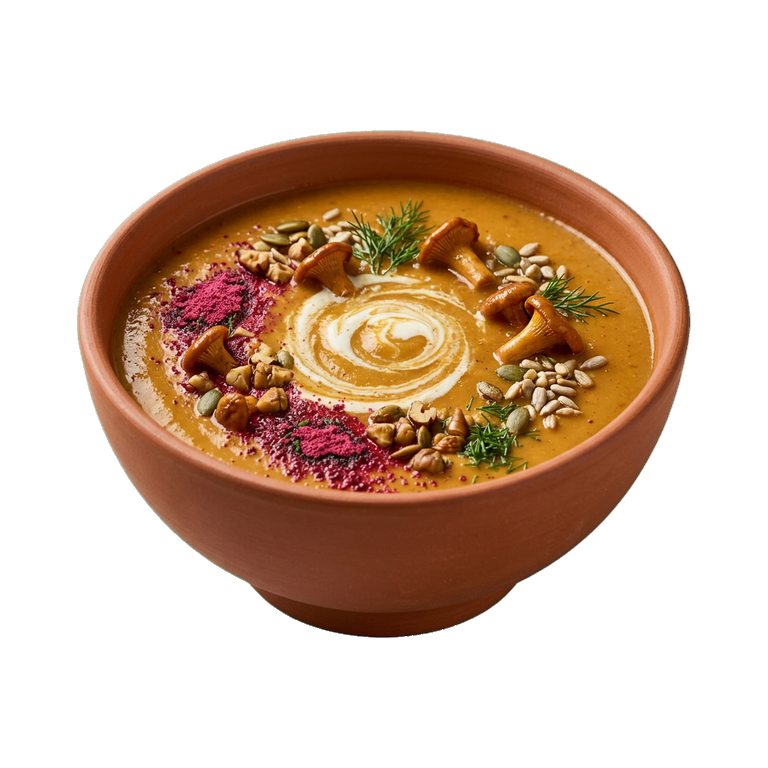
Chanterelles work everywhere: in soups they give a delicate broth, in pastas — a creamy sauce, in side dishes — they hold their texture. They can be stewed, fried, boiled, or baked. The mushroom absorbs oil and spices well, so it works excellently as the main ingredient, but doesn't overpower the taste of other dish components.
Pairs well with
- Butter and cream — a classic combination that highlights the delicacy of mushrooms
- Garlic and onion — will enhance the depth of flavor without aggression
- Thyme, parsley and dill — herbs that don't overpower the aroma of chanterelles
- White wine and cognac — add complexity to sauces
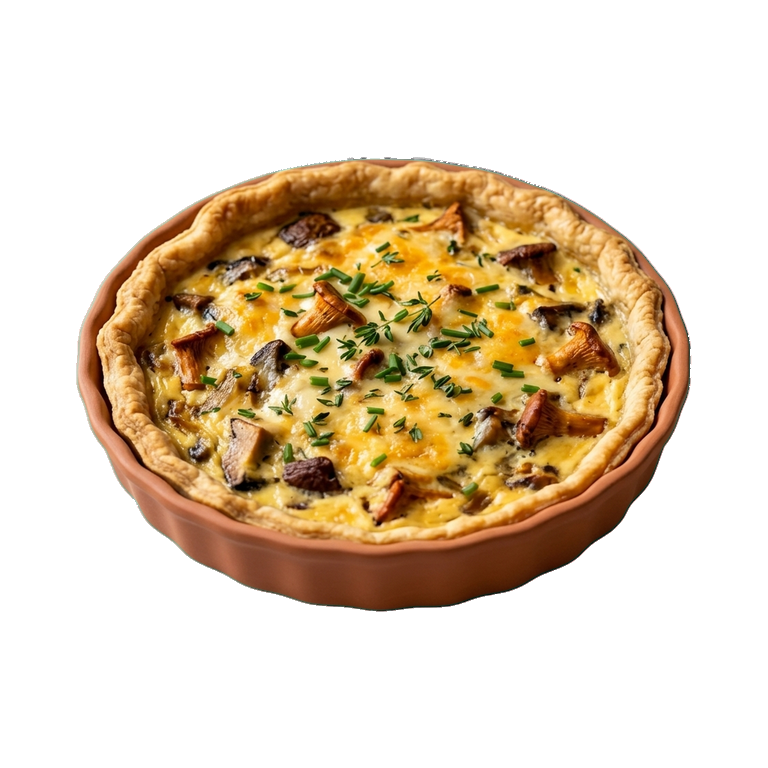
- Eggs — chanterelles with an omelet or baked — a classic
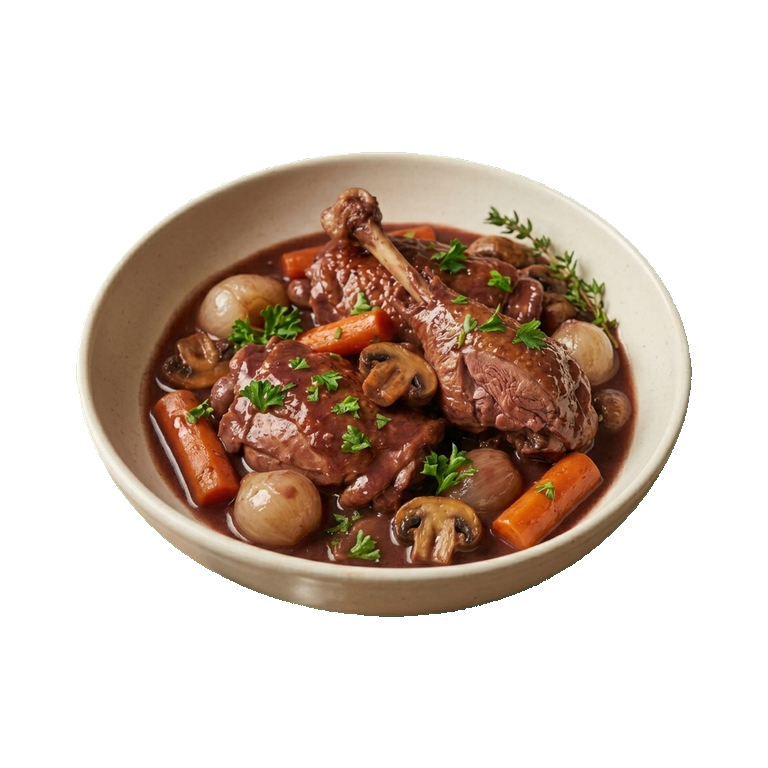
- Chicken and fish — chanterelles complement without overshadowing the main ingredient
Selection and Storage
When buying, choose mushrooms with firm flesh, without dark spots and slime. Fresh chanterelles smell like the forest, not dampness. If the mushrooms are slightly dried out — that's normal, but they shouldn't be brittle.
- Fresh chanterelles are stored in the refrigerator in a paper bag or linen sack — this way they breathe and don't accumulate moisture. Storage time — 3–5 days
- Do not wash the mushrooms before storage, only clean them from soil with a soft brush or cloth
- Cooked chanterelles can be frozen in a container for up to 3 months
- Dried chanterelles are stored in an airtight container in a cool place for a year or longer
Chanterelles are rarely wormy and barely absorb moisture, so they can be washed under running water without risk of quality loss — the main thing is not to soak them for too long.
Nutrition
per 100 g
- Calories
- 19 kcal
- Protein
- 1.5 g
- Fat
- 0.3 g
- Carbs
- 3.3 g
Micronutrients
per 100 g
Macronutrients
- Fiber
- 3.8 g
- Sugars
- 1.16 g
- Water
- 89.85 g
Minerals
- Sodium
- 9 mg
- Potassium
- 506 mg
- Calcium
- 15 mg
- Magnesium
- 13 mg
- Phosphorus
- 57 mg
- Iron
- 3.47 mg
- Zinc
- 0.71 mg
- Copper
- 0.35 mg
- Manganese
- 0.29 mg
- Selenium
- 2.2 mcg
Vitamins
- Vitamin D
- 5.3 mcg
- Vitamin B1 (thiamin)
- 0.02 mg
- Vitamin B2 (riboflavin)
- 0.22 mg
- Vitamin B3 (niacin)
- 4.09 mg
- Vitamin B5 (pantothenic acid)
- 1.08 mg
- Vitamin B6
- 0.04 mg
- Vitamin B9 (folate, DFE)
- 2 mcg
Measures and weight
- 1 pcs
- 8 g
Measure calculator
- Weight
- 100 g
- Calories
- 19 kcal